
Wildlife Field Profile
Gray Squirrel
Sciurus carolinensis
Wildlife profile / Envexa Pest Library
Day-active rodents that chew fascia, vents, and trim to reach attic spaces. Scratching during daylight is a strong clue.
Field ID Snapshot
Gray Squirrel identification starts with evidence and timing.
Use body traits, activity pattern, location, and season together before calling it Gray Squirrel. One clue by itself is rarely enough for confident identification.
Start with body shape and visible field marks before relying on where it was found.
Movement, feeding, nesting, or hiding behavior should support the visual identification.
Repeat activity in this zone matters more than a single isolated sighting.
Timing helps separate normal seasonal pressure from unusual indoor or hidden activity.
This clue helps estimate whether the source is building quickly, seasonal, or tied to a persistent condition.
Gray Squirrel should be compared with nearby lookalikes before choosing a control path.
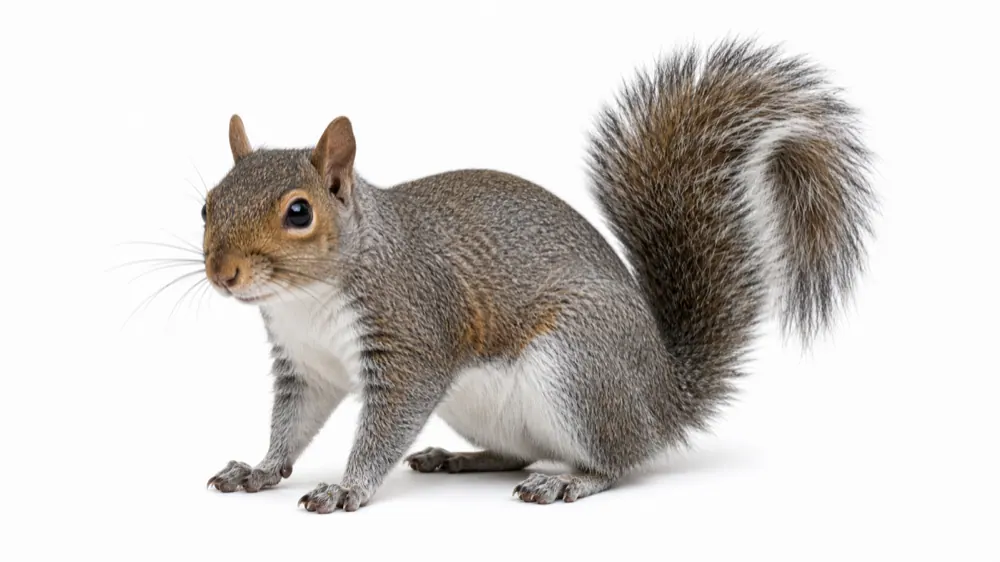 Macro view
Macro viewStart with the actual specimen.
Use the macro photo to slow the identification down: body shape, proportions, color pattern, and visible structures should match before the location clues are weighed.
Field evidenceField evidenceThen match the source pattern.
The strongest ID pairs look for entry points, damage, tracks, droppings, and timing of noises. with a source that makes sense: attics, fascia, rooflines. Then compare against similar pests in the library; a better match should shift the identification.
Clues that make gray squirrel more likely.
- Noises, droppings, tracks, or damage around attics, fascia, rooflines support a wildlife identification.
- A repeat entry point, den site, roofline opening, or burrow makes the profile more likely.
- Timing of noise or movement helps separate daytime and nighttime species.
- Activity during year-round fits the usual local wildlife window.
Clues that point away from gray squirrel.
- Small wall noises with mouse droppings may point to rodents instead of larger wildlife.
- Bird, bat, squirrel, and raccoon issues separate by entry height, timing, droppings, and damage pattern.
- An old inactive opening without fresh tracks, staining, odor, or debris may not be current activity.
- Compare gray squirrel against mice or rats in wall voids or squirrels vs raccoons in attics before assuming a match.
Lookalike Comparison
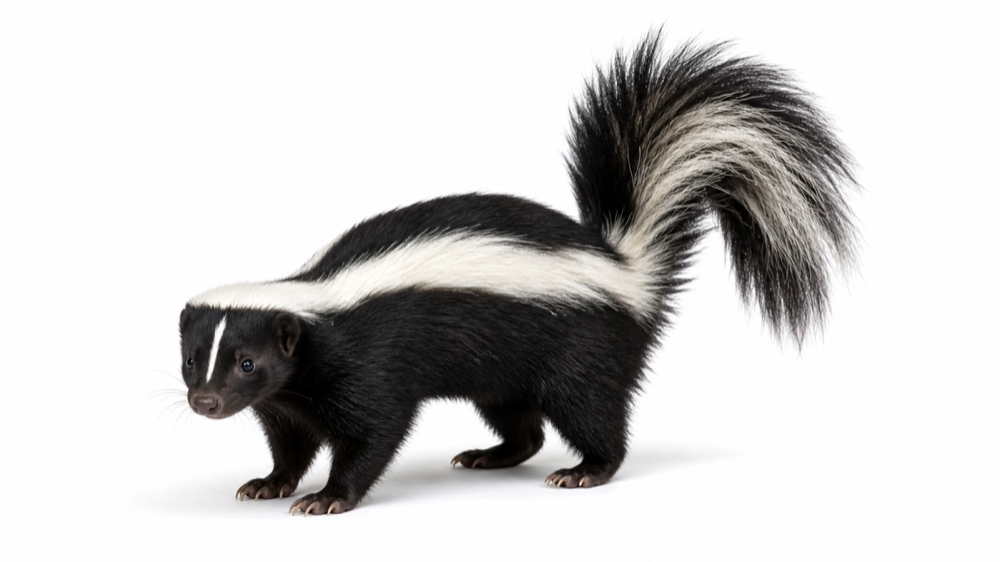
Animals that can leave Gray Squirrel signs.
Noise timing, entry height, droppings, tracks, and damage patterns keep removal work from turning into guesswork.
Biology And Behavior
Gray Squirrel behavior explains the wildlife pressure.
Gray Squirrel pressure in Greater Cincinnati is commonly connected to attics, fascia, rooflines. Greater Cincinnati wildlife pressure is shaped by wooded neighborhoods, mature tree canopy, creek corridors, older rooflines, vents, decks, and crawl spaces. Season, location, and repeat sightings help determine the right treatment path. Gray Squirrel activity usually starts where shelter, food, moisture, or access points line up. The practical field question is whether the evidence points to an indoor source, an outdoor source, or a route connecting both.
Specimen ReferenceGray SquirrelSciurus carolinensis
Gray Squirrel activity usually starts where shelter, moisture, food, nesting space, or access points line up.
Gray Squirrel can become more noticeable when conditions around the home support repeat activity.
Correct identification changes the inspection and control path.
Nesting, Habitat, And Food
Where Gray Squirrel finds shelter around structures.
Start with the active opening, den, burrow, roofline, or shelter site.
Tree canopy, vents, chimneys, decks, sheds, crawl spaces, and trash access shape activity.
Removal should connect to exclusion and cleanup recommendations.
Seasonal Activity
When Gray Squirrel pressure changes around Cincinnati properties.
Gray Squirrel can be active year-round in protected indoor or structural conditions. Gray Squirrel pressure in Greater Cincinnati is commonly connected to attics, fascia, rooflines. Greater Cincinnati wildlife pressure is shaped by wooded neighborhoods, mature tree canopy, creek corridors, older rooflines, vents, decks, and crawl spaces. Season, location, and repeat sightings help determine the right treatment path.
Activity WindowYear-round
JanFebMarAprMayJunJulAugSepOctNovDec
Control Logic
How Gray Squirrel removal and exclusion decisions are made.
Good wildlife work confirms the active species and opening before removal, exclusion, or cleanup recommendations.
Match the animal to the timing and damage.
- Track where Gray Squirrel is appearing before treatment.
- Reduce moisture, clutter, food access, or exterior harborage where possible.
- Avoid heavy DIY spray use when identification is uncertain.
- Use the service page or quote form when activity repeats or spreads.
Why removal timing and access change the plan.
- Confirm the Gray Squirrel identification before choosing products or methods.
- Inspect Attics, fascia, rooflines and surrounding entry routes.
- Match the treatment plan to the source condition, not just visible activity.
- Document recommendations so prevention steps are clear after service.
Keep Comparing
Wildlife profiles to compare with Gray Squirrel.
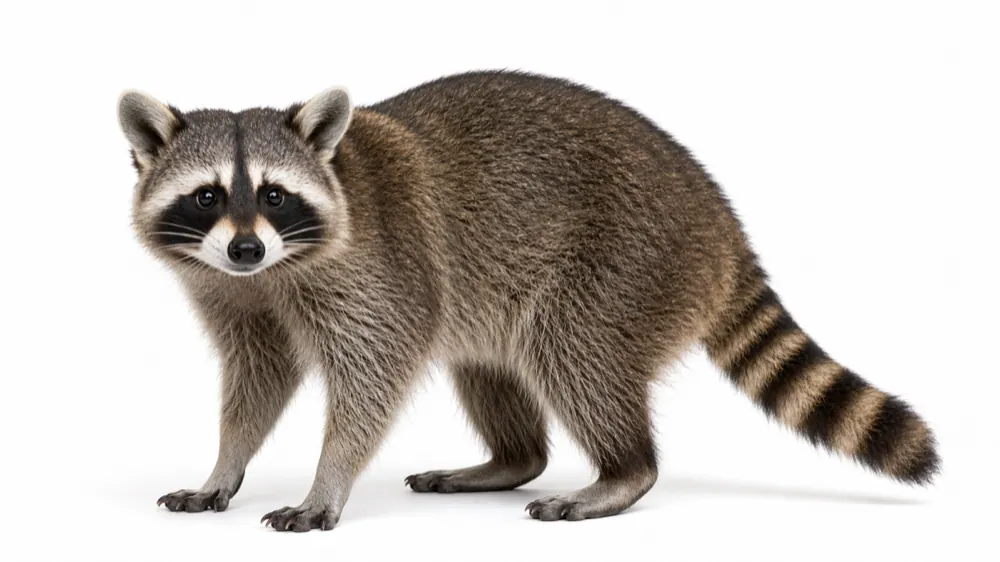
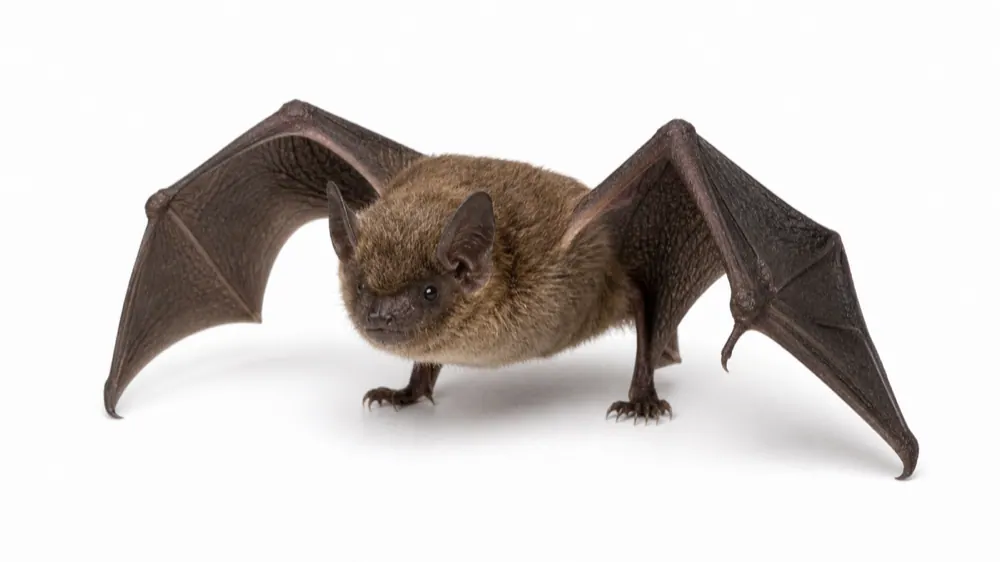
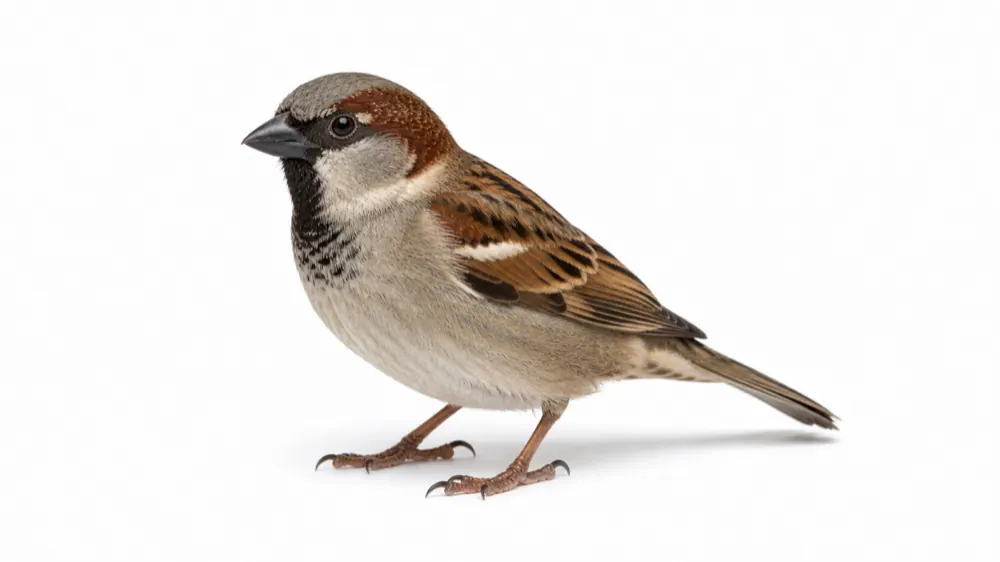
Sources & Further Reading
Gray Squirrel references used for this profile.
These references support animal behavior, seasonal timing, and humane removal considerations.
Need Confirmation?
Need Gray Squirrel identified before removal?
Noise timing, entry height, droppings, and damage pattern usually narrow the animal before a removal plan is quoted.