
Stinging Field Profile
Yellow Jacket
Vespula spp.
Order Hymenoptera / Family Vespidae / Genus Vespula
Yellowjacket identification starts with the flight line. The important clue is not simply "wasps near food," but repeated workers flying directly into one ground hole, wall crack, landscape edge, or structural void. That entrance is the colony map.
Field ID Snapshot
Yellow Jacket identification starts with nest behavior.
Use body traits, activity pattern, location, and season together before calling it Yellow Jacket. One clue by itself is rarely enough for confident identification.
Workers repeatedly entering the same ground hole or wall void are the strongest yellowjacket clue.
Unlike open paper wasp combs, yellowjacket nests are often underground or concealed inside voids.
Workers are smooth, quick, and less hairy than honey bees.
Risk rises sharply when mowing, trimming, vibration, or foot traffic disturbs the nest zone.
Colonies become more visible and defensive as worker populations reach their seasonal high.
Honey bees are hairier and pollen-focused; paper wasps usually have an exposed comb and slower dangling-leg flight.
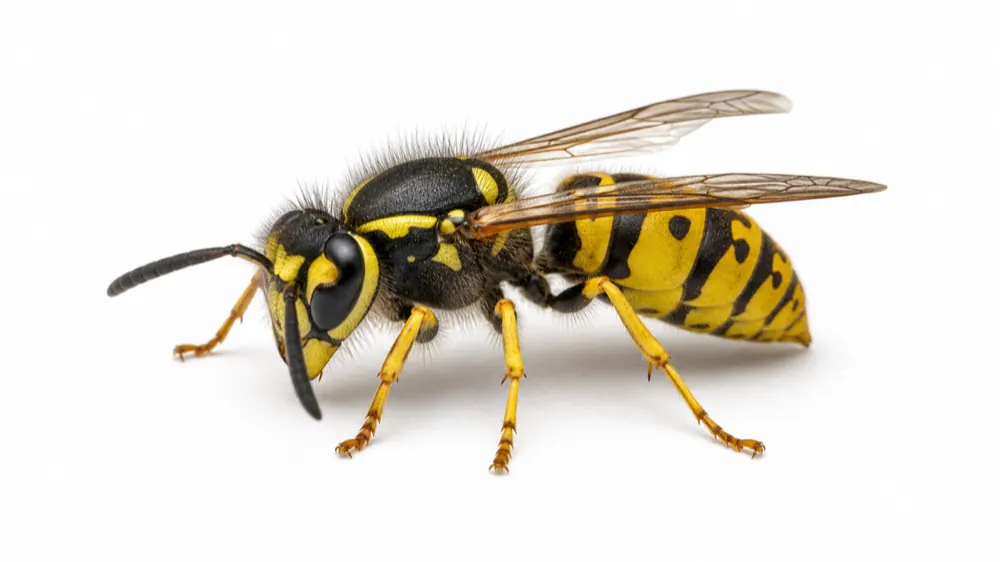 Macro view
Macro viewStart with the actual specimen.
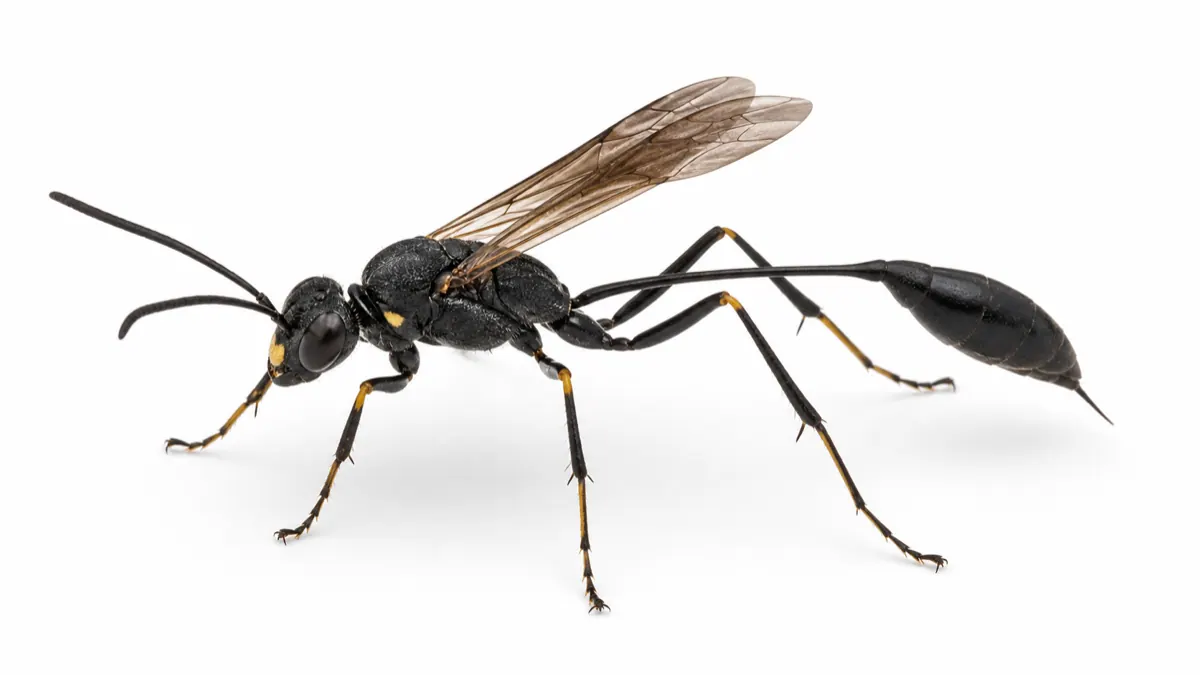
Use the macro photo to slow the identification down: body shape, proportions, color pattern, and visible structures should match before the location clues are weighed.
Field evidenceField evidenceThen match the source pattern.
The strongest ID pairs fast direct flight to one entrance with a source that makes sense: ground holes, wall voids, landscape edges, and structural cracks. Then compare against paper wasps, honey bees, bald-faced hornets, and european hornets; a better match should shift the identification.
Clues that make yellow jacket more likely.
- Repeated fast traffic into one ground hole, crack, railroad tie, wall void, or landscape edge strongly supports yellowjacket activity.
- Defensive response near mowing, deck use, trimming, or foot traffic makes a hidden colony more likely.
- Smooth black-and-yellow workers moving in direct flight lines fit yellowjackets better than pollen-heavy honey bees.
- Late summer or early fall escalation fits the normal colony growth pattern.
Clues that point away from yellow jacket.
- Open umbrella-shaped comb under eaves or rails points toward paper wasps.
- A large gray paper nest in a tree or high eave may be a bald-faced hornet colony.
- Hairy bees carrying pollen, swarm clusters, or comb in a cavity should be checked as honey bees.
- Single wasps visiting food without a repeat entrance do not prove a nest on the property.
Lookalike Comparison
Lookalikes to compare with Yellow Jacket.
Nest placement, flight path, body shape, and aggression level change the service approach.
Biology And Behavior
Yellow Jacket behavior explains the stinging insect pressure.
Yellowjackets are social wasps with annual colonies that expand through warm weather. By late summer, worker numbers are high, food preferences shift, and colonies near people can become much more defensive.
Specimen ReferenceYellow JacketVespula spp.
A queen starts the colony, workers expand it, and late-season population size drives the sudden risk spike.
Many colonies stay hidden until traffic at the entrance becomes obvious.
Mowers, footsteps, deck vibration, and trimming near the entrance can trigger mass defense.
Nesting, Habitat, And Food
Where Yellow Jacket activity usually starts.
Inspect burrow holes, stump voids, railroad ties, landscape edges, and hidden soil openings.
Repeated traffic into a siding seam, utility gap, or masonry crack can indicate a concealed void nest.
The highest-risk colonies are near doors, play areas, decks, mowing paths, and outdoor work areas.
Seasonal Activity
When Yellow Jacket pressure is most visible locally.
Yellowjacket calls usually build through summer and peak in late summer through fall in Cincinnati as colonies reach maximum worker numbers. Early-season sightings may be foragers; late-season direct entrance traffic is more urgent.
Activity WindowApr through Oct
JanFebMarAprMayJunJulAugSepOctNovDec
Control Logic
How a technician reads Yellow Jacket activity.
Good yellowjacket work starts by finding the exact entrance and confirming the nest type before disturbing it. Treating random foragers around food does not solve a hidden colony.
Watch the flight path before anyone approaches.
- Watch from a safe distance to identify the exact entry point and the direction of worker traffic.
- Avoid mowing, trimming, spraying, or plugging the entrance once colony traffic is confirmed.
- Keep people and pets away from the nest zone until it is addressed.
- Do not assume all yellow-and-black insects are yellowjackets; compare bees, paper wasps, and hornets first.
Why nest location changes the safety plan.
- Confirm direct entrance traffic and separate yellowjackets from bees, paper wasps, and hornets.
- Assess whether the colony is ground-nesting, wall-void nesting, or associated with a landscape structure.
- Treat the nest entrance and colony site instead of only visible foragers.
- Recheck activity after treatment and avoid premature sealing of wall-void entrances.
Keep Comparing
Profiles to compare with Yellow Jacket.
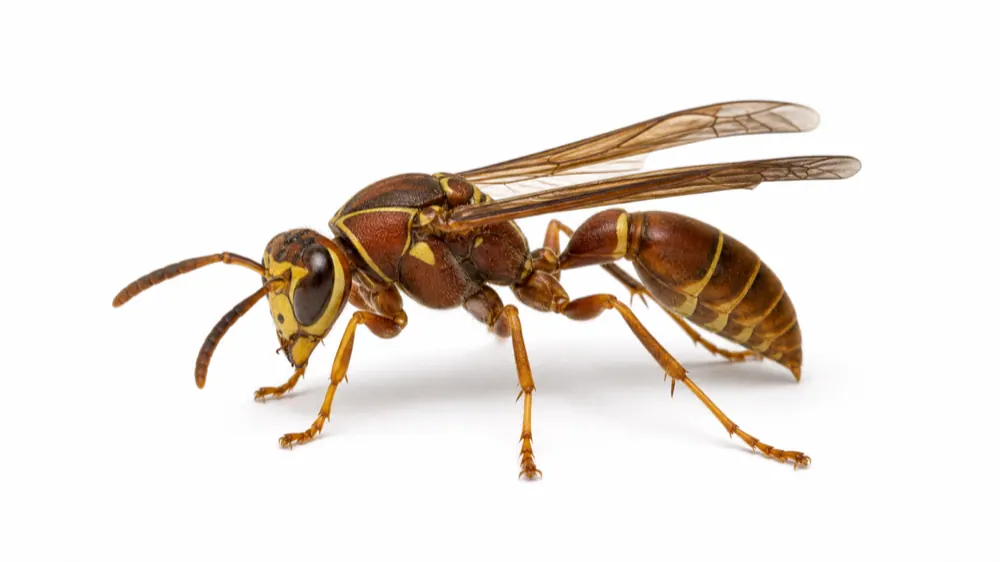
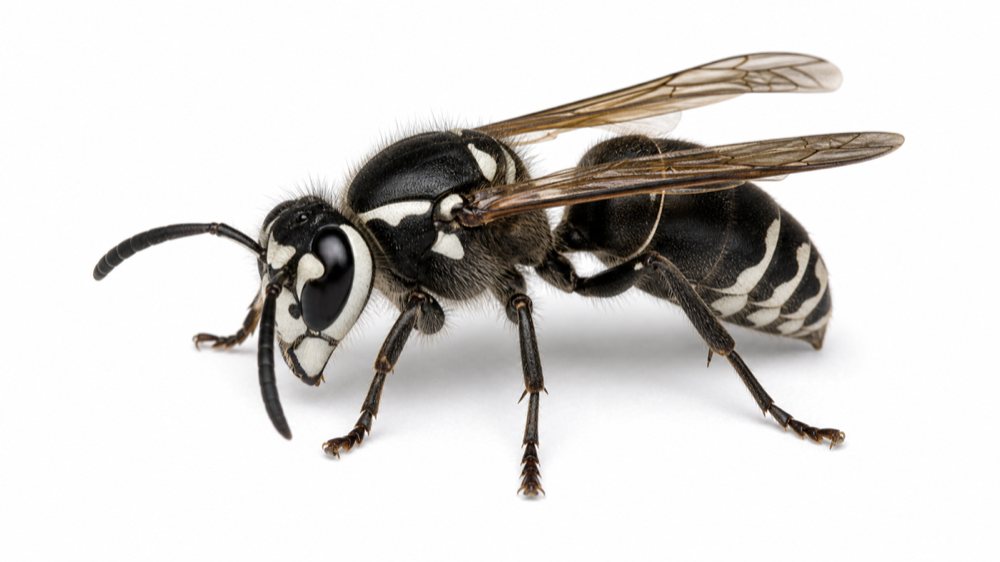
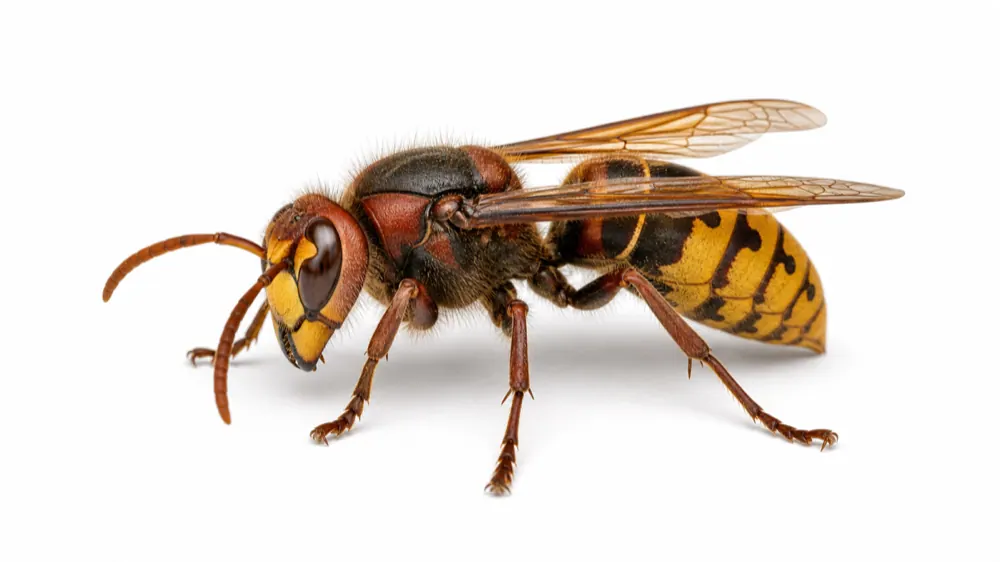
Sources & Further Reading
Yellow Jacket references used for this profile.
These references help verify nest behavior, species clues, and risk around people or pets.
Reference 01University of Maryland Extension
Identification and nesting differences among social wasps.
Reference 02NC State ExtensionYellowjacket and baldfaced hornet nest behavior around structures.
Reference 03USU Extension Mud DaubersSolitary wasp and mud dauber nesting reference.
Reference 04University of Maryland Carpenter BeesCarpenter bee identification, wood tunneling, and prevention notes.
Need Confirmation?
Need help confirming Yellow Jacket?
Keep people and pets away from the activity and note where insects enter, exit, or gather.