
Specialty Field Profile
Bed Bug
Cimex lectularius
Order Hemiptera / Family Cimicidae / Cimex lectularius
Bed bug identification has to be evidence based. Bites can raise suspicion, but they do not confirm the pest. A reliable profile connects live bugs, cast skins, eggs, spotting, and hiding places near sleeping or resting areas.
Field ID Snapshot
Bed Bug identification starts with physical evidence.
Use body traits, activity pattern, location, and season together before calling it Bed Bug. One clue by itself is rarely enough for confident identification.
A live bug, cast skin, eggs, or dark fecal spotting near a bed or couch is stronger than bite reactions alone.
Unfed adults are flattened and oval; recently fed bugs become more swollen and elongated.
Bed frames, seams, screw holes, tufts, tags, baseboards, and couch joints are high-value inspection spots.
Finding multiple stages suggests established activity rather than a single introduced insect.
Travel, used furniture, visitors, and multi-unit housing can explain introductions and movement.
Bat bugs look very similar; attic or bat-roost context changes the solution.
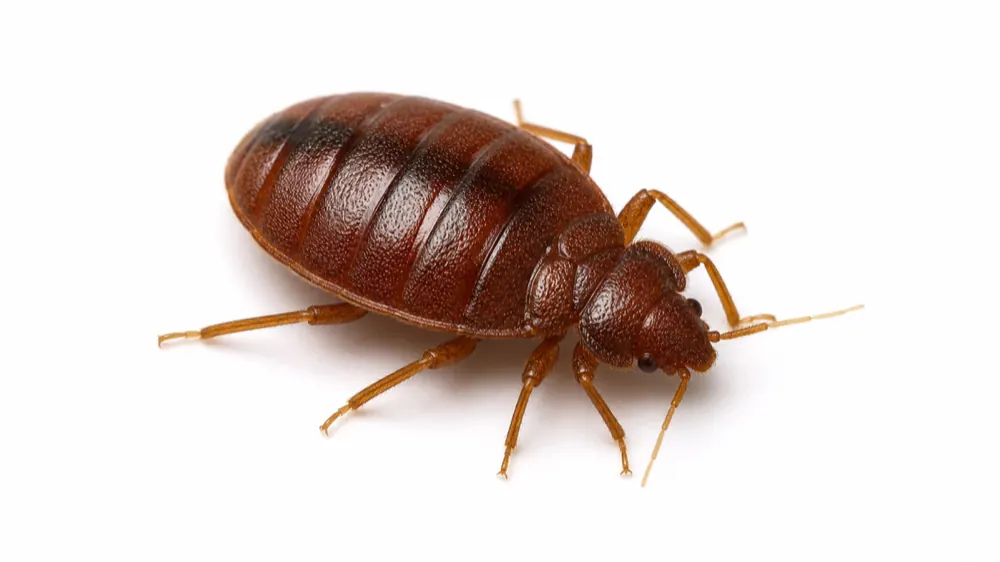 Macro view
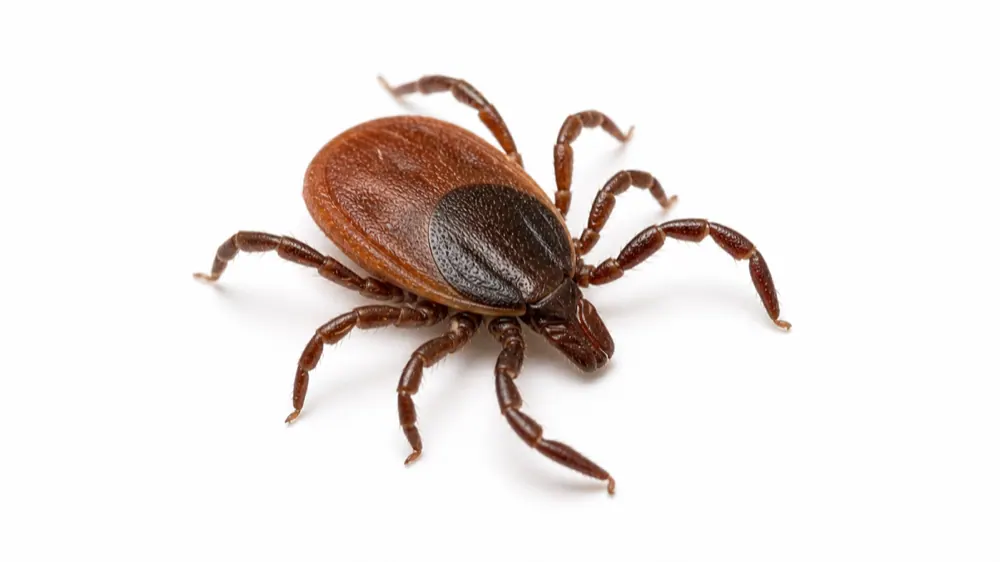
Macro viewStart with the actual specimen.
Use the macro photo to slow the identification down: body shape, proportions, color pattern, and visible structures should match before the location clues are weighed.
Field evidenceField evidenceThen match the source pattern.
The strongest ID pairs live bugs, cast skins, eggs, and dark spotting with a source that makes sense: mattresses, bed frames, couches, baseboards, luggage, and shared walls. Then compare against bat bugs, carpet beetles, fleas, and cockroach nymphs; a better match should shift the identification.
Clues that make bed bug more likely.
- Live bed bugs, cast skins, eggs, or dark spotting near sleeping or resting areas strongly support the ID.
- Evidence in mattress seams, box springs, bed frames, headboards, couches, or baseboards fits normal harborage behavior.
- Multiple life stages or repeated evidence in one room makes an active population more likely.
- Travel, used furniture, shared walls, or recent visitors can help explain the introduction path.
Clues that point away from bed bug.
- Bites alone do not confirm bed bugs; many skin reactions look similar.
- Carpet beetle larvae, shed skins, lint, and debris can mimic bed bug clues.
- Fleas jump and are usually tied to pets, carpet, or wildlife resting areas.
- Bat bugs become more likely when evidence is near attic areas or a known bat roost.
Lookalike Comparison
Lookalikes to compare with Bed Bug.
Bites alone are not enough. Skins, spotting, live insects, furniture seams, and travel history matter more.
Biology And Behavior
Bed Bug behavior centers on shelter, hosts, and quiet cracks.
Bed bugs feed on blood, hide in tight cracks close to hosts, and move through egg and nymph stages before becoming adults. Small introductions can stay localized when caught early, but missed harborages allow activity to spread into furniture, baseboards, and nearby rooms.
Specimen ReferenceBed BugCimex lectularius
Bed bugs usually hide close to where people rest because they need repeated blood meals.
Eggs and small nymphs are easy to miss, which is why follow-up and crack detail matter.
Bugs move on luggage, furniture, clothing, backpacks, and through shared-wall conditions.
Nesting, Habitat, And Food
Where Bed Bug activity usually starts.
Inspect seams, tags, tufts, box springs, headboards, screw holes, and frame joints.
Activity can center on couches or chairs when people sleep or rest there.
As activity grows, bugs may move into baseboards, wall edges, outlet areas, and nearby rooms.
Seasonal Activity
When Bed Bug pressure is most visible locally.
Bed bugs are a year-round indoor pest. Cincinnati activity is shaped more by travel, used furniture, apartment turnover, and shared-wall movement than by outdoor weather.
Activity WindowYear-round
JanFebMarAprMayJunJulAugSepOctNovDec
Control Logic
How a technician reads Bed Bug activity.
Good bed bug work starts with evidence, room mapping, and lookalike checks. Treatment should follow confirmed harborage zones and include follow-up expectations.
Confirm evidence before moving items.
- Save a specimen or clear photo before discarding furniture or spraying.
- Avoid moving bedding, furniture, or belongings into other rooms until the inspection plan is clear.
- Check beds, couches, luggage, and baseboards for skins, eggs, spotting, and live bugs.
- Do not rely on bites alone; confirm physical evidence before deciding on treatment.
Why bed bug scope depends on hiding places.
- Confirm bed bugs versus bat bugs, carpet beetles, fleas, and cockroach nymphs.
- Map all rooms where people sleep or rest, including couches and recliners.
- Treat cracks, seams, frames, baseboards, and furniture harborages according to confirmed evidence.
- Set follow-up expectations because eggs, hidden nymphs, and missed harborages drive callbacks.
Keep Comparing
Profiles to compare with Bed Bug.
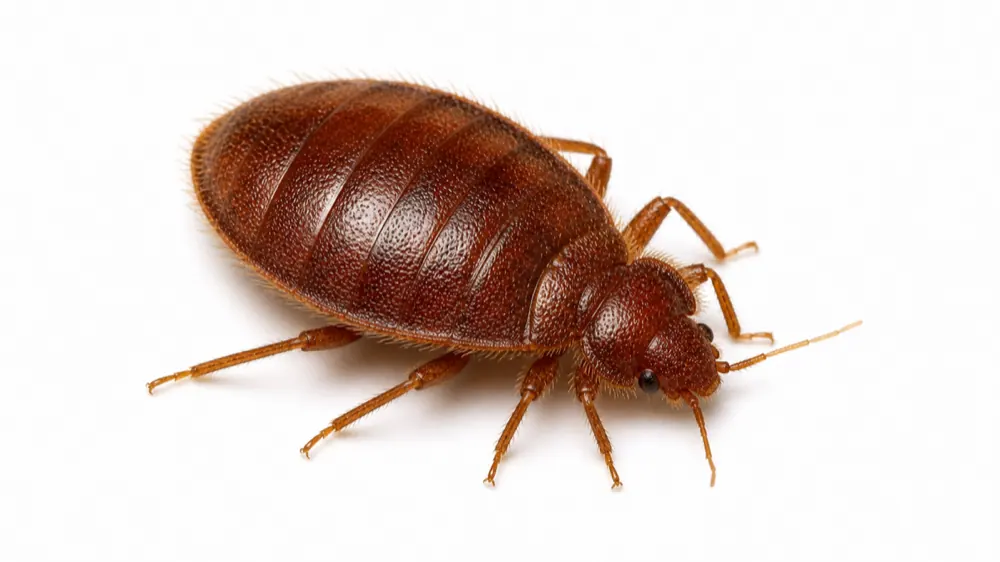
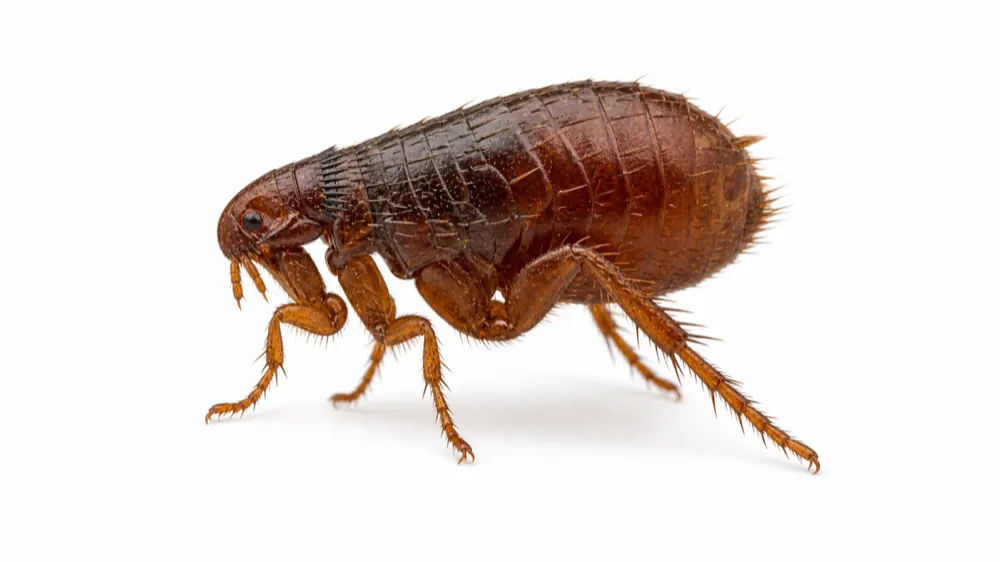
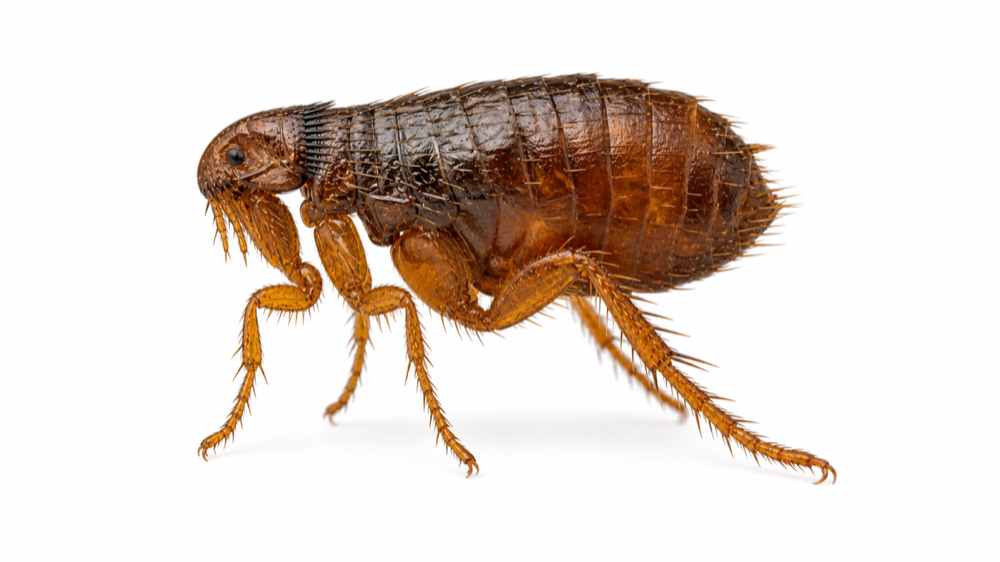
Sources & Further Reading
Bed Bug references used for this profile.
These references support identification, hiding behavior, and inspection priorities.
Reference 01EPA Bed Bug Appearance and Life Cycle
Bed bug life stages, size, appearance, and lookalike caution.
Reference 02EPA How to Find Bed BugsPhysical evidence, hiding places, and inspection signs.
Reference 03University of Minnesota Bed BugsBed bug identification, hiding behavior, and management background.
Reference 04Colorado State Bat Bugs and RelativesBat bug and bed bug relatives comparison reference.
Need Confirmation?
Need help confirming Bed Bug?
Save a specimen or photo if possible. Avoid moving furniture or bags until the room has been reviewed.