
Specialty Field Profile
Phorid Fly
Phoridae
Order Diptera / Family Phoridae
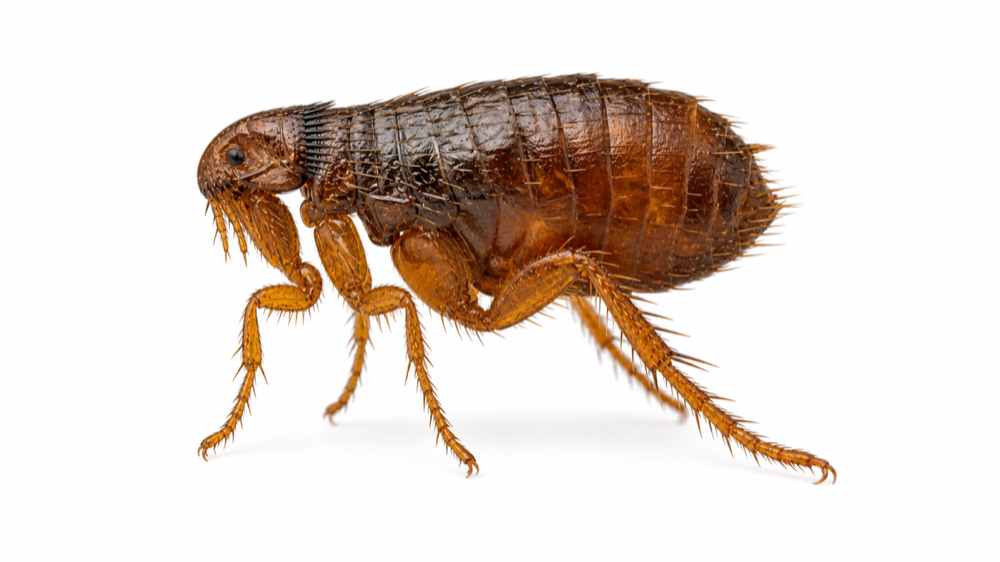
Phorid flies are small, but the source can be serious. The humpbacked profile, quick scuttling runs, and repeated activity around wet organic material separate them from simple fruit-fly problems.
Field ID Snapshot
Phorid Fly identification starts with evidence.
Use body traits, activity pattern, location, and season together before calling it Phorid Fly. One clue by itself is rarely enough for confident identification.
Phorids often scuttle across surfaces in a quick stop-start pattern before taking flight.
They point to damp, decaying residue rather than dry pantry goods or fabrics.
Phorids can breed around drains, but they do not have the moth-like fuzzy wings of drain flies.
Persistent activity after cleaning obvious sources can indicate a deeper wet organic source.
Small size and erratic movement can make them easy to confuse with fungus gnats or fruit flies.
Fruit flies follow fermentation; fungus gnats follow plant soil; drain flies follow biofilm.
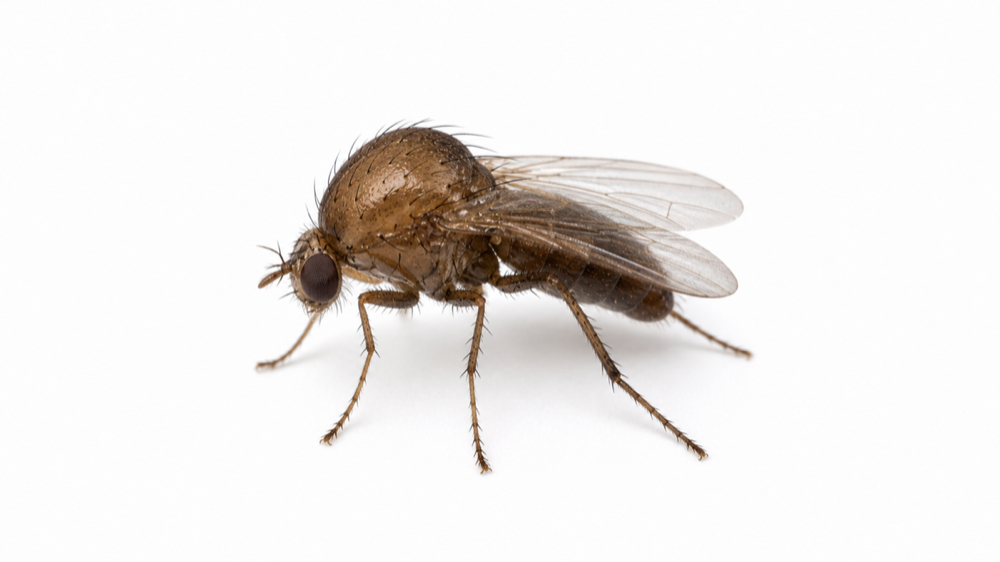 Macro view
Macro viewStart with the actual specimen.
Use the macro photo to slow the identification down: body shape, proportions, color pattern, and visible structures should match before the location clues are weighed.
Field evidenceField evidenceThen match the source pattern.
The strongest ID pairs tiny humpbacked flies that run erratically with a source that makes sense: drains, wet organic debris, slab leaks, mop areas, and trash cracks. Then compare against fruit flies, drain flies, and fungus gnats; a better match should shift the identification.
Clues that make phorid fly more likely.
- Tiny flies that run erratically before flying make phorid flies more likely.
- Adults returning around drains, mop sinks, trash cracks, equipment legs, or wet organic residue support the profile.
- Activity that persists after fruit and trash are removed points toward a hidden wet source.
- A humpbacked body shape separates phorids from moth-like drain flies and plant-associated fungus gnats.
Clues that point away from phorid fly.
- Tan flies clustering around fruit, bottles, or fermented residue point toward fruit flies.
- Fuzzy moth-like adults resting near drains point toward drain flies.
- Tiny dark flies around overwatered houseplants point toward fungus gnats.
- No wet organic source makes a sustained phorid fly problem less likely.
Lookalike Comparison
Lookalikes to compare with Phorid Fly.
Droppings, gnaw marks, rub marks, burrows, and noise timing tell you more than a quick sighting.
Biology And Behavior
Phorid Fly behavior explains the rodent pressure.
Phorid fly larvae develop in moist decaying organic material. That source can be obvious, like drain buildup or trash residue, or hidden, like wet debris under equipment, a broken drain line, or organic material below a slab.
Specimen ReferencePhorid FlyPhoridae
Larvae need moist organic material, which is why source removal is the real control point.
Adults often run in short bursts, giving the group its "scuttle fly" reputation.
Persistent phorid fly activity can justify deeper inspection for wet voids, slab leaks, or broken drain lines.
Nesting, Habitat, And Food
Where Phorid Fly activity usually starts.
Floor drains, sink drains, mop sinks, and drain edges can hold larval food.
Food debris under equipment, behind cove base, or inside trash areas can maintain populations.
When obvious sources are clean, wet organic debris below floors or inside voids becomes the concern.
Seasonal Activity
When Phorid Fly pressure is most visible locally.
Phorid flies can persist year-round indoors whenever wet organic material remains available. Outdoor season matters less than moisture, sanitation, and hidden source conditions.
Activity WindowYear-round
JanFebMarAprMayJunJulAugSepOctNovDec
Control Logic
How a technician reads Phorid Fly activity.
Good phorid fly control is source finding. Adult knockdown is temporary unless the wet organic breeding material is physically cleaned, dried, repaired, or removed.
Read the evidence before setting devices.
- Check drains, trash areas, recycling, mop buckets, pet areas, and wet cracks before treating adults.
- Remove fruit and obvious trash so phorids can be separated from fruit flies.
- Note where adults land and whether they run before flying.
- If activity persists after cleaning obvious sources, suspect hidden moisture or organic debris.
Why entry points matter as much as trapping.
- Confirm phorid flies against fruit flies, drain flies, and fungus gnats using body shape and source pattern.
- Inspect drains, wet organic debris, equipment edges, trash zones, and structural moisture clues.
- Recommend cleaning or repair of the breeding source, not only adult treatment.
- Escalate to plumbing or slab investigation when activity persists without an obvious source.
Keep Comparing
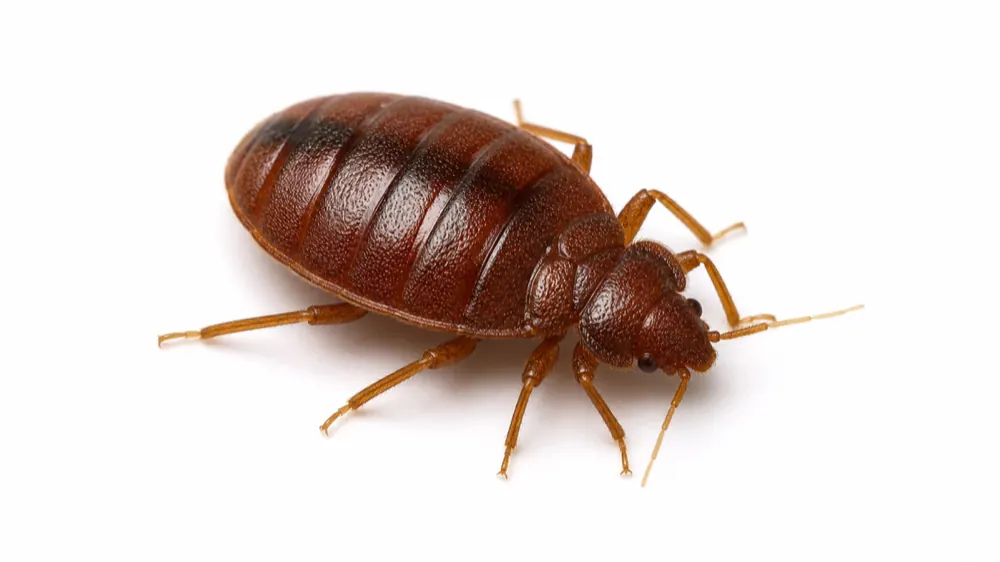
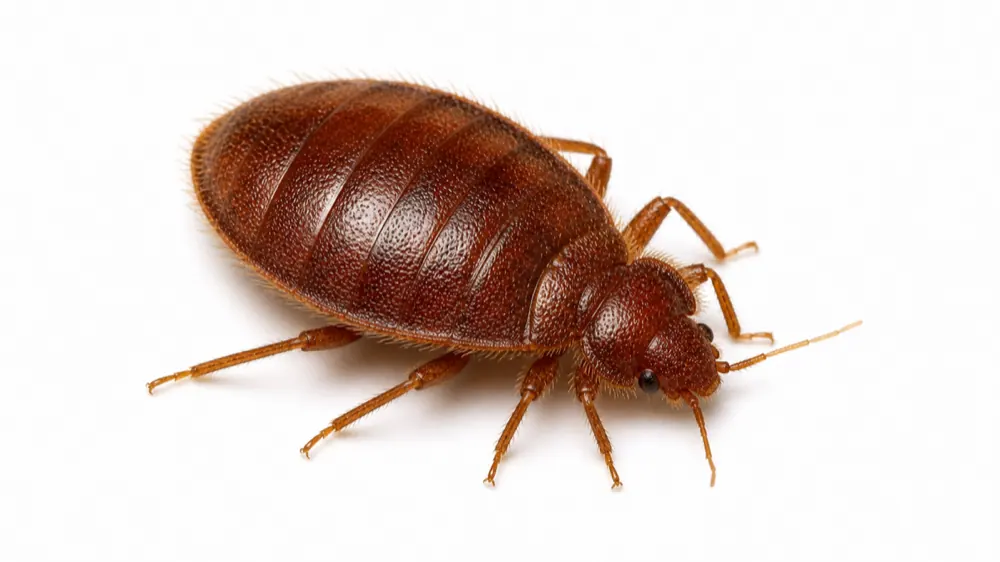
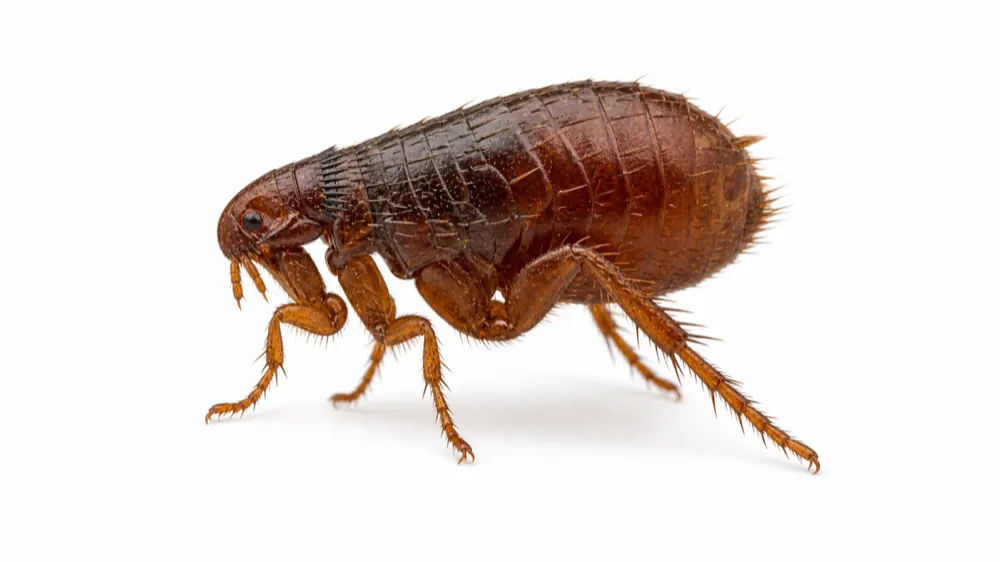
Profiles to compare with Phorid Fly.
Sources & Further Reading
Phorid Fly references used for this profile.
These references support the evidence, biology, and exclusion notes used in this rodent profile.
Reference 01UMN Extension Flies
Household fly biology, sanitation, and source finding guidance.
Reference 02University of Maryland FliesHouse fly, fruit fly, drain fly, phorid fly, and fungus gnat references.
Reference 03USU Extension Phorid FliesPhorid fly identification and hidden organic source guidance.
Reference 04NC State Drain FliesDrain fly identification, drain biofilm source, and correction guidance.
Need Confirmation?
Need help confirming Phorid Fly?
Droppings, rub marks, gnawing, and noise timing can tell a technician whether the issue is active and where to start.