Skip to content
513-822-2692 | Mon-Fri 7am-6pm · Sat 10am-3pm
Envexa
Rodents & WildlifeMice, rats, and animal services
Service LinesCommercial pest, mosquito, wildlife, and exclusion
Rodents, Wildlife & Entry WorkAnimal pressure around facilities
About & ResourcesCompany, coverage, and guides
Get Instant Pricing Request Assessment Call Now
Local Service · Greater Cincinnati

Tick ControlCincinnati, OH

Tick control in Cincinnati focuses on the edges where people, pets, deer paths, rodents, and shaded vegetation overlap.

Serving Cincinnati, Hamilton County, ZIP 45202, with attention to Cincinnati areas like Over-the-Rhine, Clifton Heights, and Northside.

Licensed technicians
Clear recommendations
Local service notes

Request Tick Control

Free quote. Clear next step. Same-week openings when available.

Your info stays with Envexa.
Spring-fall
Typical
activity window
3+
Local
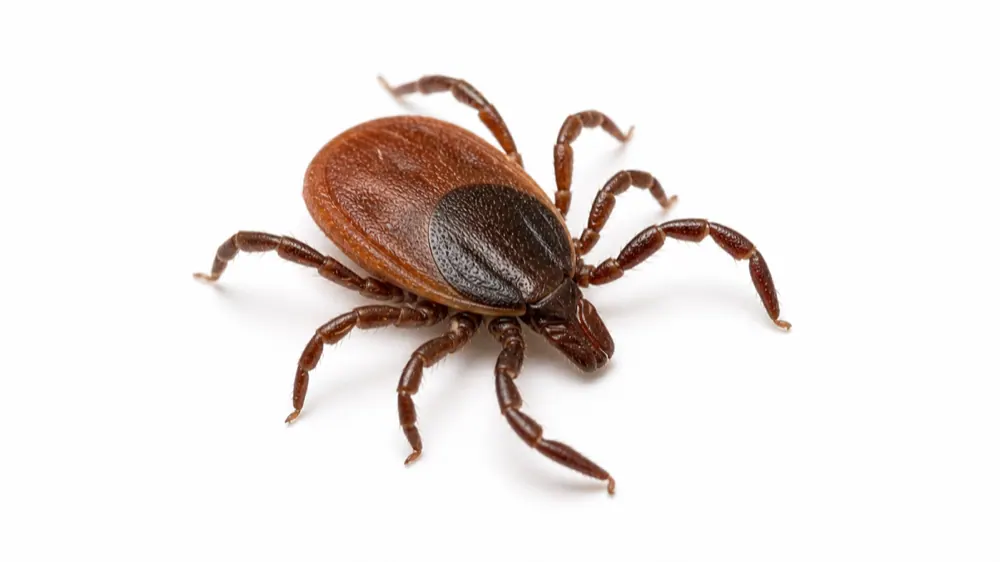
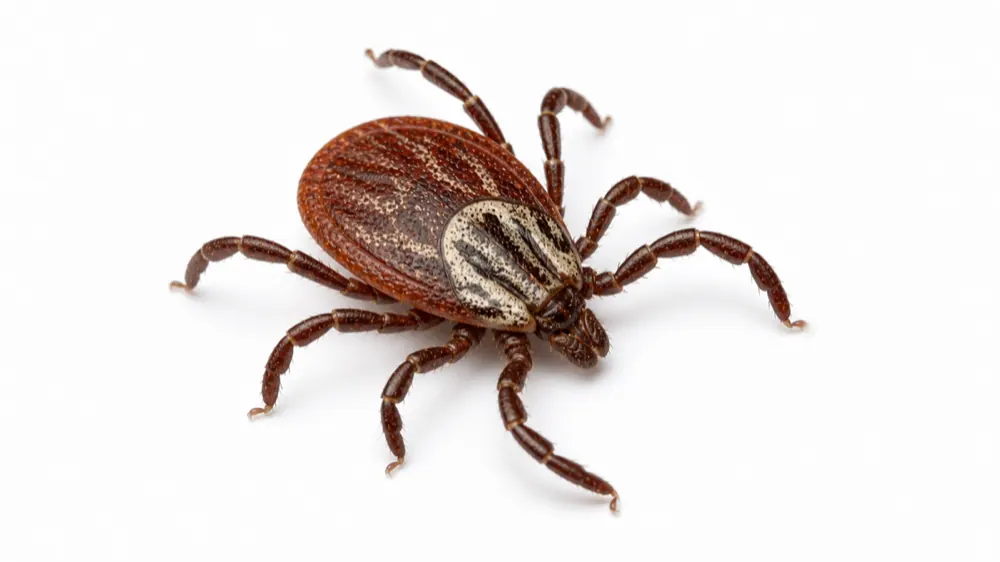
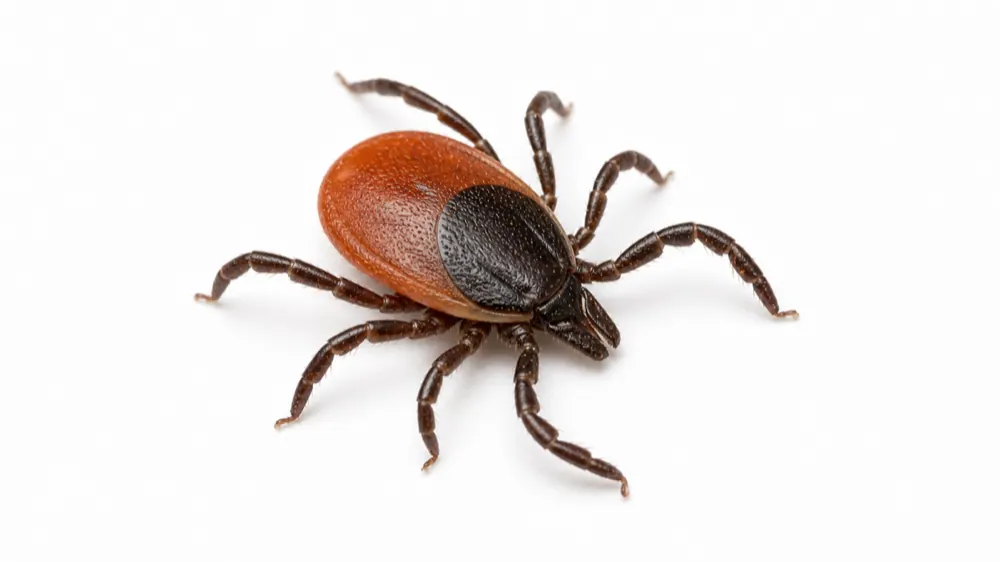
identification points
Yard edges
First
inspection focus
Seasonal
Service
planning note

What changes a tick control plan in Cincinnati.

Cincinnati yards with wooded borders, tall grass, leaf litter, creek edges, deer movement, or pets that roam the perimeter can see tick pressure through much of the warm season.

Cincinnati's pest pressure is some of the most varied in Ohio. For tick control, that means we slow down around Over-the-Rhine, Clifton Heights, and Northside and look at wooded edges, pet routes, leaf litter, brush, shaded lawn margins, deer movement, and the areas people actually use before we talk through a plan. Cincinnati's river valley location means mosquitoes start early (March) and rodent pressure peaks hard in November.

Tick service is about exposure points. We focus less on the middle of the lawn and more on wooded edges, shade, leaf litter, pet routes, and the places people or pets brush against vegetation.

The end result should feel plain and useful: what we saw, why it matters, and what service path makes sense for the home.

Cincinnati service notes
Start with active evidence at this Cincinnati property, not just the pest name.
Check local pressure points around Over-the-Rhine, Clifton Heights, and Northside: wooded edges, pet routes, leaf litter, brush, shaded lawn margins, deer movement, and the areas people actually use.
Explain whether the issue looks seasonal, structural, source-driven, or tied to repeat entry.
Leave clear notes for the homeowner, including any Hamilton County conditions that could affect the next visit.

What we watch for around Cincinnati.

Cincinnati tick exposure is highest around wooded lots, ravines, park edges, pet paths, and shaded overgrowth near neighborhoods like Mount Airy, Northside, Hyde Park, and Anderson-area yards. The service focus is edge habitat, leaf litter, and where people or pets brush against vegetation.

Hamilton County parks and green spaces — including the Little Miami Trail corridor and numerous nature preserves — support tick populations. Properties adjacent to wooded areas have the highest exposure.

How this affects service
Local pressure is checked against the actual property conditions.
The first visit looks closely at wooded edges, pet routes, leaf litter, brush, shaded lawn margins, deer movement, and the areas people actually use.
Recommendations stay practical: what we found, what matters, and what to do next.

Why property details matter in Cincinnati.

The right plan depends on the structure, the yard, the pest pressure nearby, and what we find during the inspection.

01

Local property context

Cincinnati service often reflects older foundations, alleys, rental turnover, river humidity, and tight urban lots. We use that context around Over-the-Rhine, Clifton Heights, and Northside and ZIP 45202 to shape the inspection and keep the recommendation grounded in the property.

02

Exposure edges first

Tick control in Cincinnati focuses on wooded edges, leaf litter, pet routes, shaded lawn margins, deer movement, brush lines, and the outdoor areas people touch.

03

How the scope changes

Yard treatment works best when paired with mowing, leaf cleanup, brush reduction, and pet-route awareness around the edges where ticks hold.

Tick service around yard edges and pet traffic areas.

Tick pressure usually follows shade, taller vegetation, wooded edges, and places pets or people move through often.

Envexa tick control service discussion beside a Cincinnati yard
Yard edgesWood lines, fence lines, shaded grass, and pet paths guide the service focus.
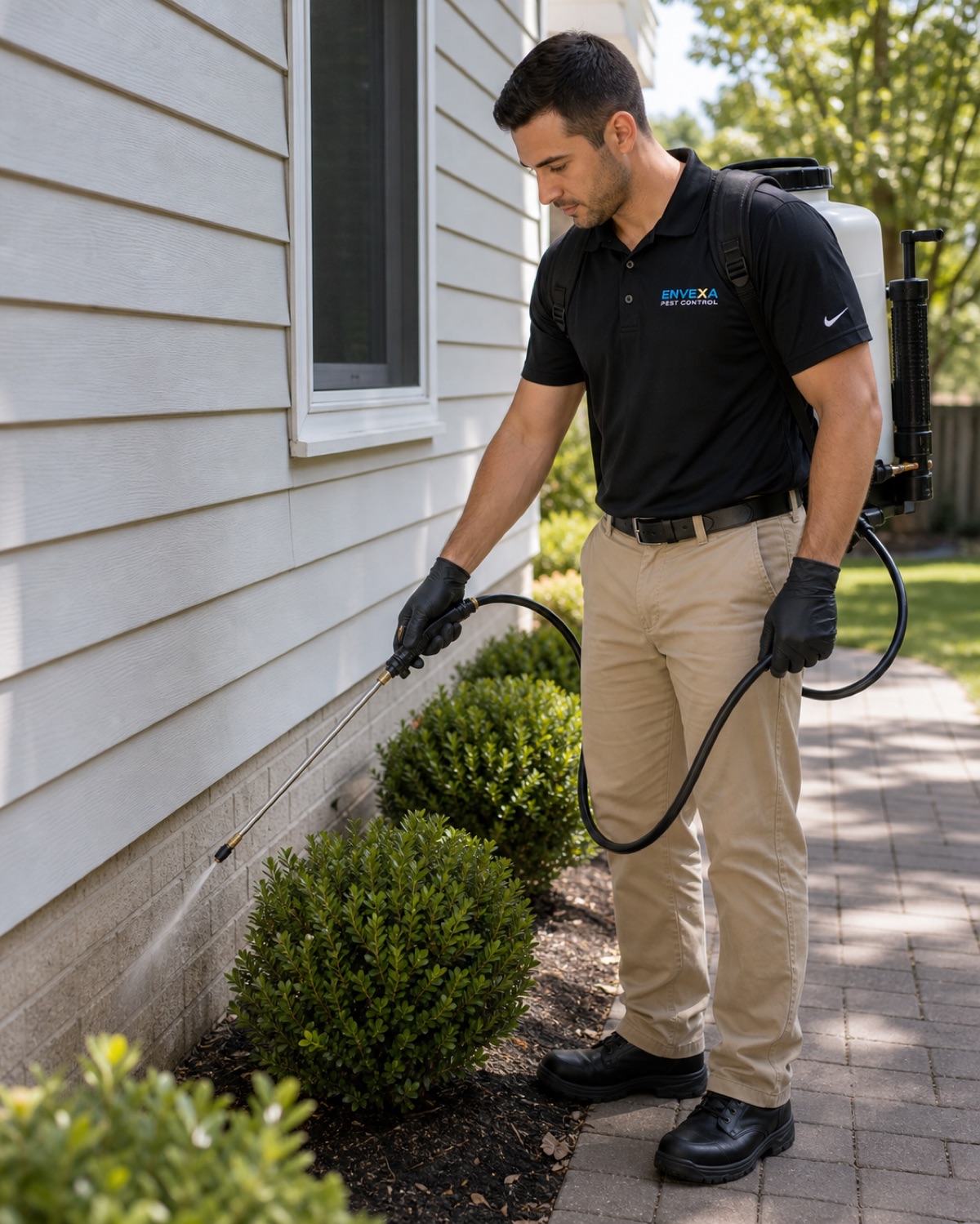
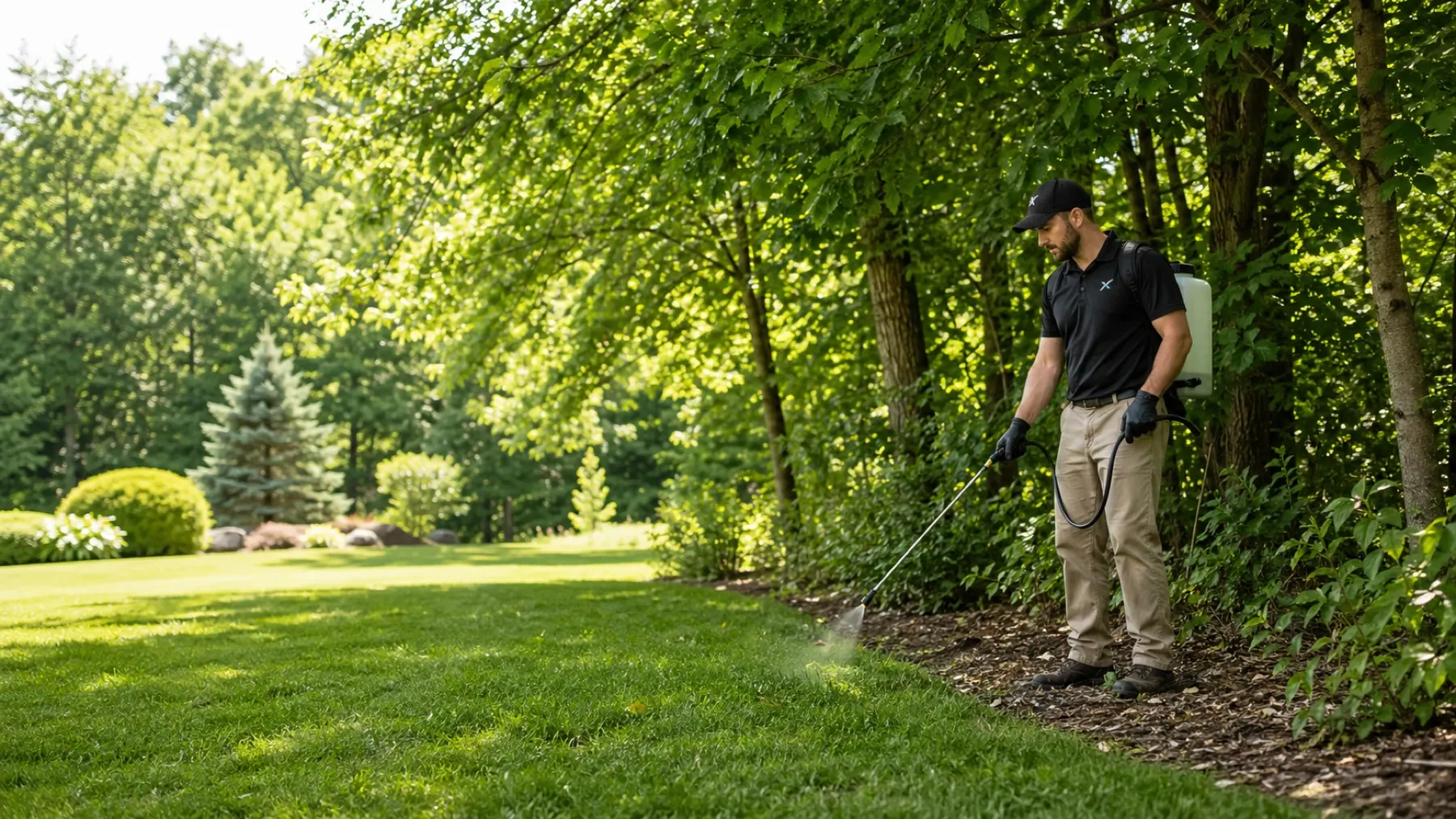
Envexa technician treating exterior yard edges for ticks in Cincinnati
Targeted treatmentTreatment follows the areas most likely to hold tick activity instead of the whole yard blindly.
Family using a protected backyard after tick control service in Cincinnati
Outdoor comfortThe goal is to make the yard safer and more comfortable for routine use.

What Envexa checks first for tick control in Cincinnati.

The first visit should answer where the ticks are coming from and what has to change.

01

Edge habitat

Tree lines, brush, leaf litter, fence rows, and shaded lawn margins are the main review points.

02

Pet routes

Dog paths, play areas, patios, and resting zones help guide treatment priority.

03

Edge pressure

Deer paths, rodents, brush, and shaded cover can keep ticks moving through the property.

How we choose the next tick control step for a Cincinnati home.

Simple problems get simple service. Repeat pressure gets a plan that accounts for the property.

1

Season timing

Service is strongest when timed around active tick months.

2

Yard conditions

Mowing, leaf cleanup, and brush reduction can improve results.

3

Risk reduction

The goal is lower exposure in the areas people and pets use most.

Tick Control in Cincinnati, answered plainly.

Short, direct answers for homeowners comparing local service options.

01

Does Envexa provide tick control in Cincinnati?

Yes. Envexa provides tick control in Cincinnati, Hamilton County, and nearby Greater Cincinnati communities. The inspection and service plan are based on the property conditions, not just the pest name.

02

What does the first tick control visit check?

The first visit looks for active evidence, where activity is coming from, and the conditions that could keep it returning. For this service, that usually means wooded edges, pet routes, leaf litter, brush, shaded lawn margins, deer movement, and the areas people actually use.

03

Is the same treatment used for every Cincinnati home?

No. A home near wooded edges, older foundations, shaded yards, commercial corridors, or water sources may need a different focus than a newer subdivision home. The recommendation changes with what the technician finds.

Tick Control questions in Cincinnati.

Short answers before you schedule service.

How does Envexa inspect for ticks in Cincinnati?
We start by checking edge habitat, pet routes, and edge pressure. The inspection looks at evidence, source areas, and property conditions before a treatment plan is recommended.
Is tick control in Cincinnati a one-time service or a plan?
It depends on the pest, severity, season, and whether the property has repeat pressure. Some issues can be handled as a one-time service, while recurring pest pressure usually needs ongoing protection.
Can Envexa service homes near Cincinnati?
Yes. Envexa serves Cincinnati and nearby Greater Cincinnati communities with residential pest control, mosquito service, rodent work, wildlife removal, and sealing support.