Skip to content
513-822-2692 | Mon-Fri 7am-6pm · Sat 10am-3pm
Envexa
Rodents & WildlifeMice, rats, and animal services
Service LinesCommercial pest, mosquito, wildlife, and exclusion
Rodents, Wildlife & Entry WorkAnimal pressure around facilities
About & ResourcesCompany, coverage, and guides
Get Instant Pricing Request Assessment Call Now
Local Service · Greater Cincinnati

Ant ControlCincinnati, OH

Ant work in Cincinnati starts with the trail source, the moisture or food draw, and the outside route ants are using to reach the home.

Serving Cincinnati, Hamilton County, ZIP 45202, with attention to Cincinnati areas like Over-the-Rhine, Clifton Heights, and Northside.

Licensed technicians
Clear recommendations
Local service notes

Request Ant Control

Free quote. Clear next step. Same-week openings when available.

Your info stays with Envexa.
Apr-Oct
Typical
activity window
4+
Local
identification points
Trail source
First
inspection focus
Covered plans
Service
planning note

What changes an ant control plan in Cincinnati.

Cincinnati homes often see ants move through foundation edges, mulch beds, patios, sill gaps, and kitchen or bath plumbing lines. A good treatment should follow the route back toward the colony instead of only wiping out the ants you can see.

Cincinnati's pest pressure is some of the most varied in Ohio. For ant control, that means we slow down around Over-the-Rhine, Clifton Heights, and Northside and look at trail sources, foundation edges, mulch lines, plumbing routes, moisture, and where the first activity showed up before we talk through a plan. Cincinnati's river valley location means mosquitoes start early (March) and rodent pressure peaks hard in November.

Most ant jobs are not won on the countertop. In Cincinnati, we want to know why that trail chose the room, whether moisture or food is pulling it in, and whether the exterior route is still active.

The end result should feel plain and useful: what we saw, why it matters, and what service path makes sense for the home.

Cincinnati service notes
Start with active evidence at this Cincinnati property, not just the pest name.
Check local pressure points around Over-the-Rhine, Clifton Heights, and Northside: trail sources, foundation edges, mulch lines, plumbing routes, moisture, and where the first activity showed up.
Explain whether the issue looks seasonal, structural, source-driven, or tied to repeat entry.
Leave clear notes for the homeowner, including any Hamilton County conditions that could affect the next visit.

What we watch for around Cincinnati.

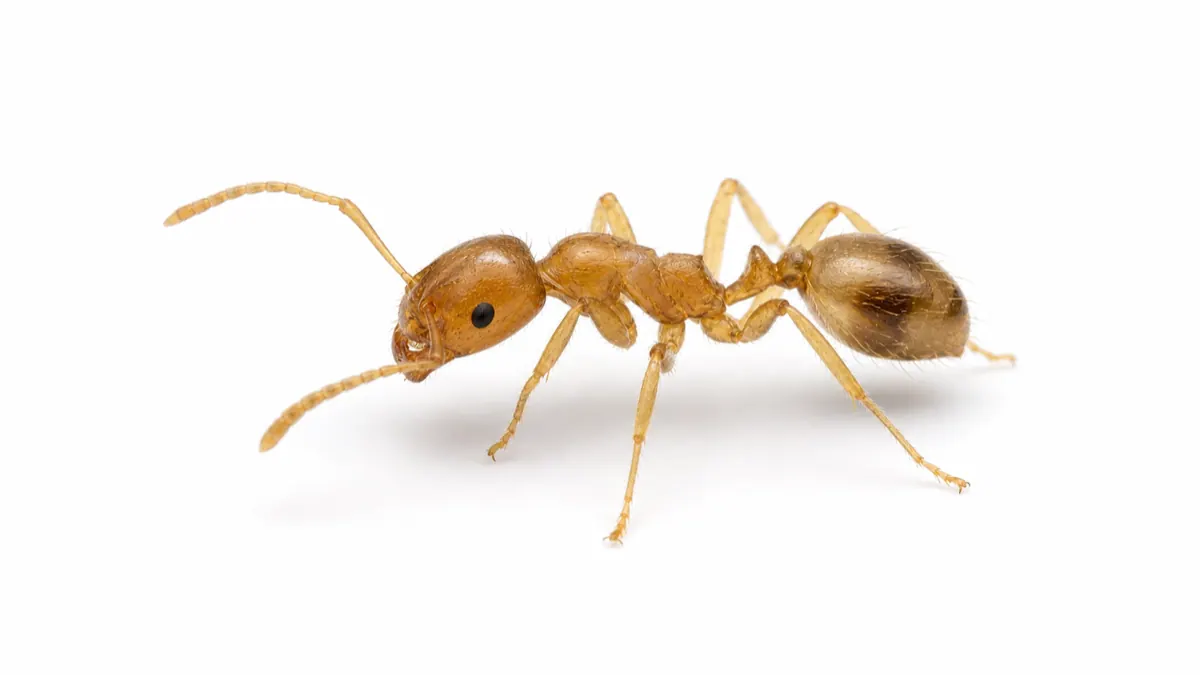
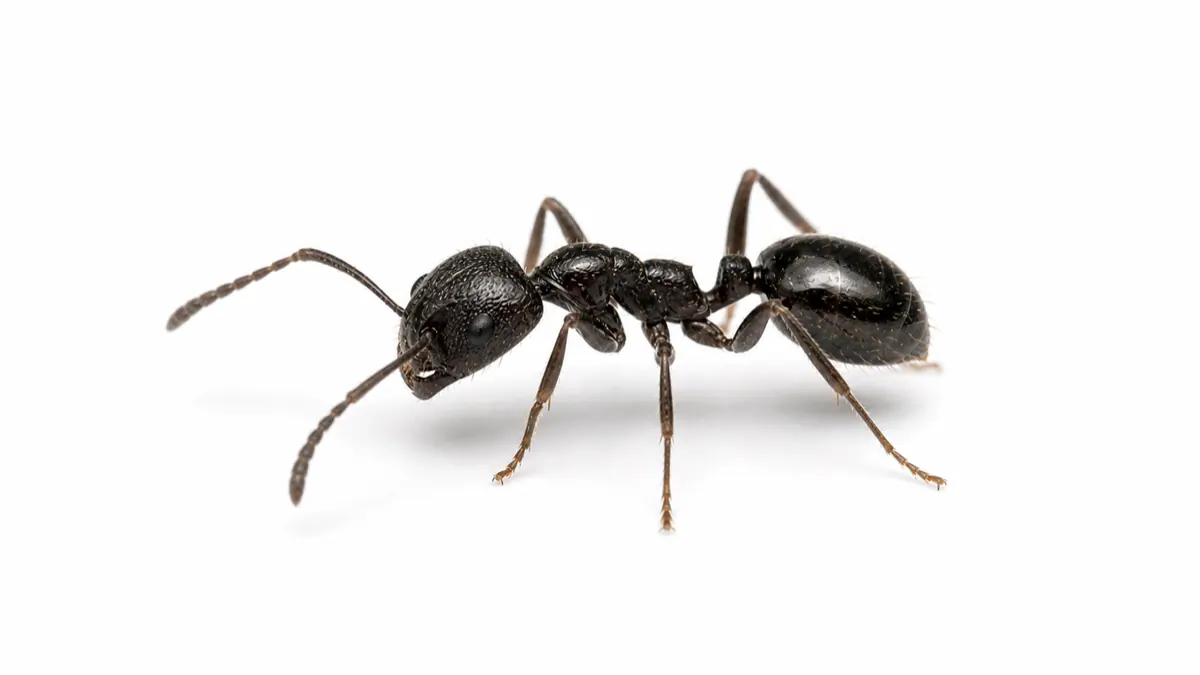
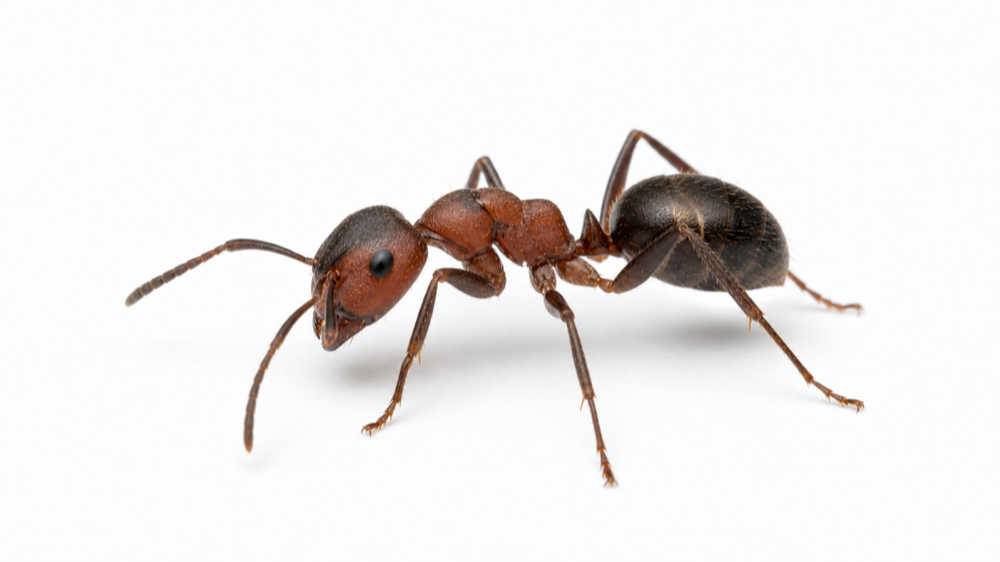
Cincinnati's older housing stock creates year-round ant pressure. Pavement ants dominate slab-foundation homes and sidewalk crack invasions. Odorous house ants ('sugar ants') trail through kitchens in countless homes. Carpenter ants attack water-damaged wood in older Hyde Park, Clifton, and Mt.

Hamilton County's dense urban fabric, older housing stock, and river valley humidity create year-round ant pressure. Foundation cracks in pre-war homes, mature tree canopy, and extensive mulch beds provide ideal colony harborage within feet of exterior walls.

How this affects service
Local pressure is checked against the actual property conditions.
The first visit looks closely at trail sources, foundation edges, mulch lines, plumbing routes, moisture, and where the first activity showed up.
Recommendations stay practical: what we found, what matters, and what to do next.

Why property details matter in Cincinnati.

The right plan depends on the structure, the yard, the pest pressure nearby, and what we find during the inspection.

01

Local property context

Cincinnati service often reflects older foundations, alleys, rental turnover, river humidity, and tight urban lots. We use that context around Over-the-Rhine, Clifton Heights, and Northside and ZIP 45202 to shape the inspection and keep the recommendation grounded in the property.

02

Trail source first

Ant control in Cincinnati is more useful when we connect kitchen or bathroom trails back to foundation edges, mulch, moisture, slab joints, patios, or the exterior route feeding the activity.

03

How the scope changes

A light seasonal trail near Over-the-Rhine, Clifton Heights, and Northside may not need the same plan as repeat kitchen activity, carpenter-ant clues, or moisture that keeps colonies close to the structure.

Ant control starts with trails and source areas.

Ant service should connect what you see indoors with the colony routes, moisture, soil, and exterior conditions that keep trails active.

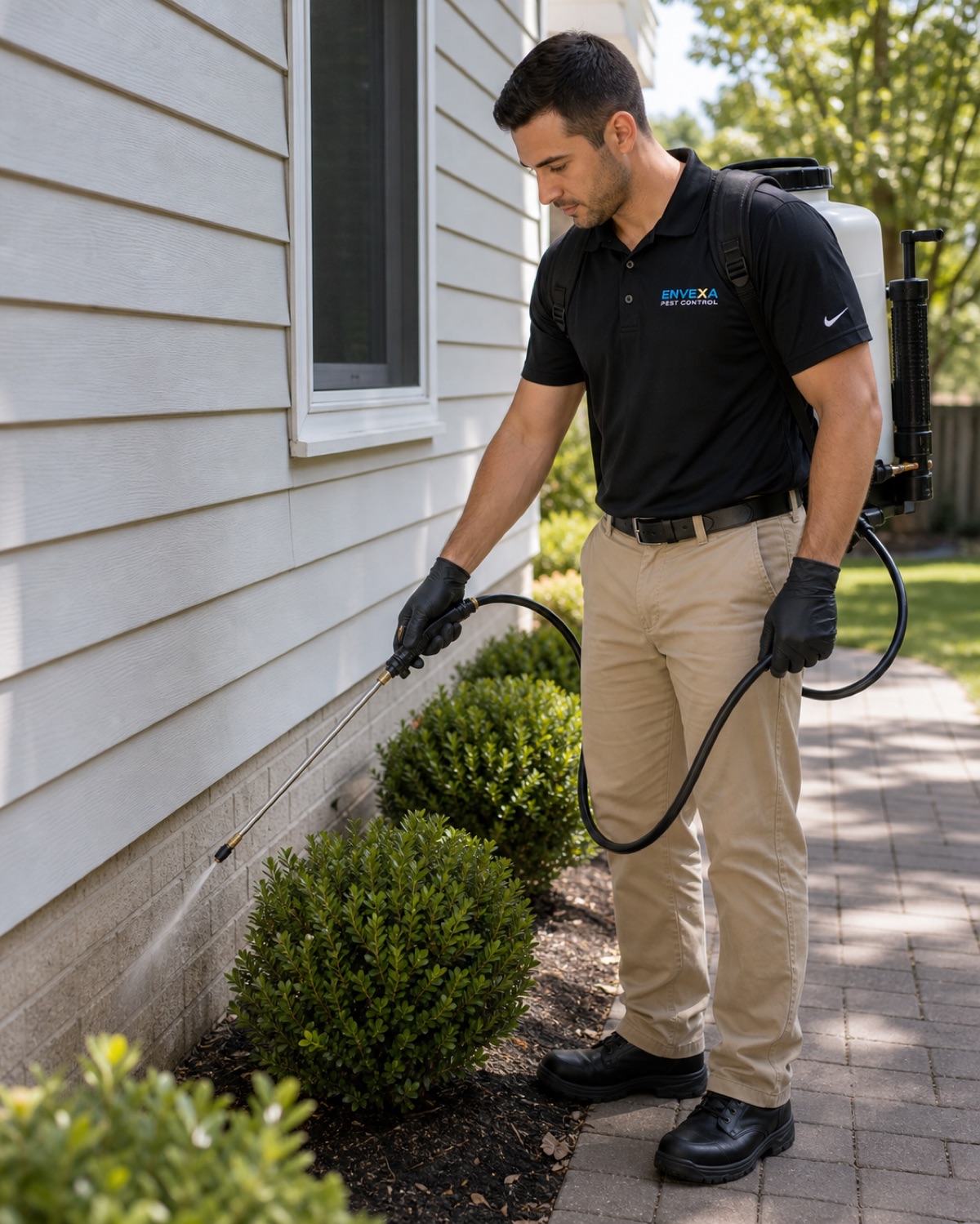
Envexa technician treating foundation edges for ants at a Cincinnati home
Foundation routesSlab edges, mulch beds, patios, windows, and utility lines are common ant travel routes.
Envexa technician reviewing ant control findings with a Cincinnati homeowner
Trail reviewWe connect indoor sightings with exterior pressure so the treatment is not just a quick spot spray.
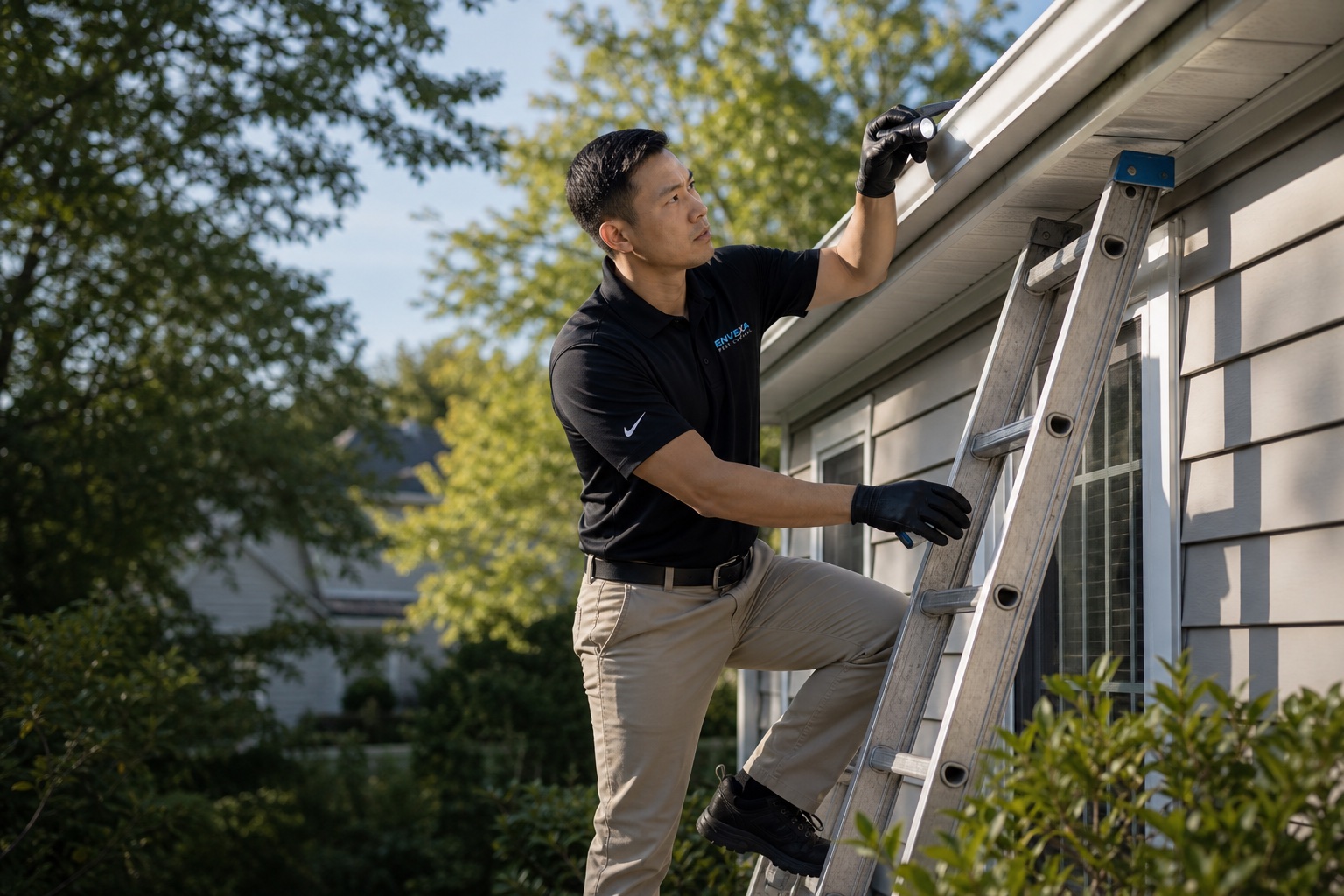
Envexa technician inspecting exterior ant entry points at a Cincinnati home
Entry checkTrim gaps, siding transitions, window edges, and damp exterior details can explain repeat activity.

What Envexa checks first for ant control in Cincinnati.

The first visit should answer where the ants are coming from and what has to change.

01

Trail source

We look for the exterior route, the room where activity started, and the conditions pulling ants inside.

02

Species clue

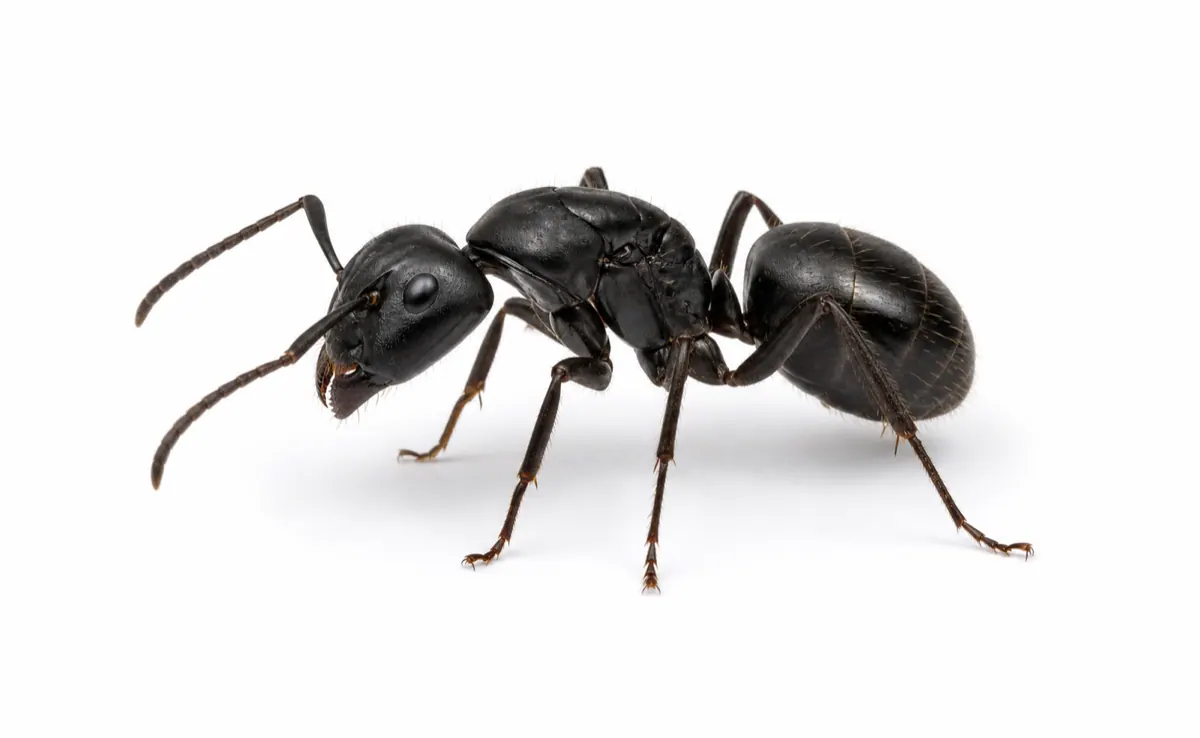
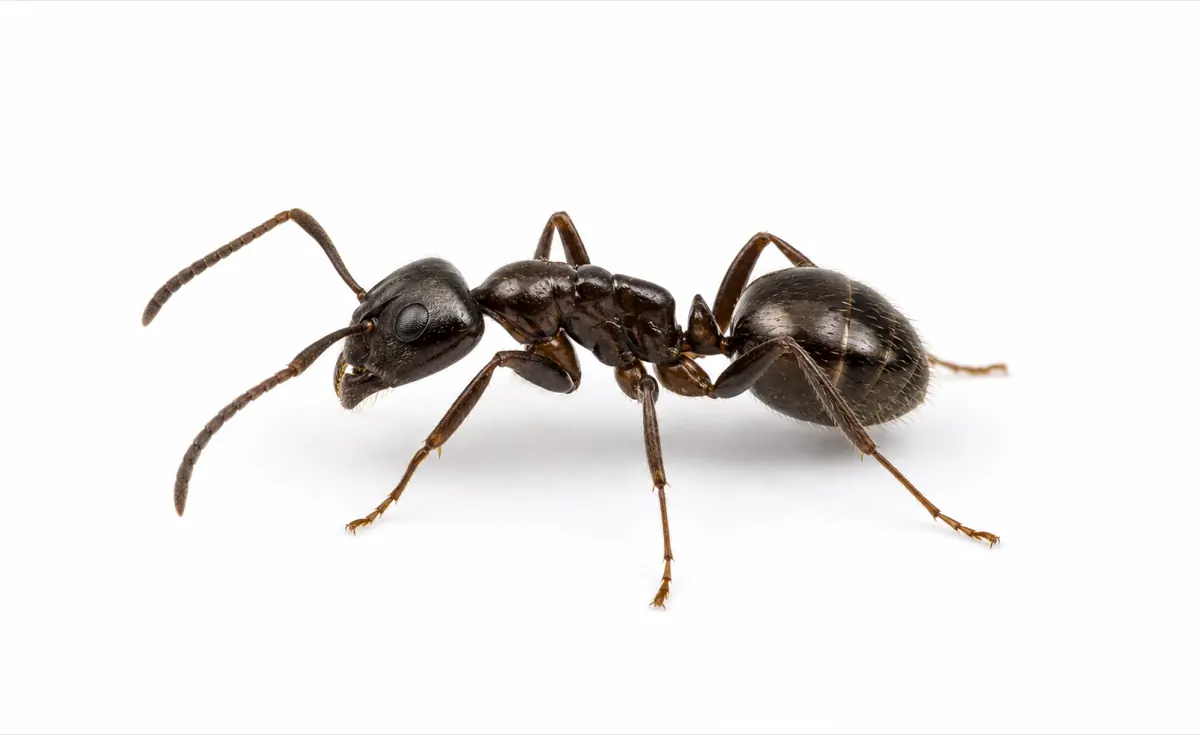
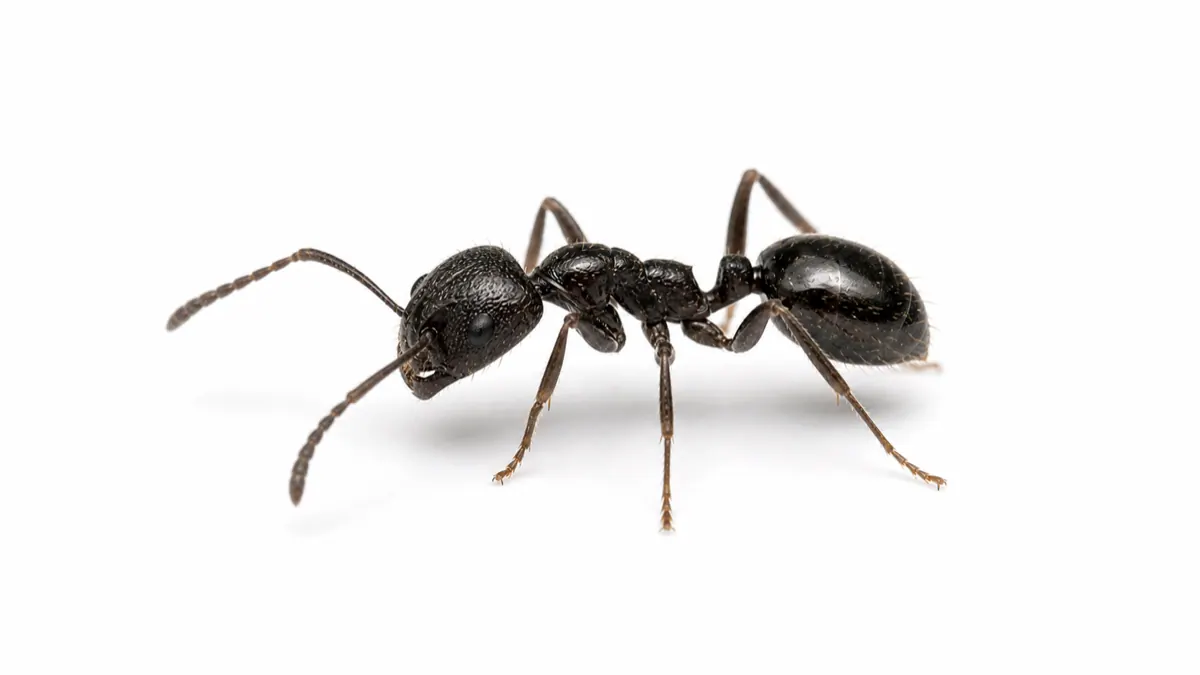
Odorous house ants, pavement ants, carpenter ants, and small nuisance ants do not all respond to the same plan.

03

Moisture and wood

Soft trim, wet mulch, clogged gutters, and wood-to-soil contact can change the service recommendation.

How we choose the next ant control step for a Cincinnati home.

Simple problems get simple service. Repeat pressure gets a plan that accounts for the property.

1

One-time or recurring

Light seasonal trails may be handled differently than repeat kitchen, bath, or foundation activity.

2

Interior need

Many ant jobs begin outside; interior work is added when trails, wall voids, or kitchen activity call for it.

3

Callback logic

Ant colonies can shift after treatment, so follow-up notes matter more than a generic spray.

Ant Control in Cincinnati, answered plainly.

Short, direct answers for homeowners comparing local service options.

01

Does Envexa provide ant control in Cincinnati?

Yes. Envexa provides ant control in Cincinnati, Hamilton County, and nearby Greater Cincinnati communities. The inspection and service plan are based on the property conditions, not just the pest name.

02

What does the first ant control visit check?

The first visit looks for active evidence, where activity is coming from, and the conditions that could keep it returning. For this service, that usually means trail sources, foundation edges, mulch lines, plumbing routes, moisture, and where the first activity showed up.

03

Is the same treatment used for every Cincinnati home?

No. A home near wooded edges, older foundations, shaded yards, commercial corridors, or water sources may need a different focus than a newer subdivision home. The recommendation changes with what the technician finds.

Ant Control questions in Cincinnati.

Short answers before you schedule service.

How does Envexa inspect for ants in Cincinnati?
We start by checking trail source, species clue, and moisture and wood. The inspection looks at evidence, source areas, and property conditions before a treatment plan is recommended.
Is ant control in Cincinnati a one-time service or a plan?
It depends on the pest, severity, season, and whether the property has repeat pressure. Some issues can be handled as a one-time service, while recurring pest pressure usually needs ongoing protection.
Can Envexa service homes near Cincinnati?
Yes. Envexa serves Cincinnati and nearby Greater Cincinnati communities with residential pest control, mosquito service, rodent work, wildlife removal, and sealing support.