
Mosquitoes Field Profile
Asian Tiger Mosquito
Aedes albopictus
Order Diptera / Family Culicidae / Aedes albopictus
Asian tiger mosquitoes are aggressive daytime biters and one of the most homeowner-relevant mosquito species in Ohio. Their power is not a pond or swamp; it is small container water around people, patios, toys, planters, gutters, and shaded yards.
Field ID Snapshot
Asian Tiger Mosquito identification starts with habitat and season.
Confirm Asian tiger mosquito by the black-and-white pattern, single white stripe down the thorax, daytime biting, and container-breeding source pattern.
White-banded legs and a white thorax stripe help separate it from plainer mosquitoes.
Bites often happen in shaded yards, patios, and around ankles during the day.
Bottle caps, toys, buckets, saucers, tires, and gutters can produce adults.
Many problems are produced nearby, which makes property-level source reduction powerful.
Eggs can wait on container walls until rain refills the site.
Dense vegetation and shade help adults rest between bites.
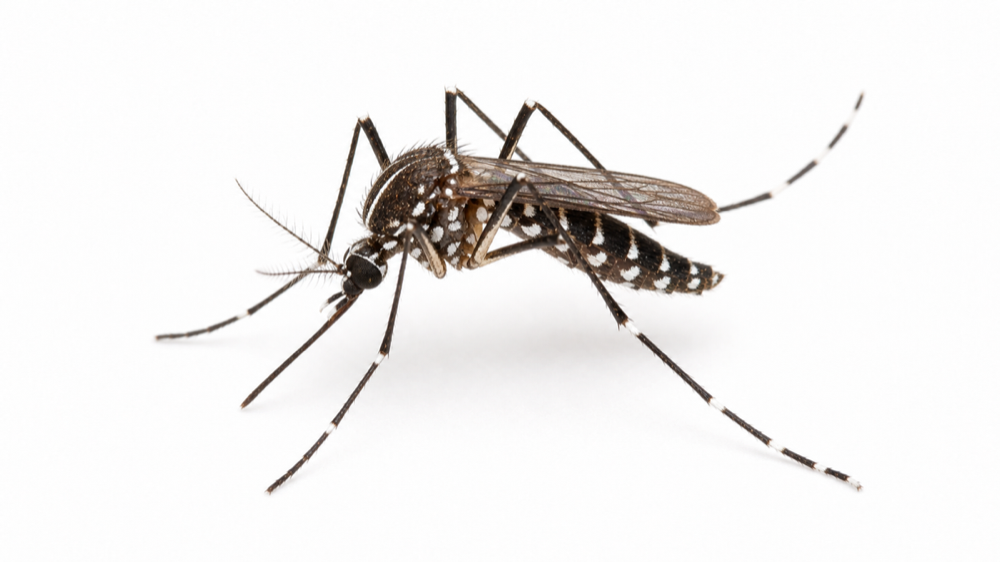 Macro view
Macro viewStart with the actual specimen.
Use the macro photo to slow the identification down: body shape, proportions, color pattern, and visible structures should match before the location clues are weighed.
Field evidenceField evidenceThen match the source pattern.
The strongest ID pairs black with white markings with a source that makes sense: containers, shaded yards. Then compare against similar pests in the library; a better match should shift the identification.
Clues that make asian tiger mosquito more likely.
- Small black mosquito with white striping and a white line on the thorax.
- Aggressive daytime biting around shaded patios, decks, play areas, and ankles.
- Tiny container water sources such as toys, buckets, plant saucers, tires, gutters, or lids.
- Pressure returning quickly after rain even when no pond or creek is nearby.
Clues that point away from asian tiger mosquito.
- Dusk or night biting tied to storm drains or organic water points more toward Culex house mosquitoes.
- Huge surges after flooding or low-area standing water point toward floodwater mosquitoes.
- Wooded tree-hole sources without the strong day-biting yard pattern may point toward tree-hole mosquitoes.
- Large crane flies and midges do not bite like mosquitoes.
Lookalike Comparison
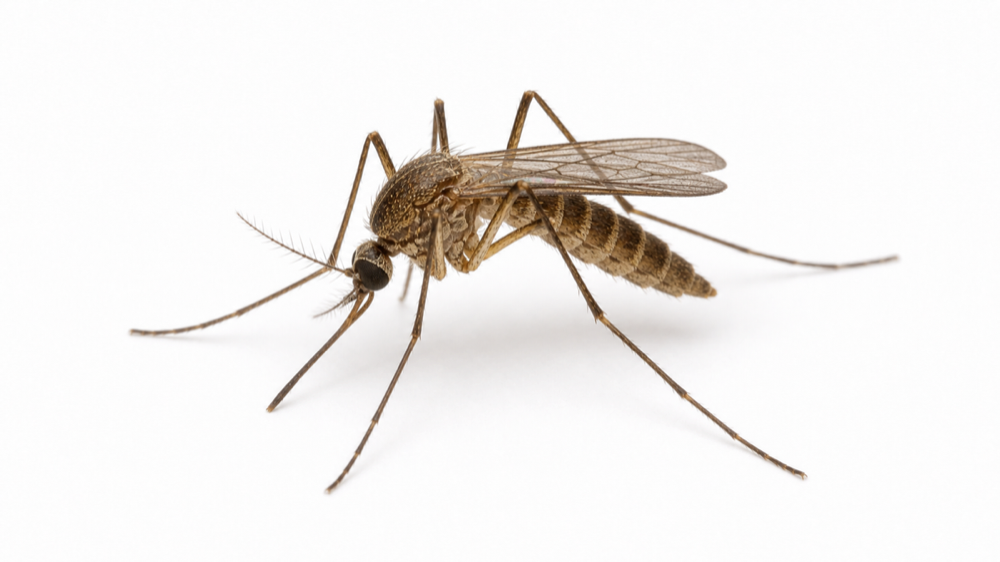
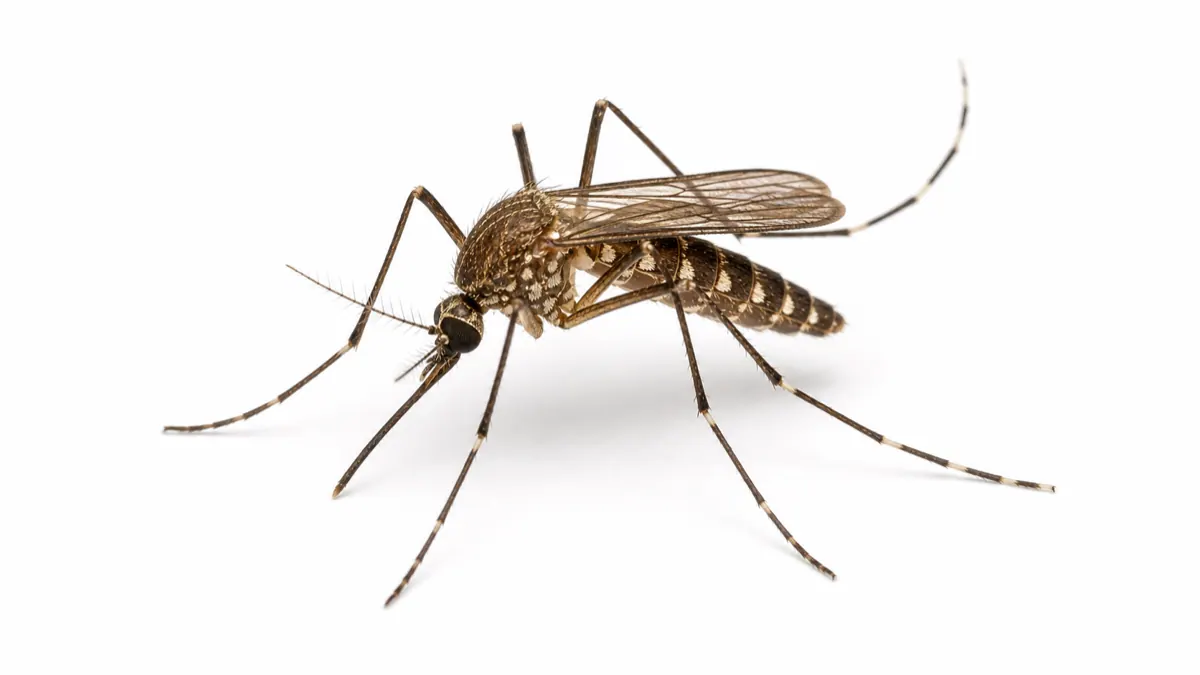
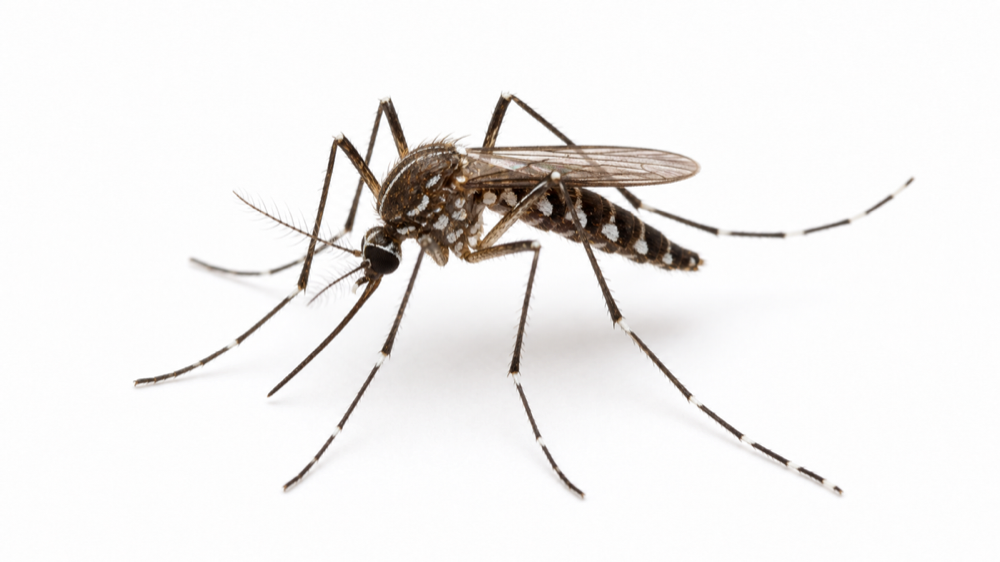
Lookalikes to compare with Asian Tiger Mosquito.
Biting time, breeding water, shade, and body markings help narrow what is active around the yard.
Biology And Behavior
Asian tiger mosquito pressure comes from tiny water near people.
Asian tiger mosquitoes use small water-holding objects as nurseries, then rest in nearby shade and bite during the day. That is why one overlooked toy, saucer, gutter elbow, or tire can make a patio feel unusable.
Specimen ReferenceAsian Tiger MosquitoAedes albopictus
Small artificial containers are the most important breeding sites.
They are more likely than many mosquitoes to bite during daylight.
Source reduction must happen repeatedly because rain refills containers.
Nesting, Habitat, And Food
Where Asian Tiger Mosquito activity usually starts.
Decks, furniture, planters, toys, and stored items create source and resting sites.
Clogged gutters and corrugated drains can produce adults out of sight.
Dense shaded plants give adults cool resting zones.
Seasonal Activity
When Asian Tiger Mosquito pressure is most visible locally.
Asian tiger mosquito pressure in Cincinnati rises through warm months, especially after rain repeatedly refills small containers around shaded yards.
Activity WindowMar through Oct
JanFebMarAprMayJunJulAugSepOctNovDec
Control Logic
How a technician reads Asian Tiger Mosquito activity.
Good Asian tiger mosquito work pairs yard source reduction with treatment of adult resting zones. Without weekly container checks, barrier treatment has to fight new adults over and over.
Confirm the breeding and resting areas.
- Track where Asian Tiger Mosquito is appearing before treatment.
- Reduce moisture, clutter, food access, or exterior harborage where possible.
- Avoid heavy DIY spray use when identification is uncertain.
- Use the service page or quote form when activity repeats or spreads.
Why mosquito work follows shade, water, and use.
- Confirm the Asian Tiger Mosquito identification before choosing products or methods.
- Inspect Containers, shaded yards and surrounding entry routes.
- Match the treatment plan to the source condition, not just visible activity.
- Document recommendations so prevention steps are clear after service.
Keep Comparing
Profiles to compare with Asian Tiger Mosquito.
Sources & Further Reading
Asian Tiger Mosquito references used for this profile.
These references support mosquito identification, breeding habitat, and seasonal pressure notes.
Reference 01Ohio State University Extension
Ohio-specific Asian tiger mosquito identification, range, and container-breeding guidance.
Reference 02CDC Aedes Life CycleAedes container egg, larva, pupa, and adult life-cycle reference.
Reference 03Clemson Cooperative ExtensionAsian tiger mosquito behavior, breeding sites, and homeowner control background.
Reference 04CDC Mosquito Control at HomeContainer removal, covering, and home mosquito-control recommendations.
Need Confirmation?
Need help confirming Asian Tiger Mosquito?
Mosquito problems are easier to solve when the treatment follows how the yard or property is actually used.