
Mosquitoes Field Profile
Northern House Mosquito
Culex pipiens
Order Diptera / Family Culicidae / Culex pipiens
Northern house mosquitoes are plainer-looking Culex mosquitoes, but they matter because of West Nile virus ecology and their ability to breed in stagnant organic water around neighborhoods, storm drains, catch basins, bird baths, and containers.
Field ID Snapshot
Northern House Mosquito identification starts with habitat and season.
Confirm northern house mosquito by Culex-style brown appearance, dusk-to-night activity, egg rafts on standing water, and breeding sites with stagnant or organic water rather than clean tiny Aedes containers only.
It lacks the bold black-and-white tiger pattern of Aedes albopictus.
Culex pressure is often noticed around evening outdoor activity.
Culex mosquitoes lay egg rafts directly on standing water.
Storm drains, catch basins, bird baths, and polluted containers are common sources.
Culex mosquitoes are important in bird-to-mosquito transmission cycles.
Protected winter shelter can help local populations restart.
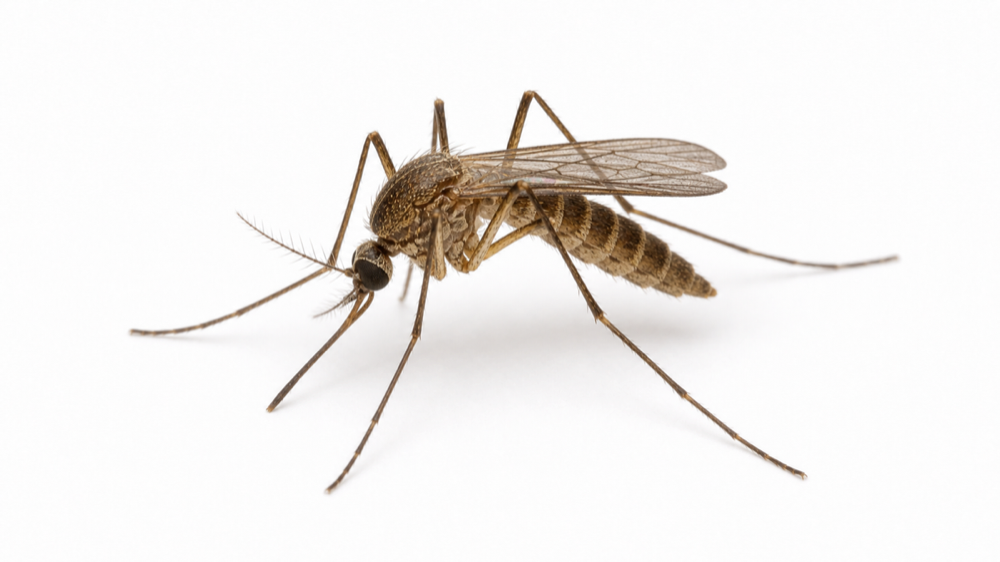 Macro view
Macro viewStart with the actual specimen.
Use the macro photo to slow the identification down: body shape, proportions, color pattern, and visible structures should match before the location clues are weighed.
Field evidenceField evidenceThen match the source pattern.
The strongest ID pairs plain brown mosquito with a source that makes sense: storm drains, stagnant water. Then compare against similar pests in the library; a better match should shift the identification.
Clues that make northern house mosquito more likely.
- Plain brown mosquitoes active around dusk, evening, or nighttime outdoor use.
- Stagnant water in storm drains, catch basins, bird baths, buckets, ornamental water, or organic containers.
- Egg rafts floating on water rather than eggs stuck above the water line.
- Neighborhood pressure that fits drainage and stagnant-water systems.
Clues that point away from northern house mosquito.
- Bold black-and-white daytime ankle biters point toward Asian tiger mosquitoes.
- Explosive activity after flooded fields, ditches, or low spots points toward floodwater mosquitoes.
- Tree holes and wooded shade may point toward tree-hole mosquitoes.
- Crane flies, midges, and fungus gnats do not have the same biting behavior.
Lookalike Comparison
Lookalikes to compare with Northern House Mosquito.
Biting time, breeding water, shade, and body markings help narrow what is active around the yard.
Biology And Behavior
Northern house mosquito pressure follows stagnant organic water.
Culex pipiens females lay egg rafts on standing water, especially where organic matter supports larval development. Around homes, the question is whether the source is on-site containers, bird baths, drains, or broader neighborhood stormwater.
Specimen ReferenceNorthern House MosquitoCulex pipiens
Eggs float together on the water surface.
Evening activity helps separate it from daytime Aedes pressure.
Culex mosquitoes are important in local arbovirus surveillance.
Nesting, Habitat, And Food
Where Northern House Mosquito activity usually starts.
Neighborhood infrastructure can produce pressure beyond one yard.
Bird baths, buckets, and water features need regular cleaning.
Adults use cool sheltered areas between feeding and egg laying.
Seasonal Activity
When Northern House Mosquito pressure is most visible locally.
Northern house mosquito pressure in Cincinnati is warm-season and often builds around stagnant water that remains after rain, especially as evening biting increases.
Activity WindowMar through Oct
JanFebMarAprMayJunJulAugSepOctNovDec
Control Logic
How a technician reads Northern House Mosquito activity.
Good northern house mosquito control combines standing-water removal, drain and basin awareness, larvicide where water cannot be removed, and adult resting-zone treatment near living areas.
Confirm the breeding and resting areas.
- Track where Northern House Mosquito is appearing before treatment.
- Reduce moisture, clutter, food access, or exterior harborage where possible.
- Avoid heavy DIY spray use when identification is uncertain.
- Use the service page or quote form when activity repeats or spreads.
Why mosquito work follows shade, water, and use.
- Confirm the Northern House Mosquito identification before choosing products or methods.
- Inspect Storm drains, stagnant water and surrounding entry routes.
- Match the treatment plan to the source condition, not just visible activity.
- Document recommendations so prevention steps are clear after service.
Keep Comparing
Profiles to compare with Northern House Mosquito.
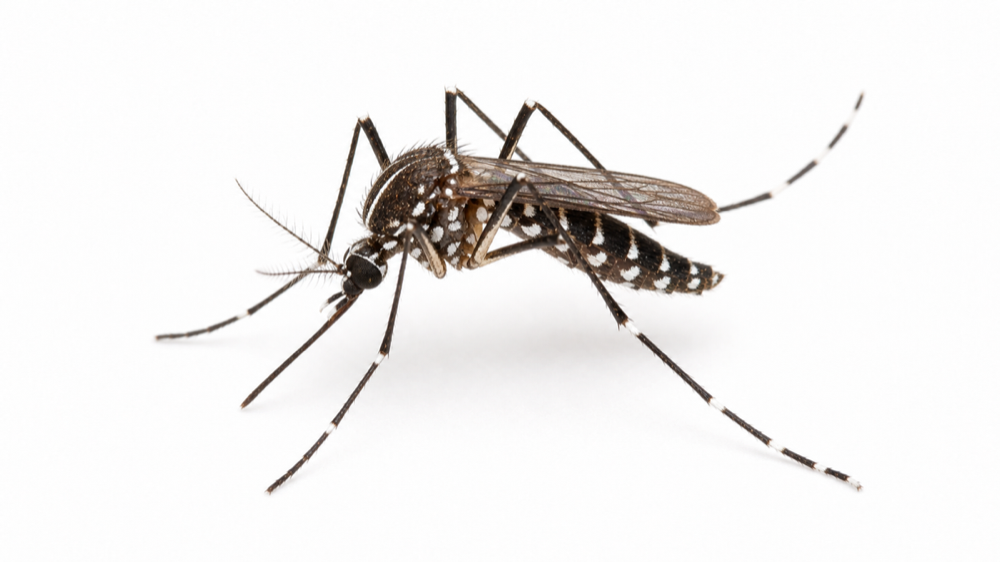
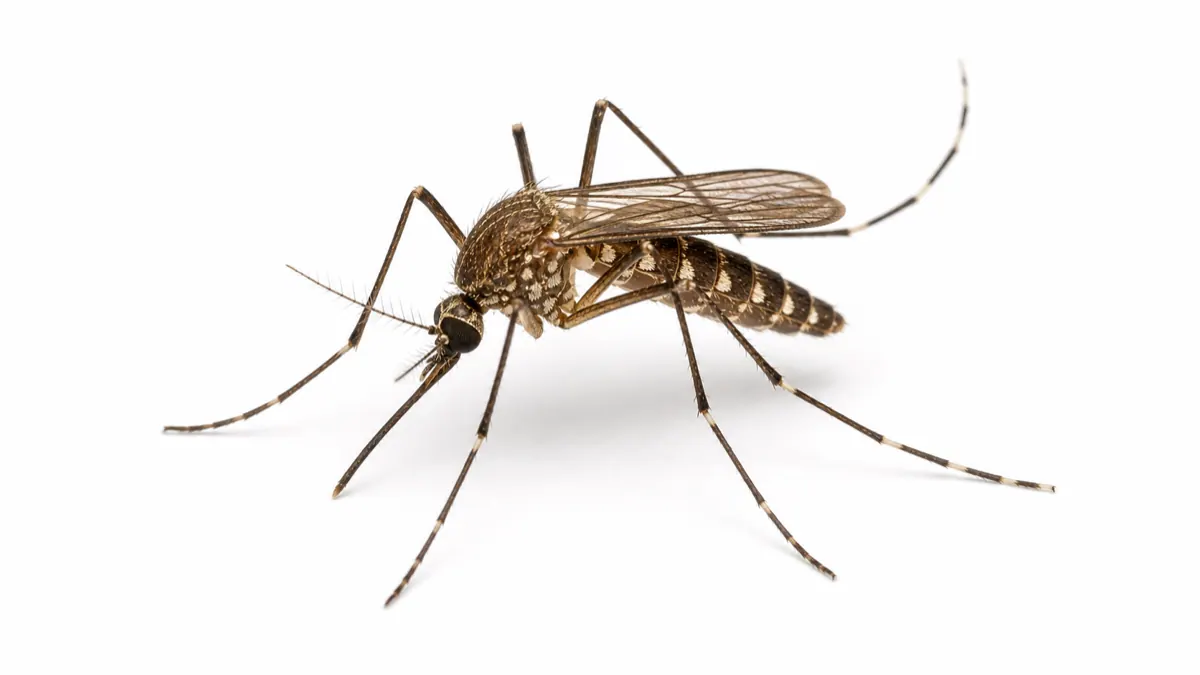
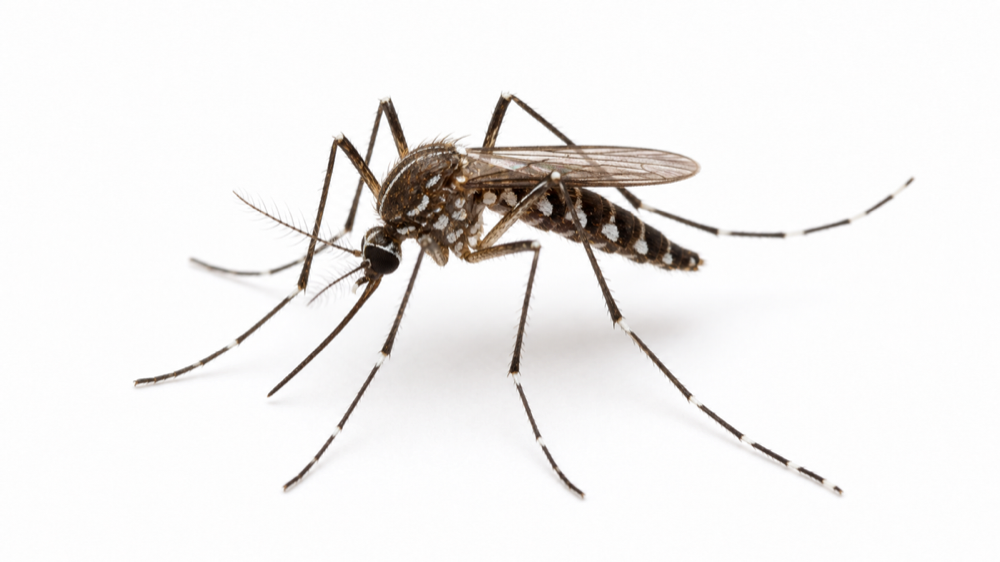
Sources & Further Reading
Northern House Mosquito references used for this profile.
These references support mosquito identification, breeding habitat, and seasonal pressure notes.
Reference 01University of Florida IFAS
Northern house mosquito taxonomy, distribution, biology, and vector context.
Reference 02U.S. Fish & Wildlife ServiceTaxonomy and species reference for Culex pipiens.
Reference 03Purdue ExtensionWest Nile virus and Culex vector context for the region.
Reference 04CDC Mosquito Control at HomeHome standing-water and mosquito-control recommendations.
Need Confirmation?
Need help confirming Northern House Mosquito?
Mosquito problems are easier to solve when the treatment follows how the yard or property is actually used.