
Mosquitoes Field Profile
Tree Hole Mosquito
Aedes triseriatus
Order Diptera / Family Culicidae / Aedes triseriatus
Tree-hole mosquitoes connect mosquito pressure to mature shade, wooded lots, and hidden natural cavities. They breed in water-filled tree holes, but they can also use shaded containers such as tires and other small water pockets.
Field ID Snapshot
Tree Hole Mosquito identification starts with habitat and season.
Confirm tree-hole mosquito pressure by wooded shade, tree cavities, shaded artificial containers, and Aedes-style breeding in small water pockets rather than open stormwater only.
Natural cavities in mature trees are the classic larval site.
Tires and shaded objects can mimic tree-hole habitat.
Mature trees, creek corridors, and shaded lots raise suspicion.
Eggs can persist in dry cavities until water returns.
Aedes triseriatus is associated with La Crosse encephalitis ecology.
The source can be above eye level or inside a cavity.
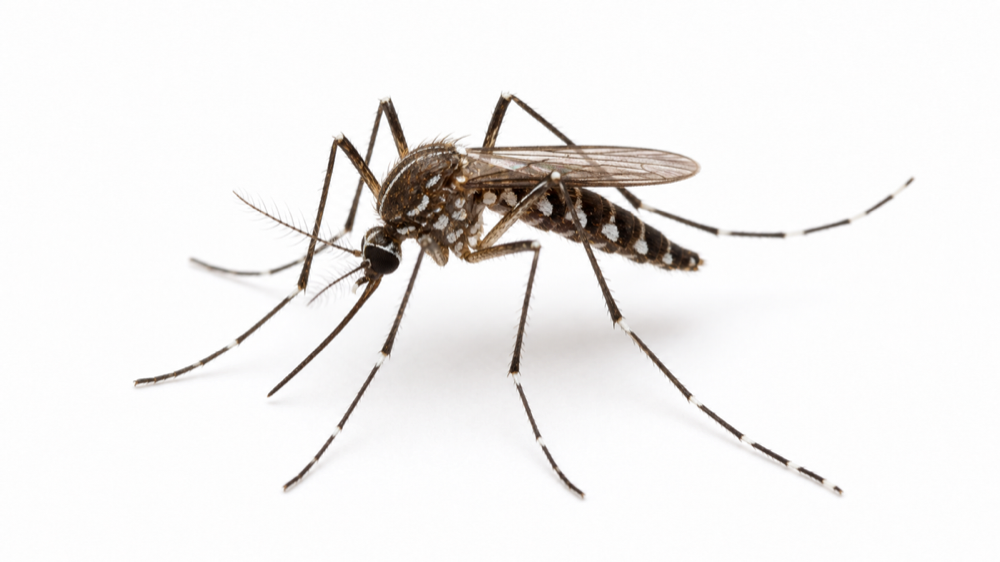 Macro view
Macro viewStart with the actual specimen.
Use the macro photo to slow the identification down: body shape, proportions, color pattern, and visible structures should match before the location clues are weighed.
Field evidenceField evidenceThen match the source pattern.
The strongest ID pairs water-filled tree holes with a source that makes sense: tree holes, shaded containers. Then compare against similar pests in the library; a better match should shift the identification.
Clues that make tree hole mosquito more likely.
- Mosquito pressure around mature trees, shaded wooded lots, or creek-edge yards.
- Water-filled tree holes, rot pockets, stumps, tires, or shaded containers.
- Activity where obvious ground containers have already been removed.
- Repeated pressure in shaded yards with natural cavities.
Clues that point away from tree hole mosquito.
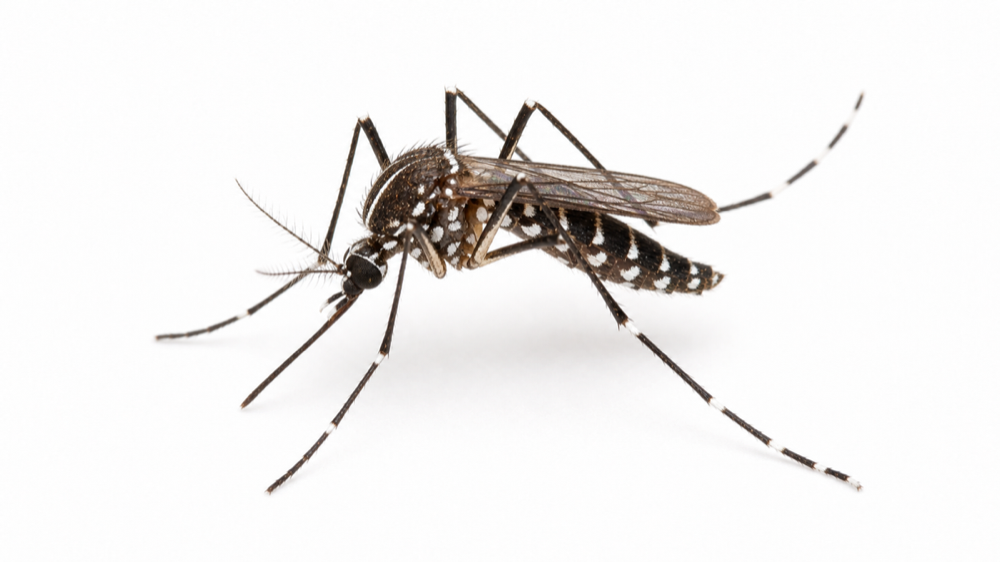
- Bold black-and-white daytime biting around patio containers points toward Asian tiger mosquitoes.
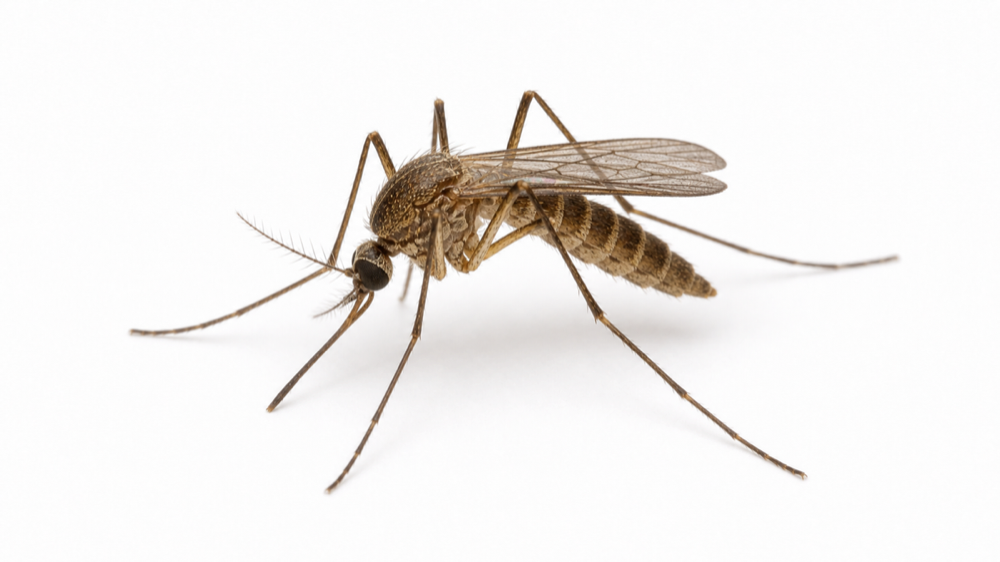
- Dusk pressure from storm drains and organic water points toward northern house mosquitoes.
- Neighborhood-wide surges after flooding point toward floodwater mosquitoes.
- Large non-biting crane flies should not be confused with mosquitoes.
Lookalike Comparison
Lookalikes to compare with Tree Hole Mosquito.
Biting time, breeding water, shade, and body markings help narrow what is active around the yard.
Biology And Behavior
Tree-hole mosquito pressure hides in shaded cavities.
Tree-hole mosquitoes use natural water pockets that many homeowners never think to inspect. In older Cincinnati neighborhoods with mature tree canopy, shaded cavities and tire-like containers can keep mosquito pressure close to patios and play areas.
Specimen ReferenceTree Hole MosquitoAedes triseriatus
Water-filled holes and rot pockets are the signature source.
Discarded tires and shaded objects can act like artificial tree holes.
Source checks need to include mature trees, stumps, and hidden shaded water.
Nesting, Habitat, And Food
Where Tree Hole Mosquito activity usually starts.
Inspect crotches, wounds, stumps, and hollows that hold water.
Leafy, shaded items can hold organic water long enough for larvae.
Mature canopy and creek corridors can support recurring pressure.
Seasonal Activity
When Tree Hole Mosquito pressure is most visible locally.
Tree-hole mosquitoes are a warm-season concern in Cincinnati, especially in shaded mature yards where water returns to cavities after rain.
Activity WindowMar through Oct
JanFebMarAprMayJunJulAugSepOctNovDec
Control Logic
How a technician reads Tree Hole Mosquito activity.
Good tree-hole mosquito control includes ordinary container dumping plus cavity checks, filling or draining tree holes where appropriate, treating non-removable water, and managing shaded adult resting zones.
Confirm the breeding and resting areas.
- Track where Tree Hole Mosquito is appearing before treatment.
- Reduce moisture, clutter, food access, or exterior harborage where possible.
- Avoid heavy DIY spray use when identification is uncertain.
- Use the service page or quote form when activity repeats or spreads.
Why mosquito work follows shade, water, and use.
- Confirm the Tree Hole Mosquito identification before choosing products or methods.
- Inspect Tree holes, shaded containers and surrounding entry routes.
- Match the treatment plan to the source condition, not just visible activity.
- Document recommendations so prevention steps are clear after service.
Keep Comparing
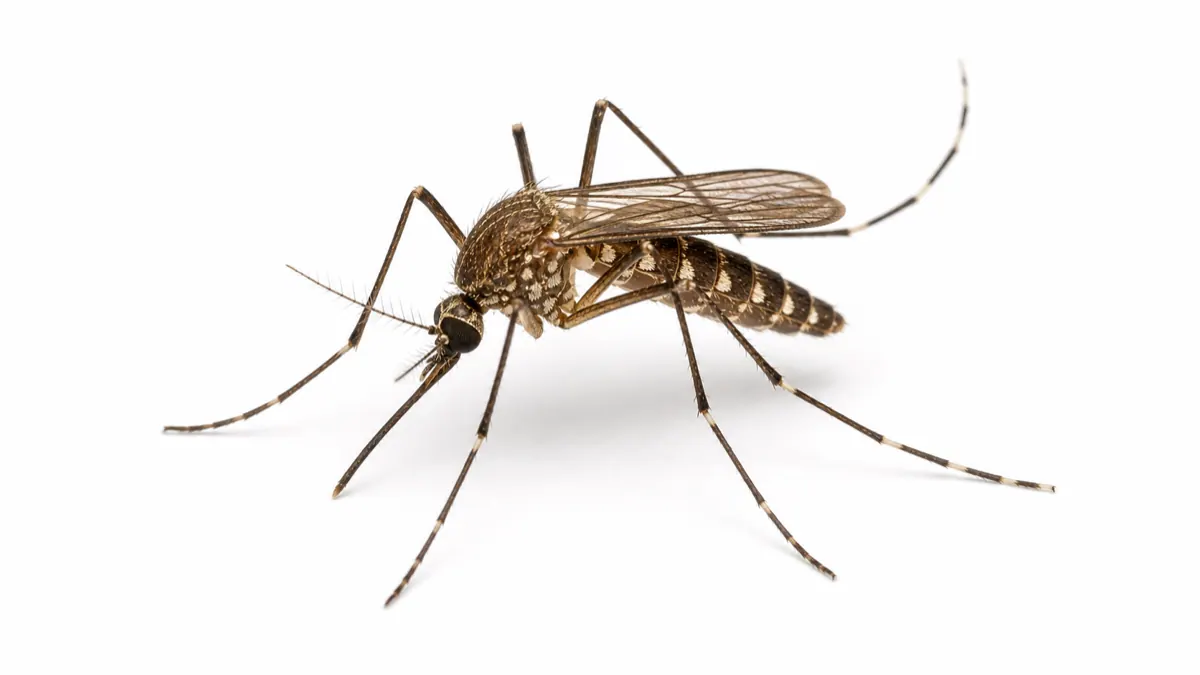
Profiles to compare with Tree Hole Mosquito.
Sources & Further Reading
Tree Hole Mosquito references used for this profile.
These references support mosquito identification, breeding habitat, and seasonal pressure notes.
Reference 01U.S. Fish & Wildlife Service
Taxonomy and species reference for Aedes triseriatus.
Reference 02Indiana Department of HealthTree-hole mosquito breeding sites, disease context, and prevention guidance.
Reference 03CDC Mosquito Control at HomeTree-hole and container water reduction guidance.
Reference 04CDC Aedes Life CycleAedes egg and aquatic-stage life-cycle reference.
Need Confirmation?
Need help confirming Tree Hole Mosquito?
Mosquito problems are easier to solve when the treatment follows how the yard or property is actually used.