
Specialty Field Profile
Blow Fly
Calliphoridae
Order Diptera / Family Calliphoridae
Blow flies often signal a strong organic source. Metallic adults appearing suddenly indoors can point to garbage, animal remains, or a hidden dead-animal issue.
Field ID Snapshot
Blow Fly identification starts with the breeding source.
Use body traits, activity pattern, location, and season together before calling it Blow Fly. One clue by itself is rarely enough for confident identification.
Use this clue with body shape, location, and repeat activity before deciding on the identification.
This is the inspection path most likely to explain repeat pressure around Cincinnati homes.
The lookalike check keeps the profile educational instead of guessing from color alone.
Start with body shape and visible field marks before relying on where it was found.
Movement, feeding, nesting, or hiding behavior should support the visual identification.
Repeat activity in this zone matters more than a single isolated sighting.
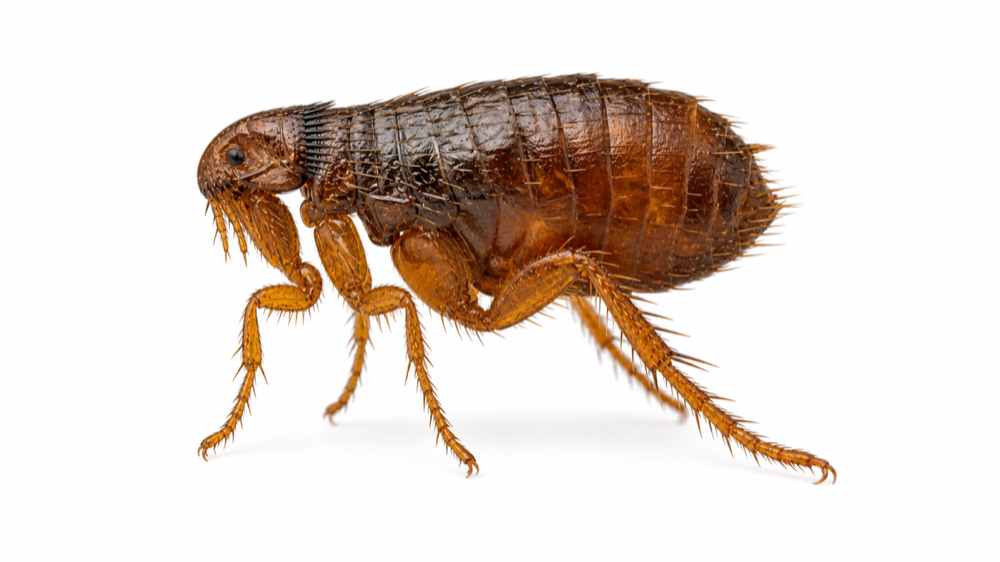
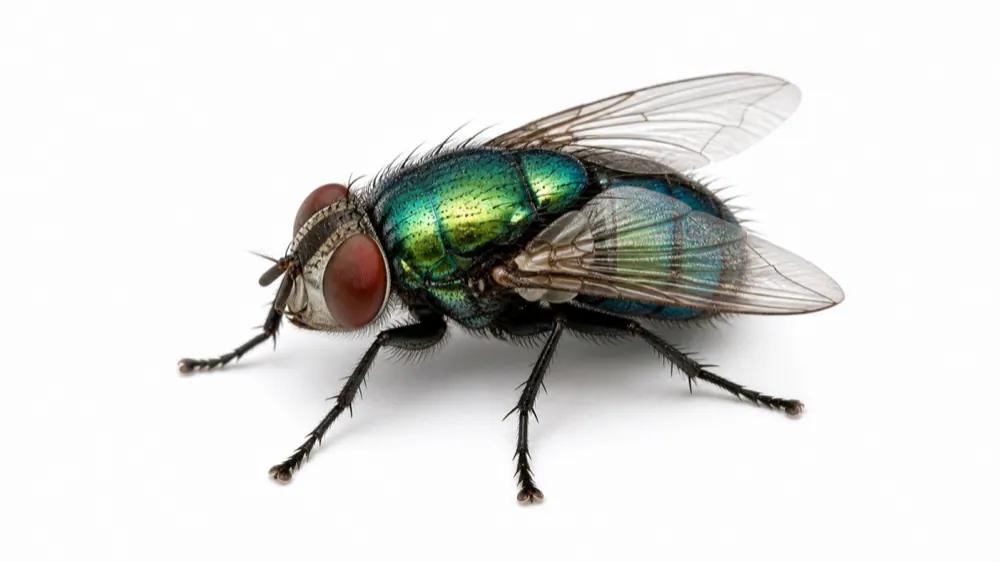 Macro view
Macro viewStart with the actual specimen.
Use the macro photo to slow the identification down: body shape, proportions, color pattern, and visible structures should match before the location clues are weighed.
Field evidenceField evidenceThen match the source pattern.
The strongest ID pairs metallic blue or green source-driven flies with a source that makes sense: garbage, animal remains, dumpsters, dead rodents, and sanitation sources. Then compare against house flies, cluster flies, and green bottle flies; a better match should shift the identification.
Clues that make blow fly more likely.
- Metallic blue or green source-driven flies around garbage, dead animals, dumpsters makes Blow Fly more likely.
- Evidence should repeat in the same route, nest, room, material, or habitat instead of appearing as one isolated sighting.
- The source pattern should connect to garbage, animal remains, dumpsters, dead rodents, and sanitation sources.
- Season and location should agree with the biology of Blow Fly.
Clues that point away from blow fly.
- Evidence tied to house flies, cluster flies, and green bottle flies should be checked before calling it blow fly.
- A single photo without size, location, season, or source context is weaker than repeat evidence.
- If the activity source is not connected to garbage, animal remains, dumpsters, dead rodents, and sanitation sources, another profile may fit better.
- Gnats, mosquitoes, and moths can look similar until body shape and source are checked.
Lookalike Comparison
Lookalikes to compare with Blow Fly.
Body shape, room, moisture, drains, trash, plants, and food sources point to the correct fly problem.
Biology And Behavior
Blow Fly biology is source-driven.
Blow fly larvae develop in carrion and decaying organic material. Finding the source is the real inspection target.
Specimen ReferenceBlow FlyCalliphoridae
The most reliable identification comes from matching the visible pest to repeat evidence.
The source explains why the pest is present and what needs to change.
Similar pests can require very different inspection or service decisions.
Nesting, Habitat, And Food
Where Blow Fly activity usually starts.
Start where activity repeats, then work outward to the source.
This condition or habitat keeps activity active around the structure.
Use this comparison before choosing a control path.
Seasonal Activity
When Blow Fly pressure is most visible locally.
Blow Fly is most likely to be noticed during mar through oct in Greater Cincinnati. Weather, moisture, shelter, and property conditions can shift that window earlier or later.
Activity WindowMar through Oct
JanFebMarAprMayJunJulAugSepOctNovDec
Control Logic
How a technician reads Blow Fly activity.
Good blow fly work starts by confirming metallic blue or green source-driven flies, tracing it to garbage, animal remains, dumpsters, dead rodents, and sanitation sources, and ruling out house flies, cluster flies, and green bottle flies before choosing products, exclusion, sanitation, or follow-up.
Find the source before treating adults.
- Photograph or save evidence of metallic blue or green source-driven flies before cleaning, sealing, or disturbing the area.
- Check the likely source zones: garbage, animal remains, dumpsters, dead rodents, and sanitation sources.
- Compare against house flies, cluster flies, and green bottle flies before assuming the identification is settled.
- Reduce the condition that supports activity, then watch whether the same route or source reappears.
Why fly control starts with breeding material.
- Confirm metallic blue or green source-driven flies with body traits, site evidence, season, and repeat activity.
- Trace the pressure back to garbage, animal remains, dumpsters, dead rodents, and sanitation sources instead of treating the visible pest alone.
- Rule out house flies, cluster flies, and green bottle flies because the wrong ID changes the inspection and control path.
- Choose treatment, exclusion, sanitation, moisture correction, or monitoring based on the confirmed source.
Keep Comparing
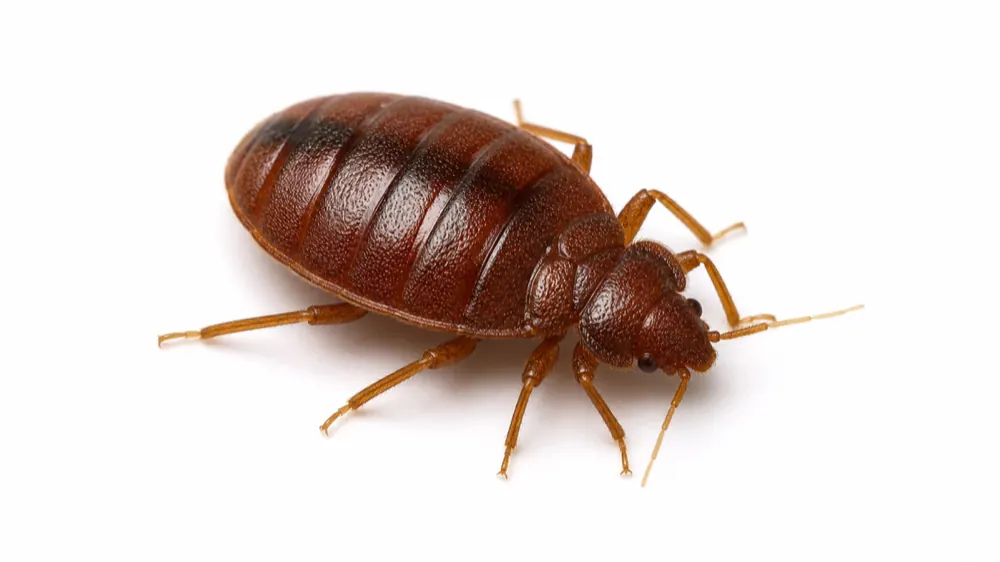
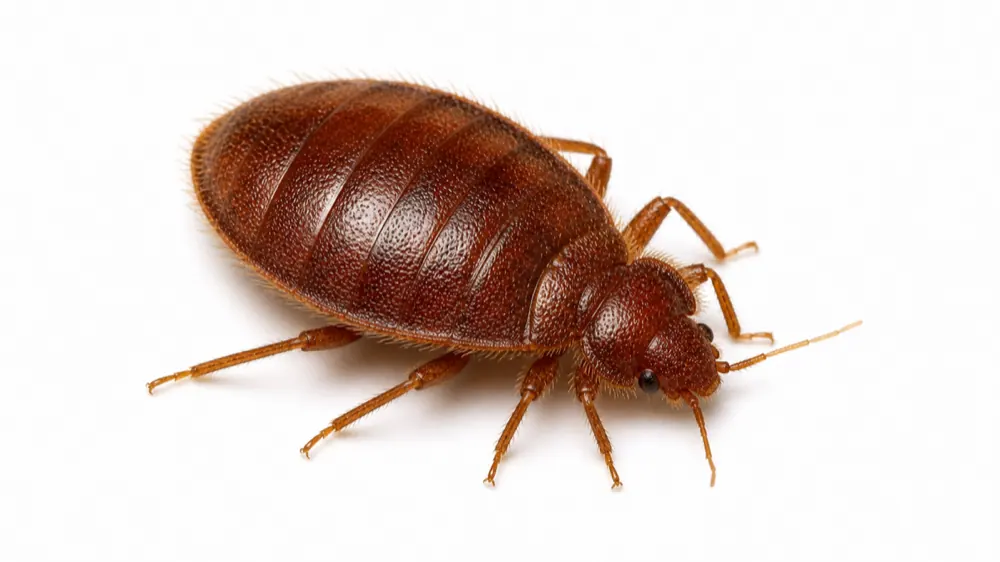
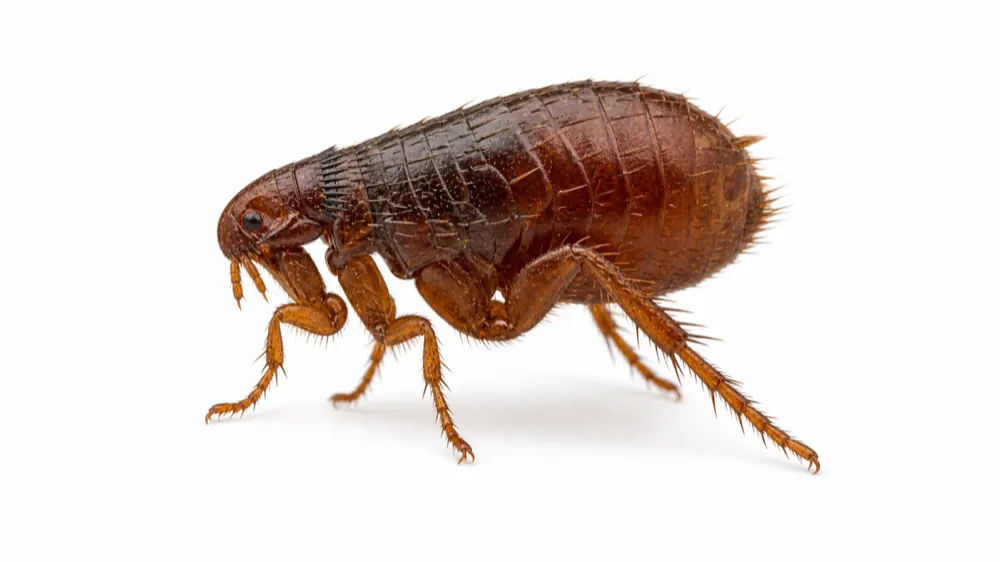
Profiles to compare with Blow Fly.
Sources & Further Reading
Blow Fly references used for this profile.
These references support fly identification and the source-finding notes in this profile.
Reference 01UMN Extension Flies
Household fly biology, sanitation, and source finding guidance.
Reference 02University of Maryland FliesHouse fly, fruit fly, drain fly, phorid fly, and fungus gnat references.
Reference 03USU Extension Phorid FliesPhorid fly identification and hidden organic source guidance.
Reference 04NC State Drain FliesDrain fly identification, drain biofilm source, and correction guidance.
Need Confirmation?
Need help confirming Blow Fly?
Persistent flies usually point to drains, moisture, trash, food residue, or hidden organic material.