
Roaches Field Profile
Pennsylvania Wood Cockroach
Parcoblatta pensylvanica
Order Blattodea / Family Ectobiidae / Genus Parcoblatta
Pennsylvania wood cockroaches are native outdoor decomposers, not the same problem as German roaches. They live in leaf litter, under logs, in wooded lots, mulch, and firewood, then wander indoors around lights, doors, and stored wood.
Field ID Snapshot
Pennsylvania Wood Cockroach identification starts with species and room.
Confirm wood cockroaches by outdoor source context, light attraction, wood or leaf-litter association, and lack of indoor reproduction signs.
Logs, leaf litter, wooded edges, bark, mulch, and firewood fit the profile.
Males often fly or wander to lights and doors.
They tend to dehydrate indoors and are considered nuisance invaders.
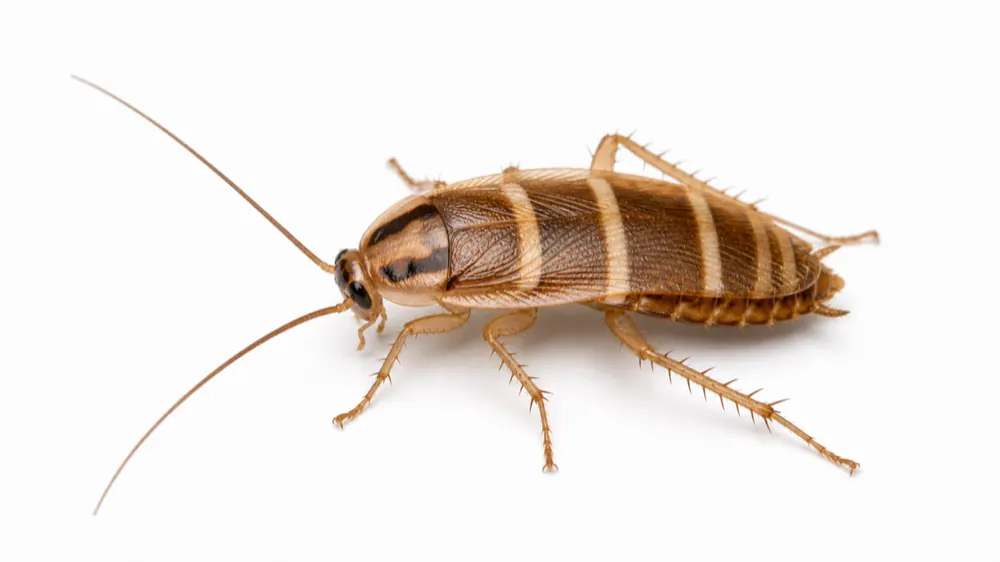
Flattened body, long antennae, spiny legs, and brown coloration still make them look alarming.
Males are more mobile and more likely to show up inside.
They are decomposers, not kitchen-infesting indoor roaches.
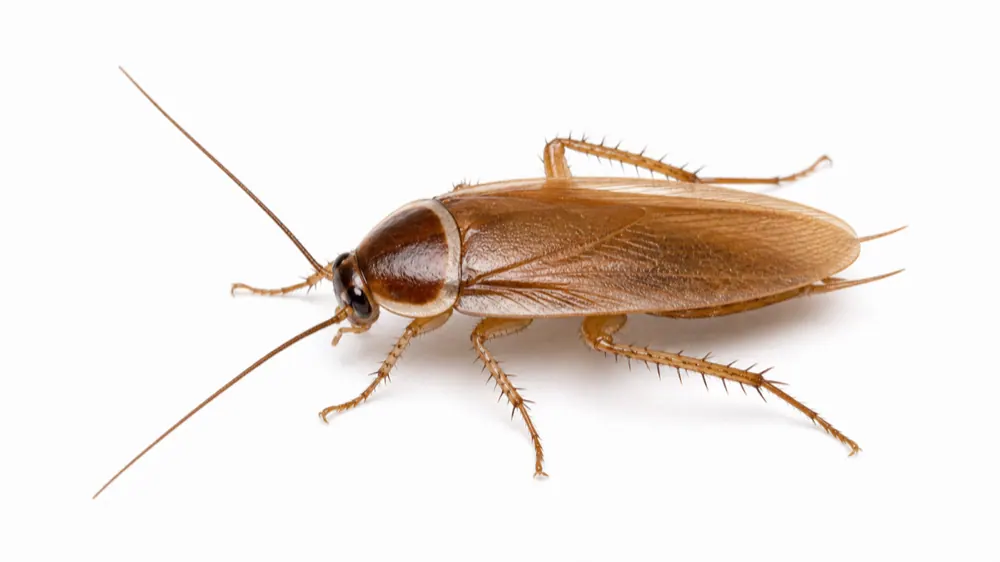 Macro view
Macro viewStart with the actual specimen.
Use the macro photo to slow the identification down: body shape, proportions, color pattern, and visible structures should match before the location clues are weighed.
Field evidenceField evidenceThen match the source pattern.
The strongest ID pairs outdoor wood habitat with a source that makes sense: wood piles, mulch, wooded lots. Then compare against similar pests in the library; a better match should shift the identification.
Clues that make pennsylvania wood cockroach more likely.
- Roaches appearing near doors, lights, garages, firewood, mulch, or wooded lots.
- A clear outdoor source such as logs, leaf litter, bark, or wood piles close to the home.
- Scattered sightings without nymphs, droppings, egg cases, or kitchen harborage.
- Activity during warm months when exterior lights and wooded edges are active.
Clues that point away from pennsylvania wood cockroach.
- Small roaches reproducing in kitchens, bathrooms, or appliances point toward German cockroaches.
- Large damp-area roaches in basements or drains point toward American or Oriental cockroaches.
- High indoor activity in dry rooms with banded nymphs may indicate brown-banded cockroaches.
- Repeated roaches deep inside without outdoor context should not be dismissed as wood roaches.
Lookalike Comparison
Lookalikes to compare with Pennsylvania Wood Cockroach.
Species changes the service plan, especially when kitchen, bath, drain, or exterior pressure is involved.
Biology And Behavior
Wood cockroach pressure starts outdoors.
Wood cockroaches feed in decaying organic material and usually enter homes by accident. The educational point is restraint: identify the roach, confirm the outdoor source, and avoid treating it like a German cockroach infestation unless evidence says otherwise.
Specimen ReferencePennsylvania Wood CockroachParcoblatta pensylvanica
They belong in leaf litter, logs, and decaying plant material.
Lights, doors, firewood, and wooded edges bring them indoors.
They usually dry out and do not reproduce inside homes.
Nesting, Habitat, And Food
Where Pennsylvania Wood Cockroach activity usually starts.
Store wood away from the home and bring in only what is needed.
Natural wooded edges can support seasonal activity.
Weather stripping, screens, and lighting changes reduce entry.
Seasonal Activity
When Pennsylvania Wood Cockroach pressure is most visible locally.
Pennsylvania wood cockroaches are warm-season nuisance invaders in Cincinnati, most noticeable when wooded lots, mulch, firewood, and exterior lights overlap.
Activity WindowMar through Oct
JanFebMarAprMayJunJulAugSepOctNovDec
Control Logic
How a technician reads Pennsylvania Wood Cockroach activity.
Good wood cockroach management is mostly exterior: move firewood, reduce leaf litter near the foundation, seal door and window gaps, adjust lighting, and avoid unnecessary indoor roach protocols when there is no reproduction evidence.
Confirm the roach before choosing treatment.
- Track where Pennsylvania Wood Cockroach is appearing before treatment.
- Reduce moisture, clutter, food access, or exterior harborage where possible.
- Avoid heavy DIY spray use when identification is uncertain.
- Use the service page or quote form when activity repeats or spreads.
Why roach species changes the whole service path.
- Confirm the Pennsylvania Wood Cockroach identification before choosing products or methods.
- Inspect Wood piles, mulch, wooded lots and surrounding entry routes.
- Match the treatment plan to the source condition, not just visible activity.
- Document recommendations so prevention steps are clear after service.
Keep Comparing
Profiles to compare with Pennsylvania Wood Cockroach.
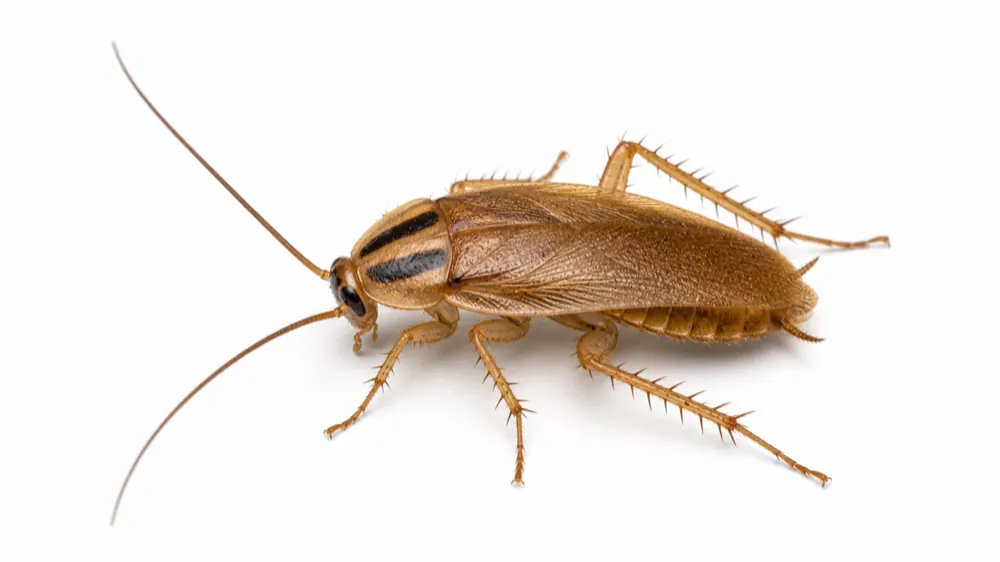
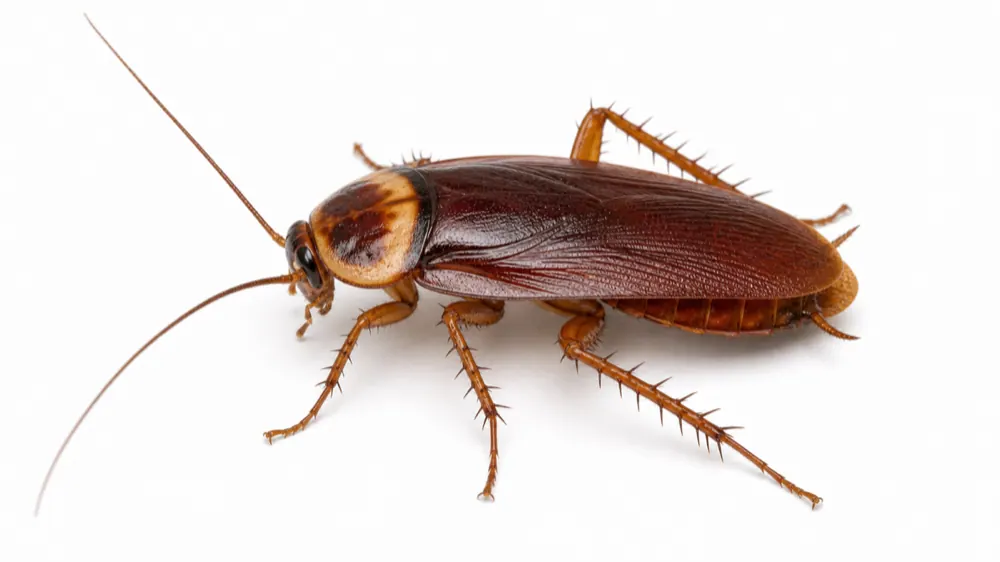
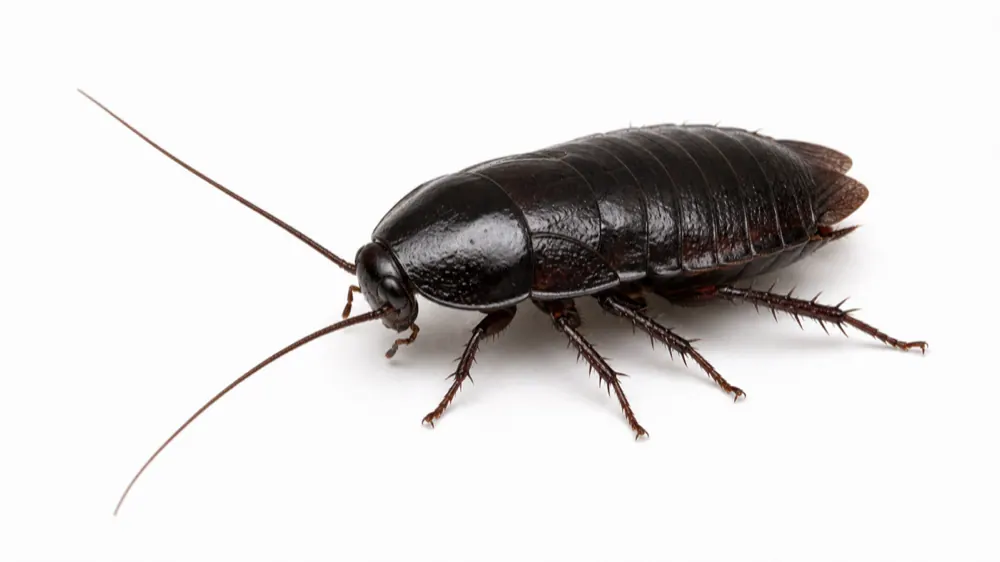
Sources & Further Reading
Pennsylvania Wood Cockroach references used for this profile.
These references help separate indoor breeders, drain-associated roaches, and exterior invaders.
Reference 01Penn State Extension
Wood cockroach identification, habitat, natural history, and nuisance status.
Reference 02U.S. Fish & Wildlife ServiceTaxonomy and species reference for Pennsylvania wood cockroach.
Reference 03University of Minnesota ExtensionCockroach comparison and household management context.
Reference 04University of Maine ExtensionCockroach and wood roach homeowner reference links.
Need Confirmation?
Need help confirming Pennsylvania Wood Cockroach?
Room location, size, color, and whether activity repeats at night usually point the inspection in the right direction.