
Roaches Field Profile
Brown-Banded Cockroach
Supella longipalpa
Order Blattodea / Family Ectobiidae / Supella longipalpa
Brown-banded cockroaches are indoor roaches that break the kitchen-only roach stereotype. They prefer warmer, drier, higher areas, which means upper cabinets, ceilings, furniture, electronics, closets, bedrooms, and offices can be more important than sink bases.
Field ID Snapshot
Brown-Banded Cockroach identification starts with species and room.
Confirm brown-banded cockroaches by their small size, pale cross-bands, dry high harborage, and egg cases glued to furniture or hidden surfaces.
Nymphs and adults show light bands across the body or wings.
Similar in size to German cockroaches but shaped and patterned differently.
They are less tied to sinks and wet kitchen harborage.
Ceilings, upper cabinets, wall decor, shelves, closets, and electronics matter.
Females attach oothecae to hidden furniture, appliances, or structural surfaces.
Activity can spread through rooms rather than staying in one kitchen cluster.
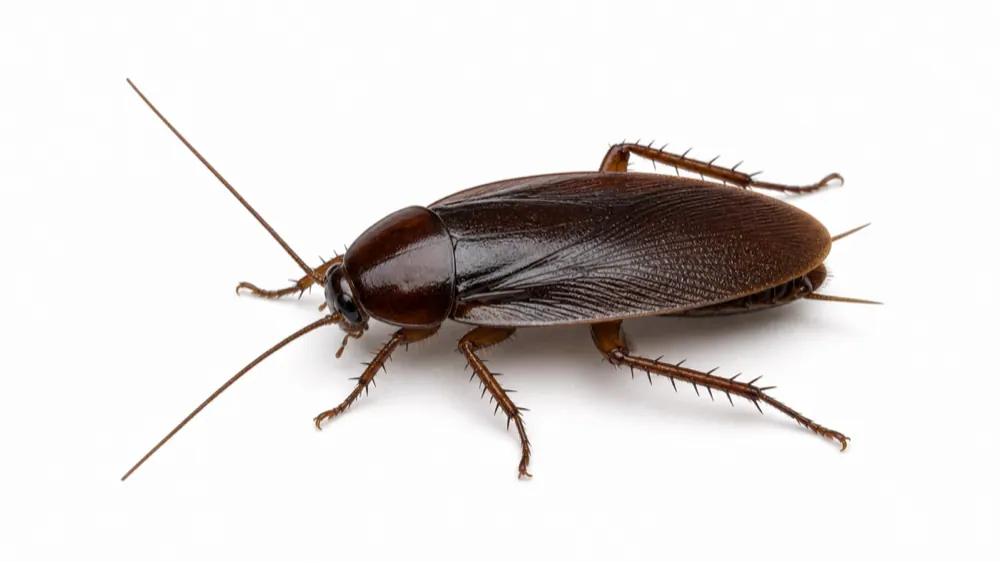
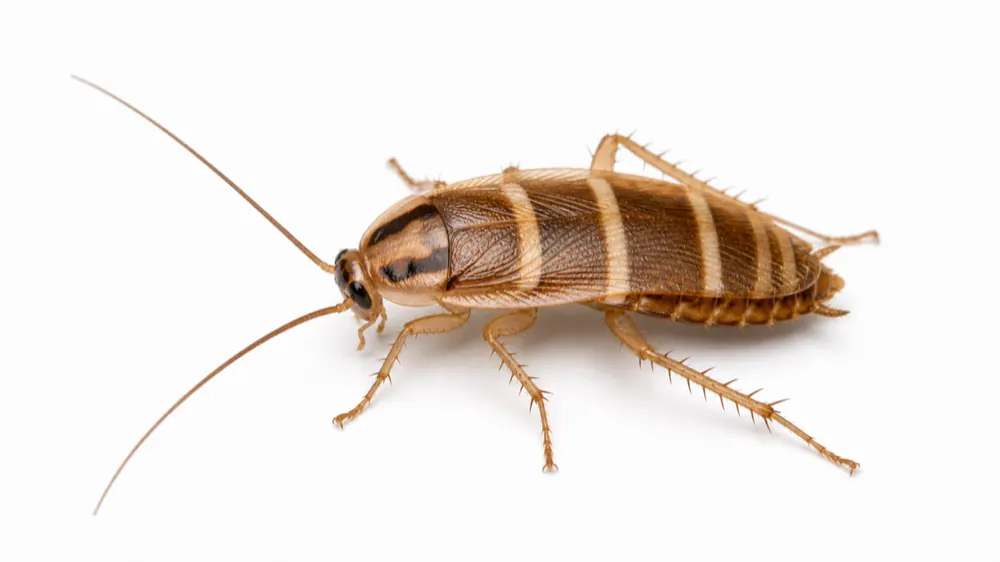 Macro view
Macro viewStart with the actual specimen.
Use the macro photo to slow the identification down: body shape, proportions, color pattern, and visible structures should match before the location clues are weighed.
Field evidenceField evidenceThen match the source pattern.
The strongest ID pairs two pale bands with a source that makes sense: upper cabinets, electronics. Then compare against similar pests in the library; a better match should shift the identification.
Clues that make brown-banded cockroach more likely.
- Small roaches or nymphs with pale horizontal bands across the body.
- Activity high on walls, ceilings, upper cabinets, furniture, closets, or electronics.
- Egg cases glued to hidden surfaces rather than carried until hatch.
- Roach activity away from moisture-heavy kitchen or bathroom areas.
Clues that point away from brown-banded cockroach.
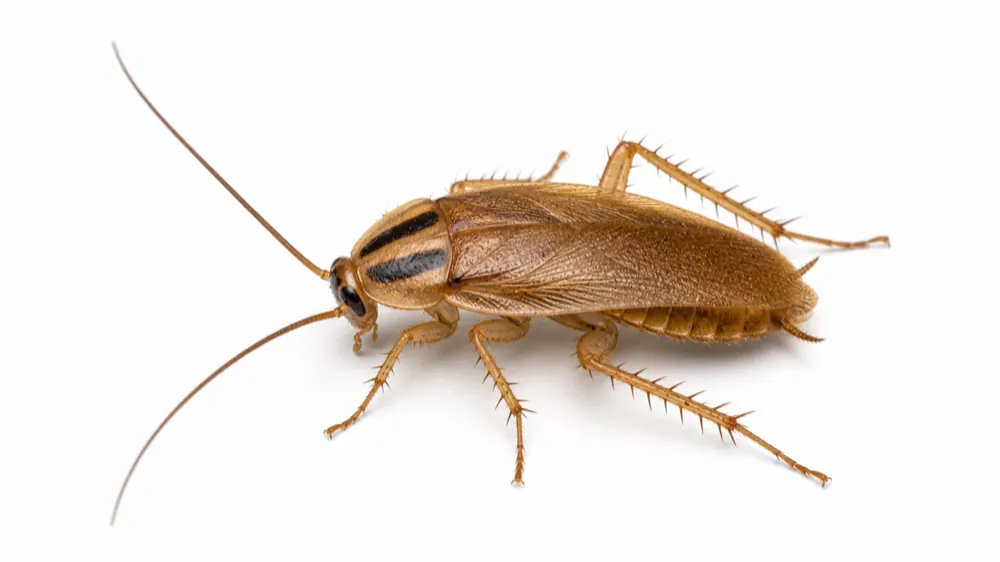
- Two dark stripes behind the head and kitchen appliance harborage point toward German cockroaches.
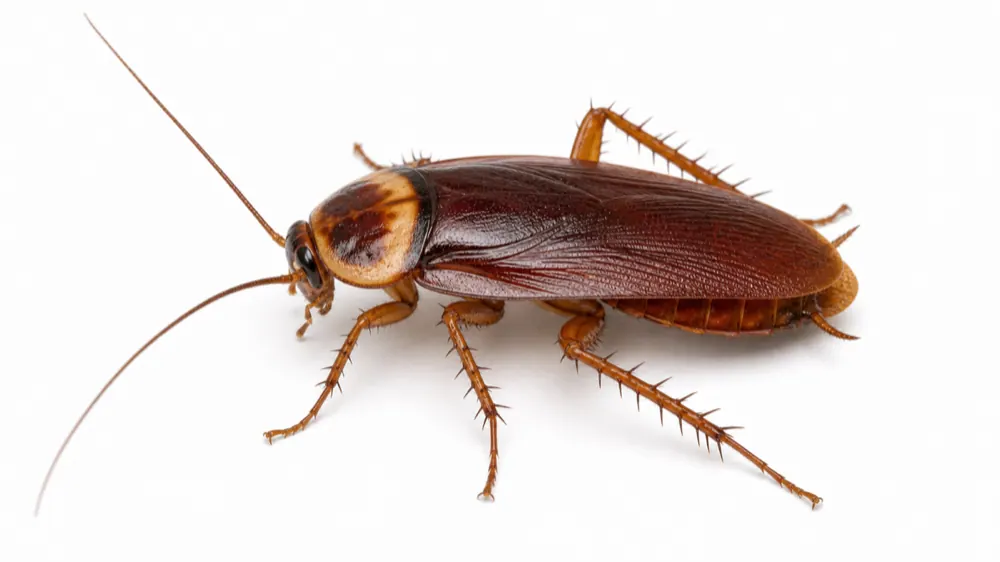
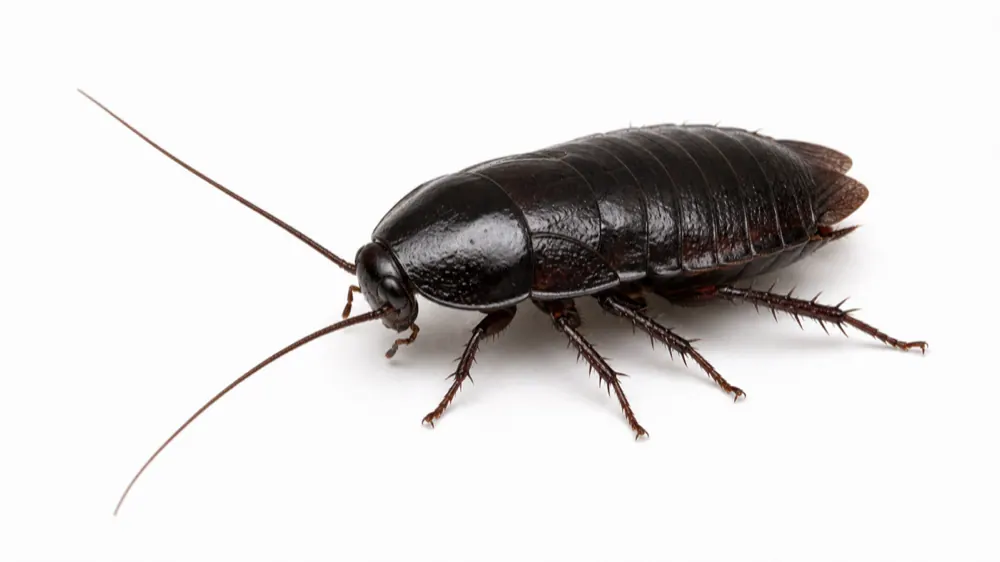
- Large roaches in drains or basements point toward American or Oriental cockroaches.
- Outdoor roaches entering from firewood or lights point toward wood cockroaches.
- A single beetle or pantry pest should not be called brown-banded without roach body traits.
Lookalike Comparison
Lookalikes to compare with Brown-Banded Cockroach.
Species changes the service plan, especially when kitchen, bath, drain, or exterior pressure is involved.
Biology And Behavior
Brown-banded cockroach pressure spreads through dry indoor harborage.
Brown-banded cockroaches can infest rooms that look clean because they feed on a wide range of materials and hide in dry warm pockets. The inspection has to climb upward: furniture, frames, electronics, shelves, upper cabinets, and closet seams.
Specimen ReferenceBrown-Banded CockroachSupella longipalpa
They can live away from sinks and plumbing, unlike German roaches.
Glued egg cases on hidden surfaces can keep activity scattered.
Ceilings, walls, and furniture are part of the inspection map.
Nesting, Habitat, And Food
Where Brown-Banded Cockroach activity usually starts.
Inspect ceiling lines, upper cabinets, shelves, and frames.
Desks, beds, tables, and drawer undersides can hold egg cases.
Heat-producing appliances and electronics can support harborage.
Seasonal Activity
When Brown-Banded Cockroach pressure is most visible locally.
Brown-banded cockroaches can remain active year-round indoors in Cincinnati because they are not dependent on outdoor weather once established.
Activity WindowYear-round
JanFebMarAprMayJunJulAugSepOctNovDec
Control Logic
How a technician reads Brown-Banded Cockroach activity.
Good brown-banded cockroach work expands the search beyond kitchens: vertical bait placement, monitor mapping, furniture inspection, egg-case removal, sanitation, and follow-up are all important.
Confirm the roach before choosing treatment.
- Track where Brown-Banded Cockroach is appearing before treatment.
- Reduce moisture, clutter, food access, or exterior harborage where possible.
- Avoid heavy DIY spray use when identification is uncertain.
- Use the service page or quote form when activity repeats or spreads.
Why roach species changes the whole service path.
- Confirm the Brown-Banded Cockroach identification before choosing products or methods.
- Inspect Upper cabinets, electronics and surrounding entry routes.
- Match the treatment plan to the source condition, not just visible activity.
- Document recommendations so prevention steps are clear after service.
Keep Comparing
Profiles to compare with Brown-Banded Cockroach.
Sources & Further Reading
Brown-Banded Cockroach references used for this profile.
These references help separate indoor breeders, drain-associated roaches, and exterior invaders.
Reference 01Utah State University Extension
Brown-banded cockroach identification, habitat, and IPM recommendations.
Reference 02Texas A&M Urban EntomologyBrown-banded cockroach characteristics and indoor habitat reference.
Reference 03University of Minnesota ExtensionBrown-banded comparison, high-area habitat, and life-cycle context.
Reference 04University of Missouri ExtensionRegional cockroach species guide including brown-banded cockroaches.
Need Confirmation?
Need help confirming Brown-Banded Cockroach?
Room location, size, color, and whether activity repeats at night usually point the inspection in the right direction.