
Rodents Field Profile
House Mouse
Mus musculus
Order Rodentia / Family Muridae / Mus musculus
House mice are the classic indoor rodent: small, gray-brown, quick, and strongly tied to human food, warmth, clutter, and tiny structural gaps. Their droppings, gnaw marks, odor, and nesting material usually tell the story before a live mouse is seen.
Field ID Snapshot
House Mouse identification starts with evidence.
Confirm house mice by combining body traits with evidence: small size, large ears, gray-brown coat, nearly hairless tail, rice-sized pointed droppings, gnawed food packaging, and activity close to walls, appliances, garages, kitchens, and storage.
House mice are much smaller than rats and usually look gray-brown with a lighter underside.
The tail is about the length of the head and body and lacks the furry bicolored look of deer mice.
Fresh droppings near food, drawers, under sinks, and wall edges are one of the strongest clues.
Look behind appliances, in garages, storage boxes, wall voids, cabinets, and clutter.
Mice prefer protected edges and repeat the same routes to food and nesting sites.
When food and shelter remain available, populations can keep building indoors.
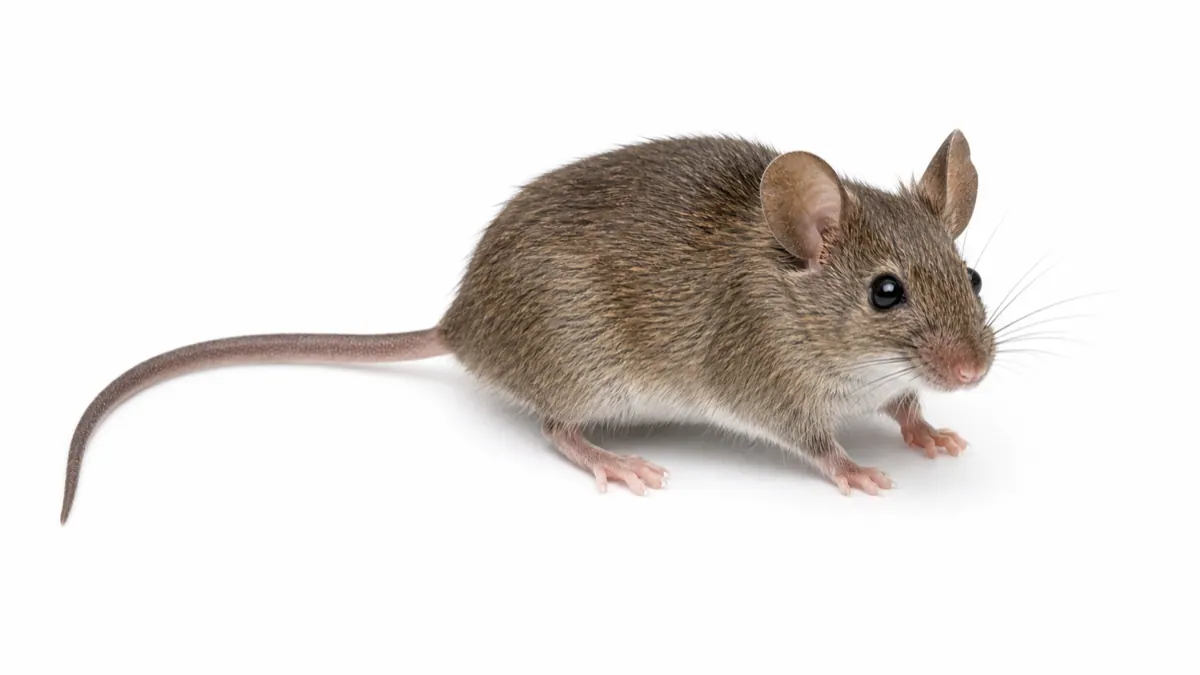 Macro view
Macro viewStart with the actual specimen.
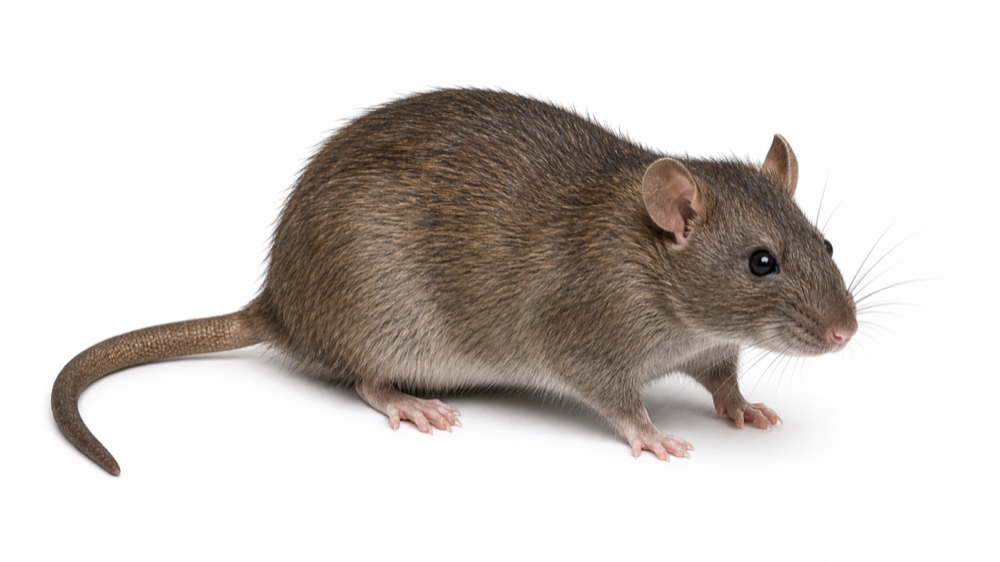
Use the macro photo to slow the identification down: body shape, proportions, color pattern, and visible structures should match before the location clues are weighed.
Field evidenceField evidenceThen match the source pattern.
The strongest ID pairs small mouse with large ears with a source that makes sense: walls, garages, kitchens. Then compare against similar pests in the library; a better match should shift the identification.
Clues that make house mouse more likely.
- Pointed droppings near food packages, under sinks, inside drawers, along baseboards, or around garage storage.
- Gnawed packaging, shredded paper or insulation, musky odor, and small tracks or rub marks along protected edges.
- Nocturnal scratching, quick floor-level movement, or repeated activity behind appliances and cabinets.
- Entry gaps around garage seals, utility lines, foundation cracks, door sweeps, vents, or pipe penetrations.
Clues that point away from house mouse.
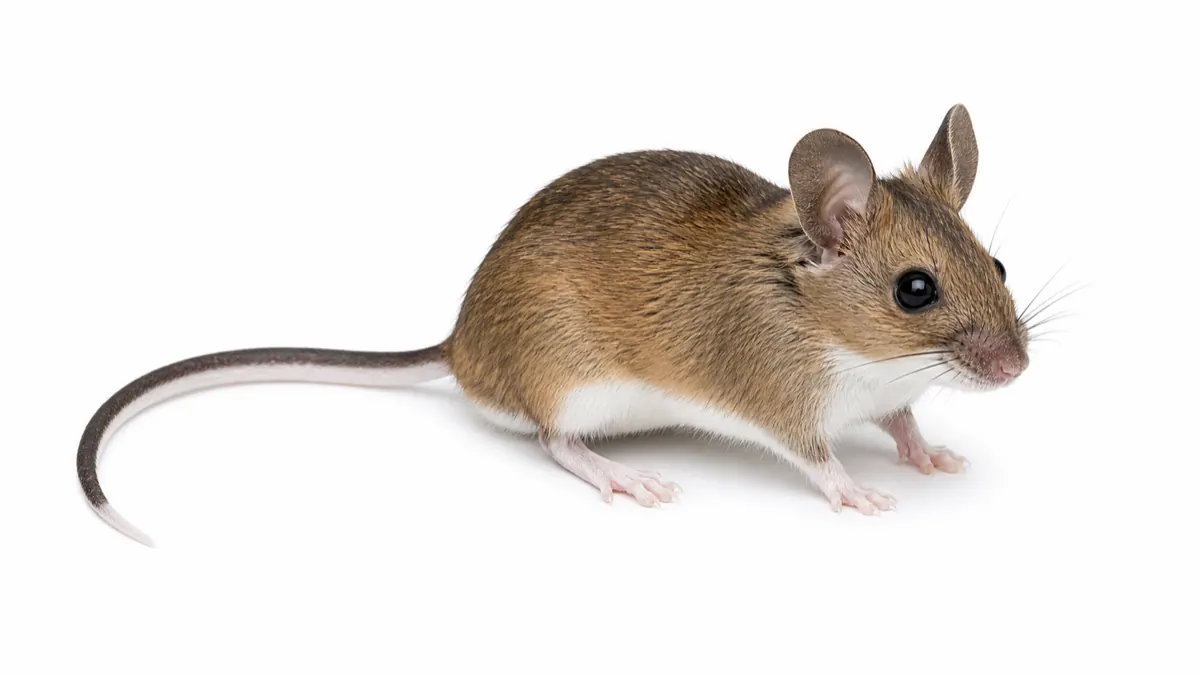
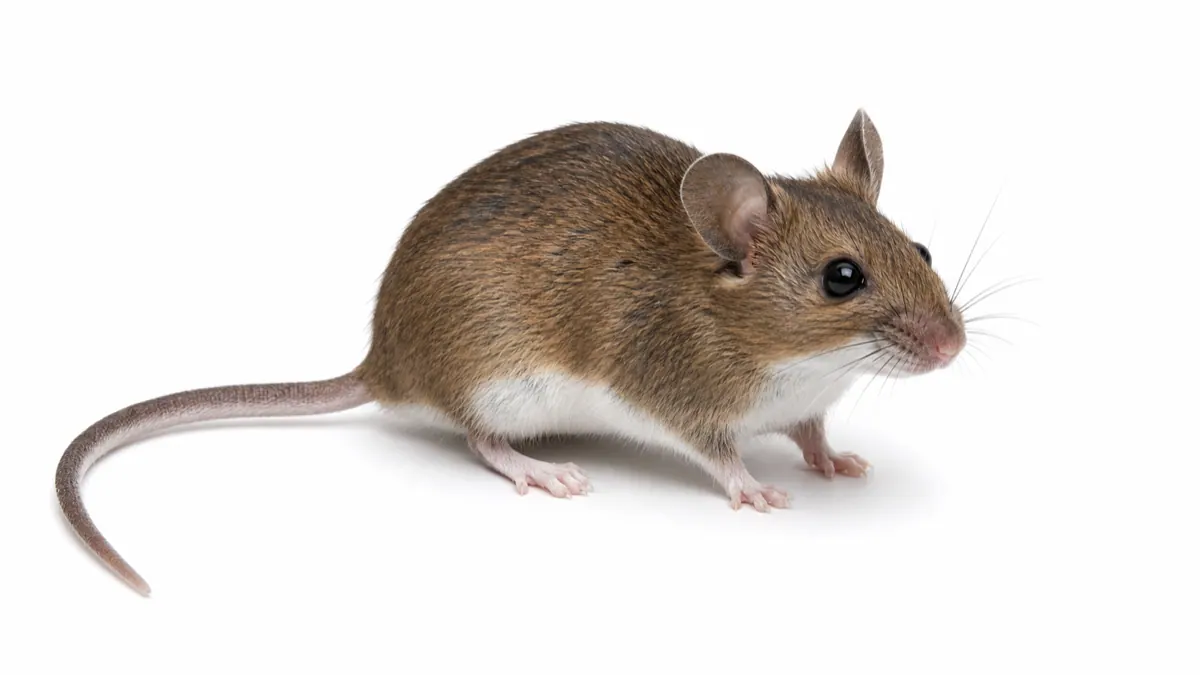
- White underside and a furry bicolored tail point toward deer mice or white-footed mice rather than house mice.
- Large blunt droppings, heavy gnaw marks, burrows, or a much larger body point toward rats.
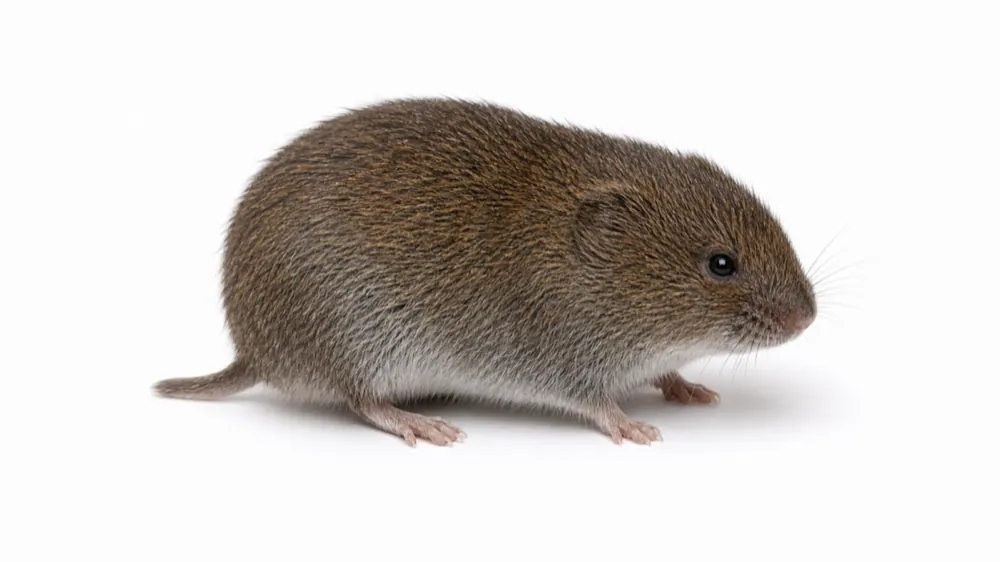
- Surface lawn runways and short tails point toward meadow voles, not indoor house mice.
- Random seed debris without droppings, gnawing, or repeat routes is not enough to confirm an active mouse issue.
Lookalike Comparison
Lookalikes to compare with House Mouse.
Droppings, gnaw marks, rub marks, burrows, and noise timing tell you more than a quick sighting.
Biology And Behavior
House mouse pressure follows food, shelter, and tiny access.
House mice stay close to reliable resources. A kitchen, garage, utility wall, or storage room can support activity when food, nesting material, and protected travel routes line up with small entry gaps.
Specimen ReferenceHouse MouseMus musculus
Small openings around utilities, seals, and foundation details can support entry.
Pantry goods, pet food, bird seed, snacks, and trash keep routes active.
Closing entry paths and placing traps on travel routes matters more than random placement.
Nesting, Habitat, And Food
Where House Mouse activity usually starts.
Appliances, cabinets, trash, pet feeding areas, and under-sink spaces are priority checks.
Door seals, corners, stored seed, and boxes commonly explain the first activity.
Utility penetrations and baseboard edges help mice move without being seen.
Seasonal Activity
When House Mouse pressure is most visible locally.
House mice can be active all year indoors, but Cincinnati homes often notice them most when cool weather pushes rodents toward garages, basements, kitchens, and warm voids.
Activity WindowJan through Dec
JanFebMarAprMayJunJulAugSepOctNovDec
Control Logic
How a technician reads House Mouse activity.
Good house mouse control starts with evidence mapping, entry sealing, sanitation, and trap placement on known routes. Cleaning droppings should follow CDC wet-cleaning guidance rather than dry sweeping or vacuuming.
Read the evidence before setting devices.
- Track where House Mouse is appearing before treatment.
- Reduce moisture, clutter, food access, or exterior harborage where possible.
- Avoid heavy DIY spray use when identification is uncertain.
- Use the service page or quote form when activity repeats or spreads.
Why entry points matter as much as trapping.
- Confirm the House Mouse identification before choosing products or methods.
- Inspect Walls, garages, kitchens and surrounding entry routes.
- Match the treatment plan to the source condition, not just visible activity.
- Document recommendations so prevention steps are clear after service.
Keep Comparing
Profiles to compare with House Mouse.
Sources & Further Reading
House Mouse references used for this profile.
These references support the evidence, biology, and exclusion notes used in this rodent profile.
Reference 01UC IPM House Mouse
House mouse identification, biology, signs, exclusion, and trapping guidance.
Reference 02Utah State University ExtensionConcise house mouse field identification and IPM recommendations.
Reference 03EPA Identify And Prevent RodentsRodent infestation signs, prevention, sanitation, and exclusion guidance.
Reference 04CDC Rodent CleanupSafe cleanup guidance for rodent urine, droppings, nests, and contaminated areas.
Need Confirmation?
Need help confirming House Mouse?
Droppings, rub marks, gnawing, and noise timing can tell a technician whether the issue is active and where to start.