
Rodents Field Profile
Norway Rat
Rattus norvegicus
Order Rodentia / Family Muridae / Rattus norvegicus
Norway rats are large, stocky, ground-oriented rats associated with burrows, foundations, dumpsters, sewers, drains, crawl spaces, and lower-level structural access. Their evidence is heavier than mouse evidence: larger droppings, bigger gnaw marks, rub marks, burrows, and more destructive chewing.
Field ID Snapshot
Norway Rat identification starts with evidence.
Confirm Norway rats by ground-level evidence: large robust rat, blunt muzzle, tail shorter than head and body combined, blunt-ended droppings, foundation burrows, basement or crawl activity, dumpster pressure, damaged drains, and heavy gnaw marks.
Norway rats are stockier than roof rats and far larger than mice.
Tail length helps separate Norway rats from roof rats.
Rat droppings are much larger than mouse droppings and require careful cleanup.
Foundation edges, slabs, crawl spaces, basements, and dumpsters fit the pattern.
Trash, food waste, pet food, grain, meat, and commercial waste can support pressure.
Trap and bait programs must account for rat neophobia and travel routes.
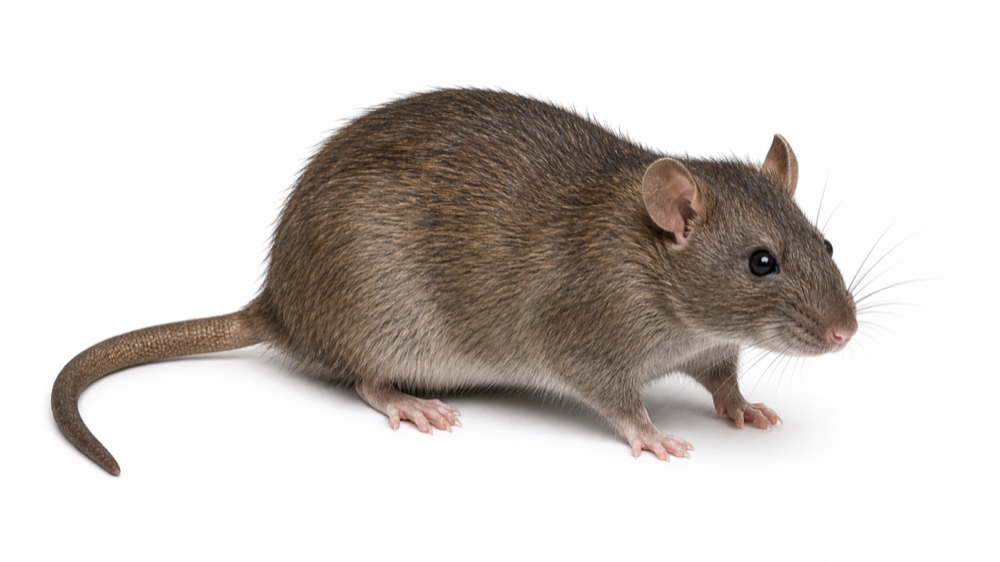 Macro view
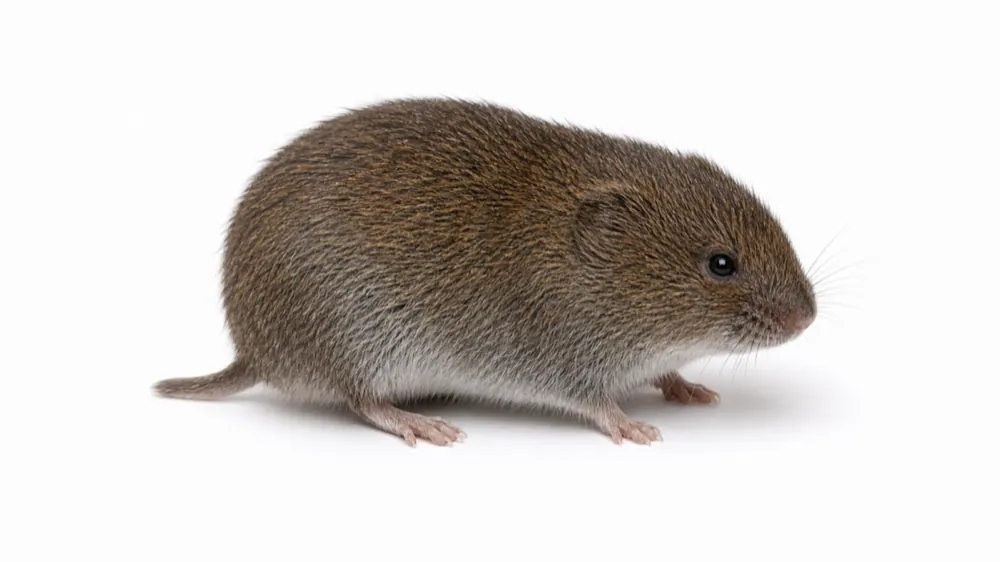
Macro viewStart with the actual specimen.
Use the macro photo to slow the identification down: body shape, proportions, color pattern, and visible structures should match before the location clues are weighed.
Field evidenceField evidenceThen match the source pattern.
The strongest ID pairs large and robust with a source that makes sense: burrows, foundations, dumpsters. Then compare against similar pests in the library; a better match should shift the identification.
Clues that make norway rat more likely.
- Burrows along foundations, slabs, debris, heavy vegetation, dumpsters, gardens, or crawl space edges.
- Large blunt droppings, rub marks, gnaw marks, grease trails, or damaged food storage.
- Activity concentrated in basements, crawl spaces, ground floors, drains, or lower structural voids.
- Food and shelter sources such as dumpsters, pet food, compost, clutter, damaged doors, or sewer access.
Clues that point away from norway rat.
- Upper attic activity with climbing routes, vines, trees, and long-tailed rats points more toward roof rats.
- Rice-sized pointed droppings and small gnaw marks point toward mice.
- Surface lawn runways and clipped grass point toward meadow voles.
- Daytime roofline chewing or tree entry can be squirrel activity rather than Norway rats.
Lookalike Comparison
Lookalikes to compare with Norway Rat.
Droppings, gnaw marks, rub marks, burrows, and noise timing tell you more than a quick sighting.
Biology And Behavior
Norway rat pressure is usually low, hidden, and resource-driven.
Norway rats stay where food, water, shelter, and protected travel routes stay reliable. Around homes and businesses, the source is often outside first: dumpsters, debris, vegetation, damaged drains, crawl spaces, or foundation voids.
Specimen ReferenceNorway RatRattus norvegicus
Foundation edges and lower structural voids are priority inspection zones.
Trash, pet food, bird seed, compost, and commercial waste can sustain activity.
Without food reduction and entry correction, removal alone rarely holds.
Nesting, Habitat, And Food
Where Norway Rat activity usually starts.
Check slabs, crawl spaces, drain lines, vents, and cluttered edges.
Dumpsters, trash cans, compost, grease, and spilled food keep rats anchored.
Ground-floor evidence is a stronger Norway rat clue than roofline activity.
Seasonal Activity
When Norway Rat pressure is most visible locally.
Norway rats can be active all year. Pressure often becomes more visible when food, shelter, or construction changes push them toward foundations and lower-level access.
Activity WindowYear-round
JanFebMarAprMayJunJulAugSepOctNovDec
Control Logic
How a technician reads Norway Rat activity.
Good Norway rat work maps burrows, food, water, travel routes, and entry points before treatment. Sanitation, rodent-proofing, and careful trap or bait placement need to work together.
Read the evidence before setting devices.
- Track where Norway Rat is appearing before treatment.
- Reduce moisture, clutter, food access, or exterior harborage where possible.
- Avoid heavy DIY spray use when identification is uncertain.
- Use the service page or quote form when activity repeats or spreads.
Why entry points matter as much as trapping.
- Confirm the Norway Rat identification before choosing products or methods.
- Inspect Burrows, foundations, dumpsters and surrounding entry routes.
- Match the treatment plan to the source condition, not just visible activity.
- Document recommendations so prevention steps are clear after service.
Keep Comparing
Profiles to compare with Norway Rat.
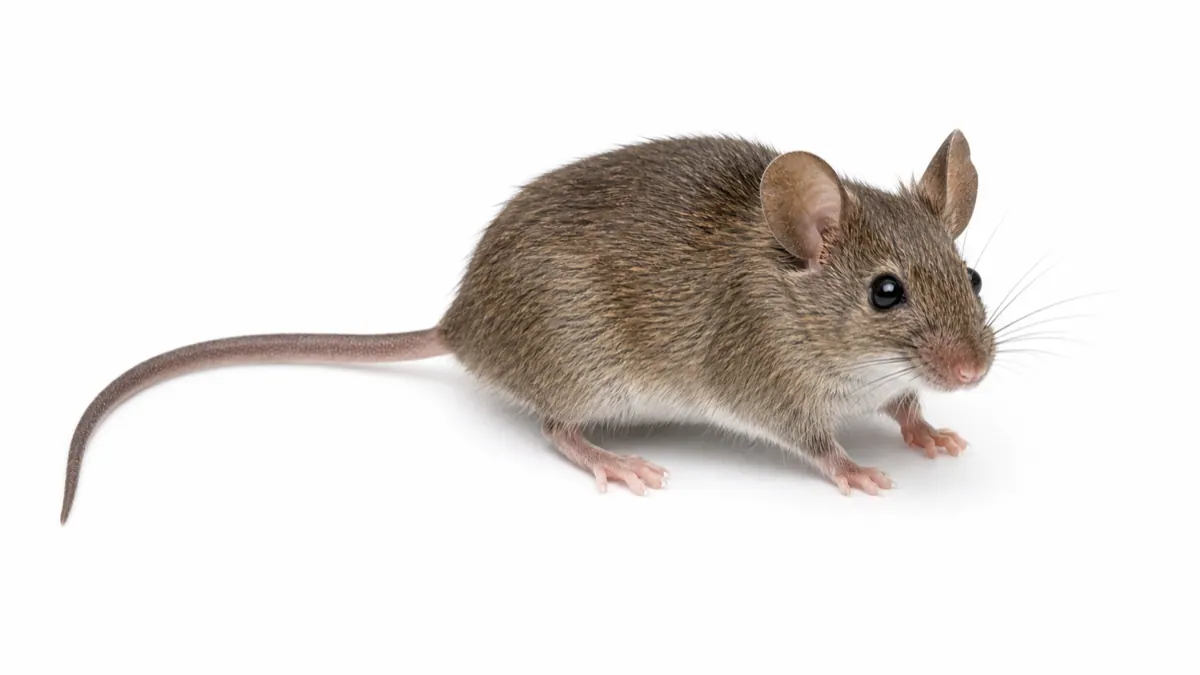
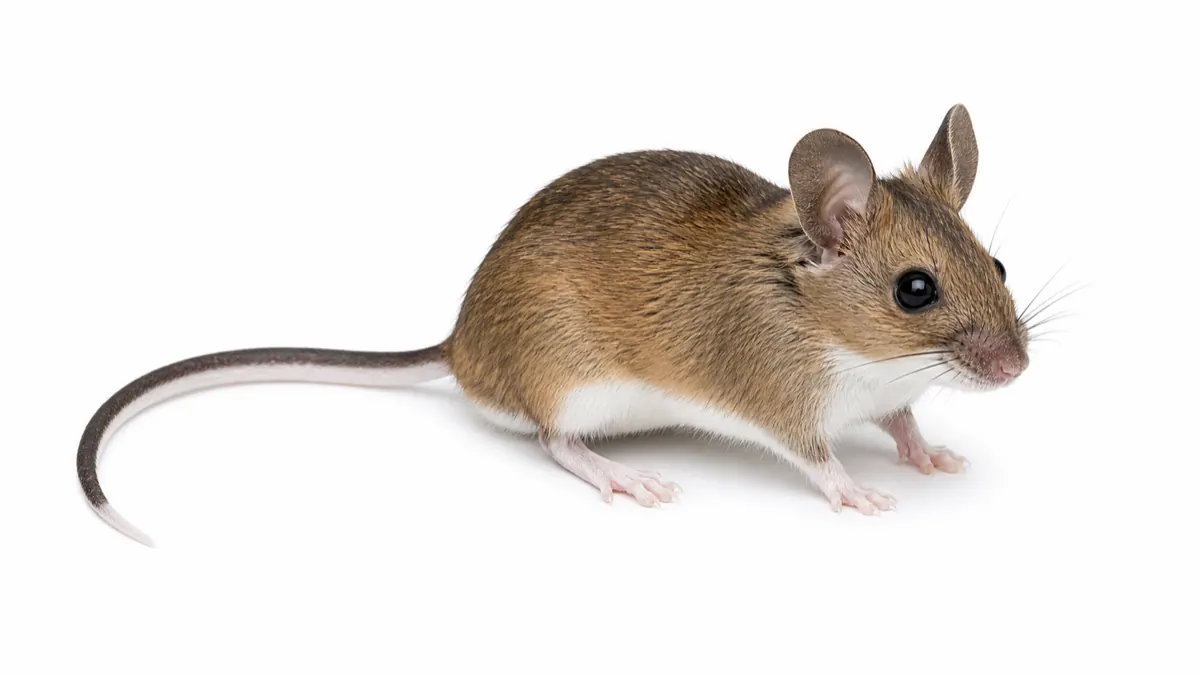
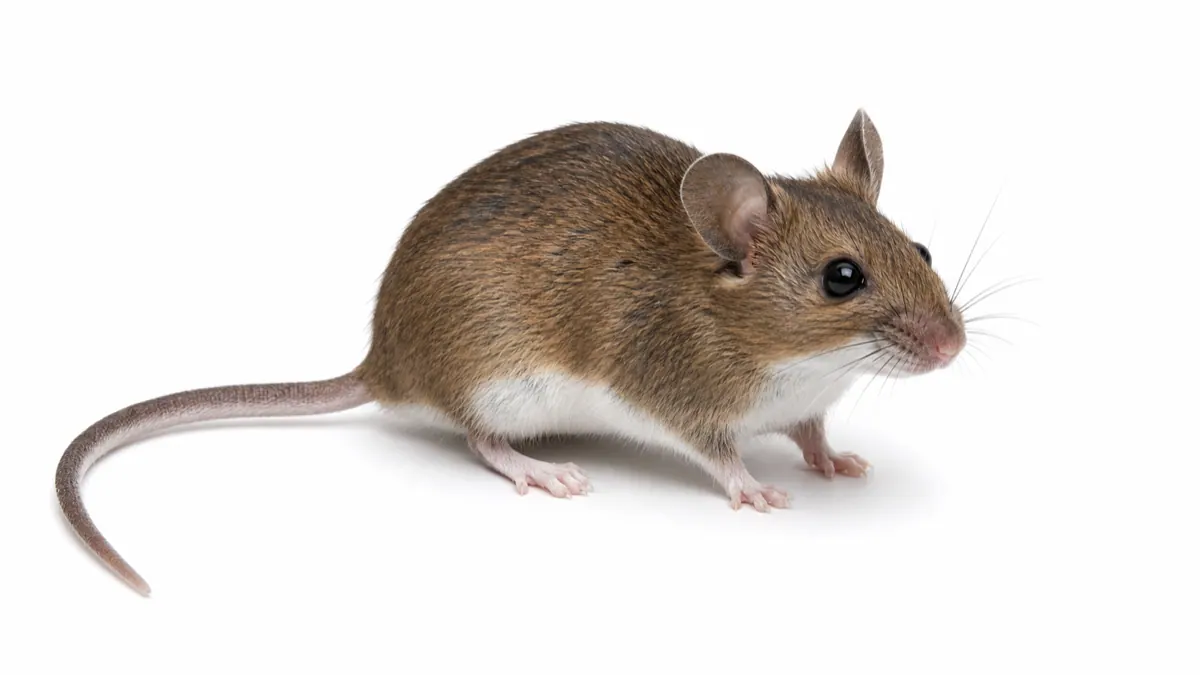
Sources & Further Reading
Norway Rat references used for this profile.
These references support the evidence, biology, and exclusion notes used in this rodent profile.
Reference 01UC IPM Rats
Norway rat and roof rat identification, behavior, damage, exclusion, and management guidance.
Reference 02NC State ExtensionRat signs, droppings, rub marks, surveillance, and structure-invading rat management.
Reference 03Nebraska ExtensionNorway rat burrows, shelter, food and water inspection, and integrated control reference.
Reference 04EPA About Rats And MicePublic-health and property concerns plus prevention priorities for commensal rodents.
Need Confirmation?
Need help confirming Norway Rat?
Droppings, rub marks, gnawing, and noise timing can tell a technician whether the issue is active and where to start.