
Rodents Field Profile
White-Footed Mouse
Peromyscus leucopus
Order Rodentia / Family Cricetidae / Peromyscus leucopus
White-footed mice are native Peromyscus mice common around eastern woodlands, brushy edges, suburban lots, and agricultural borders. Around homes they are often treated as a field-edge mouse problem because they can enter garages, basements, sheds, and quiet storage.
Field ID Snapshot
White-Footed Mouse identification starts with evidence.
Confirm white-footed mice by white feet and belly, reddish-brown to gray-brown upperparts, brush or woodland source habitat, and Peromyscus-style evidence. In many homes, the practical decision is separating them from house mice and recognizing that exact deer mouse versus white-footed mouse ID can be difficult from evidence alone.
White feet and a pale underside are central field clues.
Upperparts may look richer brown than a typical house mouse.
Compared with deer mice, the tail may have a softer transition between dark and pale.
Mixed forests, brush, suburban edges, and agricultural borders fit the source pattern.
They may enter protected lower-level spaces from outdoor cover.
Exact Peromyscus species ID can be hard without a clear specimen.
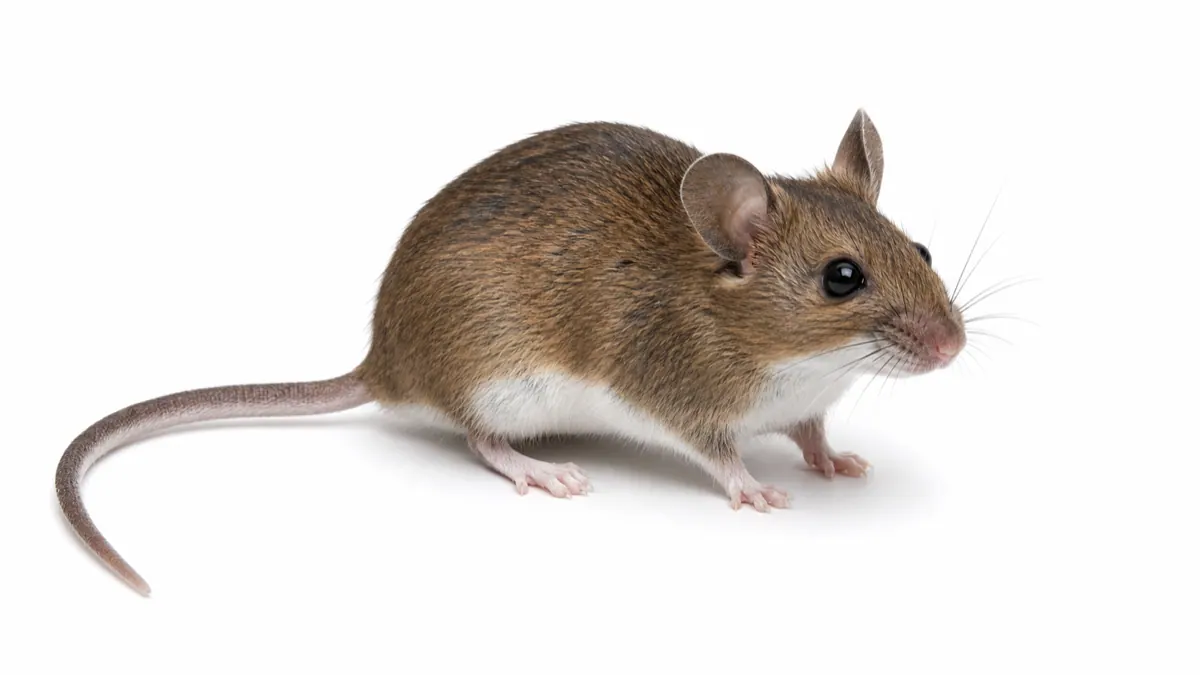 Macro view
Macro viewStart with the actual specimen.
Use the macro photo to slow the identification down: body shape, proportions, color pattern, and visible structures should match before the location clues are weighed.
Field evidenceField evidenceThen match the source pattern.
The strongest ID pairs white underside with a source that makes sense: wooded lots, garages, basements. Then compare against similar pests in the library; a better match should shift the identification.
Clues that make white-footed mouse more likely.
- Small mouse with white feet, white belly, large eyes, and a woodland or brush-edge source pattern.
- Evidence in garages, sheds, basements, or storage near mature trees, wooded lots, creek edges, or fields.
- Seed, nut, pet food, or bird seed activity paired with outdoor cover and small entry gaps.
- Specimen photos showing Peromyscus traits rather than the uniform gray-brown house mouse pattern.
Clues that point away from white-footed mouse.
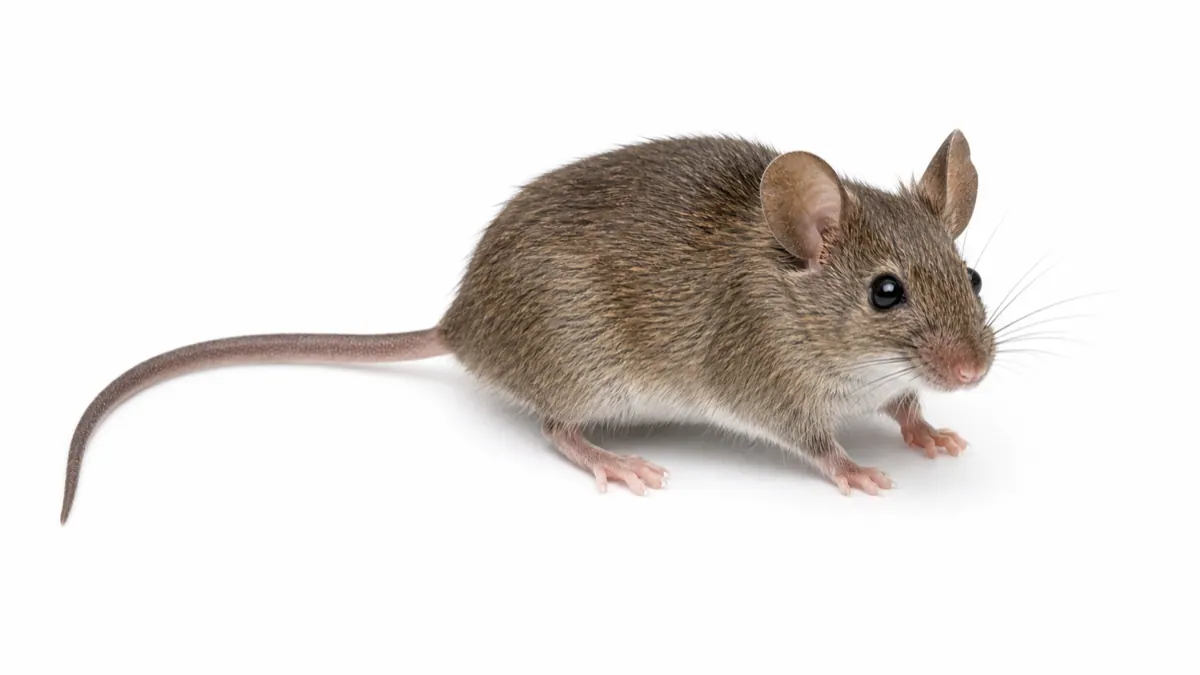
- Uniform gray-brown body and nearly hairless tail point toward house mice.
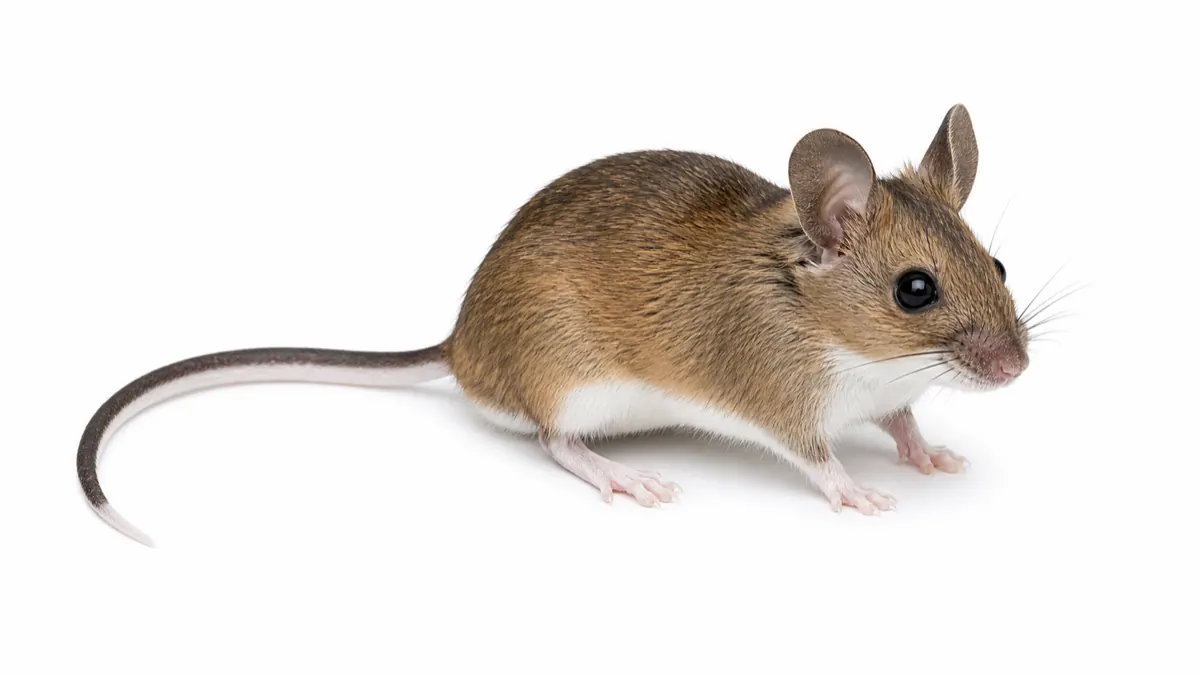
- A sharply bicolored tail with strong dark-over-light contrast may fit deer mice better.
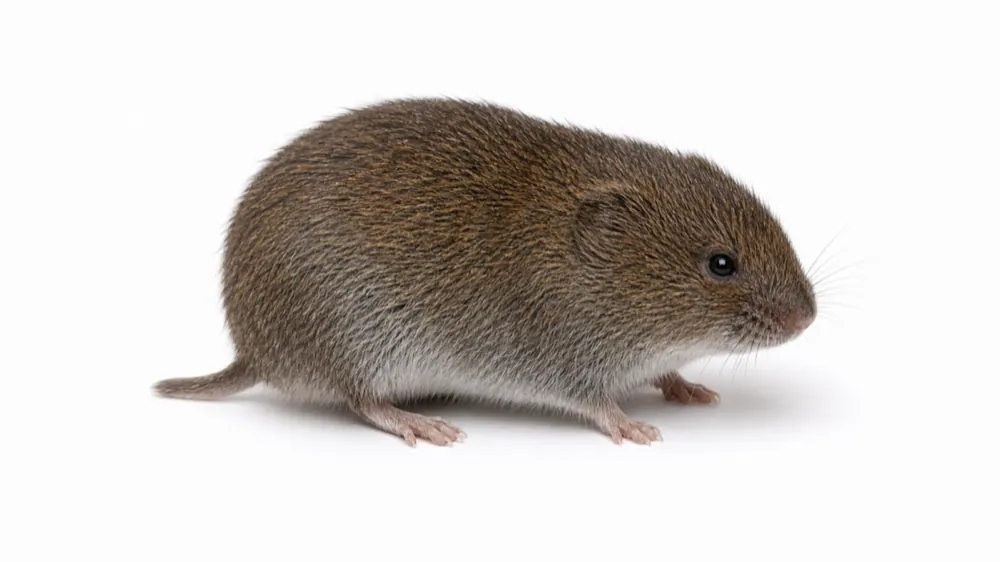
- Surface runways and short tails point toward meadow voles.
- Large blunt droppings and heavy gnaw marks point toward rats, not white-footed mice.
Lookalike Comparison
Lookalikes to compare with White-Footed Mouse.
Droppings, gnaw marks, rub marks, burrows, and noise timing tell you more than a quick sighting.
Biology And Behavior
White-footed mouse pressure follows wooded edges into structures.
White-footed mice do well where brush, trees, cover, food, and building gaps meet. Around Cincinnati properties, that often means garages, basements, sheds, and storage areas next to wooded or field-edge habitat.
Specimen ReferenceWhite-Footed MousePeromyscus leucopus
Brush, mature trees, creek corridors, and field borders can support activity.
Droppings alone may not separate species; the property context matters.
Entry sealing and cover reduction near buildings are the most durable levers.
Nesting, Habitat, And Food
Where White-Footed Mouse activity usually starts.
Trees, brush, leaf litter, and stored seed can keep pressure close.
Door seals, corners, pet food, and storage are common starting points.
Utility penetrations and sill gaps can connect outdoor edges to interior space.
Seasonal Activity
When White-Footed Mouse pressure is most visible locally.
White-footed mice are active year-round, with structural pressure often more visible when cooler weather makes garages and basements attractive shelter.
Activity WindowJan through Dec
JanFebMarAprMayJunJulAugSepOctNovDec
Control Logic
How a technician reads White-Footed Mouse activity.
Good white-footed mouse control treats the home and the surrounding edge together: seal the structure, reduce shelter and food near the exterior, place traps on confirmed routes, and clean droppings safely.
Read the evidence before setting devices.
- Track where White-Footed Mouse is appearing before treatment.
- Reduce moisture, clutter, food access, or exterior harborage where possible.
- Avoid heavy DIY spray use when identification is uncertain.
- Use the service page or quote form when activity repeats or spreads.
Why entry points matter as much as trapping.
- Confirm the White-Footed Mouse identification before choosing products or methods.
- Inspect Wooded lots, garages, basements and surrounding entry routes.
- Match the treatment plan to the source condition, not just visible activity.
- Document recommendations so prevention steps are clear after service.
Keep Comparing
Profiles to compare with White-Footed Mouse.

Sources & Further Reading
White-Footed Mouse references used for this profile.
These references support the evidence, biology, and exclusion notes used in this rodent profile.
Reference 01U.S. Fish & Wildlife Service
Federal taxonomy reference for Peromyscus leucopus.
Reference 02Animal Diversity WebWhite-footed mouse distribution, habitat, physical description, and Peromyscus comparison notes.
Reference 03EPA Identify And Prevent RodentsGeneral rodent evidence, exclusion, food-source reduction, and prevention guidance.
Reference 04CDC Rodent CleanupSafe cleanup guidance for rodent droppings, urine, nests, and contaminated storage.
Need Confirmation?
Need help confirming White-Footed Mouse?
Droppings, rub marks, gnawing, and noise timing can tell a technician whether the issue is active and where to start.