
Rodents Field Profile
Meadow Vole
Microtus pennsylvanicus
Order Rodentia / Family Cricetidae / Microtus pennsylvanicus
Meadow voles are short-tailed, stocky, ground-dwelling rodents that create lawn, bed, and ground-cover damage. They are often called meadow mice, but the surface runways, clipped vegetation, short tail, and outdoor habitat separate them from house mice.
Field ID Snapshot
Meadow Vole identification starts with evidence.
Confirm meadow voles by outdoor evidence: compact body, short tail, shallow burrows, narrow surface runways through grass or ground cover, clipped vegetation, small greenish droppings in runways, and damage around lawns, beds, young trees, and dense vegetation.
Voles look heavier and shorter-tailed than mice.
Aboveground runways through turf or ground cover are the strongest clue.
Runways often connect multiple shallow burrow openings.
Grass, bulbs, roots, tubers, and bark can all be damaged.
Voles are active year-round and do not need to be indoors to cause damage.
Dense cover and food can let populations build fast.
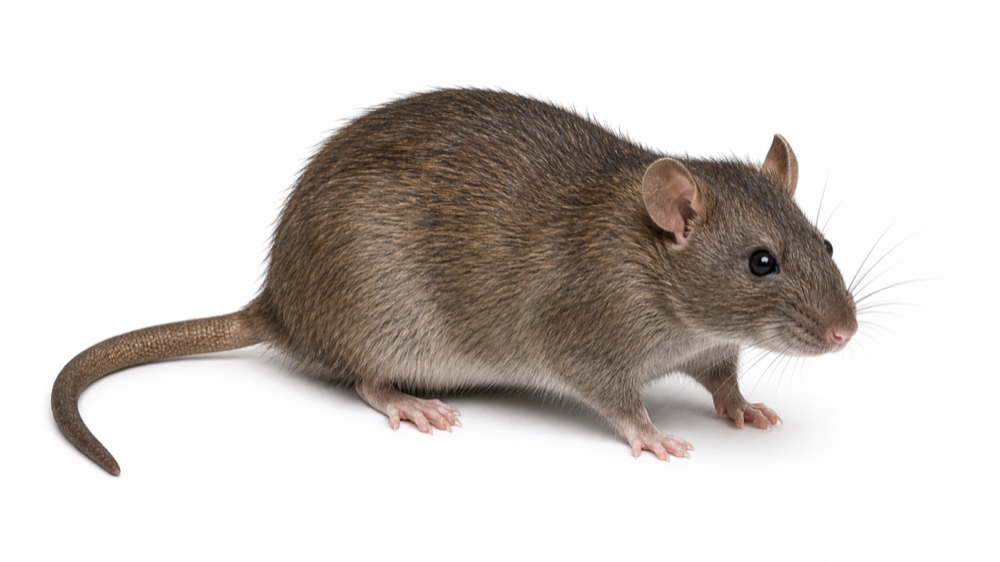
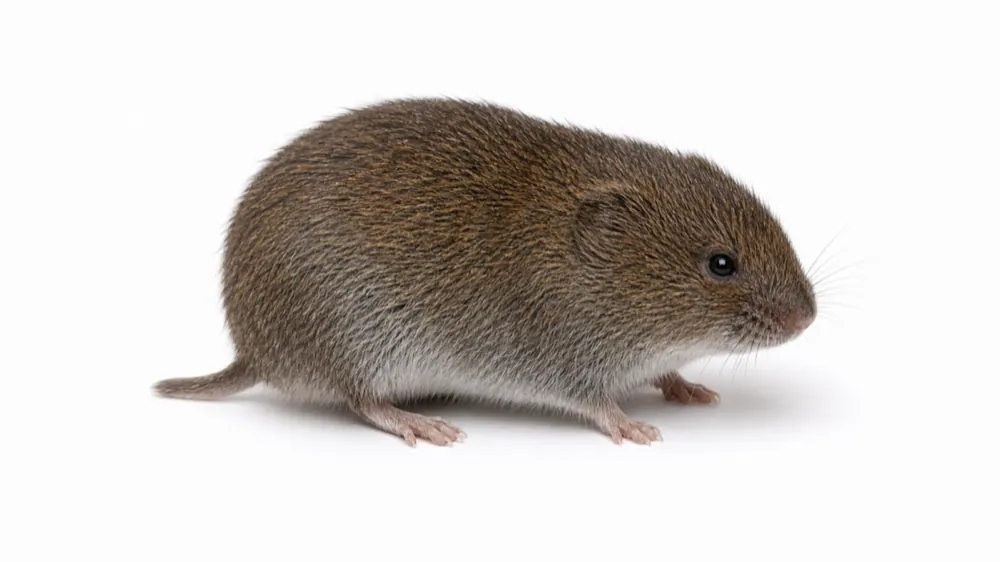 Macro view
Macro viewStart with the actual specimen.
Use the macro photo to slow the identification down: body shape, proportions, color pattern, and visible structures should match before the location clues are weighed.
Field evidenceField evidenceThen match the source pattern.
The strongest ID pairs stocky, short-tailed with a source that makes sense: lawns, beds, ground cover. Then compare against similar pests in the library; a better match should shift the identification.
Clues that make meadow vole more likely.
- Narrow surface runways through lawn, mulch, ivy, beds, or ground cover.
- Clipped vegetation, greenish rice-like droppings, and small burrow openings in active paths.
- Gnawing or girdling near tree bases, shrubs, bulbs, roots, or low ornamental plantings.
- Damage revealed after snow melt or in dense vegetation where runways were hidden.
Clues that point away from meadow vole.
- Indoor droppings around food and baseboards point toward house mice rather than voles.
- Raised soil mounds and deep tunnels without surface runways may point toward moles.
- Long pointed snouts and tiny hidden eyes point toward shrews.
- Large burrows, heavy gnawing, and blunt rat droppings point toward Norway rats.
Lookalike Comparison
Lookalikes to compare with Meadow Vole.
Droppings, gnaw marks, rub marks, burrows, and noise timing tell you more than a quick sighting.
Biology And Behavior
Meadow vole pressure is a turf and ground-cover problem.
Meadow voles live close to the ground in cover. They build runway networks where grass, mulch, weeds, ground cover, and plant food give them protection and a reason to stay.
Specimen ReferenceMeadow VoleMicrotus pennsylvanicus
Tall grass, weeds, mulch, ivy, and low shrubs protect vole routes.
The same paths that protect voles can expose lawn, roots, bulbs, and bark damage.
Reducing cover around vulnerable plants is often the first useful step.
Nesting, Habitat, And Food
Where Meadow Vole activity usually starts.
Runways may show up after snow melt or when grass is pulled back.
Dense plantings, ivy, and mulch help voles move unnoticed.
Young trees and shrubs can be damaged by bark gnawing near the ground.
Seasonal Activity
When Meadow Vole pressure is most visible locally.
Meadow voles are active year-round. Damage often becomes most obvious after winter snow cover or during seasons when dense vegetation hides their runway systems.
Activity WindowYear-round
JanFebMarAprMayJunJulAugSepOctNovDec
Control Logic
How a technician reads Meadow Vole activity.
Good meadow vole work starts with correct ID. The fix is usually outside: reduce cover, protect vulnerable trunks, confirm active runways, and use targeted trapping or professional wildlife guidance where needed.
Read the evidence before setting devices.
- Track where Meadow Vole is appearing before treatment.
- Reduce moisture, clutter, food access, or exterior harborage where possible.
- Avoid heavy DIY spray use when identification is uncertain.
- Use the service page or quote form when activity repeats or spreads.
Why entry points matter as much as trapping.
- Confirm the Meadow Vole identification before choosing products or methods.
- Inspect Lawns, beds, ground cover and surrounding entry routes.
- Match the treatment plan to the source condition, not just visible activity.
- Document recommendations so prevention steps are clear after service.
Keep Comparing
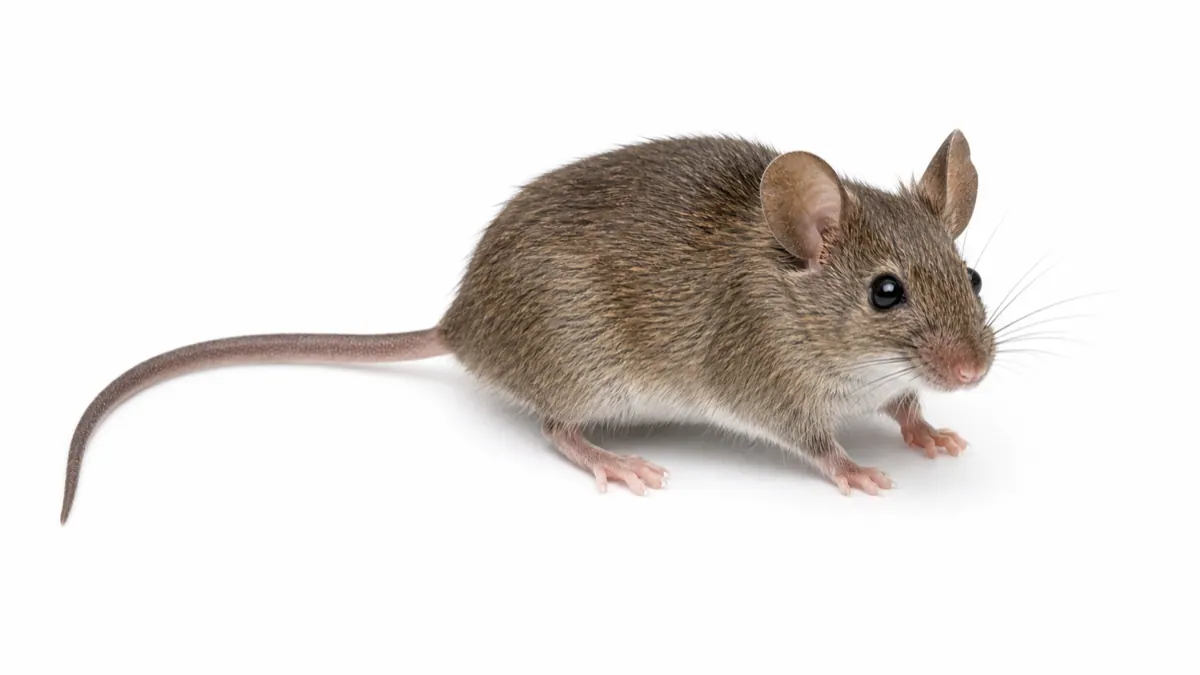
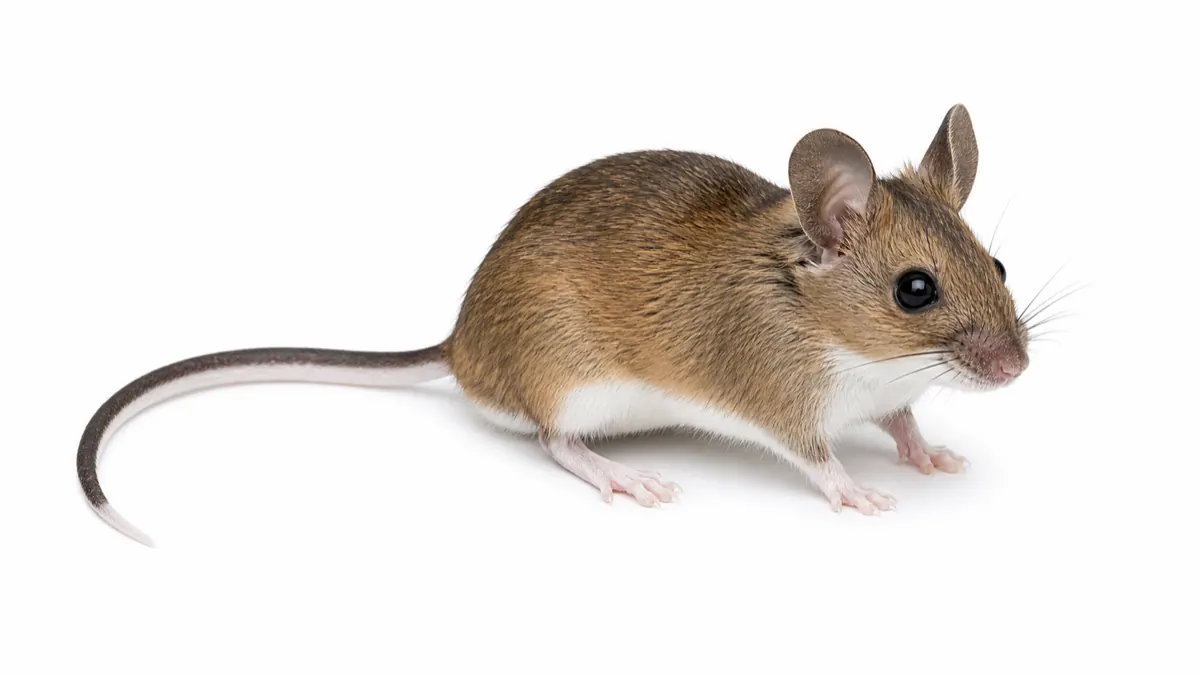
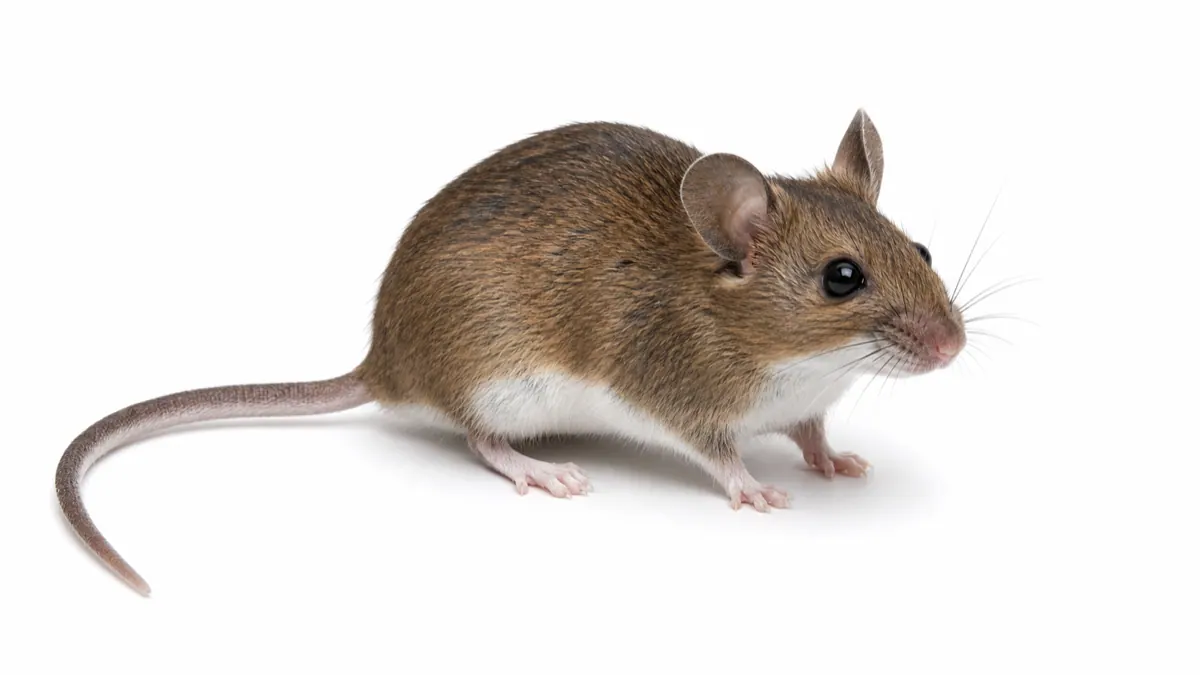
Profiles to compare with Meadow Vole.
Sources & Further Reading
Meadow Vole references used for this profile.
These references support the evidence, biology, and exclusion notes used in this rodent profile.
Reference 01UC IPM Voles
Vole identification, runway signs, biology, damage, and management guidance.
Reference 02Penn State ExtensionMeadow vole signs, surface runways, damage patterns, and control options.
Reference 03Animal Diversity WebMeadow vole taxonomy, habitat, distribution, and biology reference.
Reference 04USDA Forest Service FEISMicrotus pennsylvanicus taxonomy, distribution, habitat, and ecology reference.
Need Confirmation?
Need help confirming Meadow Vole?
Droppings, rub marks, gnawing, and noise timing can tell a technician whether the issue is active and where to start.