
Ants Field Profile
Carpenter Ant
Camponotus spp.
Order Hymenoptera / Family Formicidae / Subfamily Formicinae
Carpenter ants are large Camponotus ants that excavate galleries in wood instead of eating it. The key educational point is not just size: the evidence has to connect large ants, smooth galleries or frass, moisture-damaged wood, and possible satellite nesting.
Field ID Snapshot
Carpenter Ant identification starts with trail behavior.
Confirm carpenter ants by combining body structure with wood evidence. Large black ants alone are not enough; field ants and other large ants can look similar without the same structural nesting pattern.
Workers are often much larger than nuisance ants, and colonies may include different worker sizes.
A smooth, evenly rounded thorax helps separate carpenter ants from field ants.
A single waist node supports Camponotus rather than two-node ants like pavement or pharaoh ants.
They excavate wood into smooth galleries and may push sawdust-like debris from openings.
Window trim, decks, roof leaks, porch posts, and wall voids with moisture are higher-value inspection areas.
Indoor winged ants can indicate a mature nest in or near the structure.
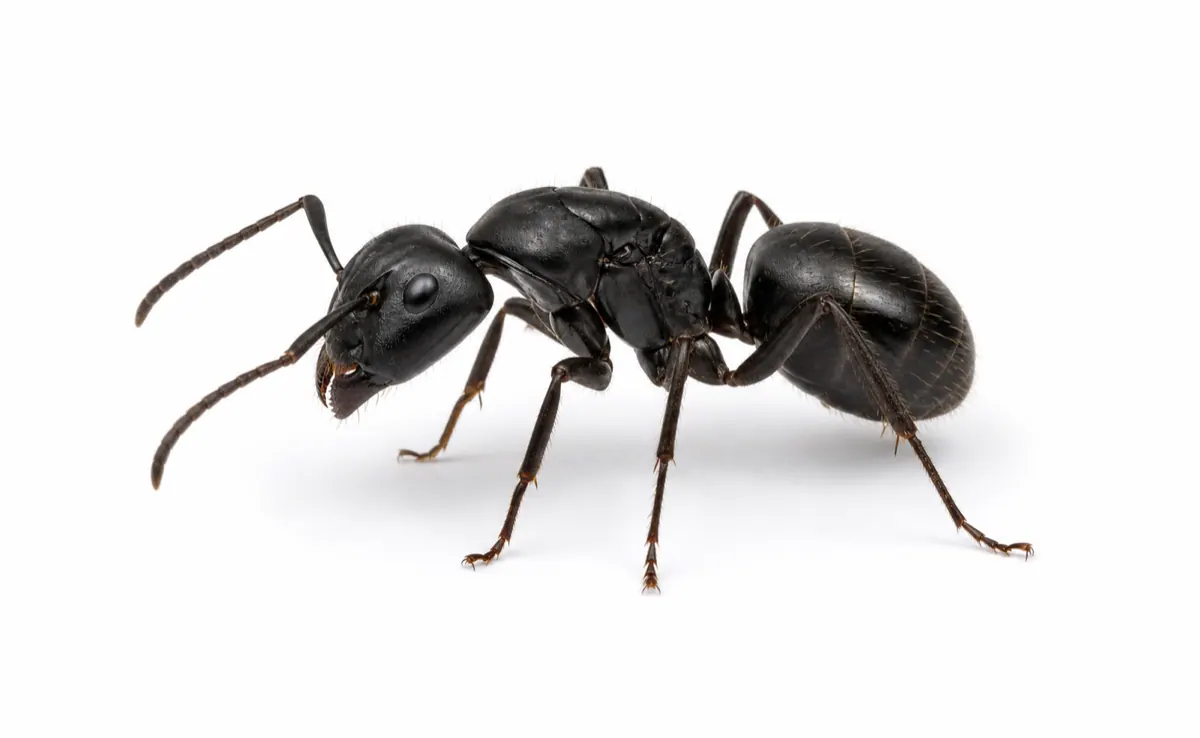 Macro view
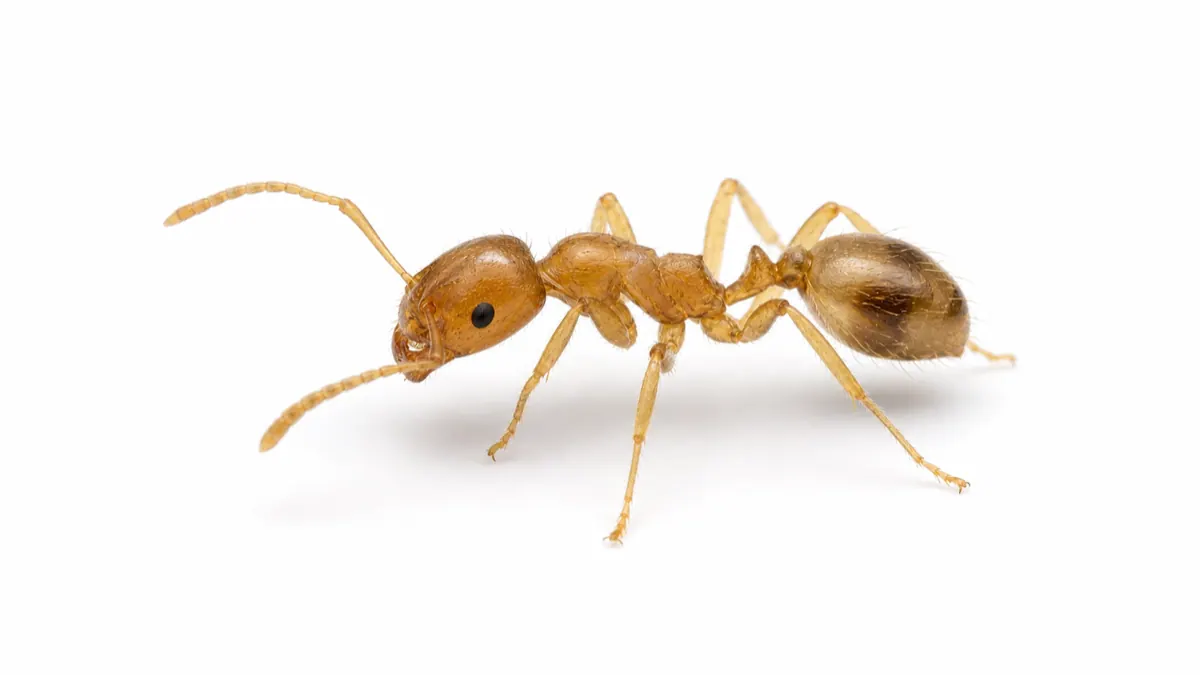
Macro viewStart with the actual specimen.
Use the macro photo to slow the identification down: body shape, proportions, color pattern, and visible structures should match before the location clues are weighed.
Field evidenceField evidenceThen match the source pattern.
The strongest ID pairs large, variable workers with a source that makes sense: moist wood, decks, wall voids. Then compare against similar pests in the library; a better match should shift the identification.
Clues that make carpenter ant more likely.
- Large black or black-and-red ants with one node and an evenly rounded thorax.
- Sawdust-like frass, smooth galleries, rustling, or repeated activity near damp or damaged wood.
- Workers appearing from trim, windows, porch posts, roof leaks, decks, or wall voids.
- Large winged ants indoors, especially near windows or light sources.
Clues that point away from carpenter ant.
- Small organized kitchen trails without wood evidence fit odorous house ants or pavement ants better.
- Large mound-building ants outdoors with a depressed thorax may be field ants.
- Hidden wood-damage clues should be identified before assuming carpenter ants.
- Old sawdust, construction dust, or unrelated wood debris should not be treated as active evidence by itself.
Lookalike Comparison
Lookalikes to compare with Carpenter Ant.
Trails, size, odor, nesting location, and moisture clues separate one ant problem from another.
Biology And Behavior
Carpenter ant pressure starts with wood, moisture, and satellite nesting.
Carpenter ants do not consume wood. They excavate galleries for nesting, often starting with softened or moisture-damaged wood, then expanding into structural voids or nearby satellite nests as the colony grows.
Specimen ReferenceCarpenter AntCamponotus spp.
Large colonies may maintain a parent nest outdoors and satellite nests closer to structure warmth or moisture.
Workers feed on insects, sweets, proteins, and honeydew while nesting separately from food sources.
Damage comes from removing wood for galleries, not from digesting cellulose.
Nesting, Habitat, And Food
Where Carpenter Ant activity usually starts.
Start with leaks, window trim, decks, porch posts, roof edges, and wood touching masonry or soil.
Stumps, logs, firewood, fences, and tree cavities can support nearby colonies.
Frass piles, sound, and indoor swarmers make the inspection more urgent.
Seasonal Activity
When Carpenter Ant pressure is most visible locally.
In Cincinnati, carpenter ant visibility rises from spring through fall, but indoor satellite nests can show activity during colder months when structure heat protects the colony.
Activity WindowMar through Oct
JanFebMarAprMayJunJulAugSepOctNovDec
Control Logic
How a technician reads Carpenter Ant activity.
Good carpenter ant control starts with confirming the nest relationship: outdoor colony, indoor satellite, or moisture-damaged structural nesting.
Confirm the trail before spraying.
- Save specimens or photos with a size reference before cleaning the area.
- Look for leaks, damp wood, roofline moisture, window trim damage, and wood-to-soil contact.
- Do not seal active openings until the route is documented.
- Move firewood, logs, and stored lumber away from the structure.
Why the ant species changes the plan.
- Confirm Camponotus traits and separate carpenter ants from field ants and other lookalikes.
- Trace worker movement between food, moisture, exterior wood, and possible satellite nests.
- Treat the colony source and recommend moisture or wood correction where needed.
- Recheck for surviving satellite activity after the initial service.
Keep Comparing
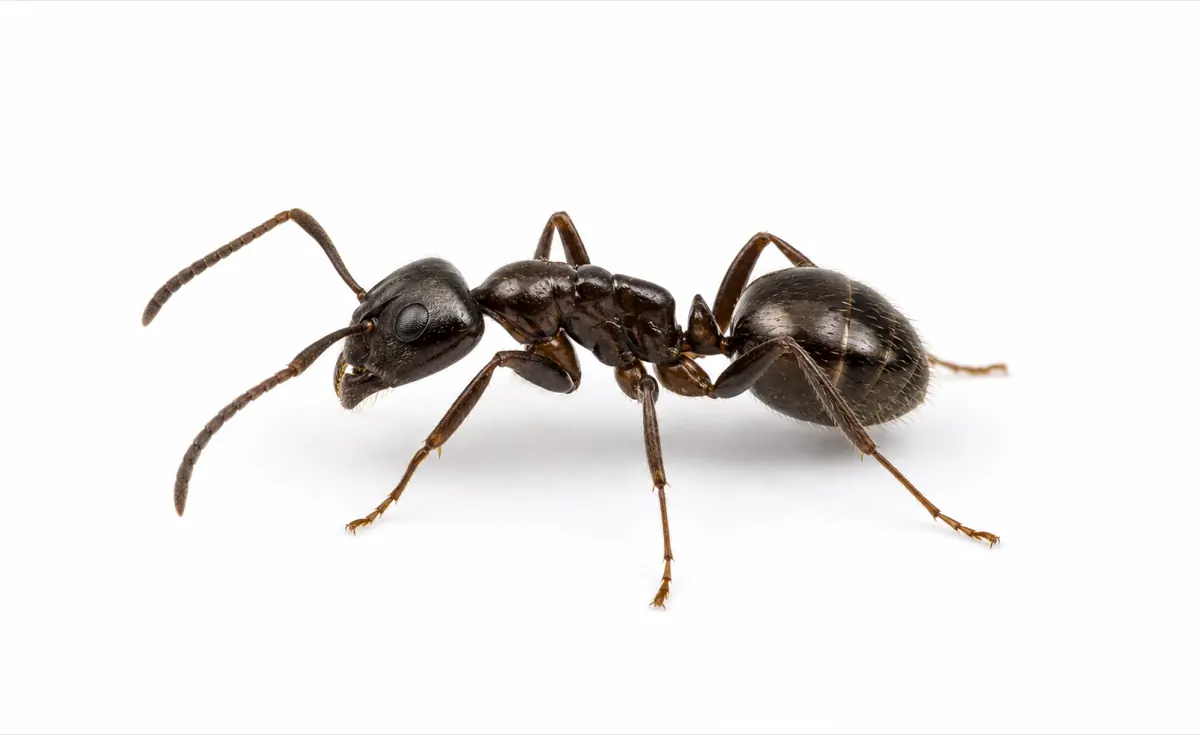
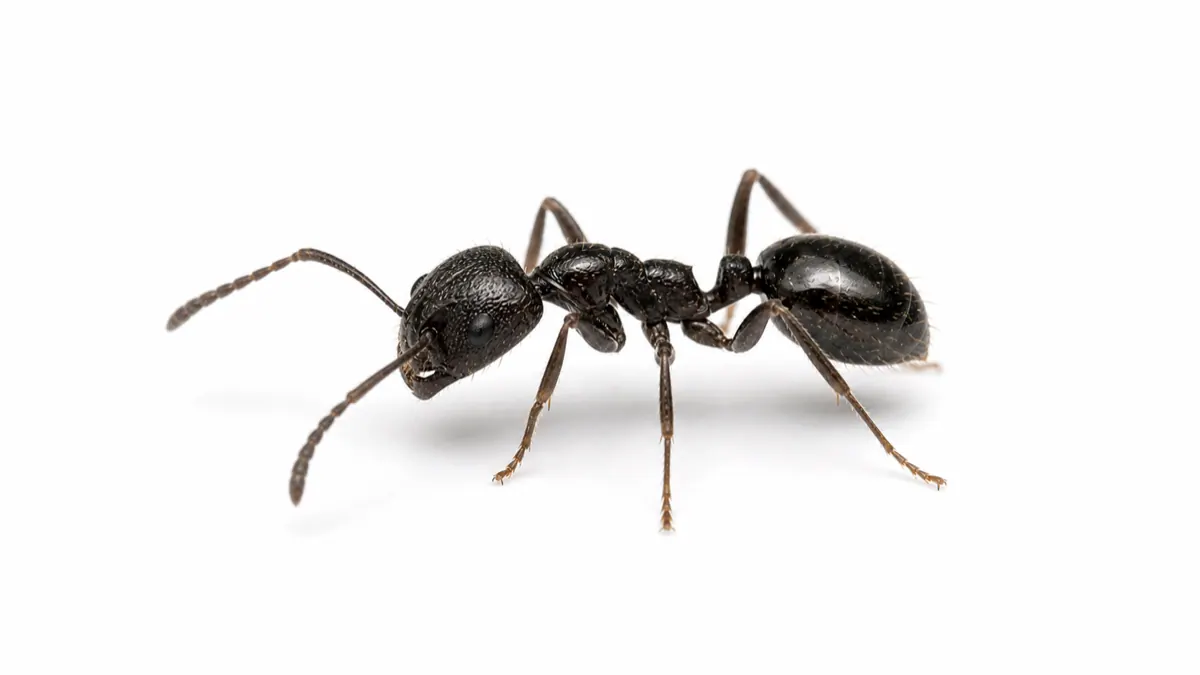
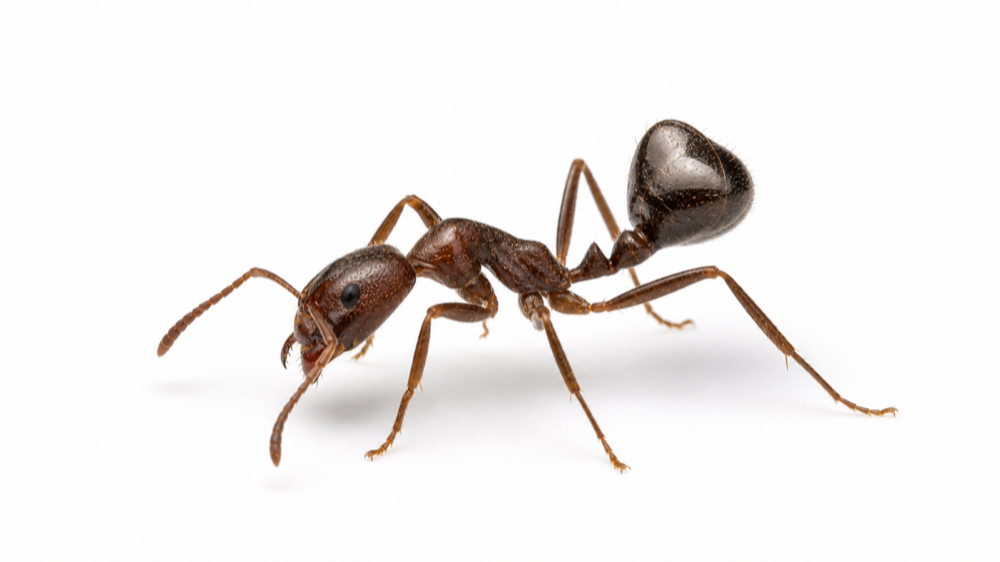
Profiles to compare with Carpenter Ant.
Sources & Further Reading
Carpenter Ant references used for this profile.
These references help verify ant identification, nesting behavior, and colony movement.
Reference 01Ohio State University Extension
Ohio carpenter ant identification, biology, nesting, and structural evidence.
Reference 02University of Minnesota ExtensionCarpenter ant field marks, food preferences, and home management guidance.
Reference 03University of Nevada ExtensionHomeowner carpenter ant identification and management guide.
Reference 04University of Kentucky EntomologyCarpenter ant biology and structural control reference.
Need Confirmation?
Need help confirming Carpenter Ant?
A clear photo, trail location, and where activity repeats can usually narrow the ant species quickly.