
Ants Field Profile
Pharaoh Ant
Monomorium pharaonis
Order Hymenoptera / Family Formicidae / Subfamily Myrmicinae
Pharaoh ants are tiny yellowish indoor ants that deserve careful identification because the wrong treatment can split colonies and spread activity. Their biology centers on warm hidden nesting, multiple queens, and bait-sensitive control.
Field ID Snapshot
Pharaoh Ant identification starts with trail behavior.
Confirm pharaoh ants with small size, yellow to reddish color, two nodes, antenna club details, and indoor nesting behavior in warm humid voids.
Workers are very small and easy to confuse with other small indoor ants.
The pale yellow or red-yellow color separates them from tiny black ants.
Two waist nodes help separate pharaoh ants from odorous house ants.
Close inspection helps separate pharaoh ants from thief ants.
Wall voids, baseboards, counters, pipes, heat ducts, and multi-unit interiors are important.
Colonies can split and spread when disturbed by repellent products.
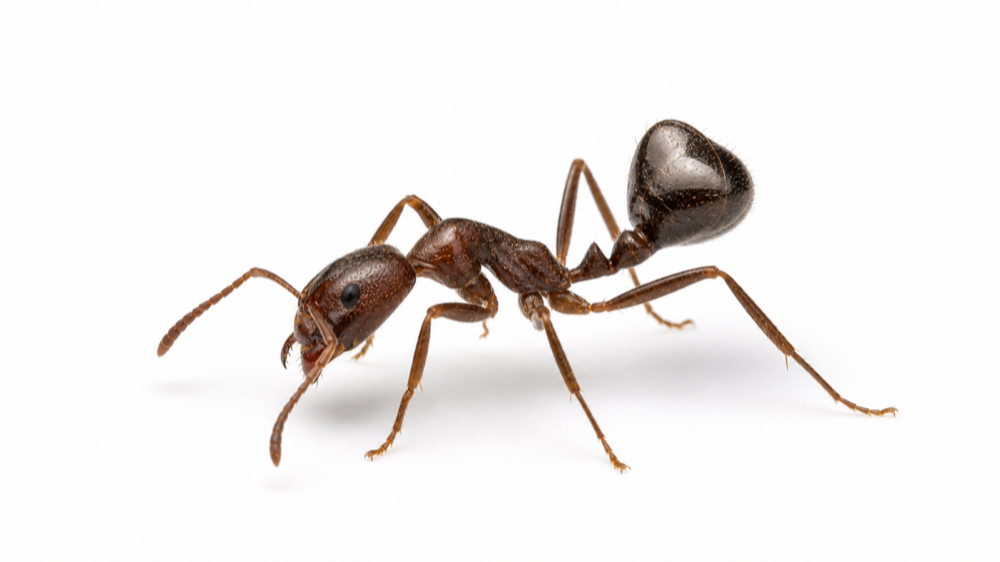
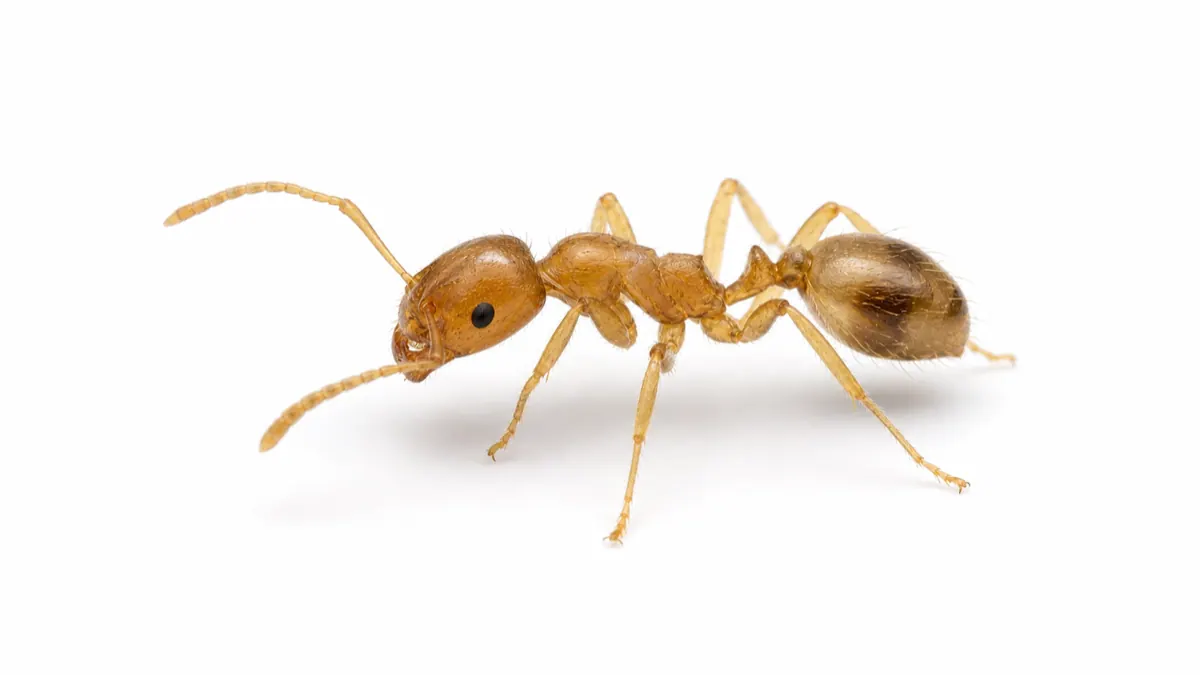 Macro view
Macro viewStart with the actual specimen.
Use the macro photo to slow the identification down: body shape, proportions, color pattern, and visible structures should match before the location clues are weighed.
Field evidenceField evidenceThen match the source pattern.
The strongest ID pairs tiny, about 2 mm with a source that makes sense: multi-unit interiors. Then compare against similar pests in the library; a better match should shift the identification.
Clues that make pharaoh ant more likely.
- Tiny yellow to reddish ants moving indoors in kitchens, baths, wall voids, baseboards, or near heat and water lines.
- Two waist nodes and pale color, with small workers of similar size.
- Activity in apartments, healthcare, dormitory, or multi-unit settings where hidden nesting can spread.
- Persistent trails that do not connect clearly to an outdoor nest.
Clues that point away from pharaoh ant.
- Dark tiny ants with a coconut-like odor point toward odorous house ants.
- Outdoor slab-edge trails and soil piles point toward pavement ants.
- Thief ants are extremely similar and require close antenna-club confirmation.
- Spray-driven spreading after treatment supports a budding ant problem but does not prove pharaoh ants alone.
Lookalike Comparison
Lookalikes to compare with Pharaoh Ant.
Trails, size, odor, nesting location, and moisture clues separate one ant problem from another.
Biology And Behavior
Pharaoh ants are small, indoor, and unusually sensitive to bad control choices.
Pharaoh ants can maintain large hidden colonies with multiple queens and multiple nesting sites. Repellent sprays and disturbance can scatter activity, so identification and bait strategy matter more than quick visible knockdown.
Specimen ReferencePharaoh AntMonomorium pharaonis
Cracks, wall voids, pipe routes, counters, baseboards, and warm humid areas can support nests.
Large colonies can spread through buildings and maintain several active nesting pockets.
Repellent products can worsen the problem by splitting activity.
Nesting, Habitat, And Food
Where Pharaoh Ant activity usually starts.
Inspect plumbing, heat ducts, hot water lines, kitchens, and bathrooms.
Apartments, hospitals, schools, and dormitories need careful coordinated control.
Food preference can change, so bait choice and monitoring matter.
Seasonal Activity
When Pharaoh Ant pressure is most visible locally.
Pharaoh ants can be active year-round indoors because heated structures protect their colonies from outdoor winter conditions.
Activity WindowYear-round
JanFebMarAprMayJunJulAugSepOctNovDec
Control Logic
How a technician reads Pharaoh Ant activity.
Good pharaoh ant control depends on confirmation, baiting, and patience. Avoid repellent sprays and dusts unless a professional has a reason to use them.
Confirm the trail before spraying.
- Track where Pharaoh Ant is appearing before treatment.
- Reduce moisture, clutter, food access, or exterior harborage where possible.
- Avoid heavy DIY spray use when identification is uncertain.
- Use the service page or quote form when activity repeats or spreads.
Why the ant species changes the plan.
- Confirm the Pharaoh Ant identification before choosing products or methods.
- Inspect Multi-unit interiors and surrounding entry routes.
- Match the treatment plan to the source condition, not just visible activity.
- Document recommendations so prevention steps are clear after service.
Keep Comparing
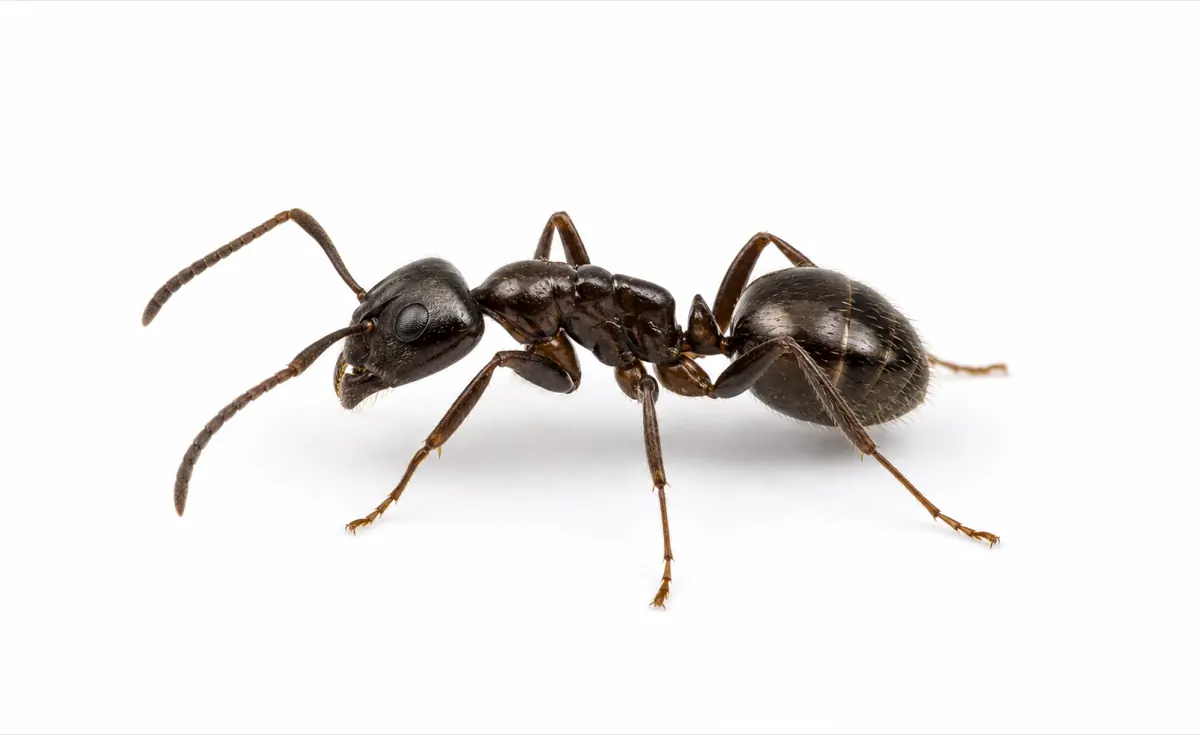
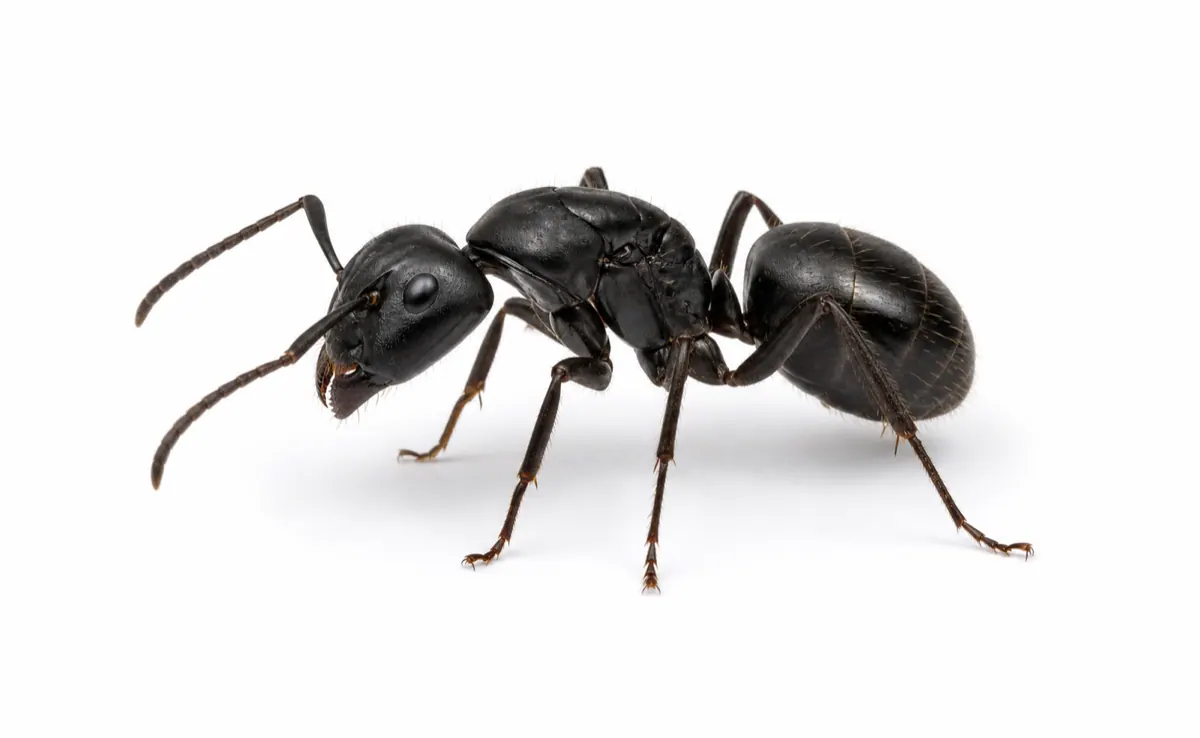
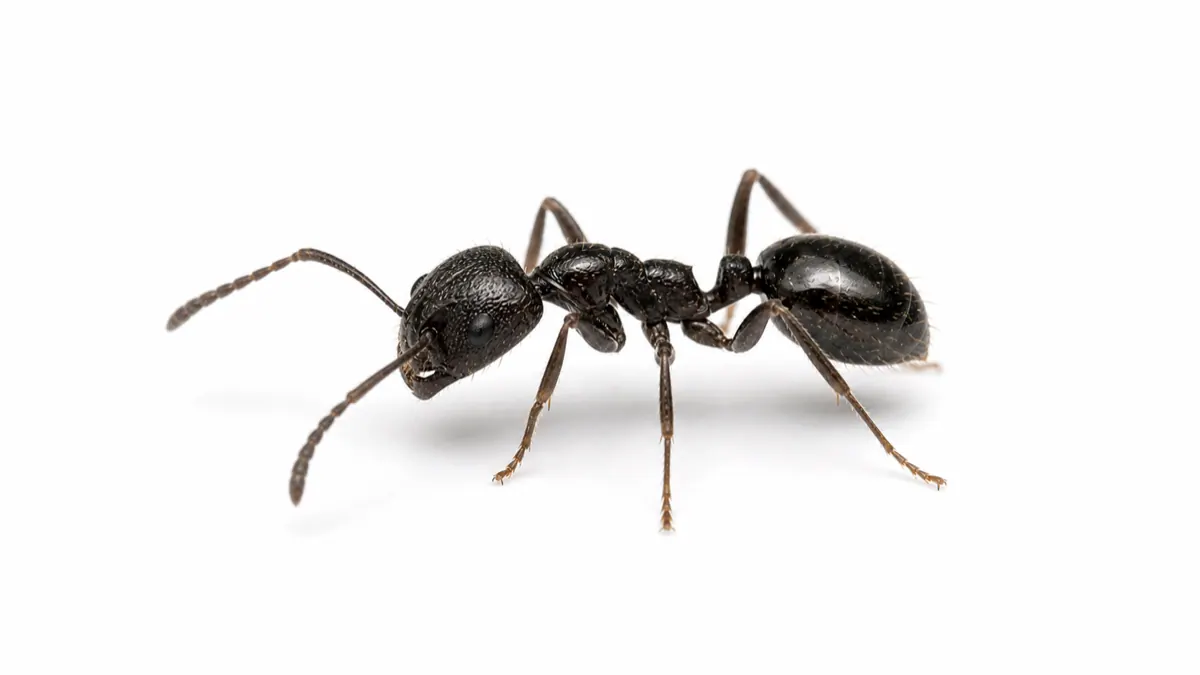
Profiles to compare with Pharaoh Ant.
Sources & Further Reading
Pharaoh Ant references used for this profile.
These references help verify ant identification, nesting behavior, and colony movement.
Reference 01Ohio State University Extension
Ohio pharaoh ant biology and control reference.
Reference 02University of Minnesota ExtensionPharaoh ant identification and professional baiting context.
Reference 03University of Florida IFASPharaoh ant species profile and identification reference.
Reference 04Colorado School IPM HandbookStructural pest identification reference including pharaoh ants.
Need Confirmation?
Need help confirming Pharaoh Ant?
A clear photo, trail location, and where activity repeats can usually narrow the ant species quickly.