
Ants Field Profile
Acrobat Ant
Crematogaster spp.
Order Hymenoptera / Family Formicidae / Subfamily Myrmicinae
Acrobat ants are small Crematogaster ants named for the way they raise the abdomen when disturbed. In homes, the bigger clue is moisture-damaged wood, old galleries, tree limbs, utility lines, or exterior wood routes that let them forage indoors.
Field ID Snapshot
Acrobat Ant identification starts with evidence and timing.
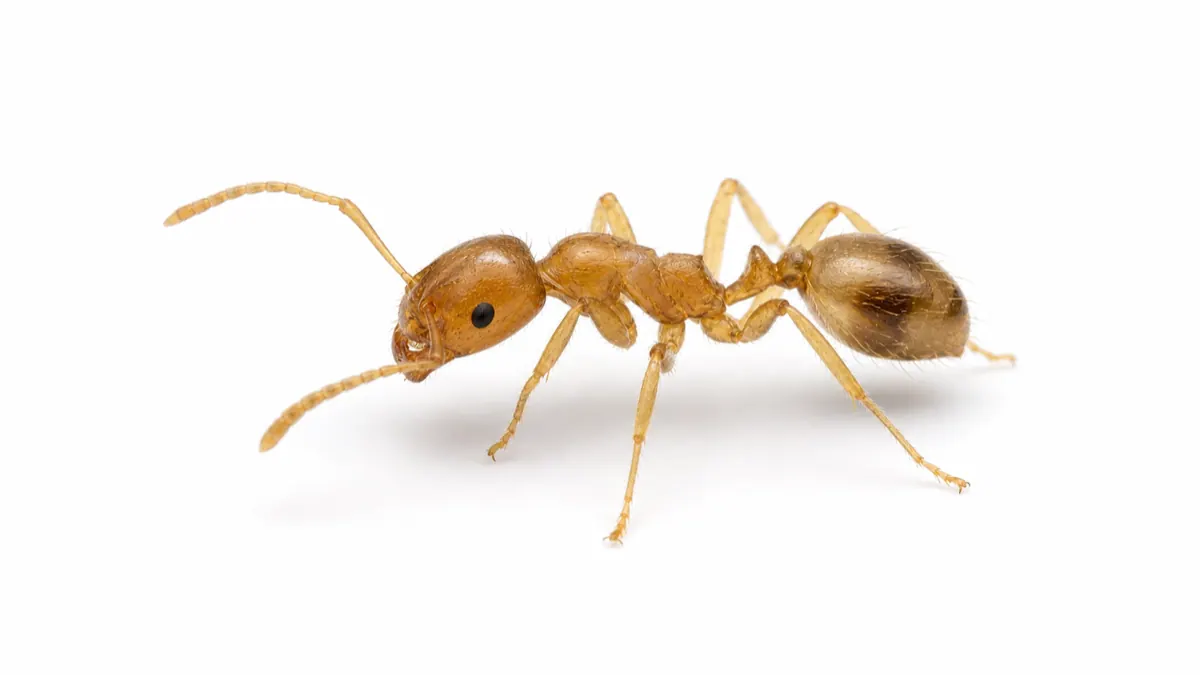
Confirm acrobat ants by looking for the heart-shaped abdomen, small shiny body, two-node waist, and activity connected to moist wood or exterior tree and utility routes.
Small workers can be overlooked until they trail or gather around moisture or wood.
The flattened, heart-like abdomen is the strongest field mark.
Disturbed workers may lift the abdomen over the body, giving the acrobat-ant name.
Two waist nodes separate them from carpenter ants and odorous house ants.
They often use rotten wood, old galleries, foam, insulation voids, or tree-related routes.
Outdoor honeydew sources and insect prey can support trails near the structure.
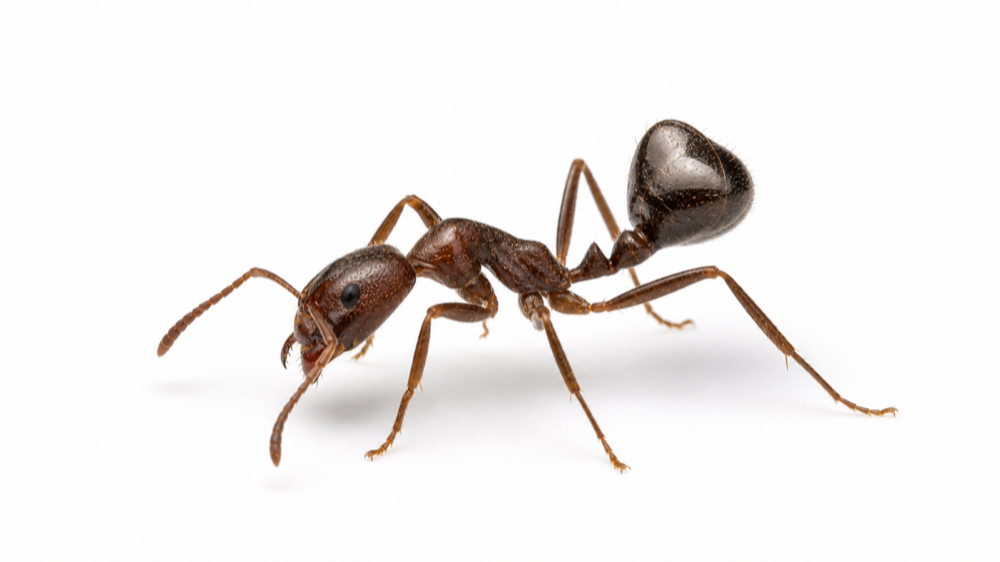 Macro view
Macro viewStart with the actual specimen.
Use the macro photo to slow the identification down: body shape, proportions, color pattern, and visible structures should match before the location clues are weighed.
Field evidenceField evidenceThen match the source pattern.
The strongest ID pairs about 2-3 mm with a source that makes sense: foam insulation, old galleries. Then compare against similar pests in the library; a better match should shift the identification.
Clues that make acrobat ant more likely.
- Small shiny ants with a heart-shaped abdomen that may lift when disturbed.
- Activity around moist trim, decaying wood, old galleries, foam insulation, or tree limbs touching the structure.
- Trails entering along utility lines, wires, branches, siding gaps, or window and door frames.
- Winged reproductives indoors can suggest a nest in or very near the structure.
Clues that point away from acrobat ant.
- Large ants and heavy wood frass suggest carpenter ants instead.
- Tiny kitchen trails without a heart-shaped abdomen may fit odorous house ants or little black ants.
- Two-node slab ants around pavement joints are more likely pavement ants.
- Winged insects should be identified before treatment decisions.
Lookalike Comparison
Animals that can leave Acrobat Ant signs.
Noise timing, entry height, droppings, tracks, and damage patterns keep removal work from turning into guesswork.
Biology And Behavior
Acrobat ant pressure is usually a moisture and old-gallery story.
Acrobat ants commonly nest outdoors in trees, logs, and decaying wood, then forage indoors for food or moisture. When they nest inside, the source often involves damp wood, insulation, or abandoned galleries left by other insects.
Specimen ReferenceAcrobat AntCrematogaster spp.
Rotten wood, old galleries, foam, and insulation edges are more important than dry sound lumber.
Aphids, scale, tree limbs, and honeydew can support exterior colonies close to the house.
The defensive posture is useful during specimen confirmation.
Nesting, Habitat, And Food
Where Acrobat Ant finds shelter around structures.
Check tree contact, utility penetrations, siding gaps, windows, and doors.
Inspect damp trim, fascia, decks, porch posts, and old insect galleries.
Repeated indoor trails may start in wall voids, insulation, or wood softened by moisture.
Seasonal Activity
When Acrobat Ant pressure changes around Cincinnati properties.
Acrobat ants are most visible during warm months, especially around wooded lots and structures with moisture or tree contact.
Activity WindowMar through Oct
JanFebMarAprMayJunJulAugSepOctNovDec
Control Logic
How Acrobat Ant removal and exclusion decisions are made.
Good acrobat ant control confirms whether workers are only foraging inside or nesting in a damp structural void.
Match the animal to the timing and damage.
- Track where Acrobat Ant is appearing before treatment.
- Reduce moisture, clutter, food access, or exterior harborage where possible.
- Avoid heavy DIY spray use when identification is uncertain.
- Use the service page or quote form when activity repeats or spreads.
Why removal timing and access change the plan.
- Confirm the Acrobat Ant identification before choosing products or methods.
- Inspect Foam insulation, old galleries and surrounding entry routes.
- Match the treatment plan to the source condition, not just visible activity.
- Document recommendations so prevention steps are clear after service.
Keep Comparing
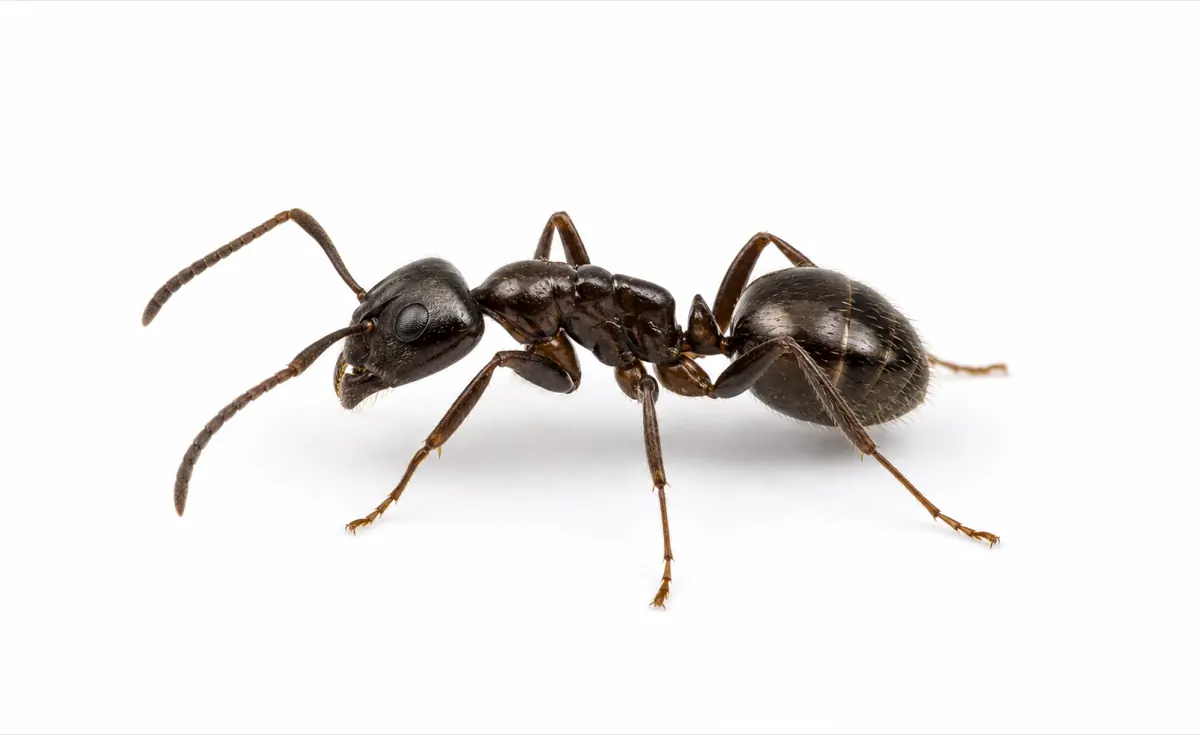
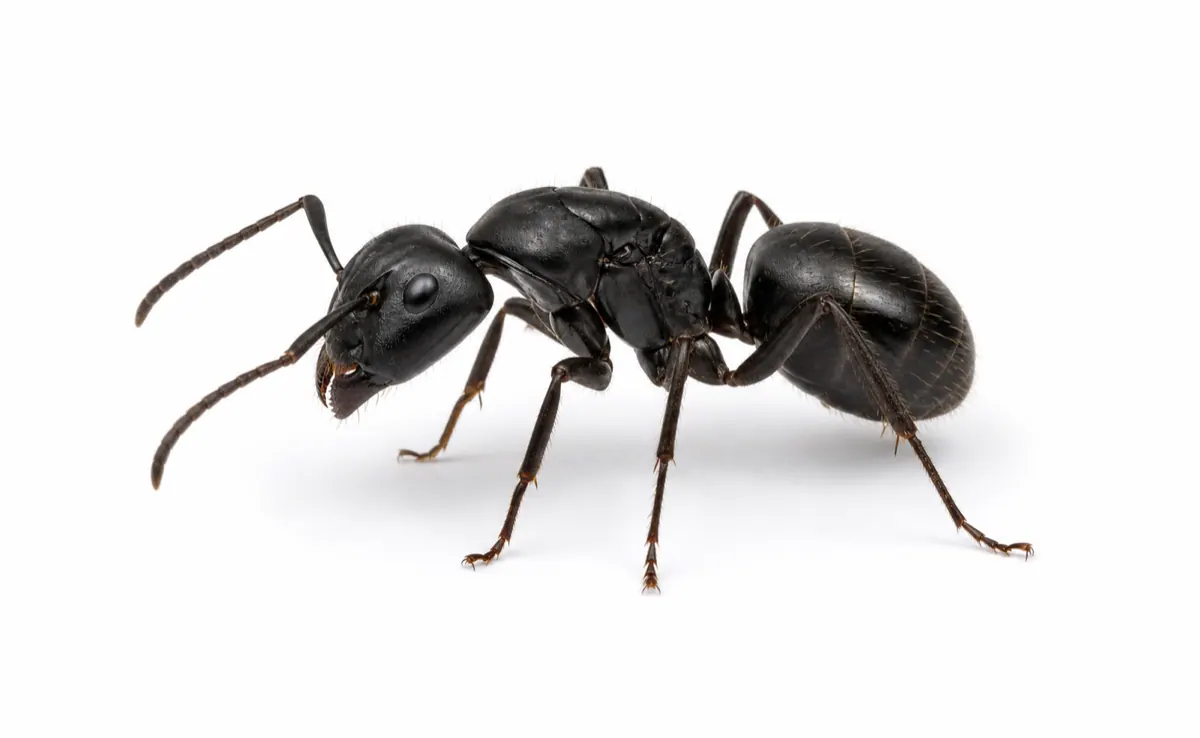
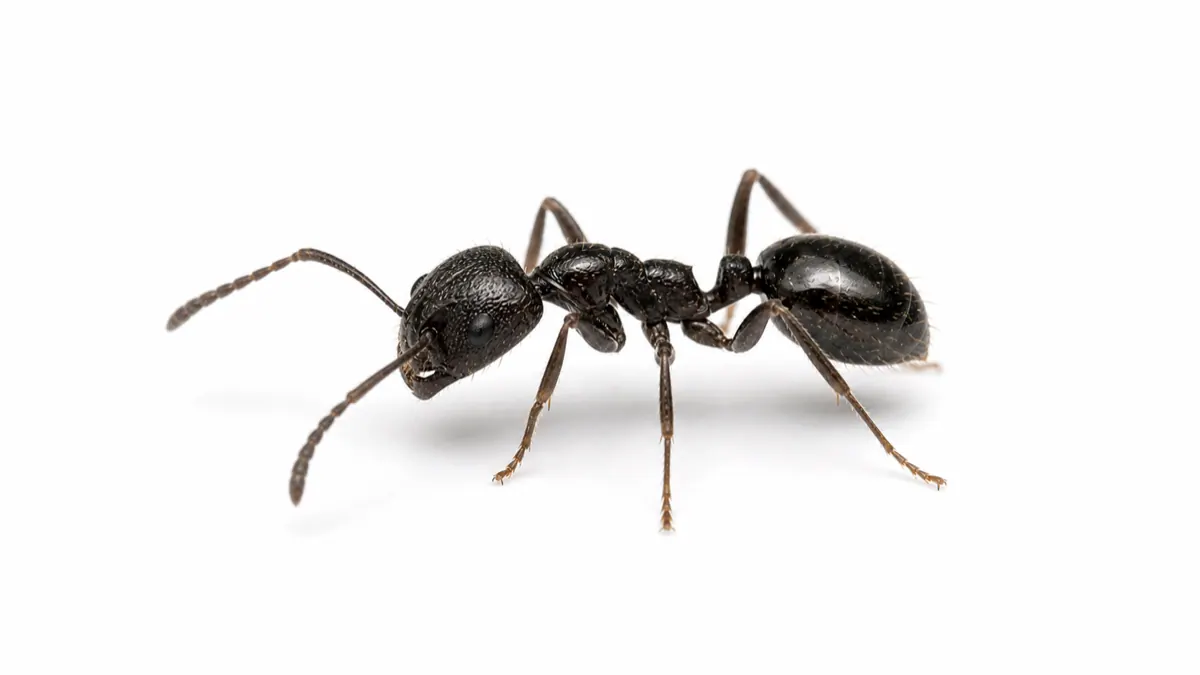
Wildlife profiles to compare with Acrobat Ant.
Sources & Further Reading
Acrobat Ant references used for this profile.
These references support animal behavior, seasonal timing, and humane removal considerations.
Reference 01Virginia Cooperative Extension
Acrobat ant identification, life history, and structural nuisance context.
Reference 02University of Maine ExtensionHomeowner acrobat ant field marks and nesting locations.
Reference 03University of Minnesota ExtensionHousehold ant comparison and acrobat ant control context.
Reference 04University of Missouri ExtensionAnt identification and management reference including acrobat ants.
Need Confirmation?
Need Acrobat Ant identified before removal?
Noise timing, entry height, droppings, and damage pattern usually narrow the animal before a removal plan is quoted.