
Ants Field Profile
Pavement Ant
Tetramorium immigrans
Order Hymenoptera / Family Formicidae / Subfamily Myrmicinae
Pavement ants are small two-node ants strongly associated with soil under slabs, sidewalks, driveways, patios, and foundation edges. Indoors they are usually a foraging or slab-edge problem, not a wood-damage problem.
Field ID Snapshot
Pavement Ant identification starts with trail behavior.
Confirm pavement ants by pairing small size and two-node anatomy with slab, crack, masonry, or pavement-edge activity.
Workers are small enough that trails and soil piles often stand out before body details.
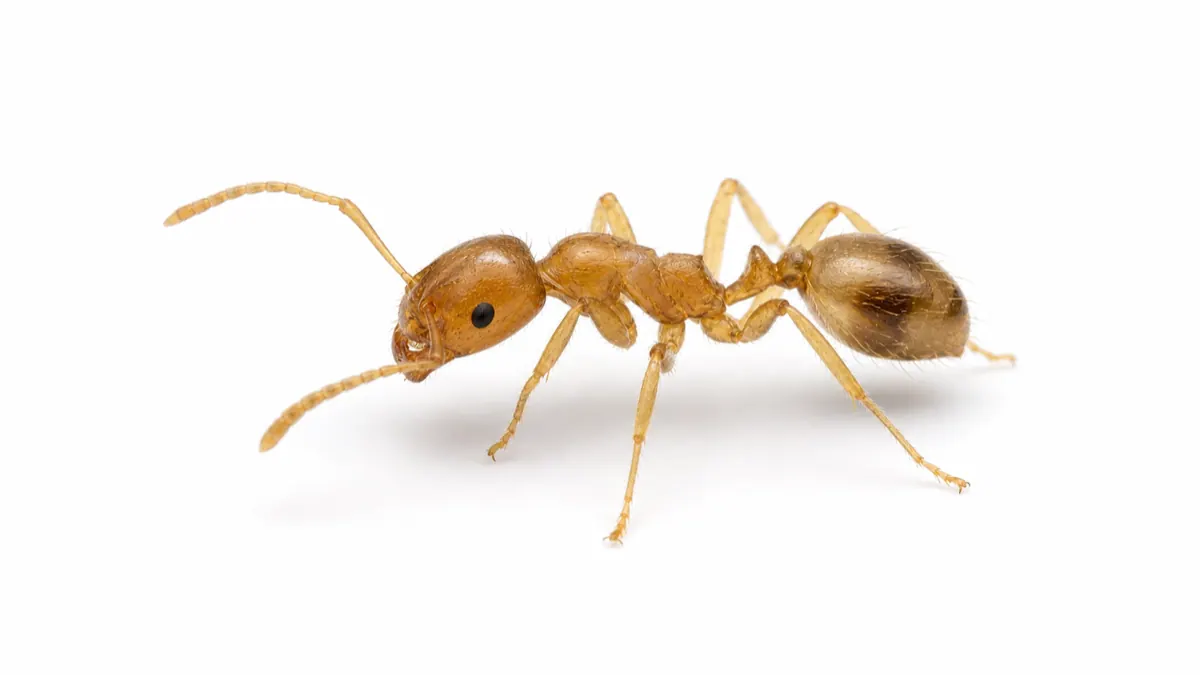
Two waist nodes help separate pavement ants from one-node ants such as odorous house ants.
Close inspection may show parallel grooves on the head and thorax.
Cracks, expansion joints, slab edges, stones, and foundation gaps are common nest zones.
They feed on sweets, grease, proteins, seeds, crumbs, pet food, and insects.
Indoor activity often starts where nests sit under or beside slabs.
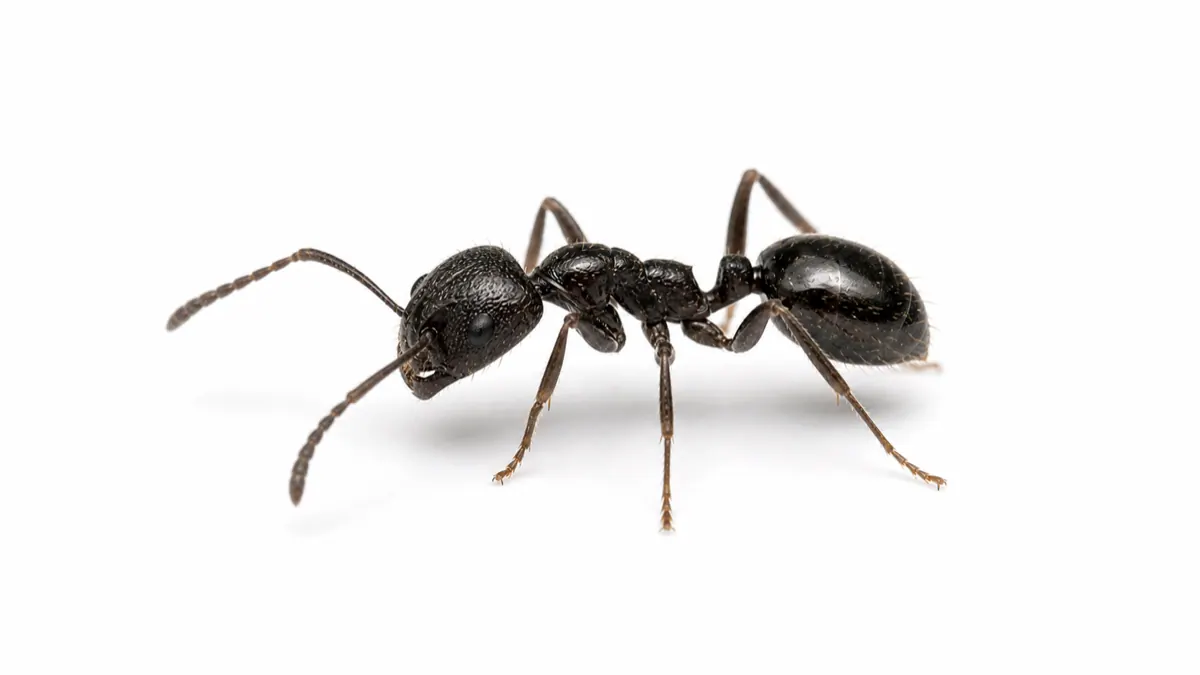 Macro view
Macro viewStart with the actual specimen.
Use the macro photo to slow the identification down: body shape, proportions, color pattern, and visible structures should match before the location clues are weighed.
Field evidenceField evidenceThen match the source pattern.
The strongest ID pairs small workers with a source that makes sense: slabs, driveways, foundations. Then compare against similar pests in the library; a better match should shift the identification.
Clues that make pavement ant more likely.
- Small ants trailing from cracks, slab edges, masonry, patios, sidewalks, or foundation gaps.
- Two waist nodes and grooved head or thorax under close inspection.
- Small soil piles or activity around pavement joints and expansion cracks.
- Indoor trails that connect to a concrete edge, basement slab, garage, or kitchen foundation wall.
Clues that point away from pavement ant.
- A coconut-like odor and one hidden node point toward odorous house ants.
- Large workers or wood frass point toward carpenter ants.
- Yellow indoor ants with aggressive budding concerns point toward pharaoh ants.
- Winged insects should be identified from a clear photo or saved specimen.
Lookalike Comparison
Lookalikes to compare with Pavement Ant.
Trails, size, odor, nesting location, and moisture clues separate one ant problem from another.
Biology And Behavior
Pavement ant behavior follows soil edges and hardscape cracks.
Pavement ants nest in soil where hard surfaces create protected edges. Food trails can extend into basements, kitchens, garages, or lower-level rooms when cracks and foundation lines connect the colony to indoor food or moisture.
Specimen ReferencePavement AntTetramorium immigrans
Sidewalks, patios, driveways, stones, slab edges, and foundation cracks are high-probability zones.
Their broad diet explains why the same colony may appear at pet food, crumbs, or greasy residue.
Indoor sightings often represent foraging from an outdoor or slab-side nest.
Nesting, Habitat, And Food
Where Pavement Ant activity usually starts.
Inspect expansion joints, slab cracks, paver edges, driveway margins, and garage thresholds.
Basement and kitchen activity often follows concrete or masonry routes.
Food cleanup helps, but source tracing still matters when the nest is under hardscape.
Seasonal Activity
When Pavement Ant pressure is most visible locally.
Pavement ants are most noticeable in warm months, but nests under slabs or near heated foundations can create indoor activity outside the main season.
Activity WindowMar through Oct
JanFebMarAprMayJunJulAugSepOctNovDec
Control Logic
How a technician reads Pavement Ant activity.
Good pavement ant control maps the slab or hardscape source first, then uses bait or non-repellent work where trails connect to the nest.
Confirm the trail before spraying.
- Track where Pavement Ant is appearing before treatment.
- Reduce moisture, clutter, food access, or exterior harborage where possible.
- Avoid heavy DIY spray use when identification is uncertain.
- Use the service page or quote form when activity repeats or spreads.
Why the ant species changes the plan.
- Confirm the Pavement Ant identification before choosing products or methods.
- Inspect Slabs, driveways, foundations and surrounding entry routes.
- Match the treatment plan to the source condition, not just visible activity.
- Document recommendations so prevention steps are clear after service.
Keep Comparing
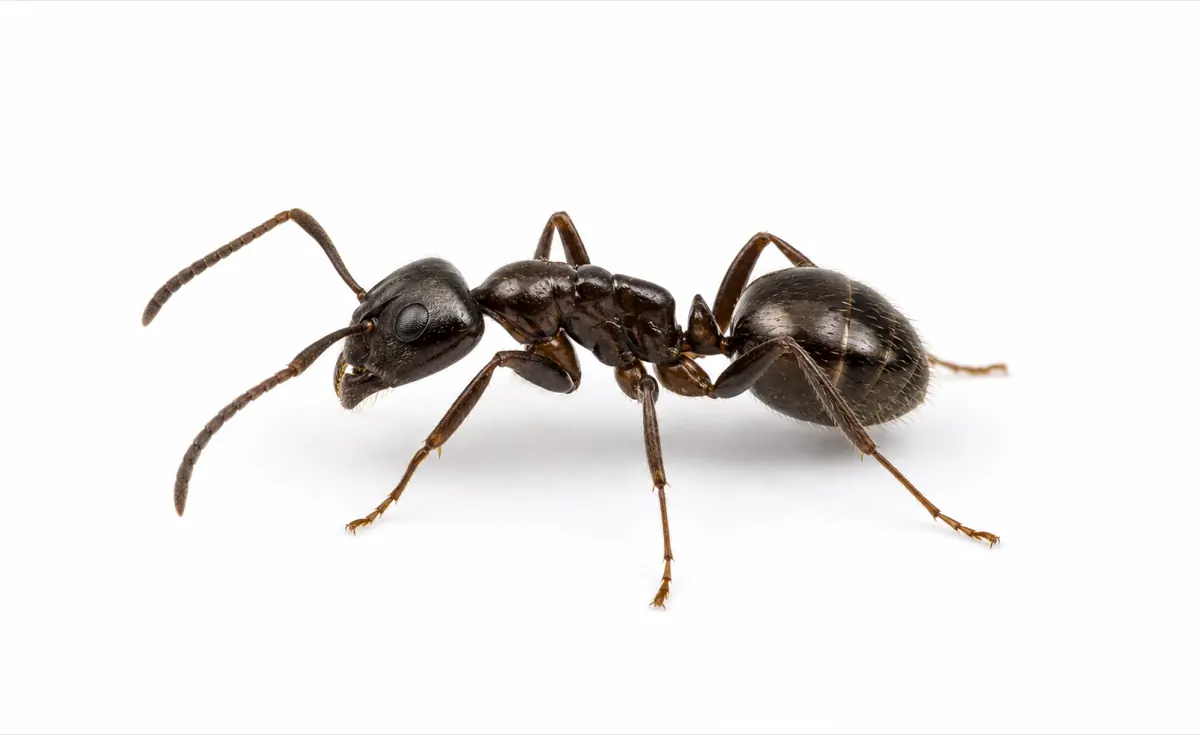
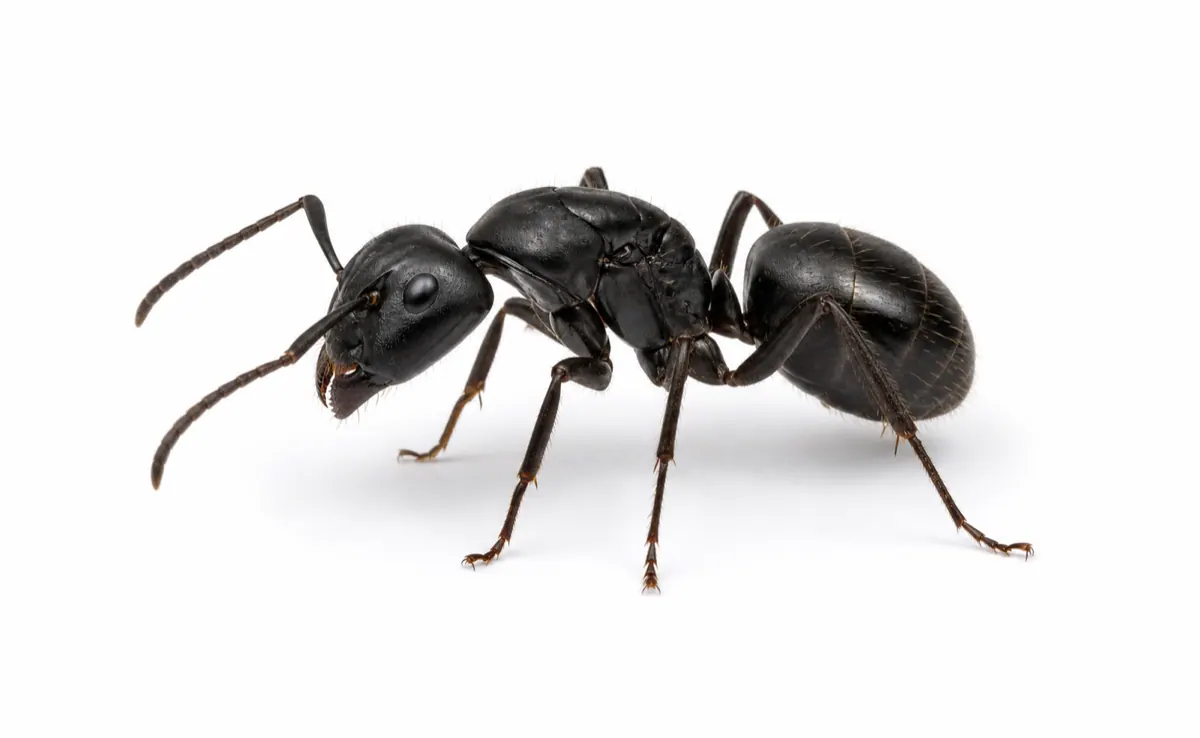
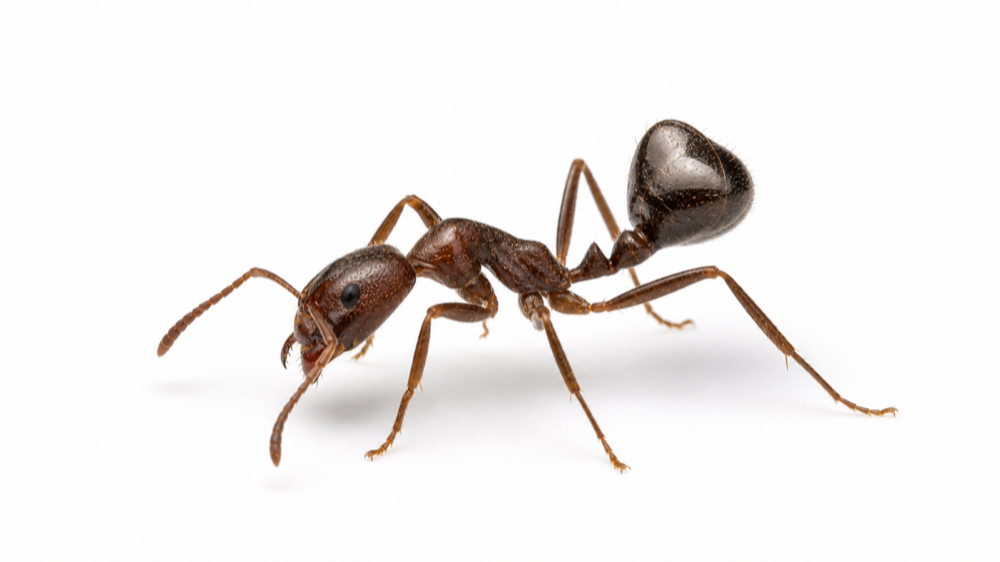
Profiles to compare with Pavement Ant.
Sources & Further Reading
Pavement Ant references used for this profile.
These references help verify ant identification, nesting behavior, and colony movement.
Reference 01Utah State University Extension
Pavement ant identification, biology, nesting, and management.
Reference 02USU Extension FactsheetDetailed Tetramorium immigrans factsheet and updated taxonomy.
Reference 03University of Maine ExtensionHomeowner pavement ant nesting, feeding, and indoor entry reference.
Reference 04Animal Diversity WebTaxonomy, range, and natural history for Tetramorium immigrans.
Need Confirmation?
Need help confirming Pavement Ant?
A clear photo, trail location, and where activity repeats can usually narrow the ant species quickly.