
Ants Field Profile
Odorous House Ant
Tapinoma sessile
Order Hymenoptera / Family Formicidae / Subfamily Dolichoderinae
Odorous house ants are tiny dark ants that form persistent trails along edges, plumbing, and foundation routes. The odor is a useful clue, but the bigger story is colony flexibility: nests can shift between indoor and outdoor pockets as food, moisture, and weather change.
Field ID Snapshot
Odorous House Ant identification starts with trail behavior.
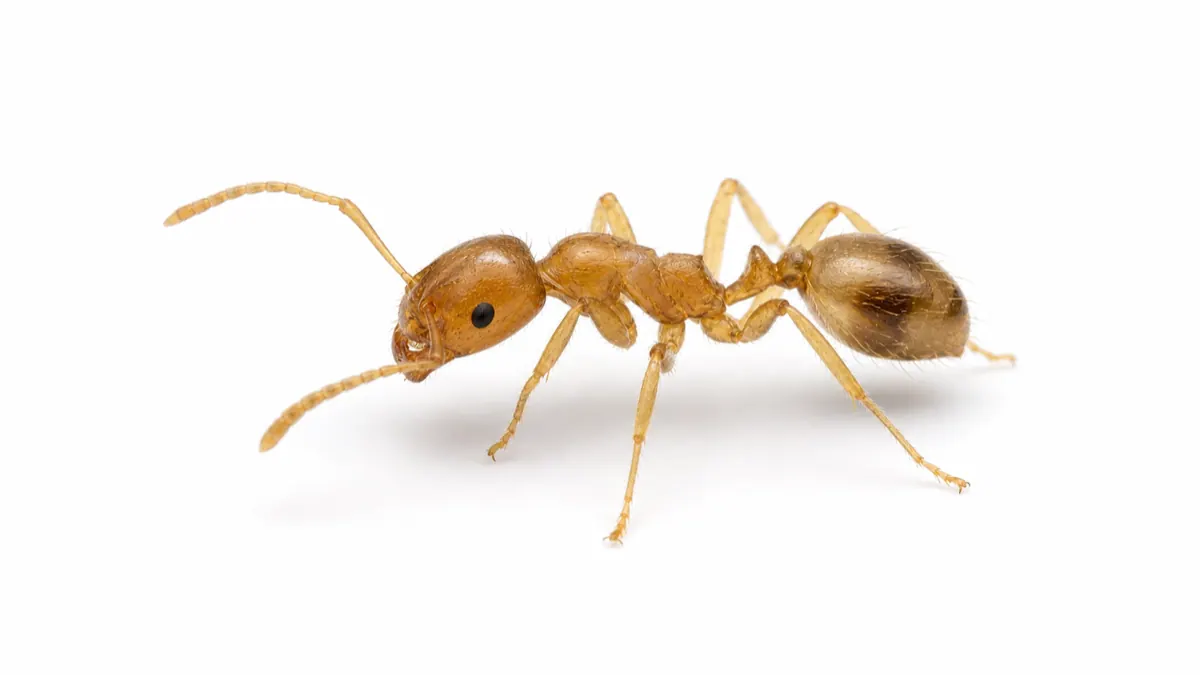
Use body structure and trail behavior together. Size, dark color, and odor narrow the ID, but the hidden one-node petiole and steady edge trails make the profile stronger.
Small enough that the trail pattern often stands out before body details.
Usually uniform in color without the two-toned pattern seen in some other ants.
The petiole is tucked beneath the abdomen, so a side view is more useful than a top-down glance.
A slightly uneven thorax profile helps separate it from several small household ants.
Crushed workers may smell sharp or rotten coconut-like, but odor varies by person and specimen.
Workers commonly use counters, baseboards, plumbing routes, and exterior foundation edges.
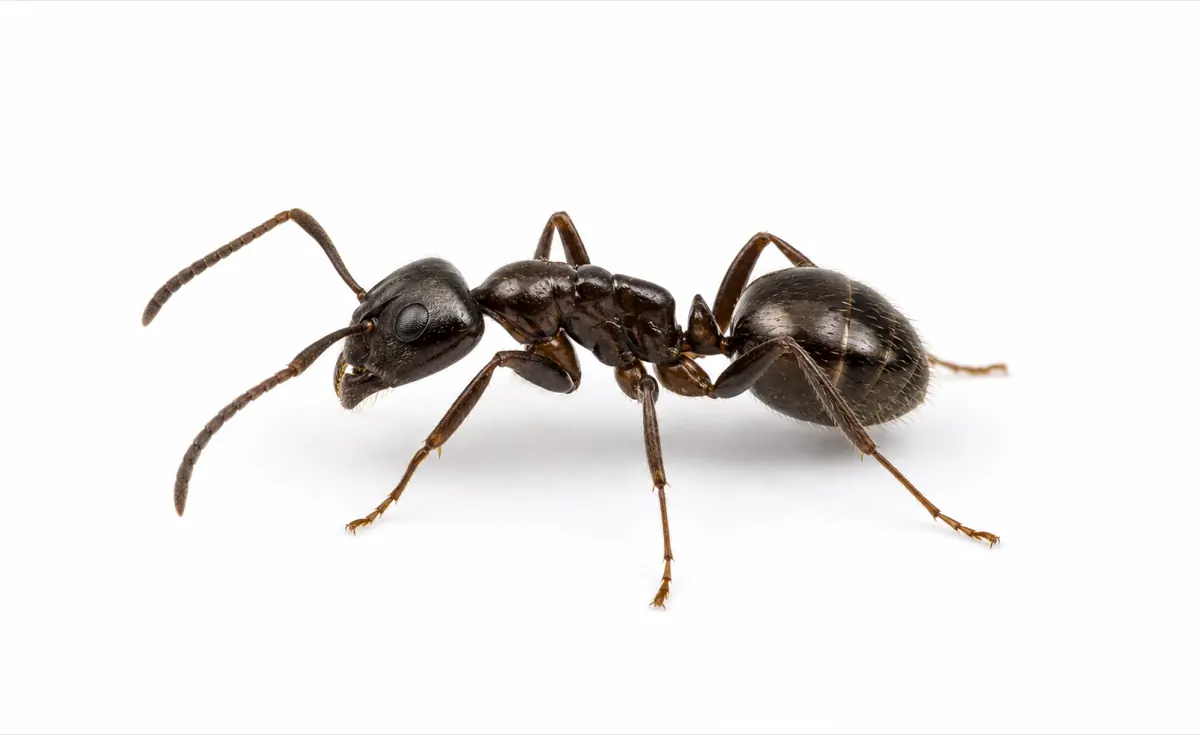 Diagram 01
Diagram 01Body map: the traits that matter.
A side view is more useful than a quick top-down glance: look for small dark workers, an uneven thorax, and a low one-node petiole tucked before the gaster.
Diagram 02Diagram 02Trail map: visible workers are only the surface clue.
A kitchen trail may connect to wall voids, plumbing routes, foundation gaps, mulch pockets, and outdoor honeydew sources at the same time.
Clues that make odorous house ant more likely.
- Tiny dark workers moving in steady lines along edges, plumbing, counters, or foundation routes.
- A low one-node petiole and uneven thorax profile when viewed from the side.
- A coconut-like odor from crushed workers, used with body traits rather than by itself.
- Trails that shift between indoor moisture areas and outdoor mulch, soil, or honeydew sources.
Clues that point toward another pest.
- Large workers or piles of wood shavings suggest carpenter ants instead.
- Soil mounds, slab cracks, or pavement-edge activity without odor may fit pavement ants better.
- Yellow to reddish tiny ants in kitchens or healthcare settings may indicate pharaoh ants.
- Winged insects should be identified from a clear photo or saved specimen.
Lookalike Comparison
Lookalikes to compare with Odorous House Ant.
Trails, size, odor, nesting location, and moisture clues separate one ant problem from another.
Biology And Behavior
A small ant with unusually flexible colony behavior.
Odorous house ant colonies are often polygynous and polydomous: more than one queen, more than one nest pocket. Workers can forage from soil, mulch, wall voids, and indoor moisture routes at the same time, which is why a trail can look like a kitchen problem while the supporting colony network is partly outdoors.
Specimen ReferenceOdorous House AntTapinoma sessile
More than one reproductive queen can support a large, resilient colony network.
Nest sites can be spread through soil, mulch, debris, wall voids, and warm structural gaps.
Disturbance can encourage groups of workers and queens to relocate and continue activity nearby.
Nesting, Habitat, And Food
Where Odorous House Ant activity usually starts.
Inside, they may use wall voids, insulation edges, plumbing lines, heater areas, and damp structural gaps.
Outside, they nest in soil, under stones, beneath landscape materials, in mulch, and under objects near foundations.
Outdoors they commonly feed on honeydew, then switch indoors to sweets, proteins, and greasy residues as conditions change.
Seasonal Activity
When Odorous House Ant pressure is most visible locally.
In Greater Cincinnati, odorous house ant pressure rises with spring moisture and stays active through warm months. Indoor sightings can happen outside the main season when nests are protected by heated structures or when weather pushes trails indoors.
Activity WindowMar through Oct
JanFebMarAprMayJunJulAugSepOctNovDec
Control Logic
How a technician reads Odorous House Ant activity.
Good control starts by mapping the trail network before choosing products. The key question is whether workers are feeding indoors from an outdoor nest, nesting in a wall void, or using several linked pockets.
Confirm the trail before spraying.
- Photograph trails before cleaning so the route, entry point, and room pattern are documented.
- Clean food residues and spills, then correct moisture around sinks, tubs, dishwasher lines, pet bowls, and exterior hose bibs.
- Pause sprays until the route is mapped; killing visible workers can erase useful evidence.
- Look outdoors for mulch, stones, logs, stacked items, tree/shrub honeydew, and foundation gaps near the same wall line.
Why the ant species changes the plan.
- Confirm Tapinoma sessile and determine whether activity is indoor, outdoor, or mixed.
- Trace trails in both directions to separate a feeding line from a nesting pocket.
- Choose bait, transfer, non-repellent, exclusion, or sanitation work based on the route and nest pattern.
- Recheck after treatment for shifted trails or surviving satellite pockets.
Keep Comparing
Profiles to compare with Odorous House Ant.
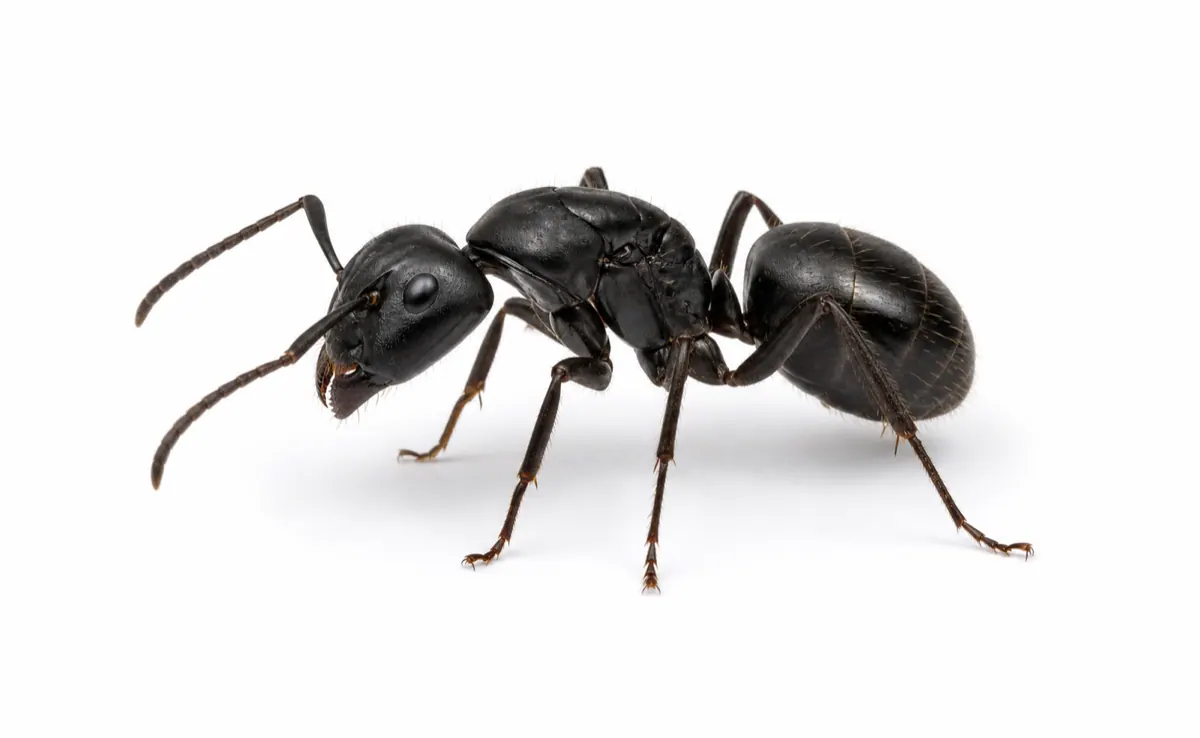
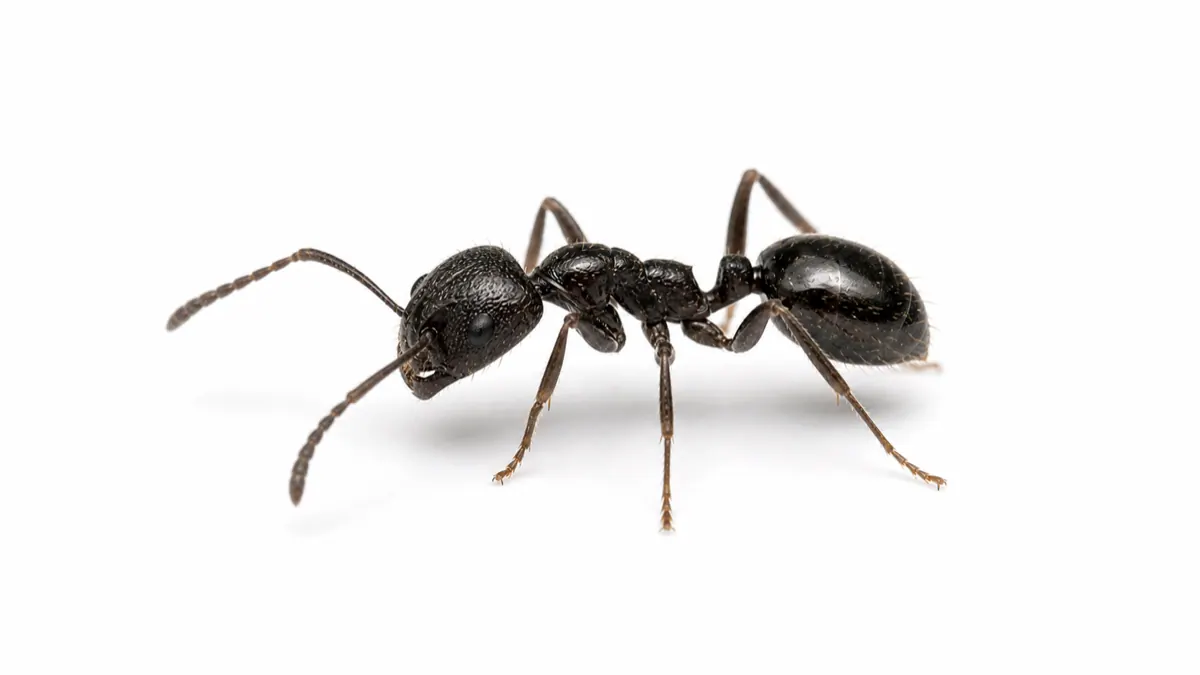
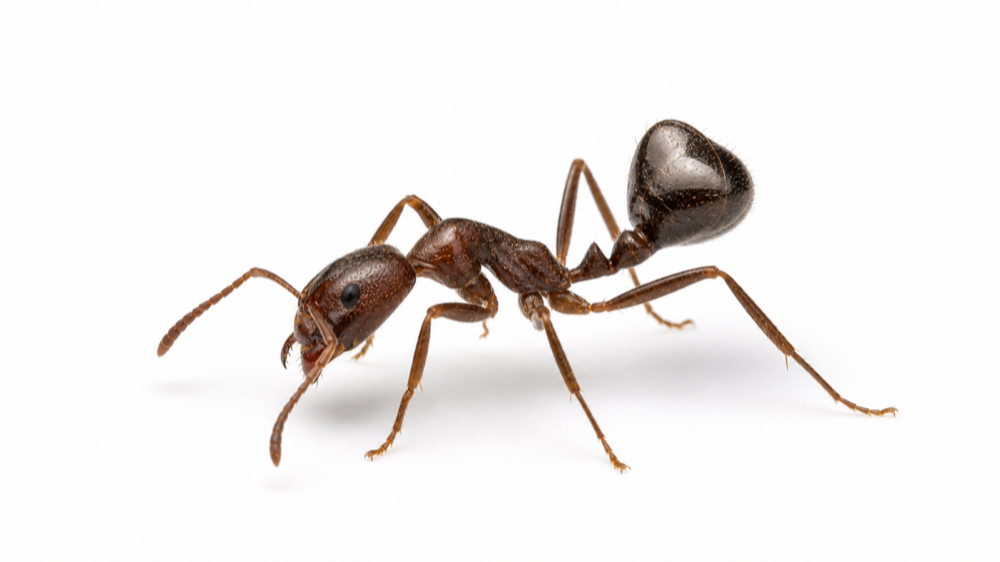
Sources & Further Reading
Odorous House Ant references used for this profile.
These references help verify ant identification, nesting behavior, and colony movement.
Reference 01Utah State University Extension
Identification, nesting habits, food preferences, and management concerns.
Reference 02Texas A&M Urban EntomologyOdorous house ant biology, colony behavior, and household activity notes.
Reference 03University of Wisconsin ExtensionHomeowner identification, odor clue, nesting sites, and prevention guidance.
Reference 04BugGuideTaxonomy and field identification cross-check for Tapinoma sessile.
Need Confirmation?
Need help confirming Odorous House Ant?
A clear photo, trail location, and where activity repeats can usually narrow the ant species quickly.