
Spiders Field Profile
Cellar Spider
Pholcidae
Order Araneae / Family Pholcidae
Cellar spiders are true spiders with extremely long legs, loose webs, and a strong preference for dark protected structure. They are often confused with harvestmen, but cellar spiders make webs and are common in basements, garages, crawl spaces, and quiet corners.
Field ID Snapshot
Cellar Spider identification starts with body shape and web pattern.
Confirm cellar spiders by their very long delicate legs, small body, loose irregular webs, and habit of hanging upside down or vibrating in the web when disturbed.
The legs are much longer relative to the body than most household spiders.
Longbodied cellar spiders have a slim cylindrical abdomen.
Webs appear in protected corners rather than flat funnels or classic orb webs.
They often rest upside down and may shake rapidly when disturbed.
Basements, garages, cellars, crawl spaces, and warehouses are common.
They are nuisance web builders, not medically significant spiders.
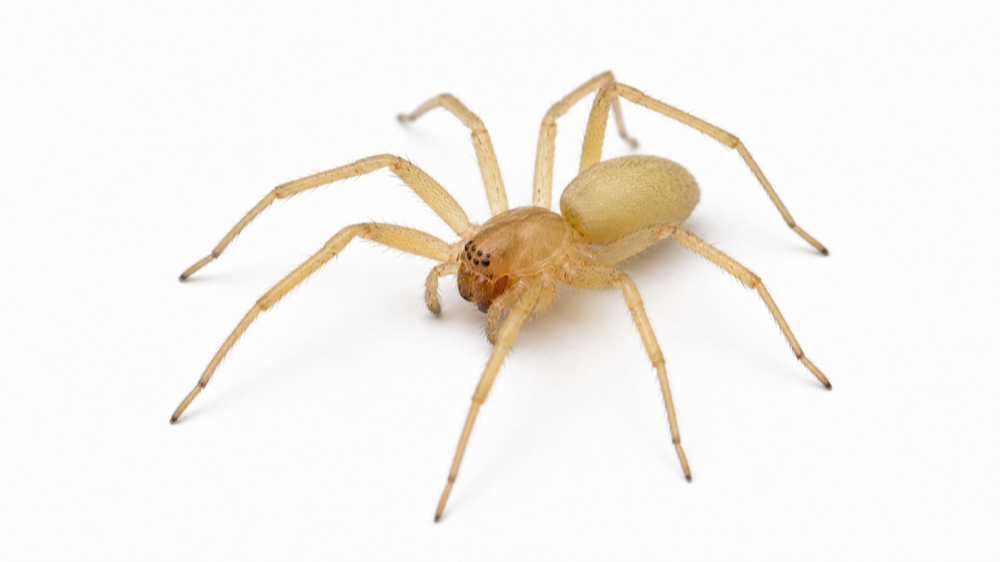
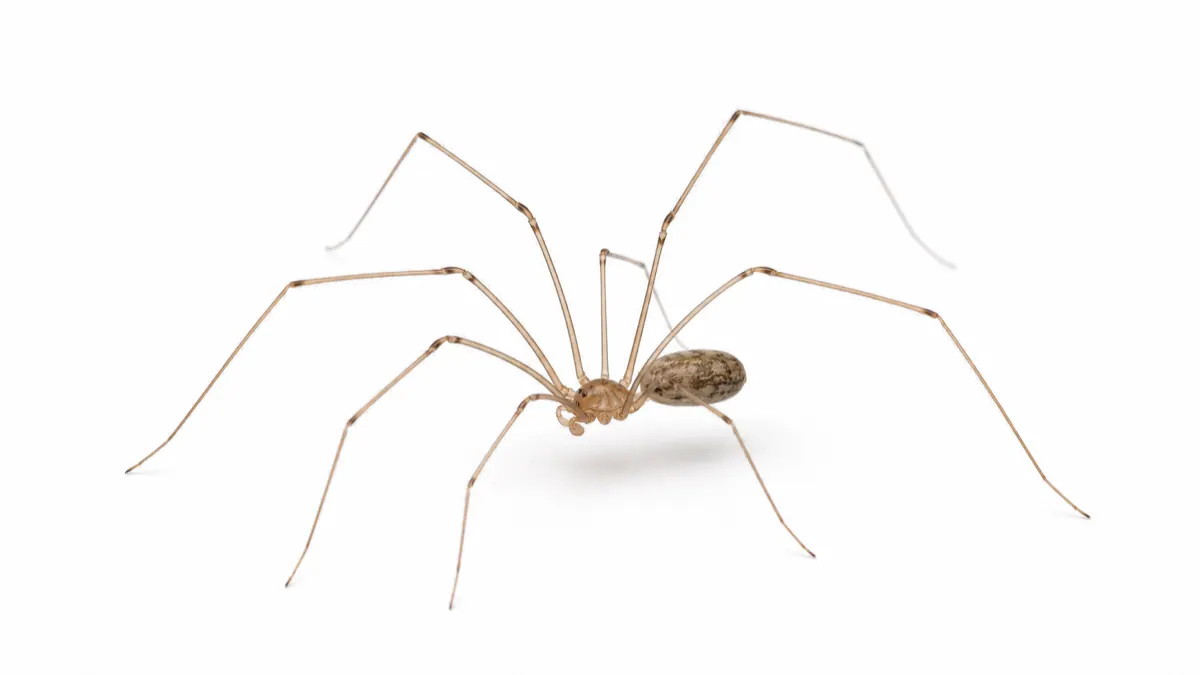 Macro view
Macro viewStart with the actual specimen.
Use the macro photo to slow the identification down: body shape, proportions, color pattern, and visible structures should match before the location clues are weighed.
Field evidenceField evidenceThen match the source pattern.
The strongest ID pairs extremely long and thin with a source that makes sense: basements, crawl spaces. Then compare against similar pests in the library; a better match should shift the identification.
Clues that make cellar spider more likely.
- Long-legged spiders hanging upside down in loose irregular webs.
- Activity in basements, crawl spaces, garages, cellars, warehouses, or dark quiet corners.
- Webs that expand across protected ceiling or wall corners.
- Rapid vibration or bouncing in the web when disturbed.
Clues that point away from cellar spider.
- A round-bodied cobweb spider with egg sacs may be a common house spider.
- A fast ground-running spider without a web points toward wolf spiders or grass spiders.
- A compact daytime spider that jumps is more likely a jumping spider.
- A non-web-building eight-legged animal with a single oval body is not a true cellar spider.
Lookalike Comparison
Lookalikes to compare with Cellar Spider.
Web location, hunting behavior, markings, and size matter before deciding how serious the sighting is.
Biology And Behavior
Cellar spider activity is web, prey, and quiet-corner driven.
Cellar spiders thrive where a protected corner is left undisturbed and small insects are available. Their webbing can build up even when the spiders themselves are harmless.
Specimen ReferenceCellar SpiderPholcidae
They wait in loose webs and rely on prey contacting the silk.
Large web clusters usually mean the area is quiet and not being regularly cleaned.
Reducing other insects helps reduce the reason cellar spiders stay.
Nesting, Habitat, And Food
Where Cellar Spider activity usually starts.
Start in ceiling corners, joists, utility rooms, and storage edges.
Stored items, overhead doors, and shelves can collect webs.
Low-disturbance spaces can support larger web networks.
Seasonal Activity
When Cellar Spider pressure is most visible locally.
Cellar spiders can be found year-round indoors in Cincinnati because protected basements, garages, and crawl spaces buffer them from outdoor weather.
Activity WindowYear-round
JanFebMarAprMayJunJulAugSepOctNovDec
Control Logic
How a technician reads Cellar Spider activity.
Good cellar spider work is simple and physical: remove webs, reduce prey insects, lower clutter, and treat or seal repeated harborage edges where needed.
Start with the web, room, and body shape.
- Track where Cellar Spider is appearing before treatment.
- Reduce moisture, clutter, food access, or exterior harborage where possible.
- Avoid heavy DIY spray use when identification is uncertain.
- Use the service page or quote form when activity repeats or spreads.
Why spider control starts with the insects they eat.
- Confirm the Cellar Spider identification before choosing products or methods.
- Inspect Basements, crawl spaces and surrounding entry routes.
- Match the treatment plan to the source condition, not just visible activity.
- Document recommendations so prevention steps are clear after service.
Keep Comparing
Profiles to compare with Cellar Spider.
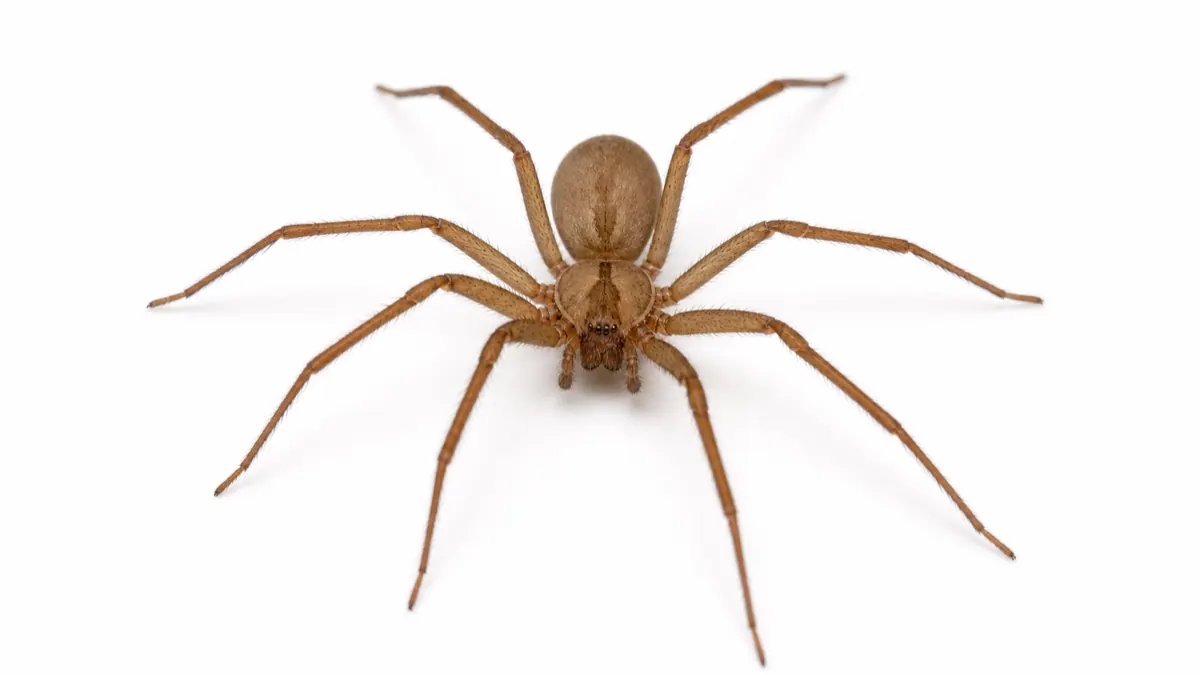
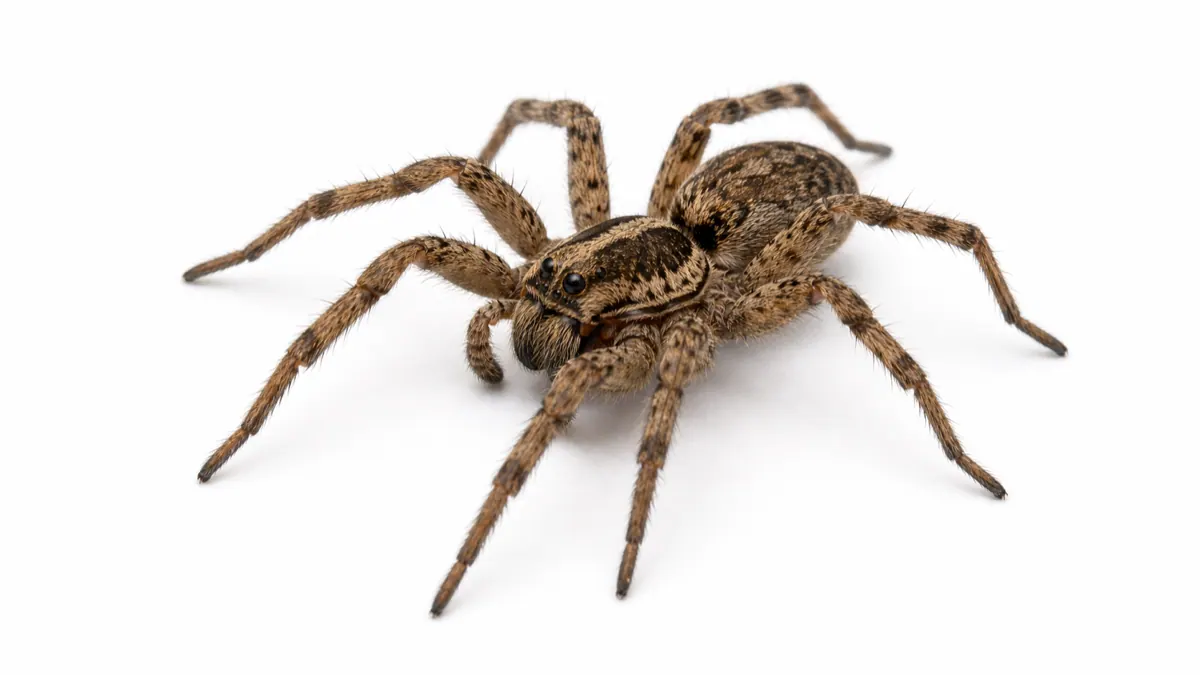
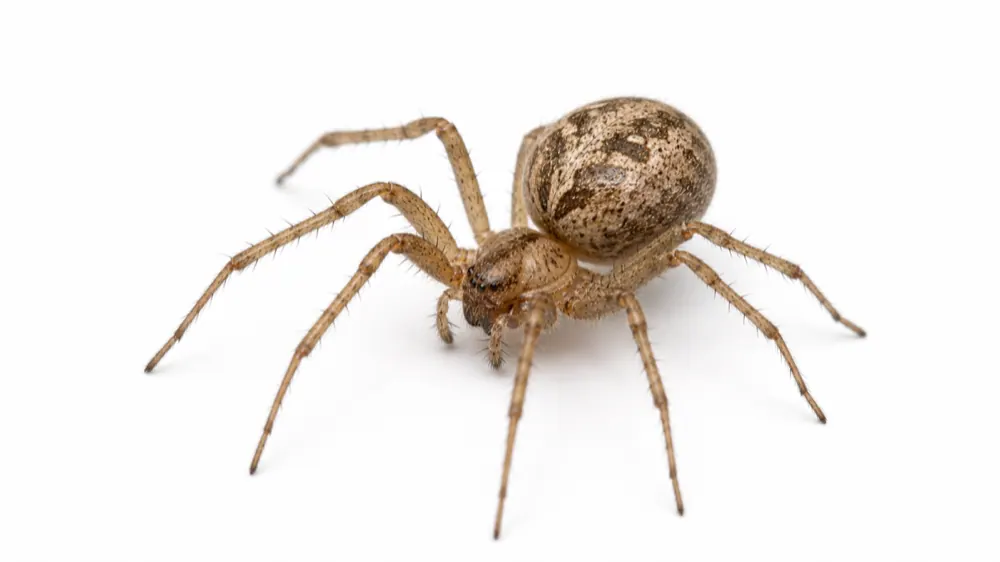
Sources & Further Reading
Cellar Spider references used for this profile.
These references help verify spider markings, behavior, range, and homeowner risk clues.
Reference 01University of Maine Extension
Cellar spider behavior, indoor habitat, and nuisance-web context.
Reference 02Penn State ExtensionLongbodied cellar spider identification and building habitat.
Reference 03University of Minnesota ExtensionHousehold spider comparison including cellar spiders.
Reference 04Colorado State University ExtensionCellar spider identification and control background.
Need Confirmation?
Need help confirming Cellar Spider?
Send the location, size, and a clear photo if you have one. Identification matters before anyone treats.