
Spiders Field Profile
Common House Spider
Parasteatoda tepidariorum
Order Araneae / Family Theridiidae / Parasteatoda tepidariorum
The common house spider is the classic cobweb spider of corners, windows, basements, barns, and floor joists. It is usually a nuisance and a useful predator, but heavy webbing tells you where insects, quiet edges, and undisturbed shelter overlap.
Field ID Snapshot
Common House Spider identification starts with body shape and web pattern.
Confirm common house spiders by pairing a rounded abdomen with messy cobwebs in corners and windows. They are web sitters, not fast floor hunters.
Irregular tangle webs in corners, joists, and window frames are the strongest field clue.
Females have a bulbous abdomen rather than the flatter body of many hunting spiders.
Adults are small enough that the web is often noticed first.
Multiple egg sacs may appear in active webs.
They usually remain near webs and rebuild nearby if the web is disturbed.
They are not considered a medically important spider in homes.
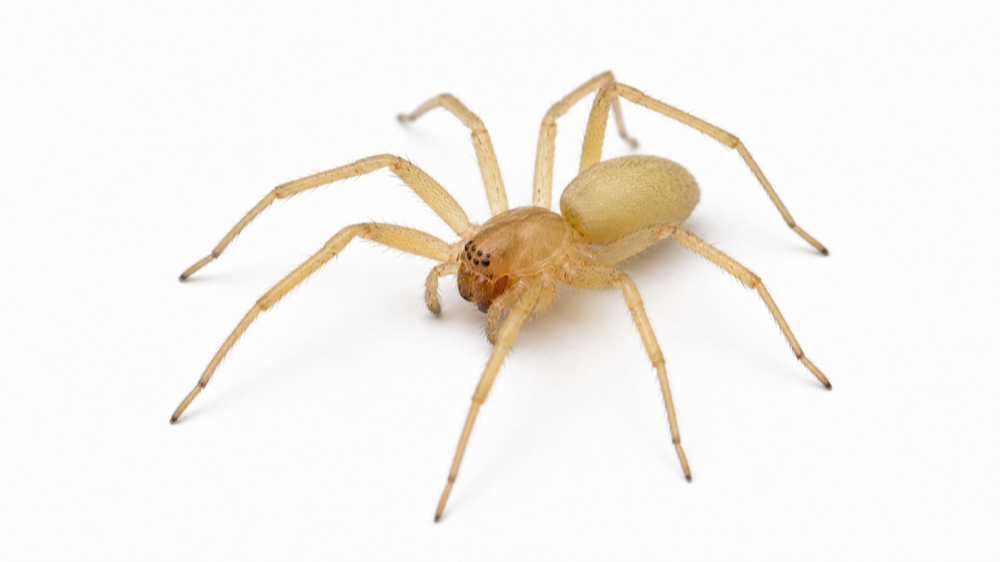
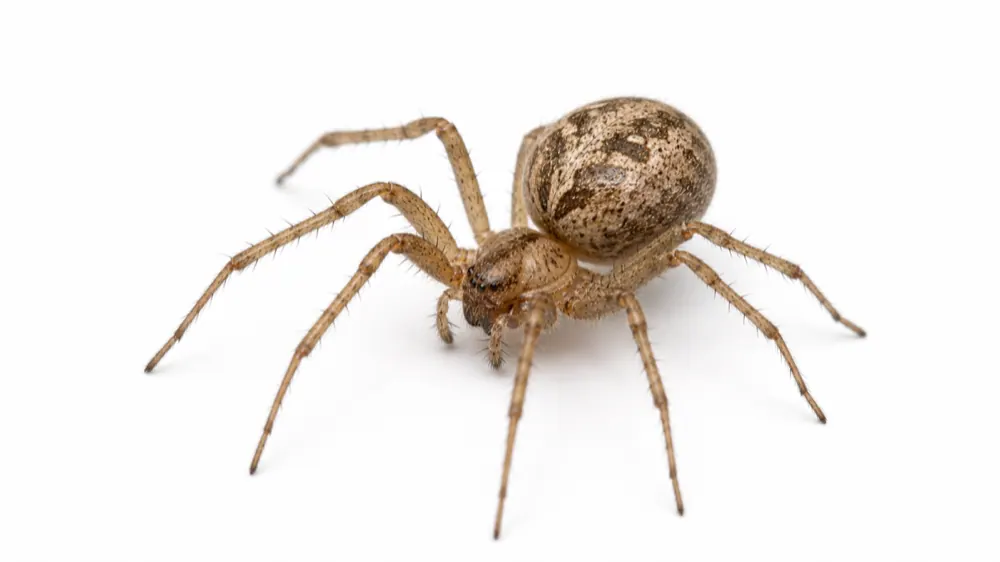 Macro view
Macro viewStart with the actual specimen.
Use the macro photo to slow the identification down: body shape, proportions, color pattern, and visible structures should match before the location clues are weighed.
Field evidenceField evidenceThen match the source pattern.
The strongest ID pairs messy cobweb with a source that makes sense: corners, windows, basements. Then compare against similar pests in the library; a better match should shift the identification.
Clues that make common house spider more likely.
- Messy tangle webs in corners, window frames, floor joists, barns, basements, or crawl spaces.
- Small spiders with rounded abdomens staying close to the web.
- Papery egg sacs within or near the web.
- Repeated new webs in the same quiet corner after cleaning.
Clues that point away from common house spider.
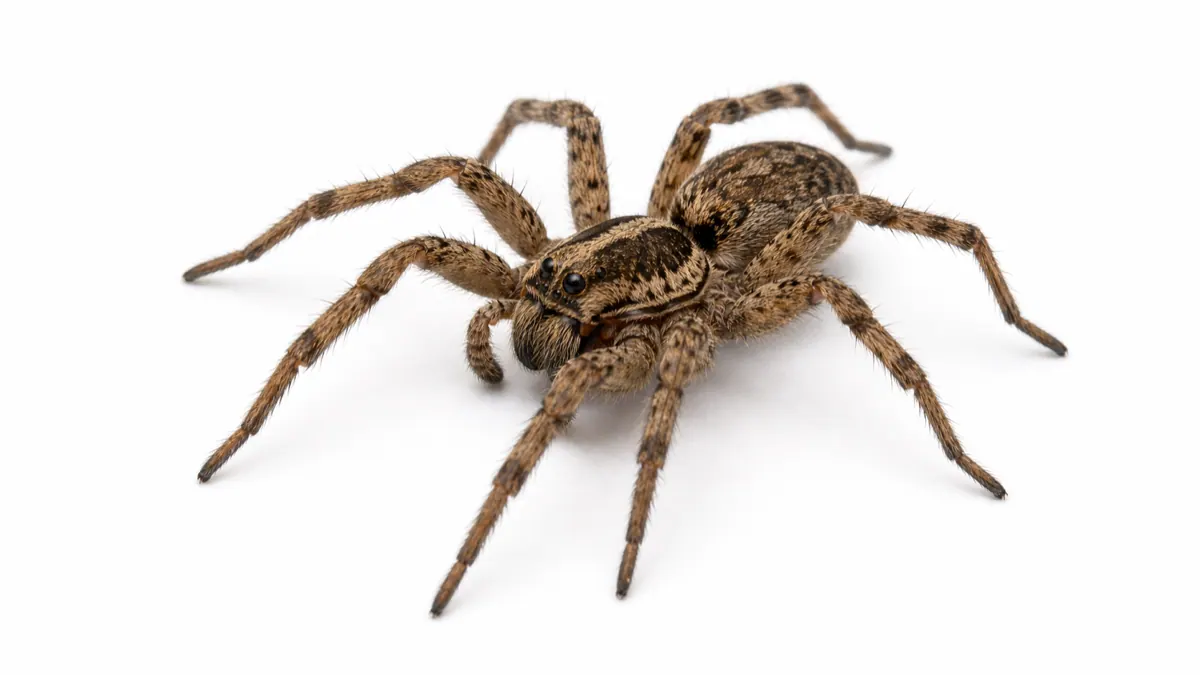
- A large spider running across the floor with no web points toward wolf spiders or grass spiders.
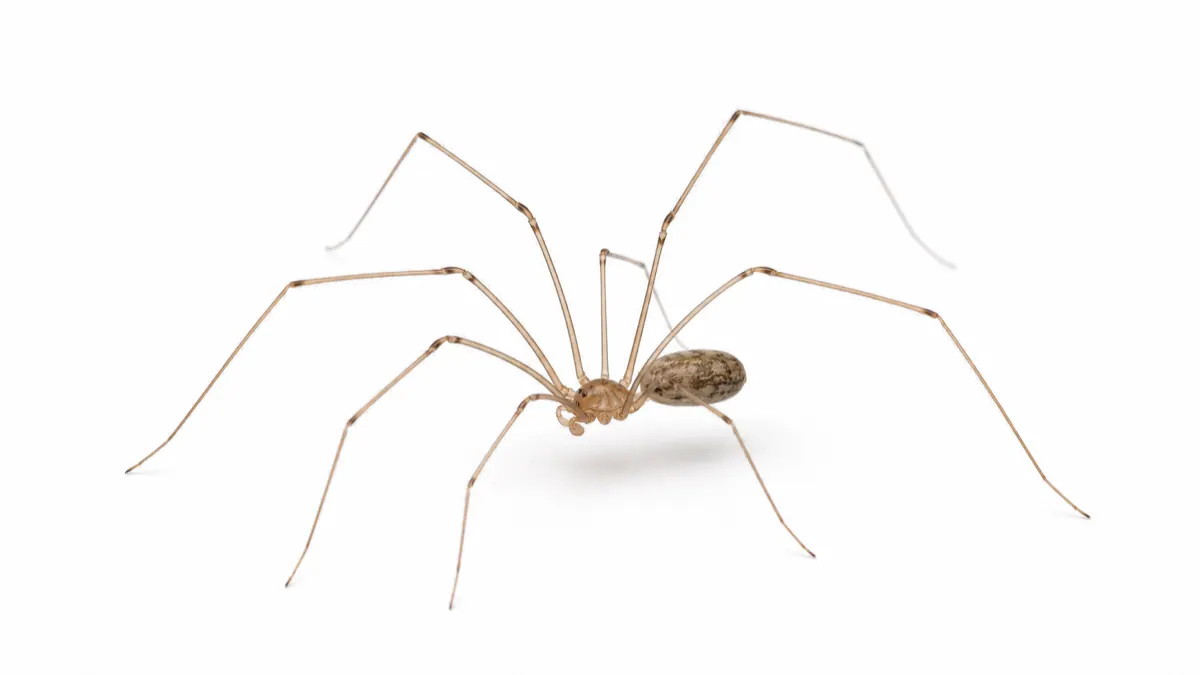
- Long delicate legs and loose ceiling-corner webs point toward cellar spiders.
- A shiny black spider with a red hourglass should be checked as a black widow.
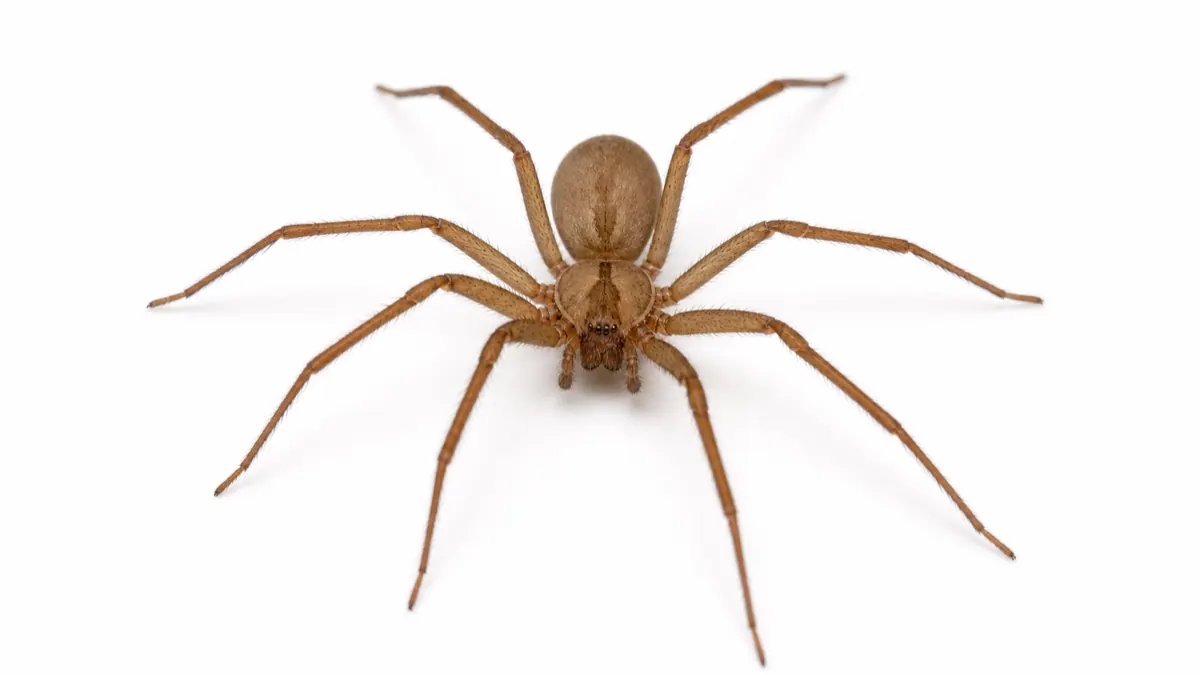
- Six eyes and plain legs in storage areas should be checked as brown recluse.
Lookalike Comparison
Lookalikes to compare with Common House Spider.
Web location, hunting behavior, markings, and size matter before deciding how serious the sighting is.
Biology And Behavior
Common house spiders build where prey and quiet structure meet.
Common house spiders use sticky cobwebs to capture flies, gnats, ants, and other small insects. When webs keep returning, the best question is what prey source or protected corner is supporting the web site.
Specimen ReferenceCommon House SpiderParasteatoda tepidariorum
The spider waits in an irregular tangle web rather than chasing prey.
Females may produce repeated egg sacs in suitable web sites.
They reduce small insects but create visible webbing.
Nesting, Habitat, And Food
Where Common House Spider activity usually starts.
Basements, crawl spaces, windows, barns, garages, and closets are common.
Rocks, boards, bridges, and protected structural edges can also support webs.
Insects caught in the web help explain why the spider chose that spot.
Seasonal Activity
When Common House Spider pressure is most visible locally.
Common house spiders can be present year-round indoors, with webs becoming more obvious when prey insects or undisturbed corners are available.
Activity WindowYear-round
JanFebMarAprMayJunJulAugSepOctNovDec
Control Logic
How a technician reads Common House Spider activity.
Good common house spider work focuses on web removal, prey reduction, corner cleaning, exclusion, and targeted treatment where webs keep reappearing.
Start with the web, room, and body shape.
- Track where Common House Spider is appearing before treatment.
- Reduce moisture, clutter, food access, or exterior harborage where possible.
- Avoid heavy DIY spray use when identification is uncertain.
- Use the service page or quote form when activity repeats or spreads.
Why spider control starts with the insects they eat.
- Confirm the Common House Spider identification before choosing products or methods.
- Inspect Corners, windows, basements and surrounding entry routes.
- Match the treatment plan to the source condition, not just visible activity.
- Document recommendations so prevention steps are clear after service.
Keep Comparing
Profiles to compare with Common House Spider.
Sources & Further Reading
Common House Spider references used for this profile.
These references help verify spider markings, behavior, range, and homeowner risk clues.
Reference 01Penn State Extension
Common house spider identification, webs, egg sacs, and household habitat.
Reference 02U.S. Fish & Wildlife ServiceTaxonomy and species reference for Parasteatoda tepidariorum.
Reference 03University of Minnesota ExtensionCommon household spider comparison and biology background.
Reference 04Colorado State University ExtensionCobweb spider and household spider control reference.
Need Confirmation?
Need help confirming Common House Spider?
Send the location, size, and a clear photo if you have one. Identification matters before anyone treats.