
Spiders Field Profile
Yellow Sac Spider
Cheiracanthium spp.
Order Araneae / Family Cheiracanthiidae / Genus Cheiracanthium
Yellow sac spiders are pale active hunters that rest inside small silk retreats during the day and wander at night. Indoors, the retreats often appear where walls meet ceilings, behind frames, or in hidden corners.
Field ID Snapshot
Yellow Sac Spider identification starts with body shape and web pattern.
Confirm yellow sac spiders by the pale yellow to cream body, dark mouthparts or feet, active hunting behavior, and small silk retreat rather than a capture web.
Some individuals appear slightly greenish or tan, so color is supportive rather than final.
Dark tarsi, palps, or chelicerae can support the ID.
They hide in a daytime retreat, often at wall-ceiling junctions.
They wander to hunt instead of building a prey-catching web.
They are common indoors and outdoors in protected edges.
Bites are usually tied to spiders pressed against skin, bedding, clothing, or shoes.
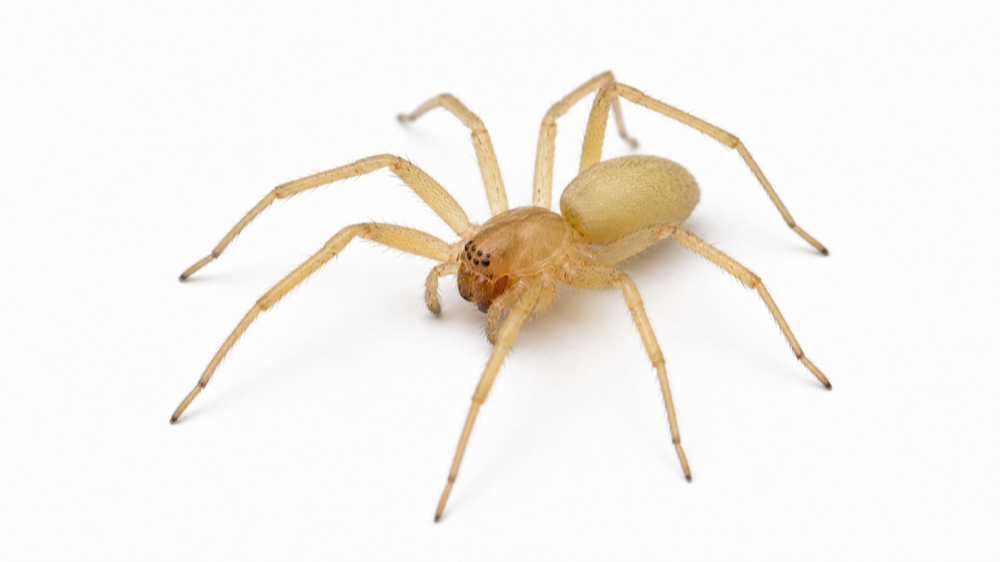 Macro view
Macro viewStart with the actual specimen.
Use the macro photo to slow the identification down: body shape, proportions, color pattern, and visible structures should match before the location clues are weighed.
Field evidenceField evidenceThen match the source pattern.
The strongest ID pairs pale yellow to cream with a source that makes sense: walls, ceilings, bedding areas. Then compare against similar pests in the library; a better match should shift the identification.
Clues that make yellow sac spider more likely.
- Pale yellow or cream spider found on walls, ceilings, bedding edges, or hidden corners.
- Small silken retreat where two surfaces meet.
- Night wandering rather than sitting in a cobweb or funnel web.
- Darkened feet or mouthparts in a clear close photo.
Clues that point away from yellow sac spider.
- Six eyes and a plain brown body should be checked as brown recluse only with close confirmation.
- Messy corner cobwebs point toward common house spiders.
- Large ground-running spiders point toward wolf spiders or grass spiders.
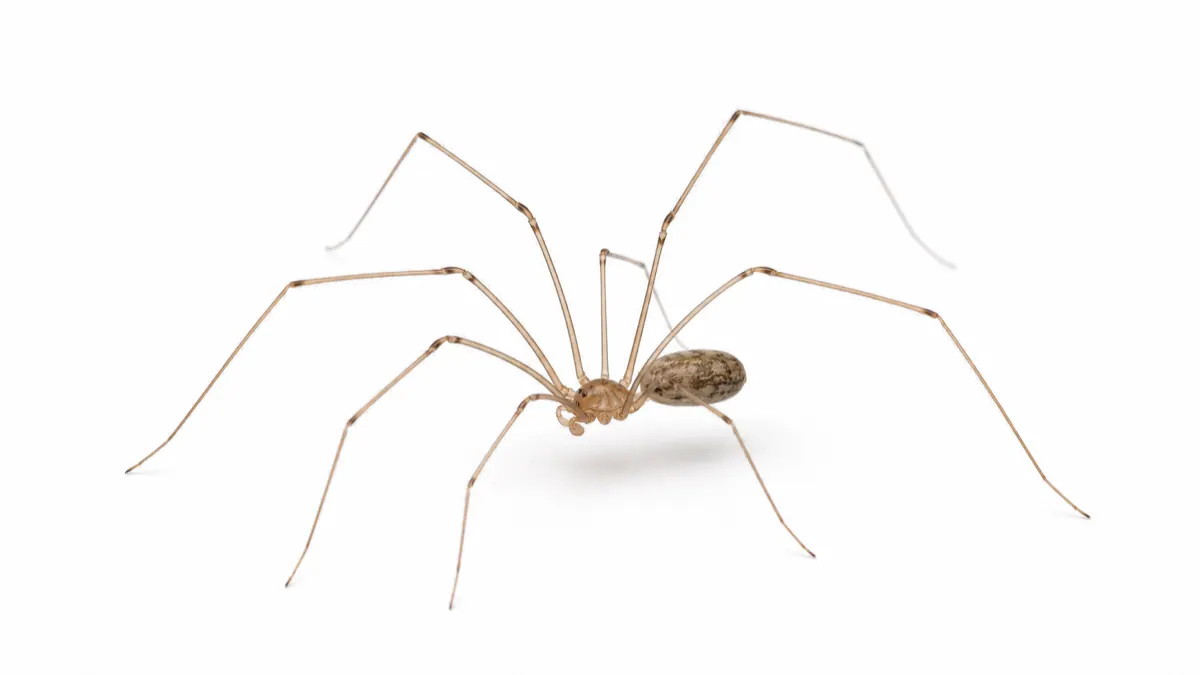
- Very long-legged web hangers point toward cellar spiders.
Lookalike Comparison
Lookalikes to compare with Yellow Sac Spider.
Web location, hunting behavior, markings, and size matter before deciding how serious the sighting is.
Biology And Behavior
Yellow sac spiders alternate between daytime retreats and nighttime hunting.
Yellow sac spiders hide in small silk tubes during the day, then leave the retreat to hunt insects and other spiders at night. That behavior explains why sightings often happen on walls, ceilings, bedding, and clothing.
Specimen ReferenceYellow Sac SpiderCheiracanthium spp.
The sac is a resting shelter rather than a prey-catching web.
Night movement brings them into contact with people more than web spiders.
Prey pressure near windows, lights, or clutter can support activity.
Nesting, Habitat, And Food
Where Yellow Sac Spider activity usually starts.
Look high, behind frames, in closets, and around bedding or stored items.
Outdoors, retreats can be under bark, rocks, leaf litter, and rolled leaves.
Screens, siding gaps, and exterior lights can increase indoor encounters.
Seasonal Activity
When Yellow Sac Spider pressure is most visible locally.
Yellow sac spiders can be found indoors year-round, but Cincinnati sightings are often more noticeable in warm months and during seasonal movement between outdoor and indoor shelter.
Activity WindowMar through Oct
JanFebMarAprMayJunJulAugSepOctNovDec
Control Logic
How a technician reads Yellow Sac Spider activity.
Good yellow sac spider work focuses on removing retreats, reducing insects near lights and windows, sealing entry points, and targeting hidden wall-ceiling edges when activity repeats.
Start with the web, room, and body shape.
- Track where Yellow Sac Spider is appearing before treatment.
- Reduce moisture, clutter, food access, or exterior harborage where possible.
- Avoid heavy DIY spray use when identification is uncertain.
- Use the service page or quote form when activity repeats or spreads.
Why spider control starts with the insects they eat.
- Confirm the Yellow Sac Spider identification before choosing products or methods.
- Inspect Walls, ceilings, bedding areas and surrounding entry routes.
- Match the treatment plan to the source condition, not just visible activity.
- Document recommendations so prevention steps are clear after service.
Keep Comparing
Profiles to compare with Yellow Sac Spider.
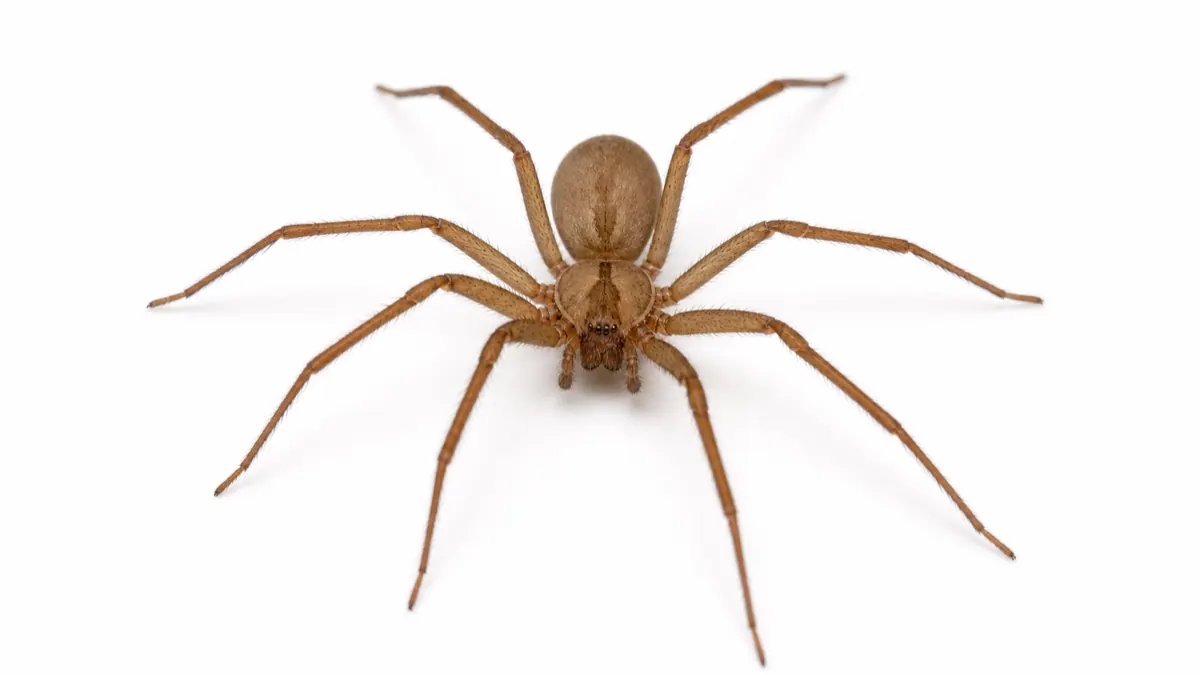
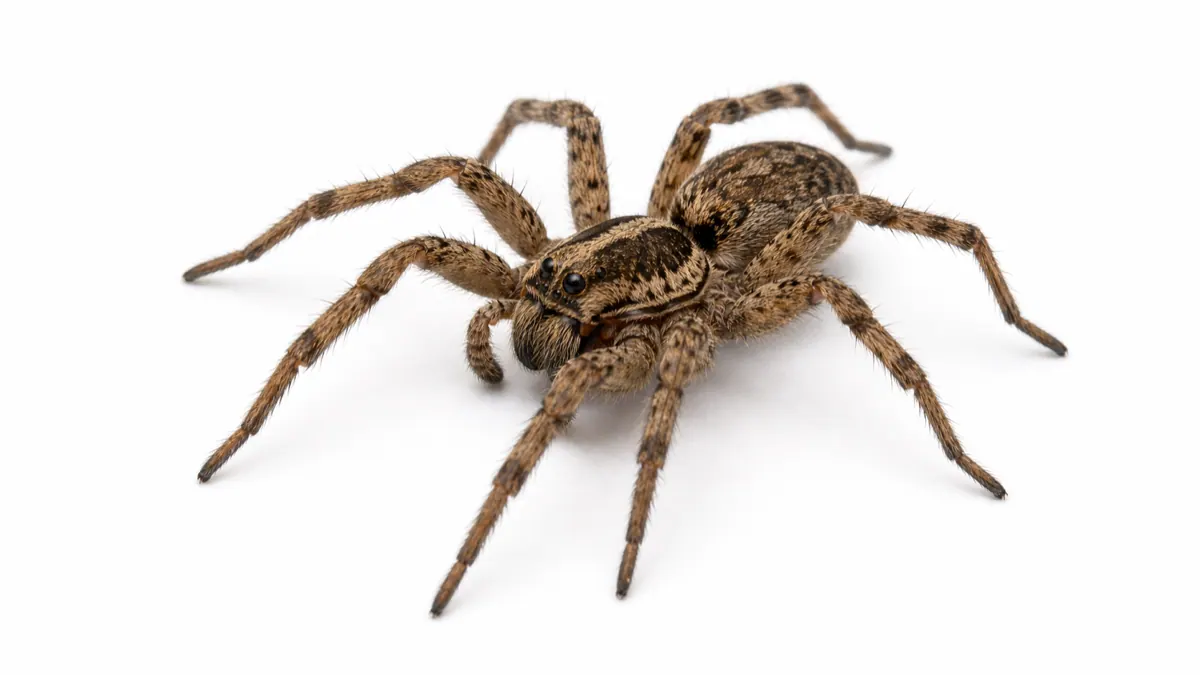
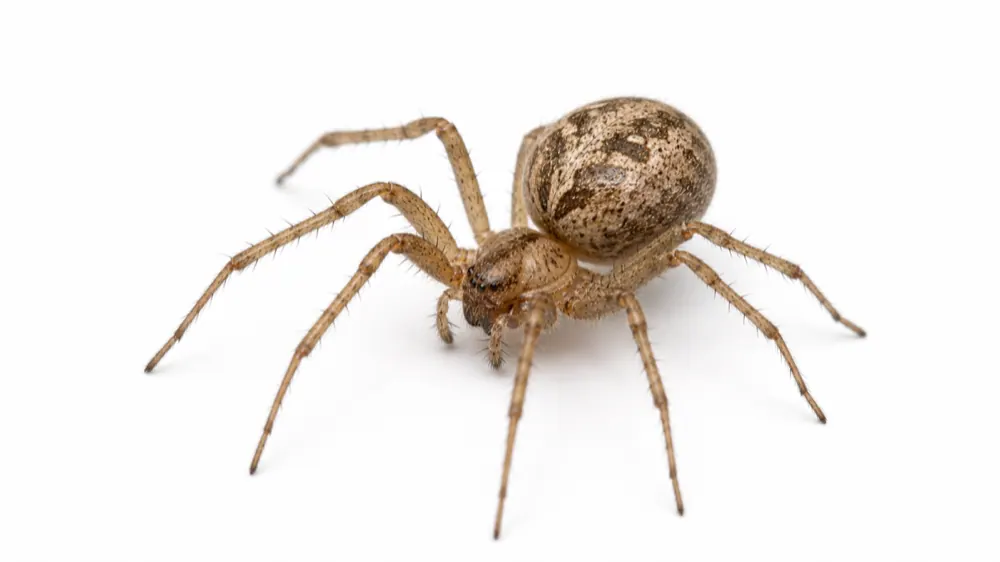
Sources & Further Reading
Yellow Sac Spider references used for this profile.
These references help verify spider markings, behavior, range, and homeowner risk clues.
Reference 01Penn State Extension
Cheiracanthium identification, retreats, life history, and bite context.
Reference 02Utah State University ExtensionYellow sac spider identification, retreats, behavior, and homeowner context.
Reference 03University of Minnesota ExtensionSac spider comparison and general spider biology.
Reference 04Colorado State University ExtensionHousehold sac spider and control background.
Need Confirmation?
Need help confirming Yellow Sac Spider?
Send the location, size, and a clear photo if you have one. Identification matters before anyone treats.