
Rodents Field Profile
Roof Rat
Rattus rattus
Order Rodentia / Family Muridae / Rattus rattus
Roof rats are slender, agile climbing rats associated with rooflines, vines, trees, attics, wall voids, ceiling voids, utility lines, and mature landscaping. The biggest clue is vertical movement: activity above ground, long tail, pointed muzzle, and upper-level evidence.
Field ID Snapshot
Roof Rat identification starts with evidence.
Confirm roof rats by elevated evidence: slender rat, pointed muzzle, large ears, long tail that can reach past the snout when pulled forward, droppings in attics or upper voids, and travel from trees, vines, fences, utility lines, or roof gaps.
Roof rats are slimmer and more climbing-oriented than Norway rats.
Tail length is one of the best separation clues from Norway rats.
A pointed muzzle and larger ears support roof rat ID.
Trees, vines, fences, wires, rooflines, attics, and upper voids fit the pattern.
They often nest above ground in enclosed spaces or dense landscaping.
Attic droppings and roofline noises after dark are practical clues.
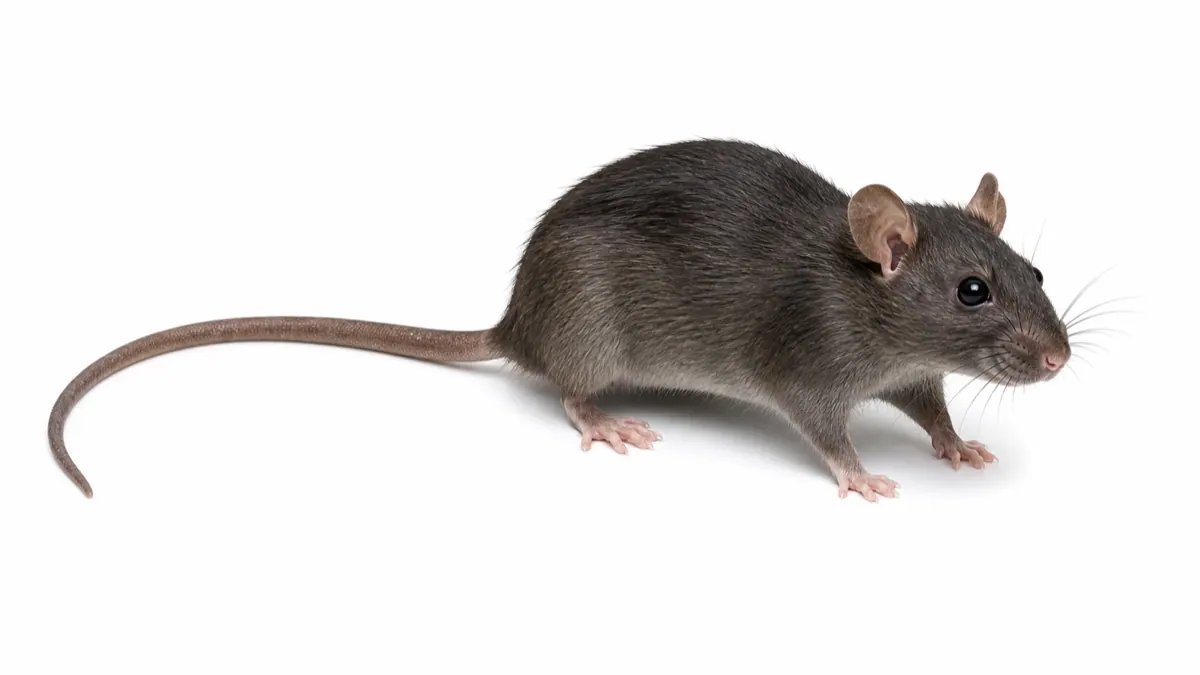 Macro view
Macro viewStart with the actual specimen.
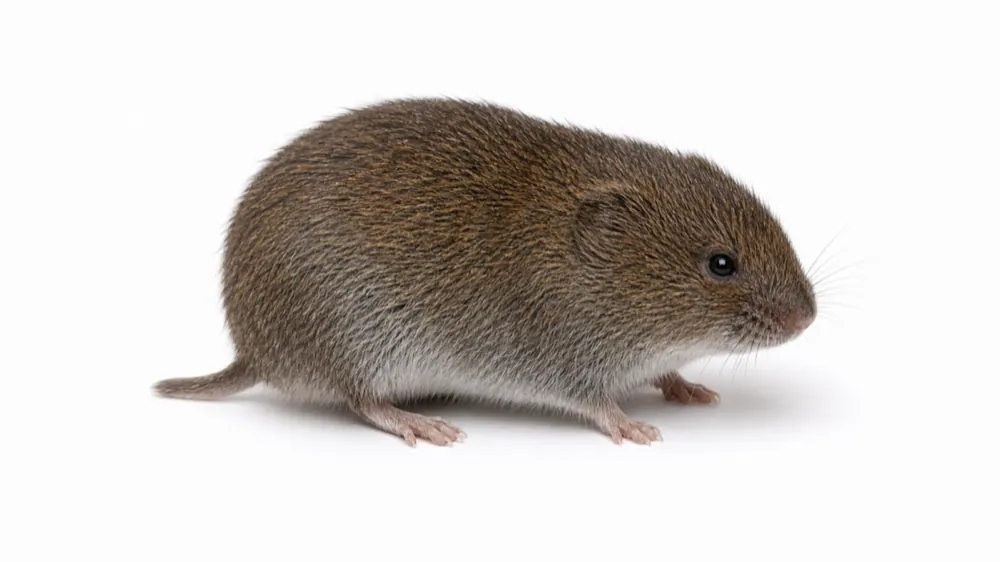
Use the macro photo to slow the identification down: body shape, proportions, color pattern, and visible structures should match before the location clues are weighed.
Field evidenceField evidenceThen match the source pattern.
The strongest ID pairs sleek and agile with a source that makes sense: eaves, attics, trees, vines. Then compare against similar pests in the library; a better match should shift the identification.
Clues that make roof rat more likely.
- Scratching or running sounds in attics, ceiling voids, rafters, soffits, or upper walls after dark.
- Droppings, rub marks, gnawing, or nesting material in elevated voids rather than only basements.
- Tree limbs, vines, ivy, fences, utility lines, or dense landscaping touching or approaching the roofline.
- Long-tailed, slender rat sightings or camera captures near roof edges, fences, shrubs, or upper-level entries.
Clues that point away from roof rat.
- Ground burrows, basement activity, blunt muzzle, and shorter tail point toward Norway rats.
- Small rice-sized droppings and mouse-sized gnaw marks point toward house mice or Peromyscus mice.
- Daytime chewing at fascia with nut debris may point toward squirrels.
- Bird or bat droppings in attic areas can mimic rodent evidence until inspected closely.
Lookalike Comparison
Lookalikes to compare with Roof Rat.
Droppings, gnaw marks, rub marks, burrows, and noise timing tell you more than a quick sighting.
Biology And Behavior
Roof rat pressure is a roofline and vegetation problem.
Roof rats move through three-dimensional routes. They can live in landscaping, travel along fences or wires, climb from trees, and enter upper voids where people rarely inspect until noises or droppings appear.
Specimen ReferenceRoof RatRattus rattus
Roof rats need an inspection path that includes trees, vines, fences, utility lines, and roof gaps.
Upper voids and mature landscaping can both support the same population.
Trapping without access correction and vegetation work usually misses the source pattern.
Nesting, Habitat, And Food
Where Roof Rat activity usually starts.
Soffits, vents, returns, fascia gaps, and roof penetrations deserve close inspection.
Trees, vines, ivy, and dense shrubs can act as highways and harborage.
Droppings, rub marks, nesting, gnawing, and odor may collect above living areas.
Seasonal Activity
When Roof Rat pressure is most visible locally.
Roof rats can be active year-round. In Cincinnati-style properties, elevated access and warm attic shelter can make activity noticeable during cool weather or after landscape growth reaches the structure.
Activity WindowYear-round
JanFebMarAprMayJunJulAugSepOctNovDec
Control Logic
How a technician reads Roof Rat activity.
Good roof rat control starts above ground: prune access, identify upper entries, inspect attics and voids, place traps on true routes, and seal only after the active pattern is understood.
Read the evidence before setting devices.
- Track where Roof Rat is appearing before treatment.
- Reduce moisture, clutter, food access, or exterior harborage where possible.
- Avoid heavy DIY spray use when identification is uncertain.
- Use the service page or quote form when activity repeats or spreads.
Why entry points matter as much as trapping.
- Confirm the Roof Rat identification before choosing products or methods.
- Inspect Eaves, attics, trees, vines and surrounding entry routes.
- Match the treatment plan to the source condition, not just visible activity.
- Document recommendations so prevention steps are clear after service.
Keep Comparing
Profiles to compare with Roof Rat.
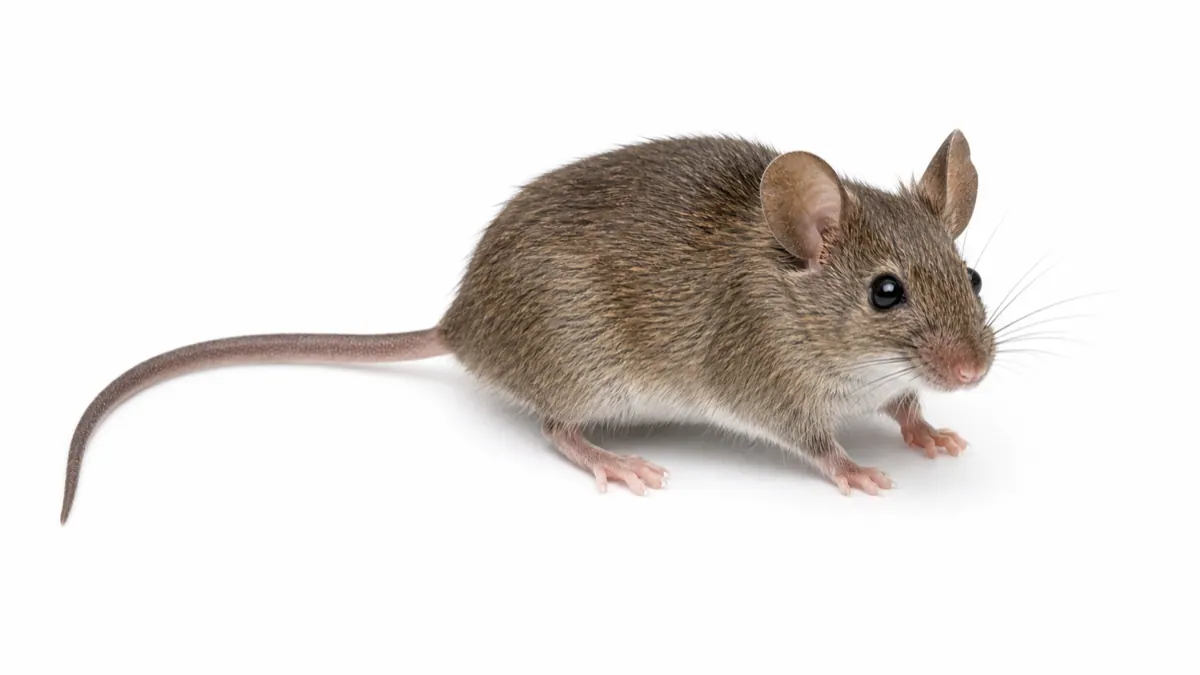
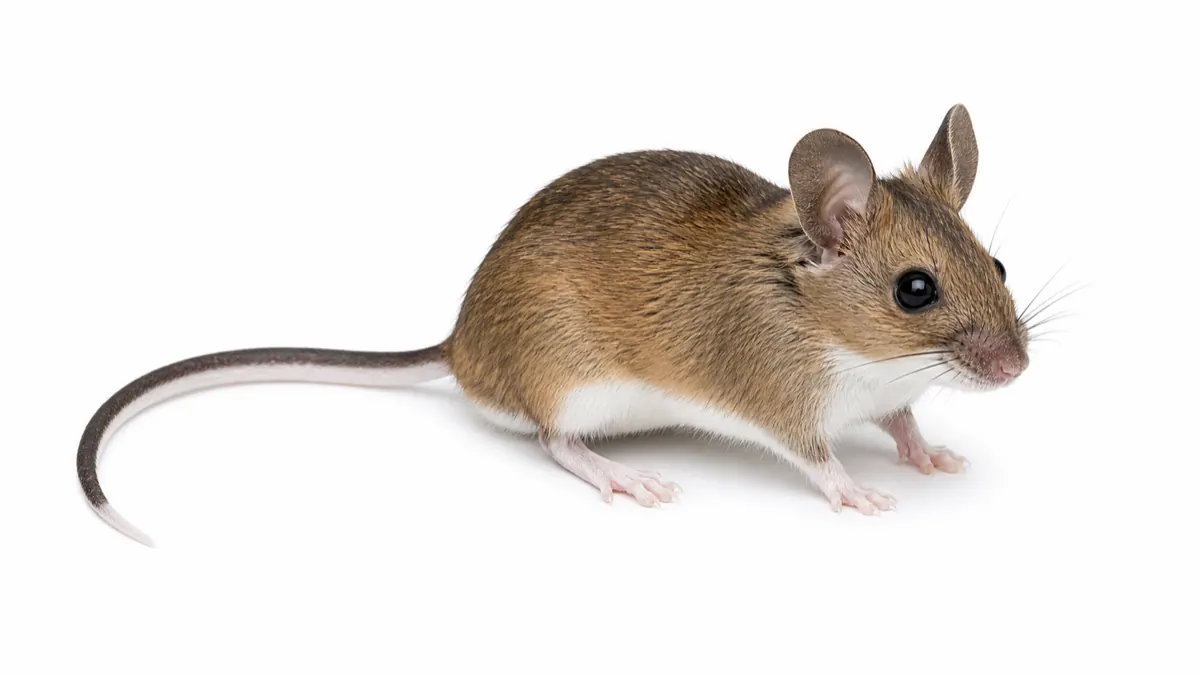
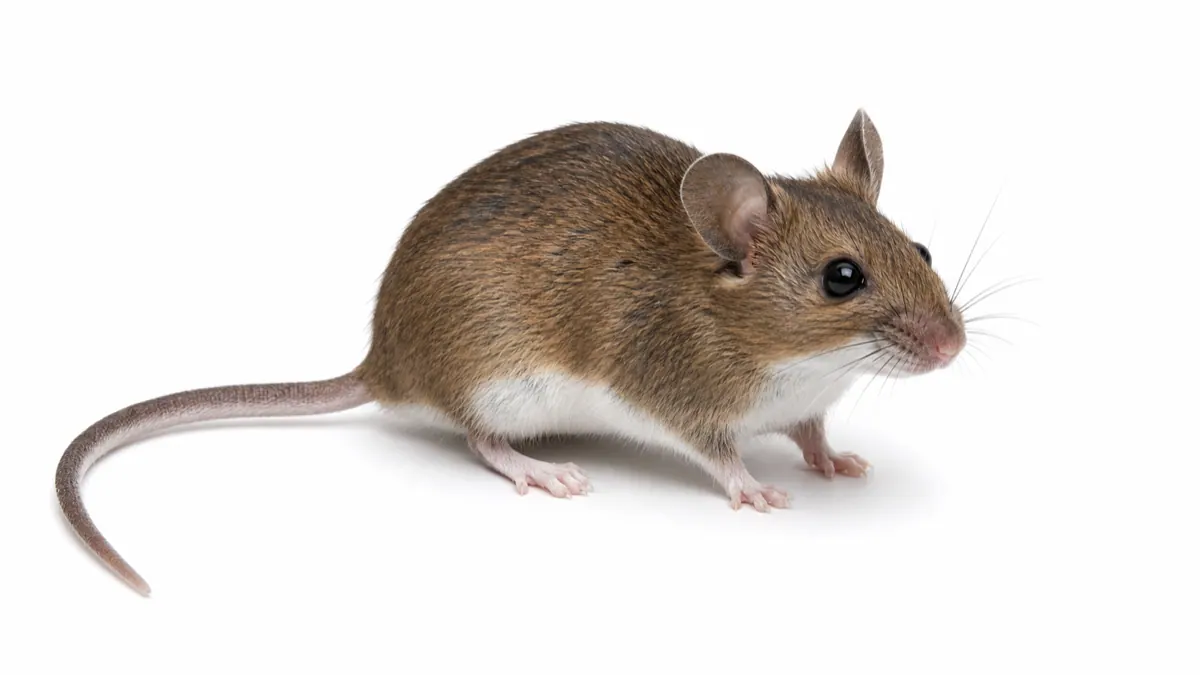
Sources & Further Reading
Roof Rat references used for this profile.
These references support the evidence, biology, and exclusion notes used in this rodent profile.
Reference 01UC IPM Rats
Roof rat versus Norway rat identification, tail and habitat differences, and management guidance.
Reference 02University of Arizona ExtensionRoof rat identification, ecology, signs, and mature-landscape pressure.
Reference 03NC State ExtensionStructure-invading rat signs, fecal evidence, safety, and surveillance guidance.
Reference 04EPA Identify And Prevent RodentsGeneral rodent signs, exclusion, food-source reduction, and prevention guidance.
Need Confirmation?
Need help confirming Roof Rat?
Droppings, rub marks, gnawing, and noise timing can tell a technician whether the issue is active and where to start.