
Ants Field Profile
Little Black Ant
Monomorium minimum
Order Hymenoptera / Family Formicidae / Subfamily Myrmicinae
Little black ants are tiny shiny Monomorium ants that can nest outdoors in soil, mulch, debris, or decaying wood, then forage indoors along cracks, wall voids, cabinets, and pantry routes.
Field ID Snapshot
Little Black Ant identification starts with trail behavior.
Confirm little black ants by combining tiny shiny black workers, two-node anatomy, and nesting around debris, masonry, mulch, wall voids, or decaying wood.
The tiny size makes them easy to confuse with other small household ants.
The uniform dark color separates them from pharaoh ants.
Two waist nodes help separate them from odorous house ants.
Close inspection supports Monomorium identification.
Nests can occur under objects outdoors or inside wall voids and cabinets.
They feed on honeydew, insects, fruit, oils, meats, and pantry foods.
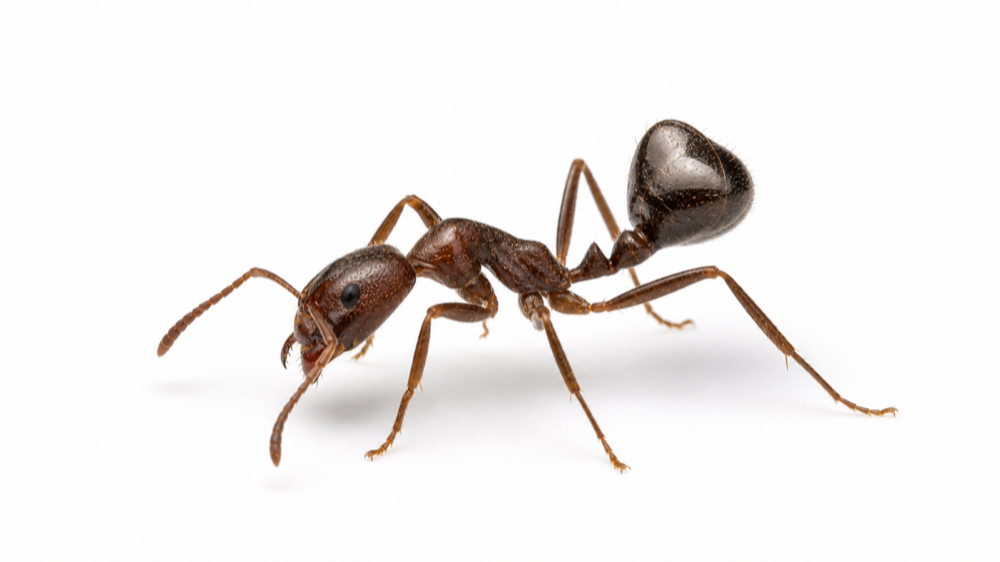
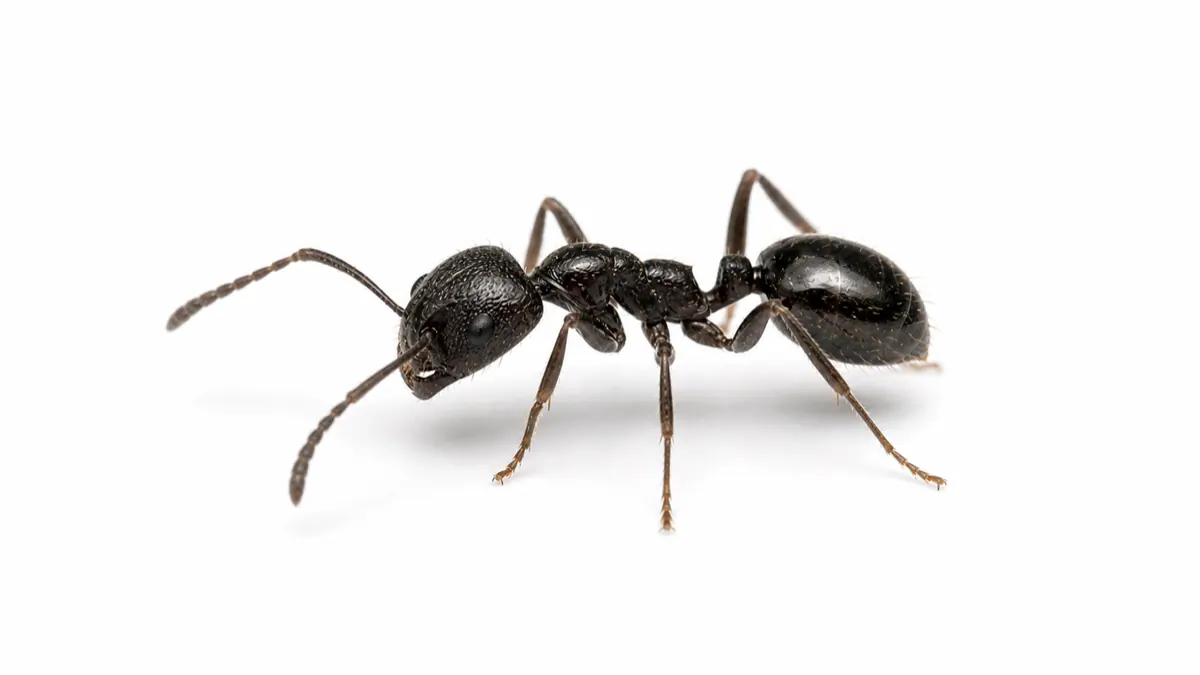 Macro view
Macro viewStart with the actual specimen.
Use the macro photo to slow the identification down: body shape, proportions, color pattern, and visible structures should match before the location clues are weighed.
Field evidenceField evidenceThen match the source pattern.
The strongest ID pairs about 1.5-2 mm with a source that makes sense: kitchens, masonry, foundations. Then compare against similar pests in the library; a better match should shift the identification.
Clues that make little black ant more likely.
- Tiny shiny dark workers in established trails around kitchens, pantries, masonry, mulch, or wall voids.
- Two waist nodes and dark color under close inspection.
- Activity around food cabinets, pet food, fruit, oils, meats, or honeydew-producing insects.
- Nests or trail origins around stones, logs, debris, landscape mulch, cracks, or cabinets.
Clues that point away from little black ant.
- A coconut odor and one hidden node point toward odorous house ants.
- Pale yellow workers in warm indoor voids point toward pharaoh ants.
- Slab cracks and soil piles point more strongly toward pavement ants.
- Large workers or wood frass point toward carpenter ants.
Lookalike Comparison
Lookalikes to compare with Little Black Ant.
Trails, size, odor, nesting location, and moisture clues separate one ant problem from another.
Biology And Behavior
Little black ants are tiny, adaptable foragers.
Little black ants are native ants with flexible nesting habits. They can use soil, mulch, debris, decaying wood, masonry, wall voids, or cabinets, which is why trails may appear indoors while the main support is outdoors.
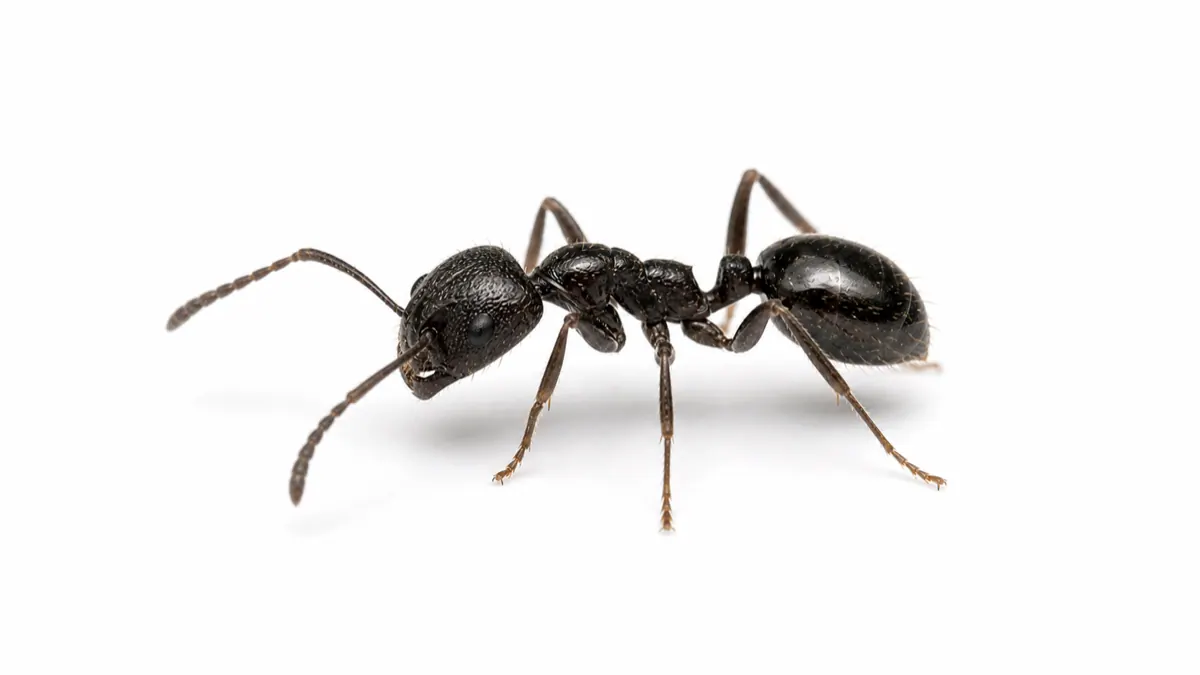
Specimen ReferenceLittle Black AntMonomorium minimum
Nests can be under objects, in soil, in decaying wood, or inside structural voids.
Sugars, honeydew, oils, meats, insects, fruit, and pantry foods can all draw trails.
Colonies can contain many workers and multiple queens.
Nesting, Habitat, And Food
Where Little Black Ant activity usually starts.
Look under stones, logs, bricks, wood, landscape objects, and foundation clutter.
Cabinets, wall voids, masonry, baseboards, and carpet edges can hold trails.
Indoor food and outdoor plant-sucking insects can both support activity.
Seasonal Activity
When Little Black Ant pressure is most visible locally.
Little black ant pressure is strongest in warm months, with indoor activity rising when trails connect to food, moisture, or protected wall voids.
Activity WindowMar through Oct
JanFebMarAprMayJunJulAugSepOctNovDec
Control Logic
How a technician reads Little Black Ant activity.
Good little black ant control starts by tracing whether the colony source is in exterior debris, mulch, masonry, or an indoor void.
Confirm the trail before spraying.
- Track where Little Black Ant is appearing before treatment.
- Reduce moisture, clutter, food access, or exterior harborage where possible.
- Avoid heavy DIY spray use when identification is uncertain.
- Use the service page or quote form when activity repeats or spreads.
Why the ant species changes the plan.
- Confirm the Little Black Ant identification before choosing products or methods.
- Inspect Kitchens, masonry, foundations and surrounding entry routes.
- Match the treatment plan to the source condition, not just visible activity.
- Document recommendations so prevention steps are clear after service.
Keep Comparing
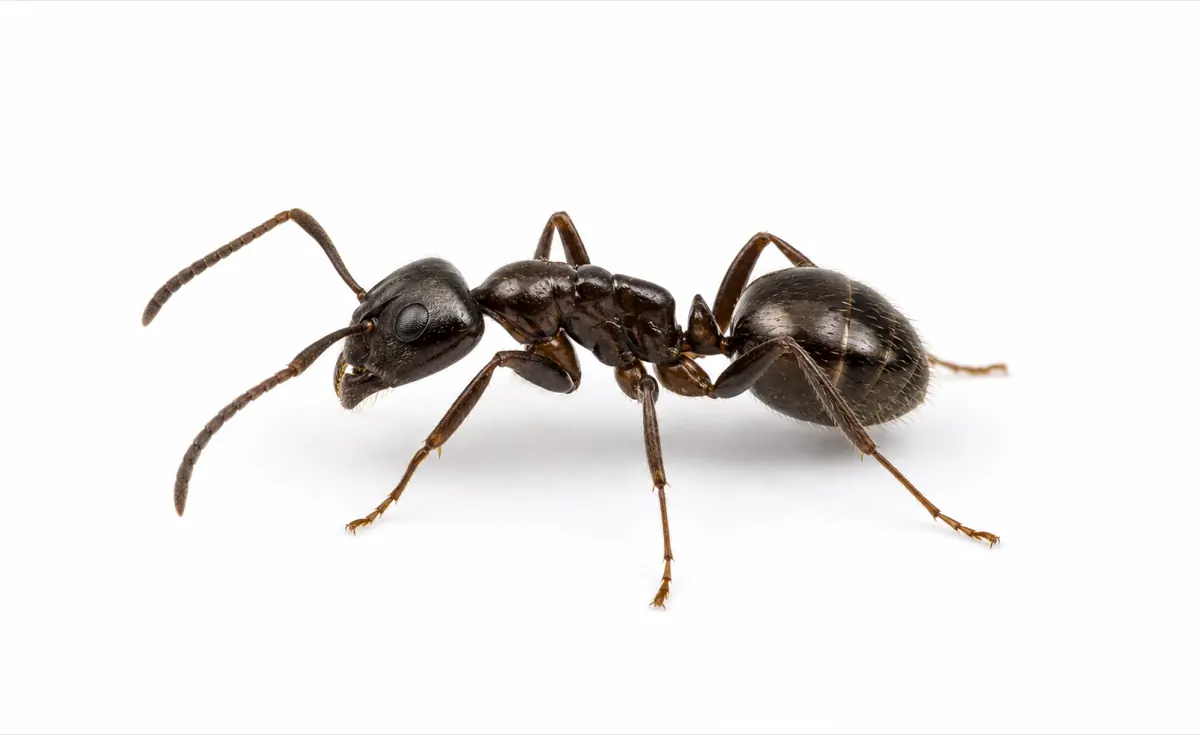
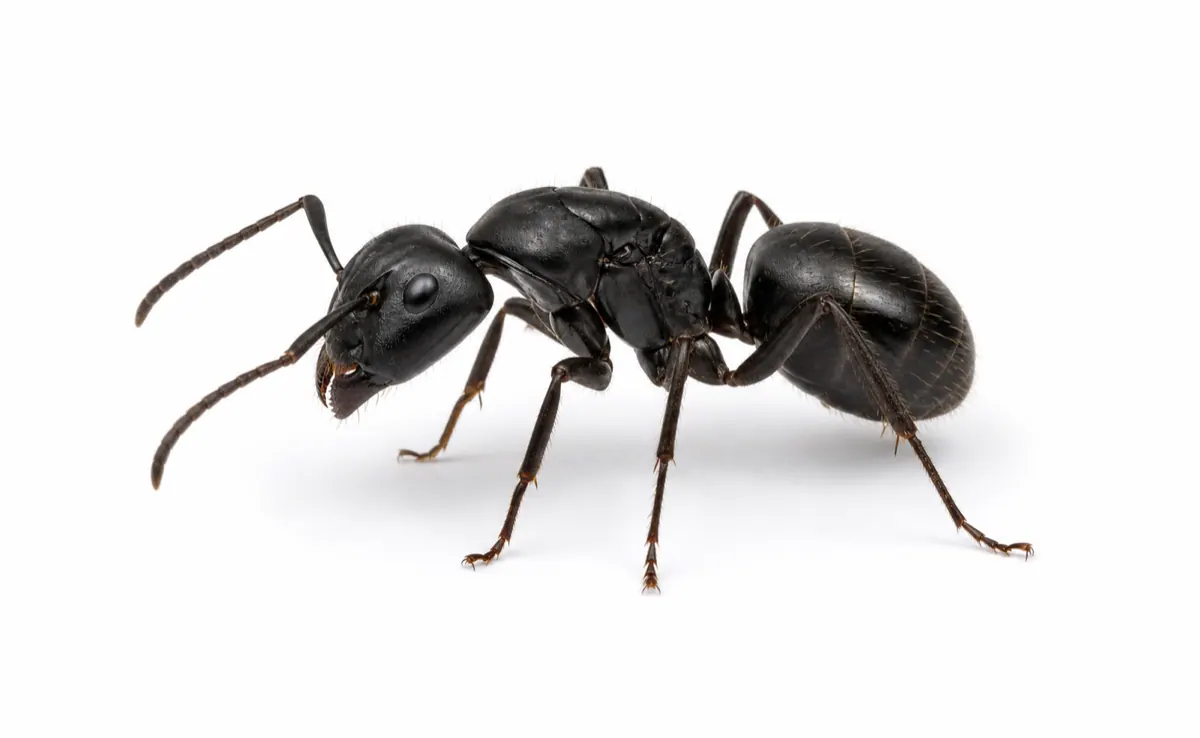
Profiles to compare with Little Black Ant.
Sources & Further Reading
Little Black Ant references used for this profile.
These references help verify ant identification, nesting behavior, and colony movement.
Reference 01Texas A&M Urban Entomology
Little black ant characteristics, distribution, nesting, and management.
Reference 02University of Minnesota ExtensionHousehold ant identification and control context.
Reference 03Texas A&M Ant IdentificationAnt identification reference including little black ants.
Reference 04University of Missouri ExtensionGeneral ant identification and management reference.
Need Confirmation?
Need help confirming Little Black Ant?
A clear photo, trail location, and where activity repeats can usually narrow the ant species quickly.