
01
Does Envexa provide ant control in Hyde Park?
Yes. Envexa provides ant control in Hyde Park, Hamilton County, and nearby Greater Cincinnati communities. The inspection and service plan are based on the property conditions, not just the pest name.
Ant work in Hyde Park starts with the trail source, the moisture or food draw, and the outside route ants are using to reach the home.
Serving Hyde Park, Hamilton County, ZIP 45208, with attention to Hyde Park areas like Hyde Park Square, Observatory, and Grandin.
Free quote. Clear next step. Same-week openings when available.
Envexa serves Hyde Park areas like Hyde Park Square, Observatory, and Grandin with Ohio licensed technicians, clear service notes, and help choosing the right pest control path before work begins.
Local Cincinnati routes with service-area confirmation before scheduling.
Clear recommendation, scope, and next step before work begins.
Licensed and insured service using EPA-registered products when treatment is needed.
Hyde Park homes often see ants move through foundation edges, mulch beds, patios, sill gaps, and kitchen or bath plumbing lines. A good treatment should follow the route back toward the colony instead of only wiping out the ants you can see.
Hyde Park's combination of 1920s single-family homes along Grandin and Observatory with larger multi-unit buildings near Hyde Park Square creates two very different pest-management needs in the same neighborhood. For ant control, that means we slow down around Hyde Park Square, Observatory, and Grandin and look at trail sources, foundation edges, mulch lines, plumbing routes, moisture, and where the first activity showed up before we talk through a plan. Hyde Park follows classic urban Cincinnati pest patterns: heavy ant and spider spring pressure, cockroach persistence in multi-unit buildings year-round, stink bug invasion in September, and mouse entry October-November.
Most ant jobs are not won on the countertop. In Hyde Park, we want to know why that trail chose the room, whether moisture or food is pulling it in, and whether the exterior route is still active.
The end result should feel plain and useful: what we saw, why it matters, and what service path makes sense for the home.
Hyde Park's century-old homes with stone and brick foundations provide endless ant entry points. Odorous house ants and pavement ants are the dominant species. Carpenter ant pressure is significant in homes with water-damaged wood, original wooden gutters, and mature tree limbs touching structures. Heat from thermal radiant systems in older Hyde Park homes creates winter ant activity — pharaoh ants thrive in these conditions.
Hamilton County's dense urban fabric, older housing stock, and river valley humidity create year-round ant pressure. Foundation cracks in pre-war homes, mature tree canopy, and extensive mulch beds provide ideal colony harborage within feet of exterior walls.
Ant service should connect what you see indoors with the colony routes, moisture, soil, and exterior conditions that keep trails active.
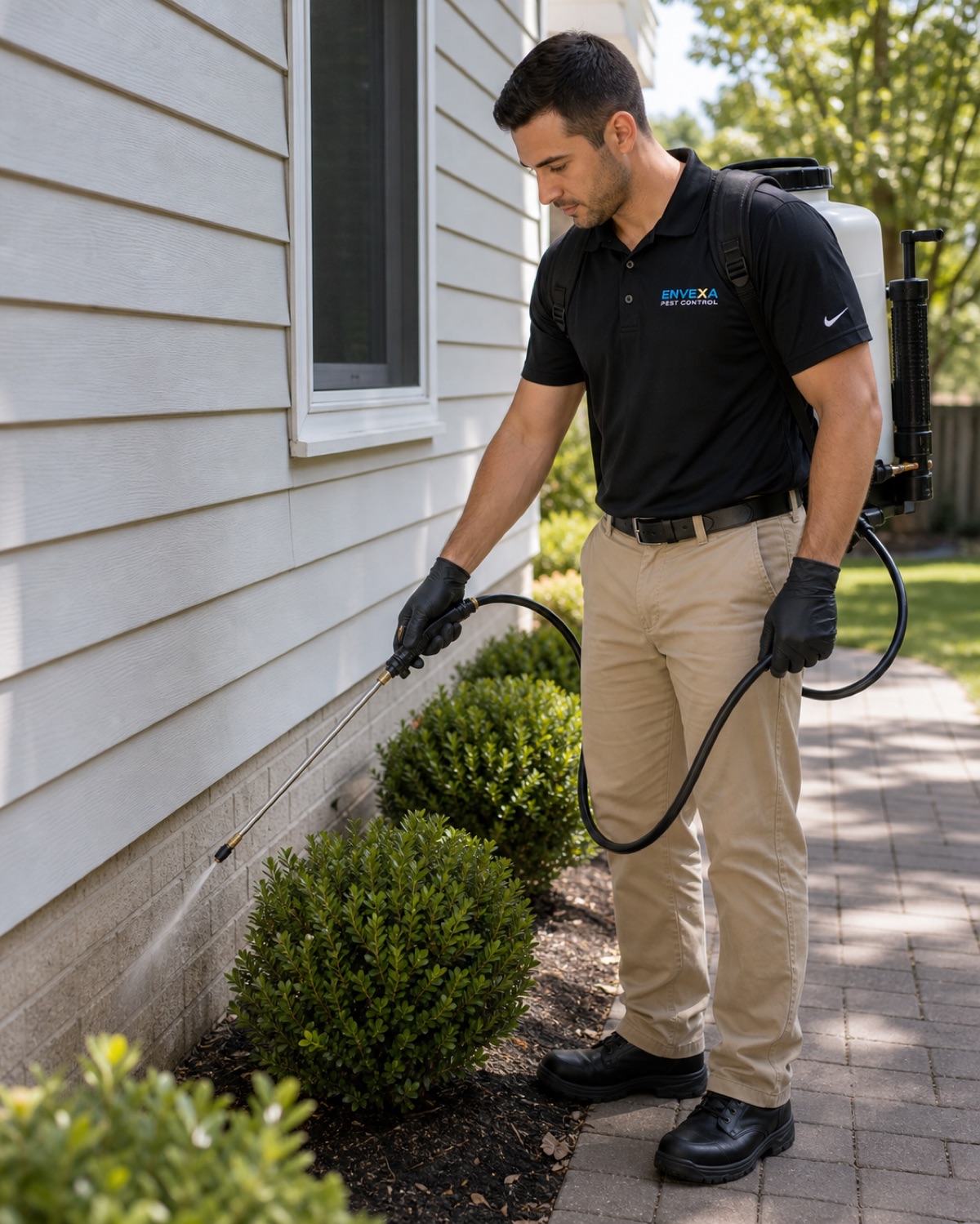
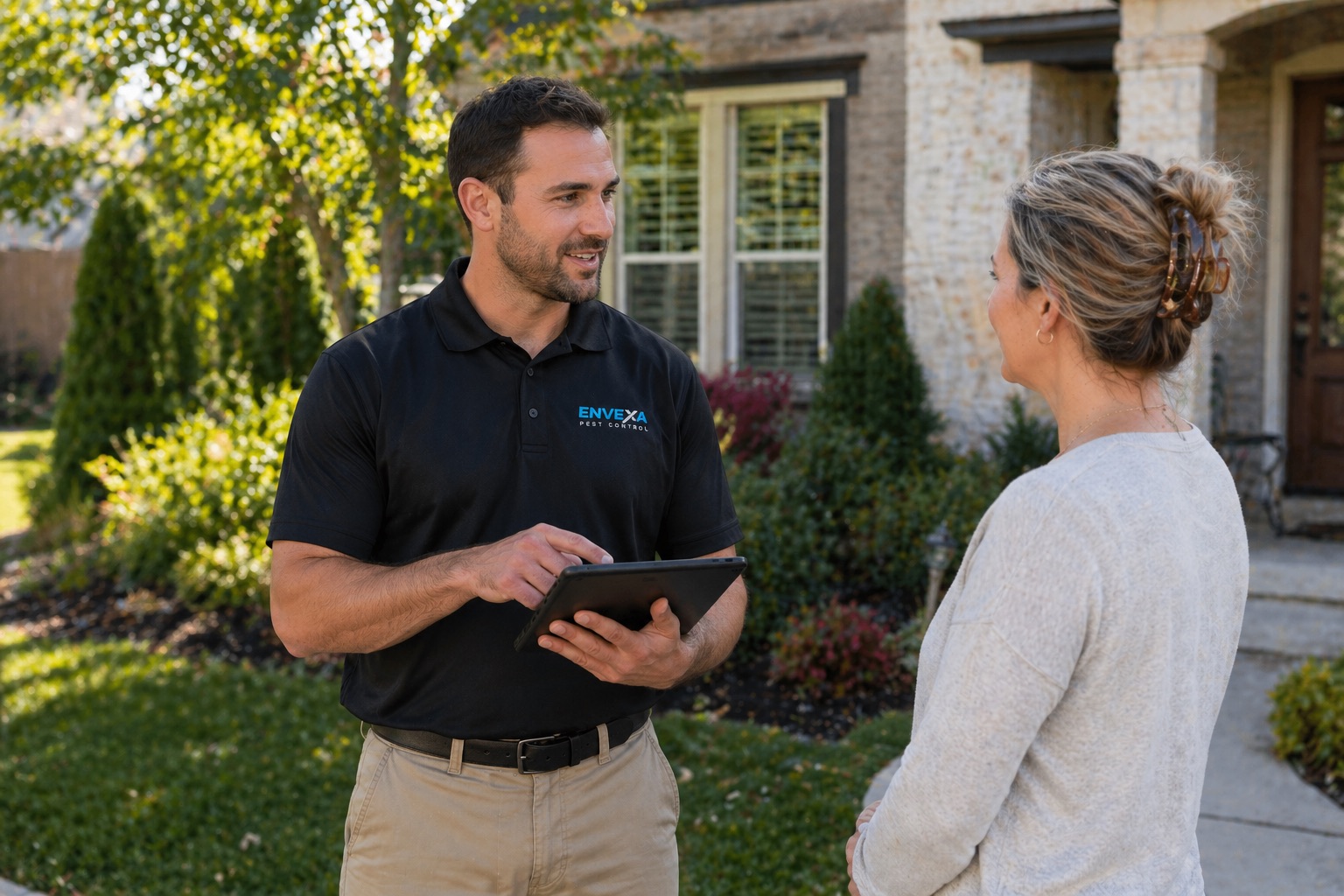
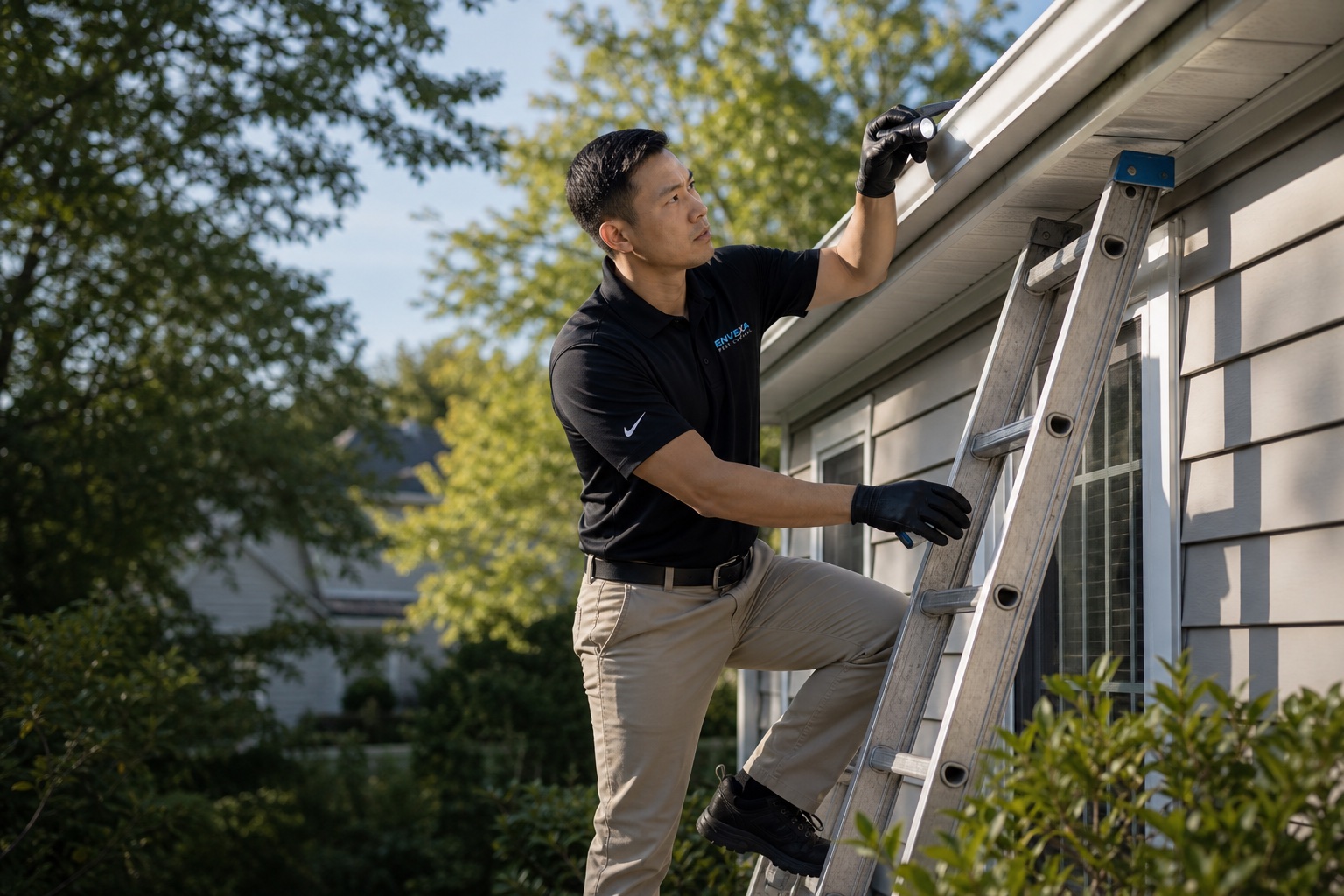
The first visit should answer where the ants are coming from and what has to change.
We look for the exterior route, the room where activity started, and the conditions pulling ants inside.
Odorous house ants, pavement ants, carpenter ants, and small nuisance ants do not all respond to the same plan.
Soft trim, wet mulch, clogged gutters, and wood-to-soil contact can change the service recommendation.
Simple problems get simple service. Repeat pressure gets a plan that accounts for the property.
Light seasonal trails may be handled differently than repeat kitchen, bath, or foundation activity.
Many ant jobs begin outside; interior work is added when trails, wall voids, or kitchen activity call for it.
Ant colonies can shift after treatment, so follow-up notes matter more than a generic spray.
Short, direct answers for homeowners comparing local service options.
Yes. Envexa provides ant control in Hyde Park, Hamilton County, and nearby Greater Cincinnati communities. The inspection and service plan are based on the property conditions, not just the pest name.
The first visit looks for active evidence, where activity is coming from, and the conditions that could keep it returning. For this service, that usually means trail sources, foundation edges, mulch lines, plumbing routes, moisture, and where the first activity showed up.
No. A home near wooded edges, older foundations, shaded yards, commercial corridors, or water sources may need a different focus than a newer subdivision home. The recommendation changes with what the technician finds.
Keep moving through the pages that match this neighborhood and service type.
Use Envexa's pest library to see identification guides, macro photos, signs, and lookalikes tied to ant control.
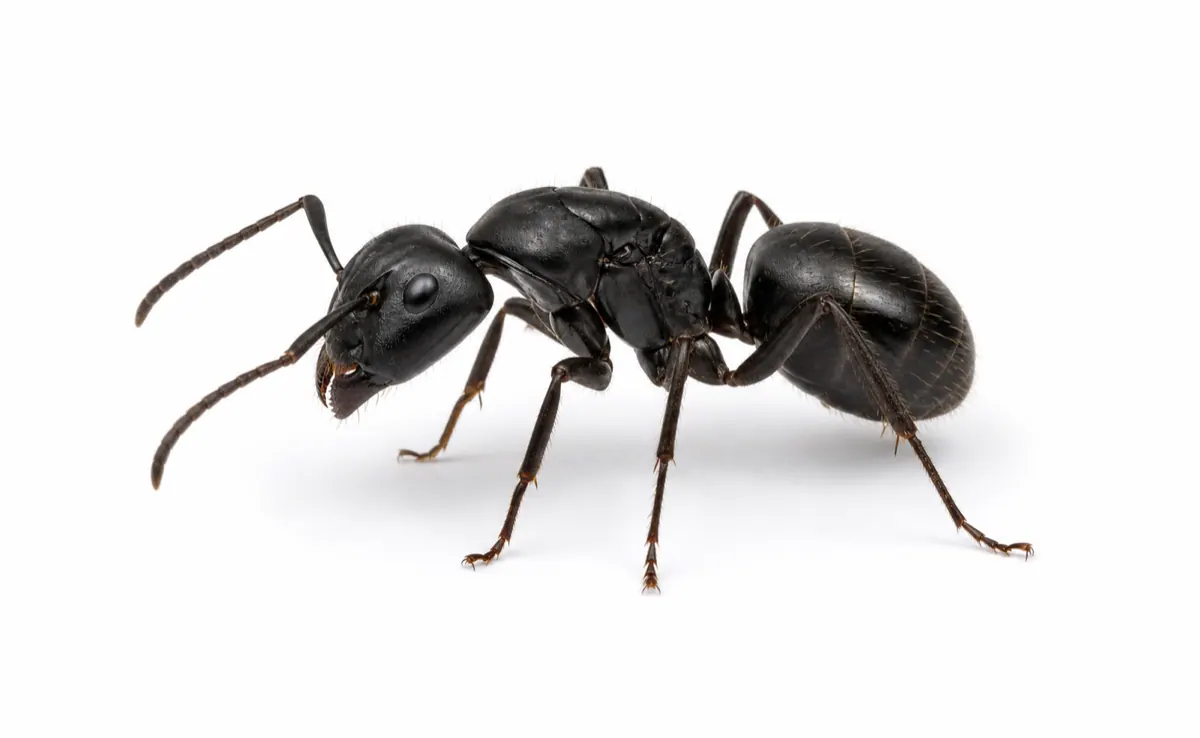 Ants · Mar through OctCarpenter Ant guideLarge black ants that excavate damp or damaged wood. Sawdust-like frass, rustling in walls, and winged ants indoors are important warni...
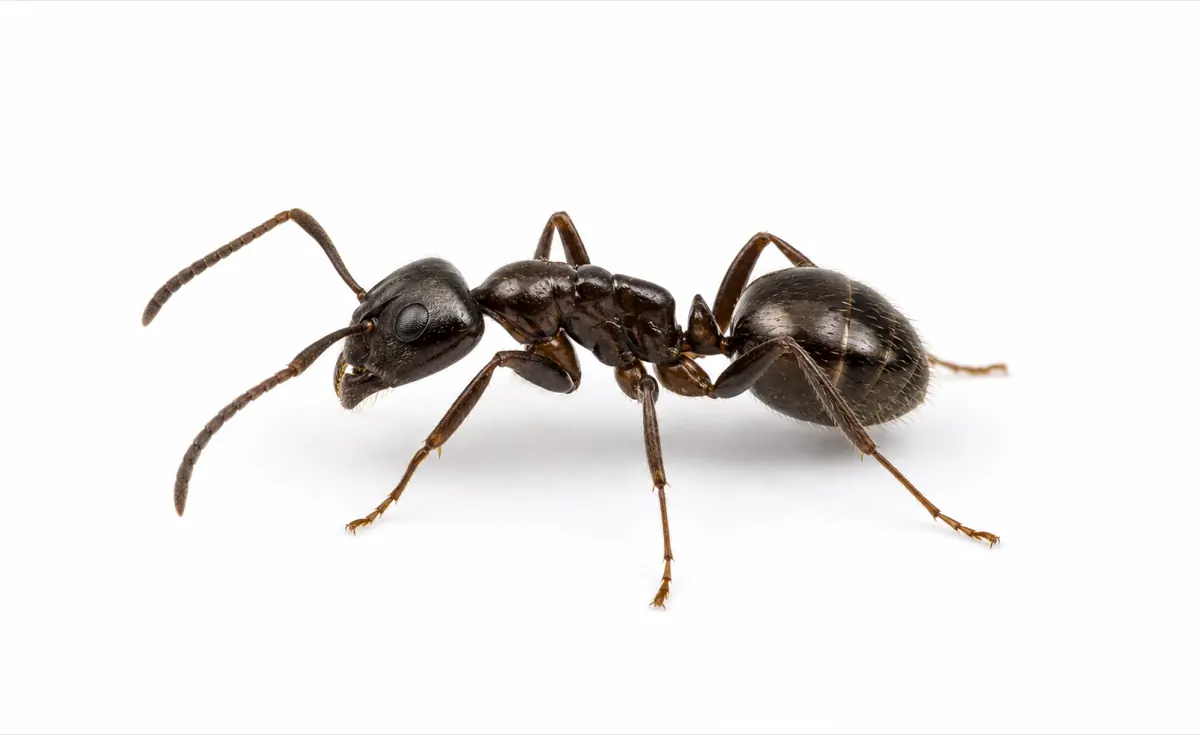 Ants · Mar through OctOdorous House Ant guideTiny dark ants that smell rotten or coconut-like when crushed. They trail along counters and plumbing lines and split colonies when spr...
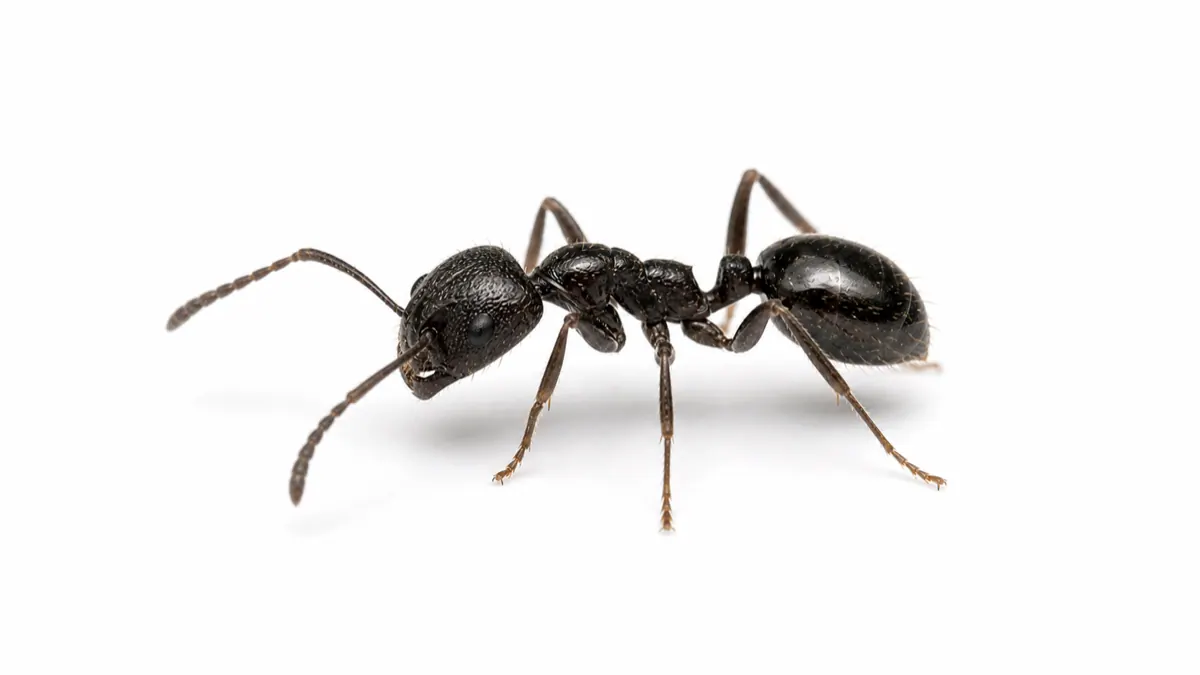 Ants · Mar through OctPavement Ant guideSmall ants nesting under sidewalks, driveways, patios, and foundation edges. They often trail from expansion joints into kitchens and b...
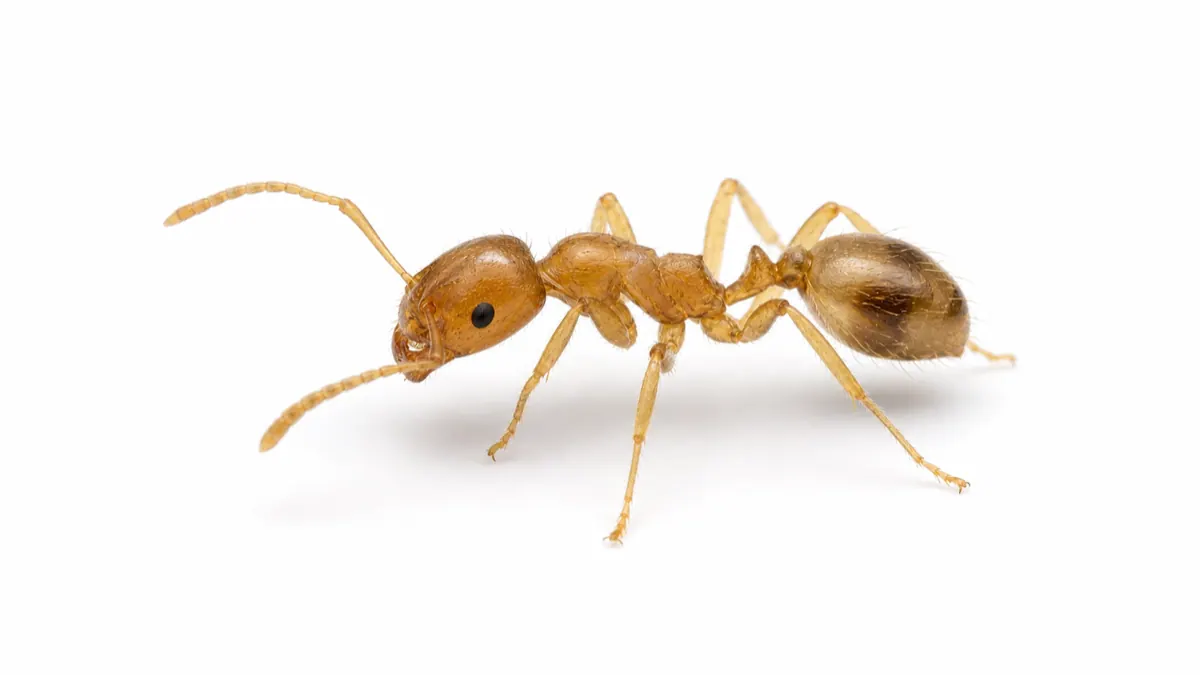 Ants · Year-roundPharaoh Ant guideTiny yellowish indoor ants that can spread through apartments, hospitals, and commercial buildings. Repellent sprays can make the colon...
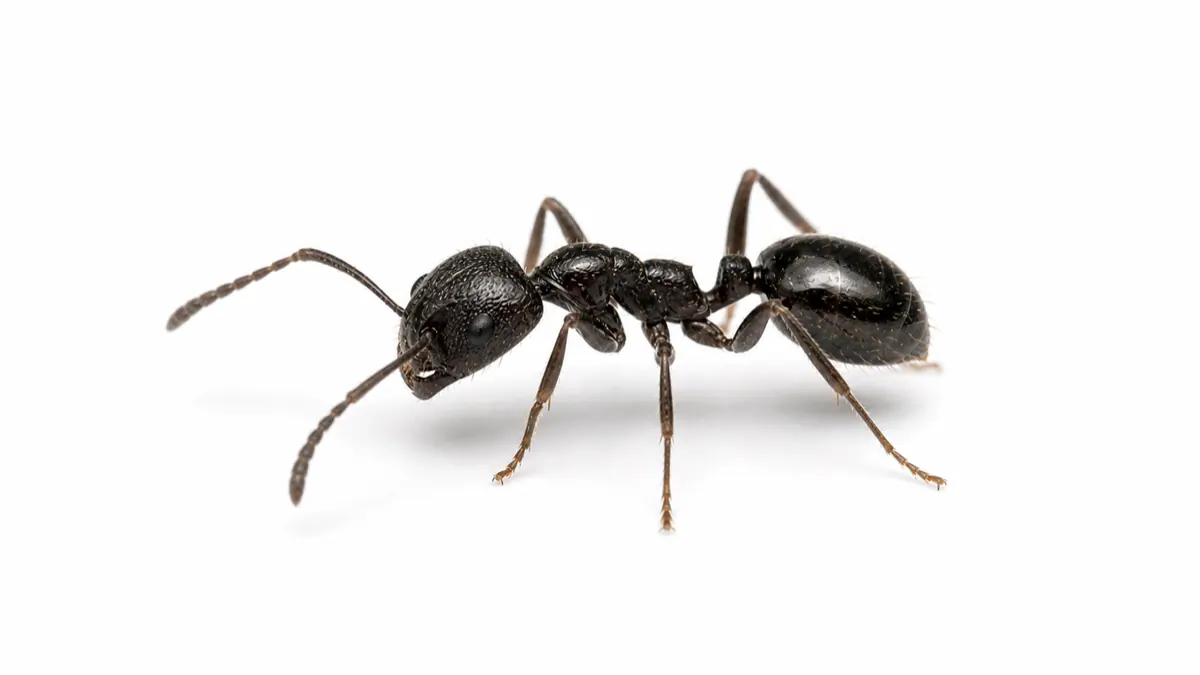 Ants · Mar through OctLittle Black Ant guideTiny dark ants that show up around kitchens, patios, masonry cracks, and foundation edges. They are easy to confuse with odorous house...
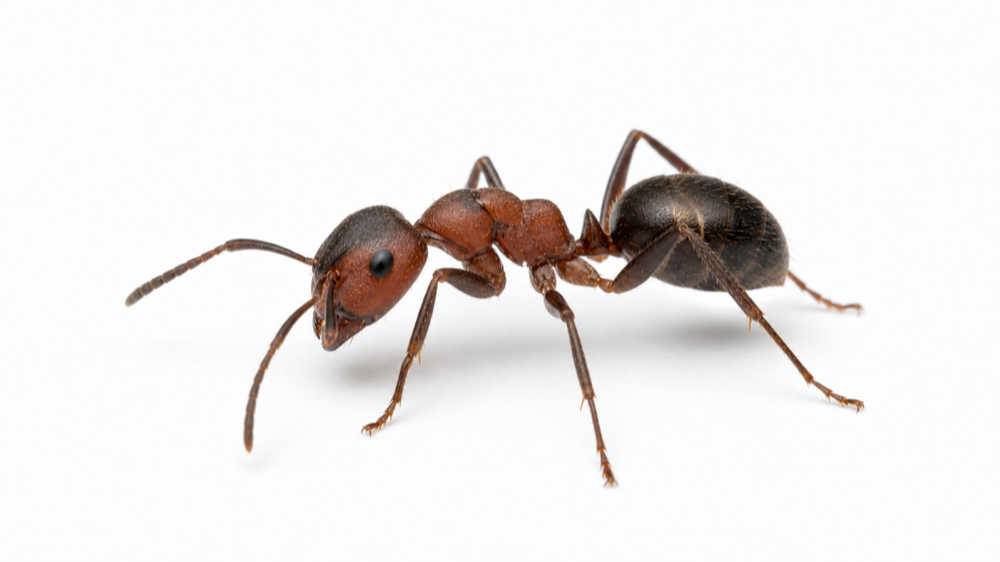 Ants · Mar through OctField Ant guideOutdoor mound-building ants common around lawns, fields, and landscaped edges. They may move toward structures when soil, moisture, or...
Short answers before you schedule service.