
Spiders Field Profile
Black Widow Spider
Latrodectus spp.
Order Araneae / Family Theridiidae / Genus Latrodectus
Black widow spiders are medically significant cobweb spiders, but identification should stay precise: adult females are the main concern, and the red hourglass is on the underside of the abdomen. Web location and structure matter as much as color.
Field ID Snapshot
Black Widow Spider identification starts with body shape and web pattern.
Confirm black widows by the glossy body, adult female hourglass or species markings, strong irregular web, and dark undisturbed harborage. Do not assume every dark cobweb spider is a widow.
The most recognized marking is ventral, so top-down photos can miss it.
Adult females are the medically important form most people recognize.
Widow webs are messy, sticky, and usually placed in protected low-disturbance sites.
Garages, sheds, crawl spaces, rocks, foundations, and woodpiles fit the pattern.
Bites usually happen when the spider is trapped or its web is disturbed.
Several dark cobweb spiders can be confused with widows.
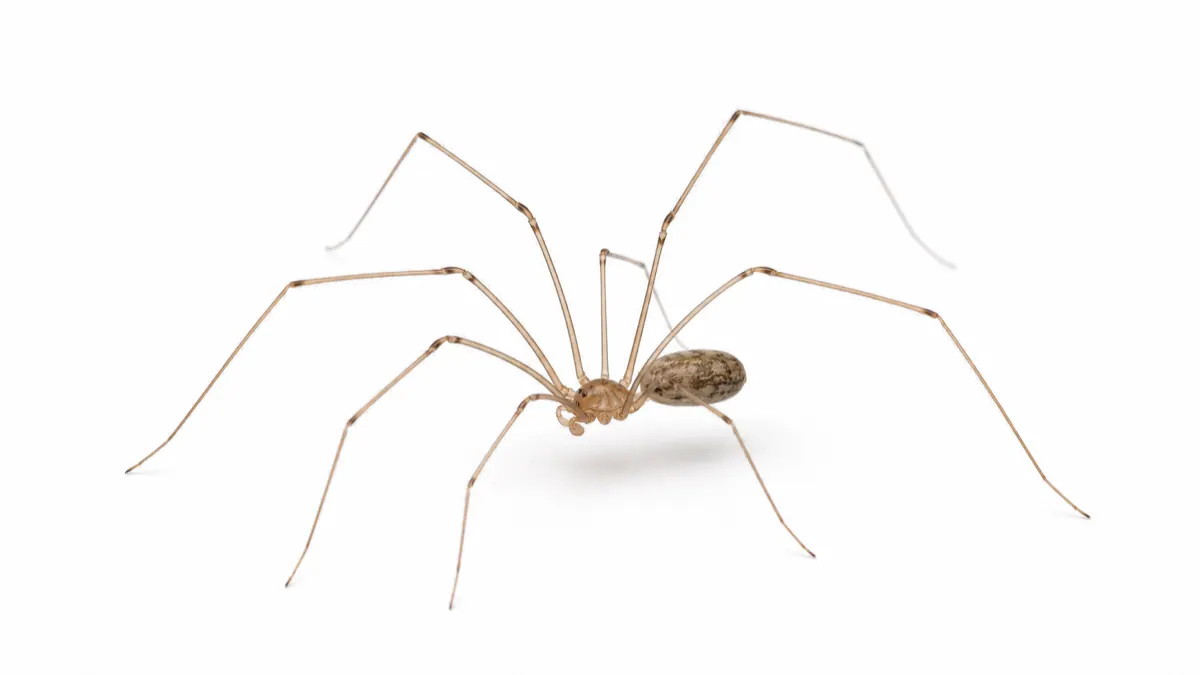
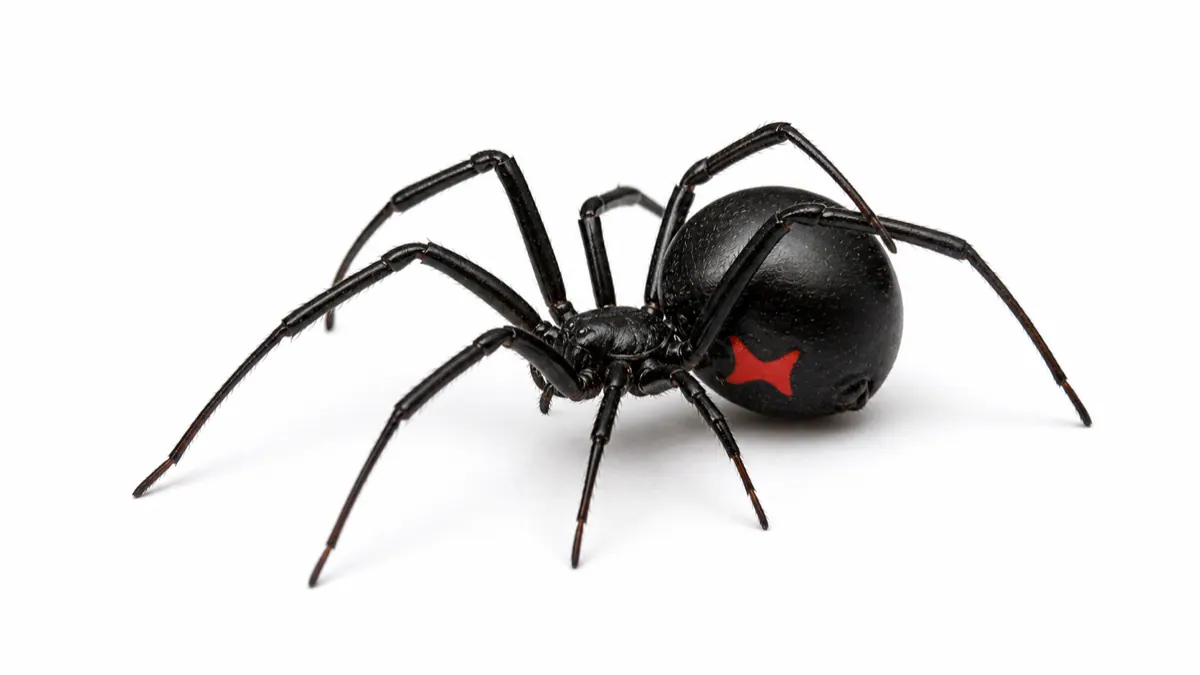 Macro view
Macro viewStart with the actual specimen.
Use the macro photo to slow the identification down: body shape, proportions, color pattern, and visible structures should match before the location clues are weighed.
Field evidenceField evidenceThen match the source pattern.
The strongest ID pairs red hourglass underside with a source that makes sense: garages, sheds, crawl spaces. Then compare against similar pests in the library; a better match should shift the identification.
Clues that make black widow spider more likely.
- Glossy adult female with red hourglass marking on the underside of the abdomen.
- Strong, irregular cobweb in a dark protected site such as a shed, garage, crawl space, or foundation edge.
- Spider staying close to the web rather than running openly across floors.
- Egg sacs or repeated web rebuilding in the same undisturbed area.
Clues that point away from black widow spider.
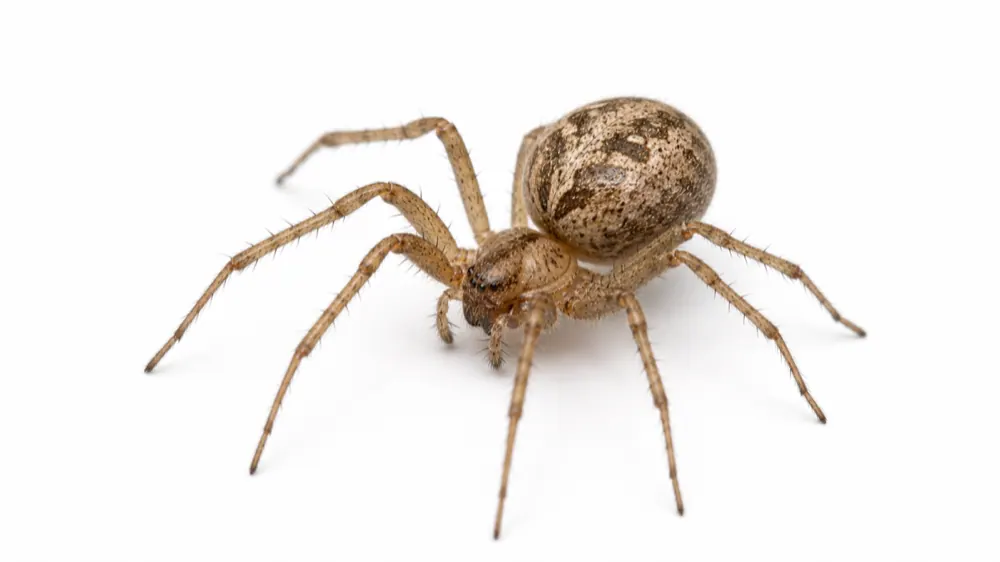
- Dark spiders without an hourglass may be false widows or common cobweb spiders.
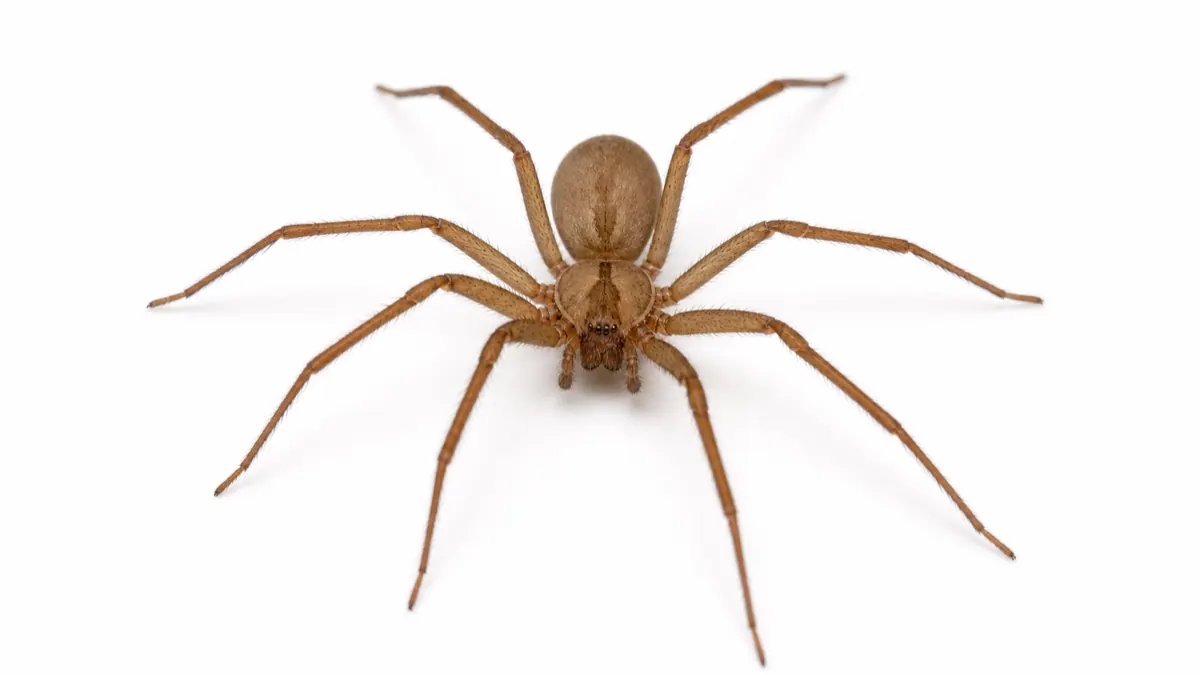
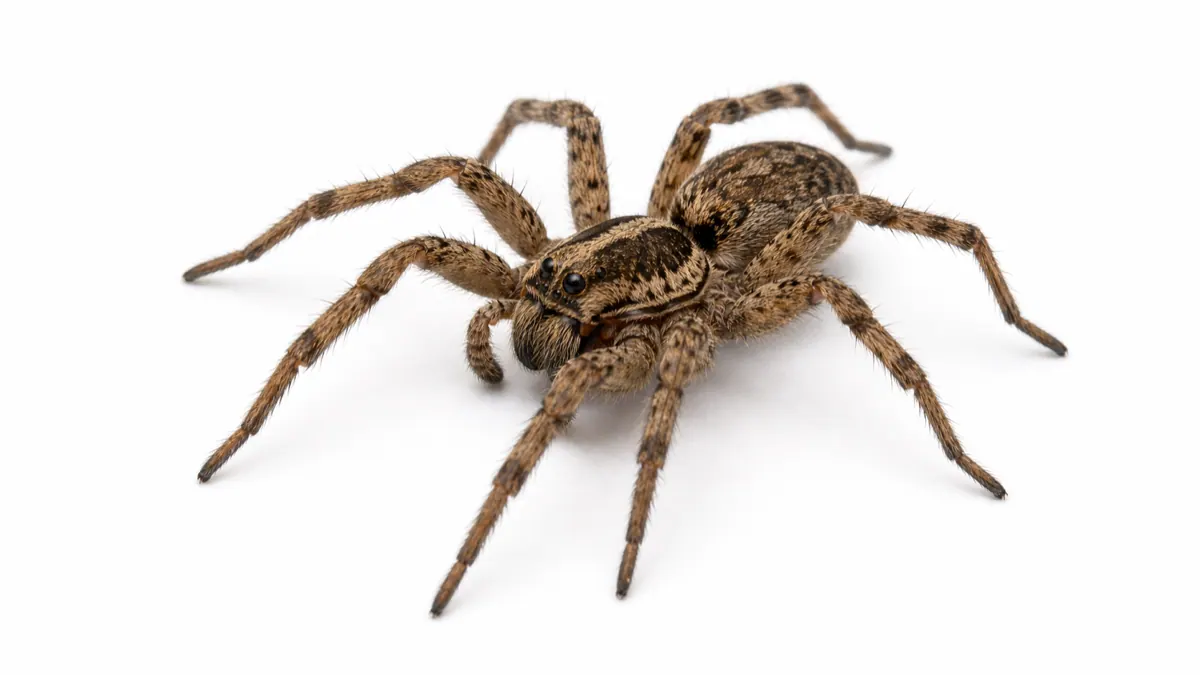
- Brown hunting spiders with no web point toward wolf spiders, grass spiders, or brown recluse checks.
- Juvenile markings can be confusing, so unclear specimens need closer identification.
- A top-down photo alone may not show the underside marking needed for confidence.
Lookalike Comparison
Lookalikes to compare with Black Widow Spider.
Web location, hunting behavior, markings, and size matter before deciding how serious the sighting is.
Biology And Behavior
Black widow risk is tied to hidden webs and accidental contact.
Black widows build irregular webs in protected sites where insects travel. They are not aggressive roamers, but bites can happen when hands, clothing, tools, or stored items disturb a web or press the spider against skin.
Specimen ReferenceBlack Widow SpiderLatrodectus spp.
The web catches flying and crawling insects in sheltered spaces.
Adult females have the body size and venom apparatus associated with medically significant bites.
Clutter, stored materials, crawl spaces, and exterior shelter let webs persist.
Nesting, Habitat, And Food
Where Black Widow Spider activity usually starts.
Rocks, logs, irrigation boxes, foundations, and outbuildings are common.
Look in dark corners, boxes, stored items, and voids before reaching.
Direct contact with web areas creates most risk.
Seasonal Activity
When Black Widow Spider pressure is most visible locally.
Black widow activity is most noticeable in warm months in Cincinnati-area structures and outbuildings, though protected sites can keep spiders sheltered outside the main season.
Activity WindowMar through Oct
JanFebMarAprMayJunJulAugSepOctNovDec
Control Logic
How a technician reads Black Widow Spider activity.
Good black widow work prioritizes safety: confirm the spider, avoid bare-handed disturbance, remove clutter, treat or vacuum web sites carefully, and reduce insects that support webs.
Start with the web, room, and body shape.
- Track where Black Widow Spider is appearing before treatment.
- Reduce moisture, clutter, food access, or exterior harborage where possible.
- Avoid heavy DIY spray use when identification is uncertain.
- Use the service page or quote form when activity repeats or spreads.
Why spider control starts with the insects they eat.
- Confirm the Black Widow Spider identification before choosing products or methods.
- Inspect Garages, sheds, crawl spaces and surrounding entry routes.
- Match the treatment plan to the source condition, not just visible activity.
- Document recommendations so prevention steps are clear after service.
Keep Comparing
Profiles to compare with Black Widow Spider.
Sources & Further Reading
Black Widow Spider references used for this profile.
These references help verify spider markings, behavior, range, and homeowner risk clues.
Reference 01Penn State Extension
Black widow identification, life history, habitat, and medical relevance.
Reference 02Utah State University ExtensionBlack widow identification, harborage, and IPM recommendations.
Reference 03Missouri Department of ConservationRegional species, markings, habitat, and bite-safety context.
Reference 04University of Missouri ExtensionBlack widow identification and household habitat in a regional spider guide.
Need Confirmation?
Need help confirming Black Widow Spider?
Send the location, size, and a clear photo if you have one. Identification matters before anyone treats.