
Spiders Field Profile
Orb-Weaver Spider
Araneidae
Order Araneae / Family Araneidae
Orb-weaver spiders are the architects of the classic circular outdoor spider web. They are usually beneficial and not medically important, but large webs near porches, lights, shrubs, and entryways can become a nuisance in late summer and fall.
Field ID Snapshot
Orb-Weaver Spider identification starts with body shape and web pattern.
Confirm orb-weavers by the web first: a wheel-shaped orb web with radiating lines and spirals. Body color varies widely, so the web architecture is often the cleanest field clue.
Radiating lines and spiral capture silk separate orb-weavers from cobweb and funnel-web spiders.
Many have large swollen or patterned abdomens, but color varies heavily.
Porches, shrubs, eaves, gardens, and exterior lights are common.
Large females and webs become most noticeable late in the warm season.
They capture flying insects and other small arthropods.
Most nuisance comes from webs, not danger.
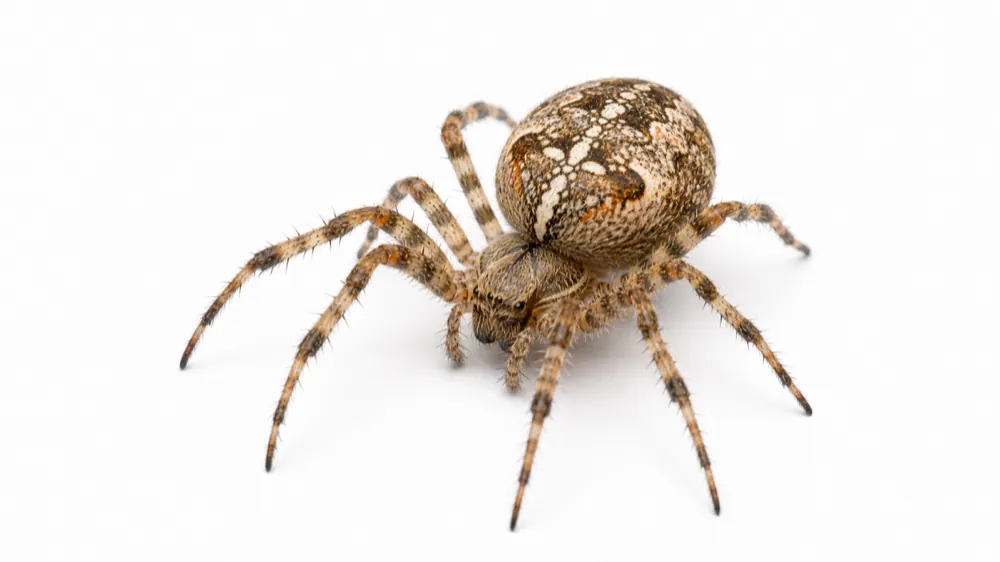 Macro view
Macro viewStart with the actual specimen.
Use the macro photo to slow the identification down: body shape, proportions, color pattern, and visible structures should match before the location clues are weighed.
Field evidenceField evidenceThen match the source pattern.
The strongest ID pairs classic circular orb with a source that makes sense: porches, eaves, landscaping. Then compare against similar pests in the library; a better match should shift the identification.
Clues that make orb-weaver spider more likely.
- A circular wheel-shaped web with radiating lines and sticky spiral silk.
- Large rounded or patterned spider sitting in the web, often head-down.
- Webs near exterior lights, porches, eaves, gardens, shrubs, or entryways.
- Late-summer or fall buildup of large outdoor webs.
Clues that point away from orb-weaver spider.
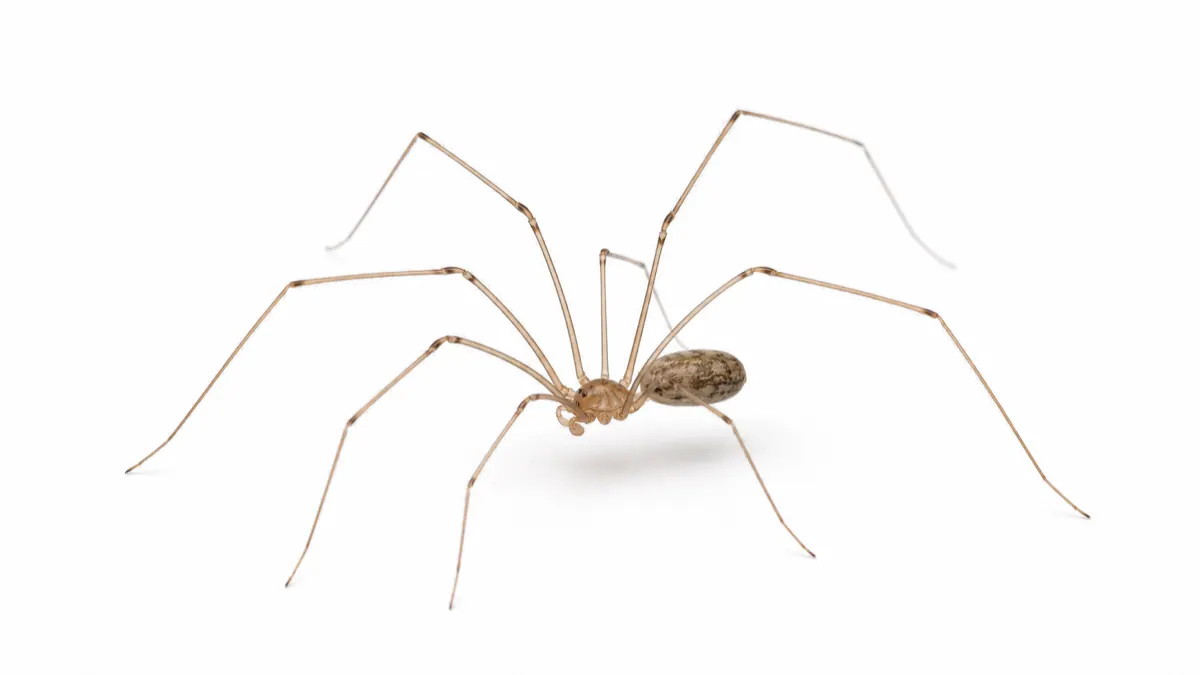
- Messy indoor corner webs point toward common house spiders or cellar spiders.
- Flat sheet webs with a funnel retreat point toward grass spiders.
- A glossy black spider in a strong irregular web should be checked as a black widow.
- A ground-running spider with no web points toward wolf spiders or jumping spiders.
Lookalike Comparison
Lookalikes to compare with Orb-Weaver Spider.
Web location, hunting behavior, markings, and size matter before deciding how serious the sighting is.
Biology And Behavior
Orb-weaver visibility follows web placement and late-season growth.
Orb-weavers place webs where flying insects move: gardens, lighting, shrubs, eaves, porches, and open structure edges. They are often tolerated outdoors unless webs cross doors, walkways, or customer-facing areas.
Specimen ReferenceOrb-Weaver SpiderAraneidae
The web itself is the most recognizable feature.
Large females and egg sacs are most visible from late summer into fall.
Lights and vegetation can concentrate prey and webs.
Nesting, Habitat, And Food
Where Orb-Weaver Spider activity usually starts.
Webs across paths or doors are nuisance-prone.
Vegetation provides anchor points and prey.
Insect-attracting lights can make webs return.
Seasonal Activity
When Orb-Weaver Spider pressure is most visible locally.
Orb-weaver spiders are most noticeable in Cincinnati from summer into fall, when adults are larger and webs appear around porches, landscaping, and lights.
Activity WindowApr through Oct
JanFebMarAprMayJunJulAugSepOctNovDec
Control Logic
How a technician reads Orb-Weaver Spider activity.
Good orb-weaver management is usually mechanical and habitat based: remove nuisance webs, reduce lighting attraction, trim web anchors near entries, and leave beneficial webs alone where possible.
Start with the web, room, and body shape.
- Track where Orb-Weaver Spider is appearing before treatment.
- Reduce moisture, clutter, food access, or exterior harborage where possible.
- Avoid heavy DIY spray use when identification is uncertain.
- Use the service page or quote form when activity repeats or spreads.
Why spider control starts with the insects they eat.
- Confirm the Orb-Weaver Spider identification before choosing products or methods.
- Inspect Porches, eaves, landscaping and surrounding entry routes.
- Match the treatment plan to the source condition, not just visible activity.
- Document recommendations so prevention steps are clear after service.
Keep Comparing
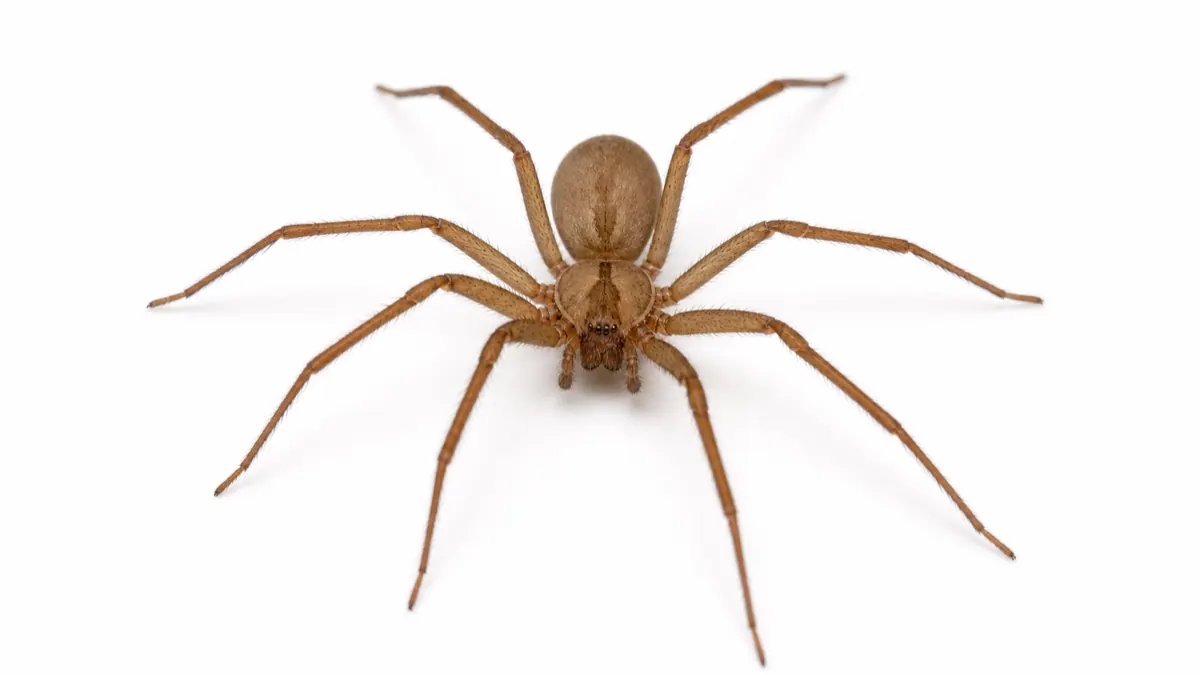
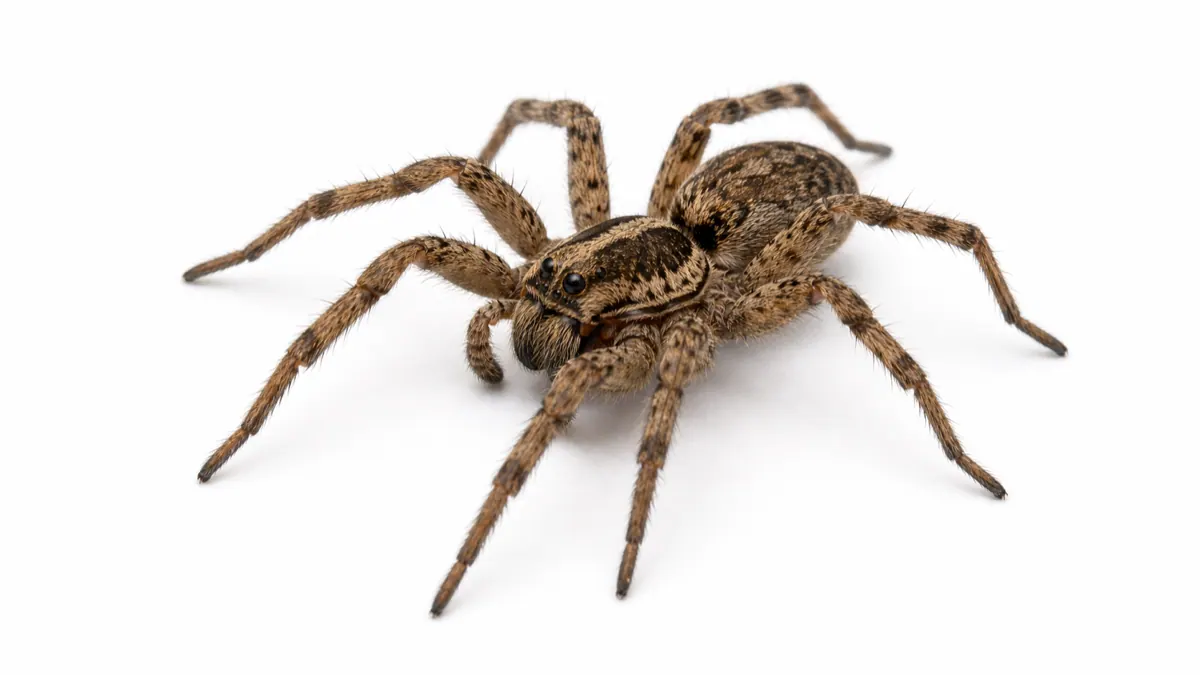
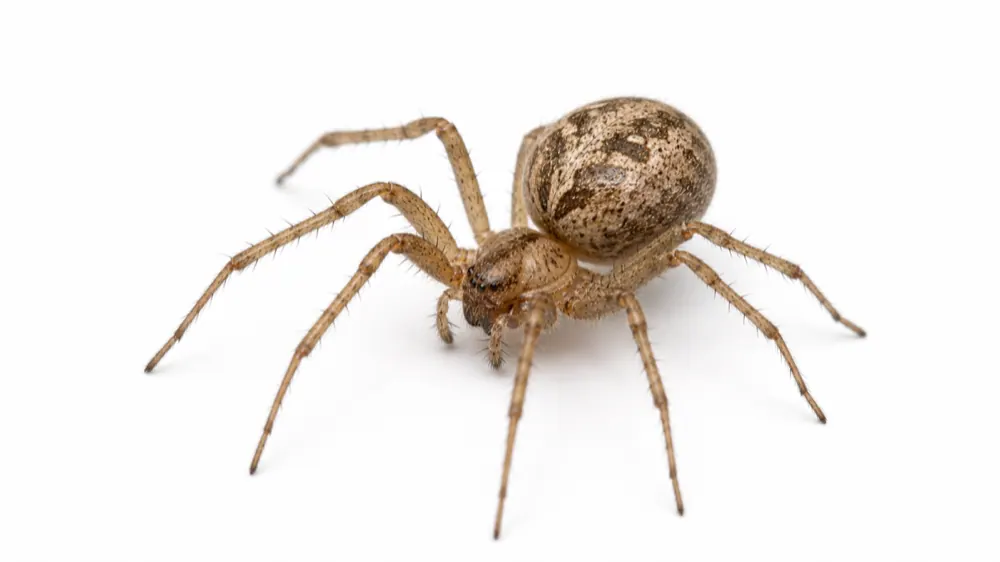
Profiles to compare with Orb-Weaver Spider.
Sources & Further Reading
Orb-Weaver Spider references used for this profile.
These references help verify spider markings, behavior, range, and homeowner risk clues.
Reference 01Utah State University Extension
Orb-weaver identification, seasonality, web placement, and IPM recommendations.
Reference 02Penn State ExtensionBanded garden spider and orb-weaver life history reference.
Reference 03University of Minnesota ExtensionOrb-weaver identification and common garden spider comparison.
Reference 04University of Missouri ExtensionOrb-weaver web structure and regional spider guide context.
Need Confirmation?
Need help confirming Orb-Weaver Spider?
Send the location, size, and a clear photo if you have one. Identification matters before anyone treats.