
Ants Field Profile
Citronella Ant
Lasius interjectus
Order Hymenoptera / Family Formicidae / Subfamily Formicinae
Citronella ants are yellowish subterranean Lasius ants named for the lemon or citronella odor they release when crushed. Homeowners usually notice them as swarmers that can be mistaken for other winged insects.
Field ID Snapshot
Citronella Ant identification starts with trail behavior.
Confirm citronella ants by combining yellowish color, one node, lemon-like odor, subterranean soil nesting, and swarmer behavior.
The yellowish body separates them from most dark household ants.
Crushed workers may release a noticeable lemon-like odor.
A single waist node helps separate them from two-node ants.
They nest underground and often feed on honeydew from root-feeding insects.
Winged ants emerging indoors can trigger concern until they are identified.
They tend honeydew-producing insects on plant roots.
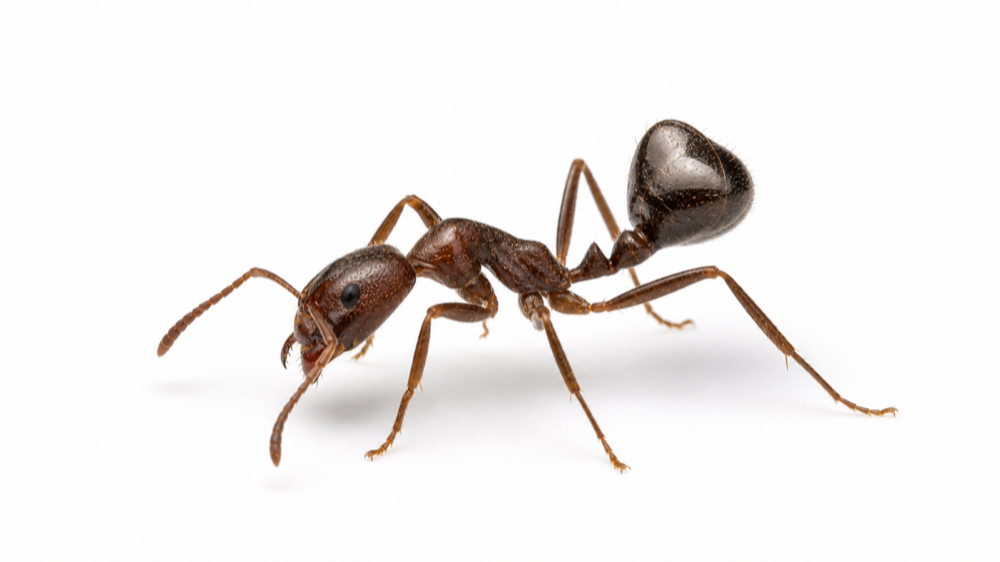
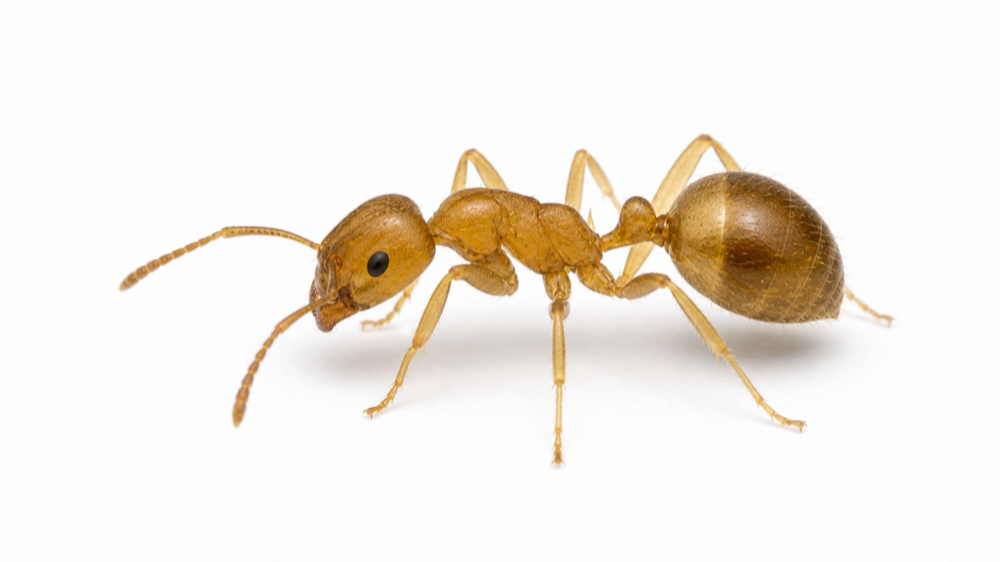 Macro view
Macro viewStart with the actual specimen.
Use the macro photo to slow the identification down: body shape, proportions, color pattern, and visible structures should match before the location clues are weighed.
Field evidenceField evidenceThen match the source pattern.
The strongest ID pairs yellow to reddish yellow with a source that makes sense: soil, slabs, foundation edges. Then compare against similar pests in the library; a better match should shift the identification.
Clues that make citronella ant more likely.
- Yellowish ants or swarmers with a lemon or citronella odor when crushed.
- Activity connected to soil, slabs, foundation edges, or basement areas.
- Winged ants indoors with elbowed antennae and pinched waists.
- No evidence of hidden wood-feeding activity.
Clues that point away from citronella ant.
- Repeated indoor winged insects should be identified before treatment.
- Tiny yellow indoor trails with multi-queen nesting concern point toward pharaoh ants.
- Dark kitchen trails with coconut odor point toward odorous house ants.
- Slab-edge two-node ants without citrus odor are more likely pavement ants.
Lookalike Comparison
Lookalikes to compare with Citronella Ant.
Trails, size, odor, nesting location, and moisture clues separate one ant problem from another.
Biology And Behavior
Citronella ants are mostly subterranean honeydew feeders.
Citronella ants live underground and feed heavily on honeydew from aphids and mealybugs associated with plant roots. Their main household significance is occasional indoor swarming that can be misread without identification.
Specimen ReferenceCitronella AntLasius interjectus
Basement and slab sightings often trace back to soil colonies near foundations.
They are more connected to subterranean honeydew than kitchen food trails.
Winged ants should be identified carefully before service.
Nesting, Habitat, And Food
Where Citronella Ant activity usually starts.
Check basement cracks, slab lines, and soil contact areas.
Aphids and mealybugs on roots can support colonies.
Indoor swarmers are usually the reason homeowners notice them.
Seasonal Activity
When Citronella Ant pressure is most visible locally.
Citronella ants are most noticed during swarming periods in spring and fall, especially around basements and slab edges.
Activity WindowMar through Sep
JanFebMarAprMayJunJulAugSepOctNovDec
Control Logic
How a technician reads Citronella Ant activity.
Good citronella ant work starts by separating swarmers from other evidence, then deciding whether the soil source is actually causing a household problem.
Confirm the trail before spraying.
- Track where Citronella Ant is appearing before treatment.
- Reduce moisture, clutter, food access, or exterior harborage where possible.
- Avoid heavy DIY spray use when identification is uncertain.
- Use the service page or quote form when activity repeats or spreads.
Why the ant species changes the plan.
- Confirm the Citronella Ant identification before choosing products or methods.
- Inspect Soil, slabs, foundation edges and surrounding entry routes.
- Match the treatment plan to the source condition, not just visible activity.
- Document recommendations so prevention steps are clear after service.
Keep Comparing
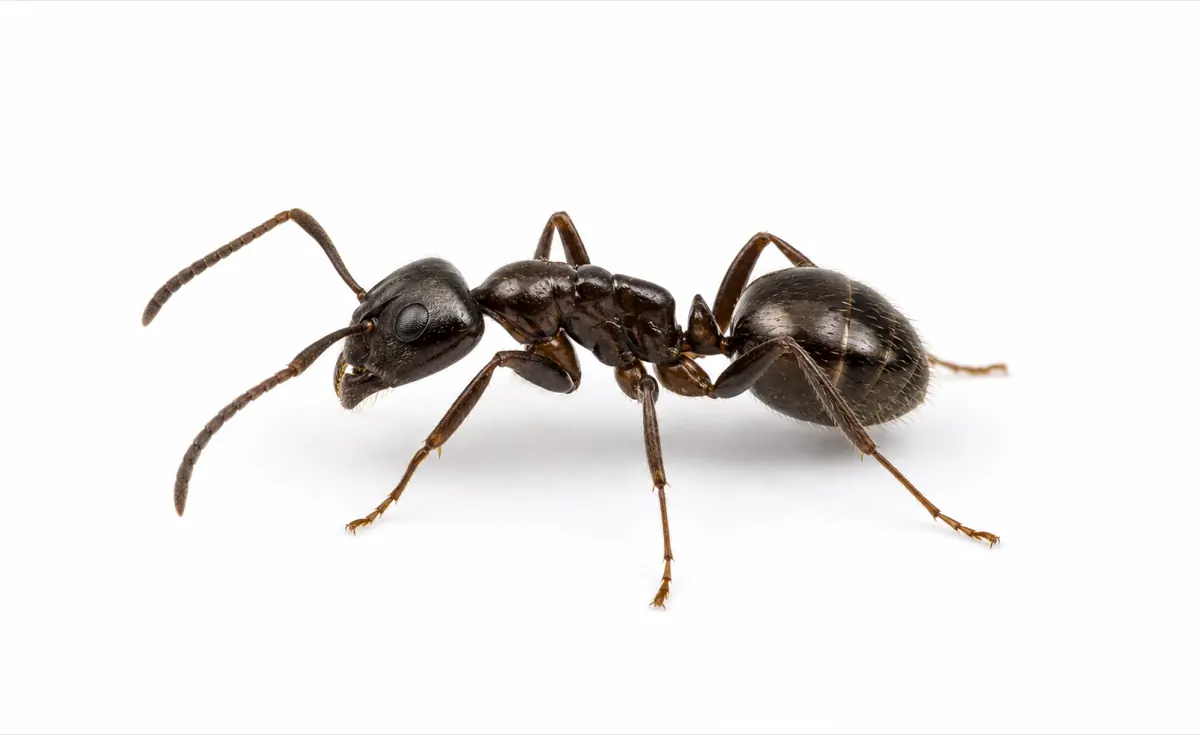
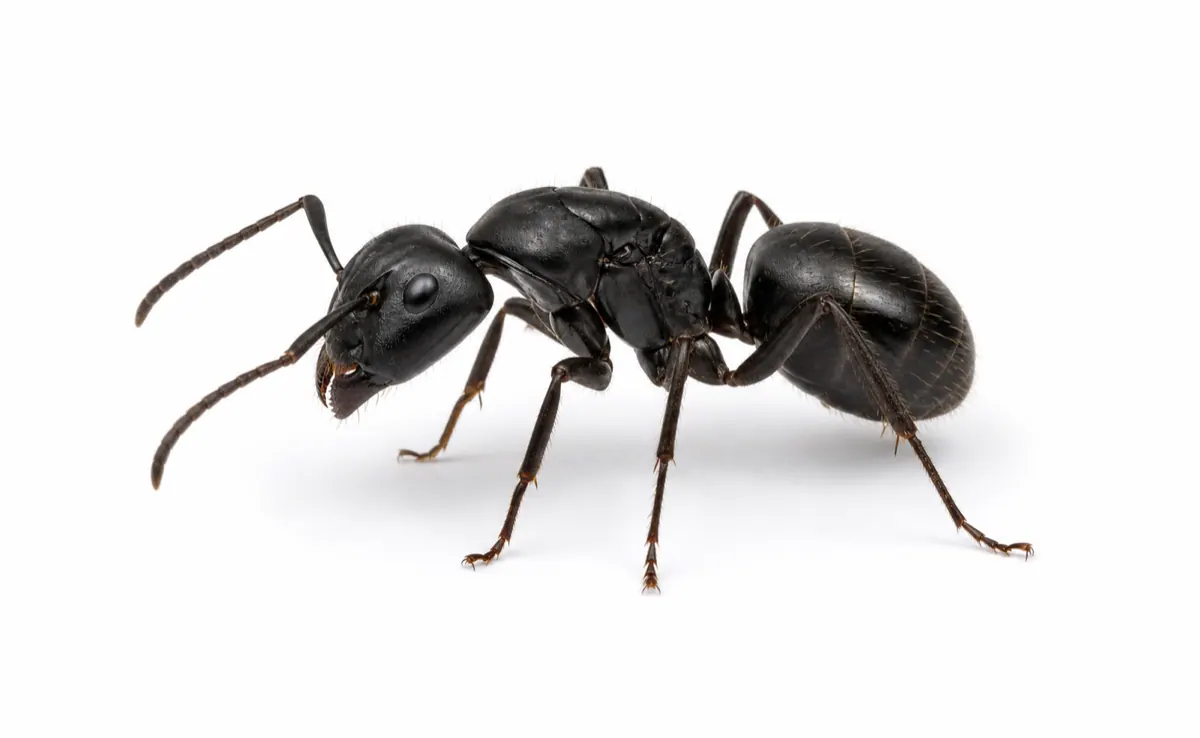
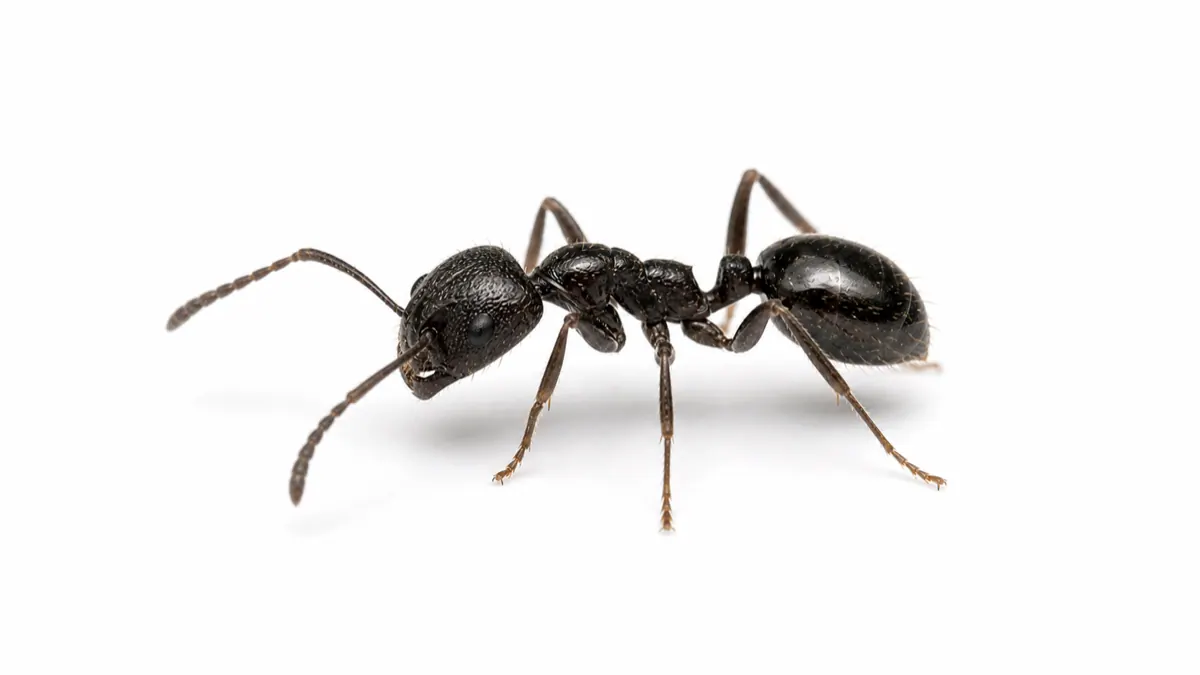
Profiles to compare with Citronella Ant.
Sources & Further Reading
Citronella Ant references used for this profile.
These references help verify ant identification, nesting behavior, and colony movement.
Reference 01Penn State Extension
Citronella ant odor, species context, swarmer confusion, and biology.
Reference 02University of Minnesota ExtensionHousehold ant identification and citronella ant comparison context.
Reference 03University of Nebraska ExtensionStructural ant identification reference.
Reference 04Colorado School IPM HandbookStructural pest identification reference including yellow ants.
Need Confirmation?
Need help confirming Citronella Ant?
A clear photo, trail location, and where activity repeats can usually narrow the ant species quickly.