
Ants Field Profile
Cornfield Ant
Lasius neoniger
Order Hymenoptera / Family Formicidae / Subfamily Formicinae
Cornfield ants are Lasius ants commonly associated with lawns, turf, open soil, roadsides, sidewalks, and field edges. They are primarily an outdoor ant, but they matter in a pest library because lawn activity can be mistaken for other structural ants.
Field ID Snapshot
Cornfield Ant identification starts with trail behavior.
Confirm cornfield ants by pairing small brown Lasius workers with turf, lawn, soil, road-edge, or sidewalk-edge nesting rather than indoor wall-void activity.
Color varies, so habitat and body details matter.
Lawns, roadsides, sidewalk edges, and field margins are typical.
As Lasius ants, they fit the one-node ant pattern.
They are far more likely to be found outdoors than in kitchens or wall voids.
They may tend root aphids or forage in turf and soil environments.
Cornfield ants overlap visually with related Lasius species.
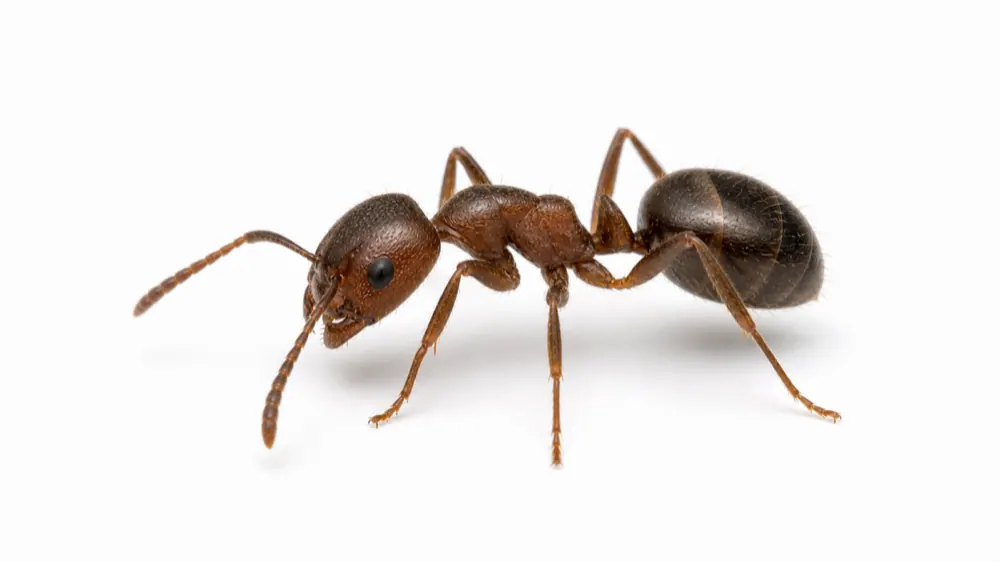 Macro view
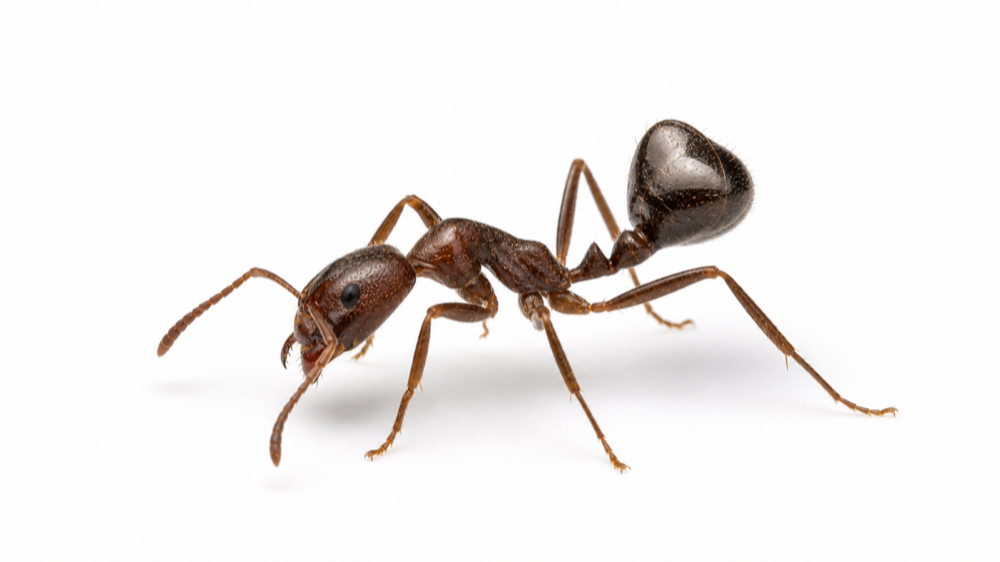
Macro viewStart with the actual specimen.
Use the macro photo to slow the identification down: body shape, proportions, color pattern, and visible structures should match before the location clues are weighed.
Field evidenceField evidenceThen match the source pattern.
The strongest ID pairs light to dark brown with a source that makes sense: lawns, soil, pavement edges. Then compare against similar pests in the library; a better match should shift the identification.
Clues that make cornfield ant more likely.
- Small brown ants abundant in lawns, turf, open soil, sidewalk edges, or driveway margins.
- Activity centered outside rather than persistent trails through kitchens or wall voids.
- One-node ant structure with Lasius-like body form under close inspection.
- Outdoor nest context near roads, lawns, fields, stones, or exposed soil.
Clues that point away from cornfield ant.
- Large workers and soil mounds with Formica body traits point toward field ants.
- Slab-crack trails into kitchens point more toward pavement ants.
- Yellowish swarmers with citronella odor point toward citronella ants.
- Indoor tiny dark trails around food and moisture point toward odorous house ants or little black ants.
Lookalike Comparison
Lookalikes to compare with Cornfield Ant.
Trails, size, odor, nesting location, and moisture clues separate one ant problem from another.
Biology And Behavior
Cornfield ant pressure is mostly a turf and open-soil story.
Cornfield ants are common in open turf habitats and soil-edge environments. Their importance around homes is usually nuisance activity in lawns or hardscape edges rather than structural damage.
Specimen ReferenceCornfield AntLasius neoniger
Lawns, roadsides, field edges, and sidewalk margins fit the expected pattern.
They are usually outdoor ants rather than persistent indoor nesting ants.
Closely related Lasius ants can be difficult to separate from quick photos.
Nesting, Habitat, And Food
Where Cornfield Ant activity usually starts.
Inspect where soil is exposed or turf has repeated ant activity.
Open sunny pavement edges can support activity.
Cornfield ants fit open exposed settings more than shaded rotting logs.
Seasonal Activity
When Cornfield Ant pressure is most visible locally.
Cornfield ants are warm-season outdoor ants in Cincinnati, most visible when lawns, soil, and hardscape edges are active.
Activity WindowMar through Oct
JanFebMarAprMayJunJulAugSepOctNovDec
Control Logic
How a technician reads Cornfield Ant activity.
Good cornfield ant work starts by confirming the outdoor turf source and avoiding unnecessary indoor-style treatment.
Confirm the trail before spraying.
- Track where Cornfield Ant is appearing before treatment.
- Reduce moisture, clutter, food access, or exterior harborage where possible.
- Avoid heavy DIY spray use when identification is uncertain.
- Use the service page or quote form when activity repeats or spreads.
Why the ant species changes the plan.
- Confirm the Cornfield Ant identification before choosing products or methods.
- Inspect Lawns, soil, pavement edges and surrounding entry routes.
- Match the treatment plan to the source condition, not just visible activity.
- Document recommendations so prevention steps are clear after service.
Keep Comparing
Profiles to compare with Cornfield Ant.
Sources & Further Reading
Cornfield Ant references used for this profile.
These references help verify ant identification, nesting behavior, and colony movement.
Reference 01University of Maine Extension
Cornfield ant identification, habitat, and similar Lasius species context.
Reference 02Animal Diversity WebClassification and natural history reference for Lasius neoniger.
Reference 03University of Minnesota ExtensionHousehold ant comparison and identification context.
Reference 04University of Nebraska ExtensionStructural ant identification and comparison reference.
Need Confirmation?
Need help confirming Cornfield Ant?
A clear photo, trail location, and where activity repeats can usually narrow the ant species quickly.