Where we inspect
Patios, retaining walls, steps, foundation beds, stone edges, downspouts, and small clean openings.

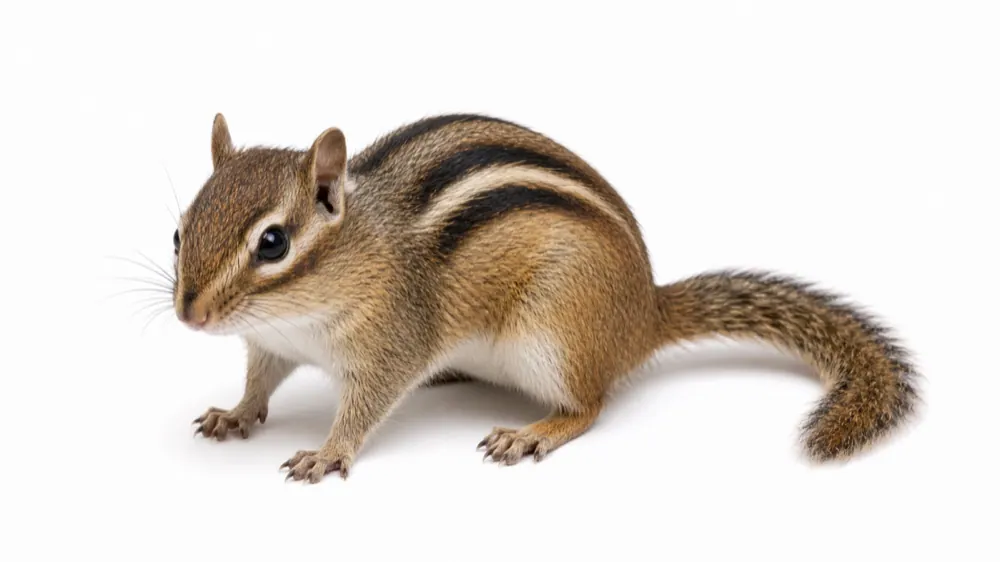
Chipmunks can look harmless until burrows keep opening along patios, steps, retaining walls, downspouts, or foundation landscaping. Envexa focuses on active openings and the edge being affected.
Tell us where small burrows are appearing around patios, walls, steps, or foundation landscaping.
Small clean openings near patios, retaining walls, steps, and foundation beds are the key clues. The question is whether activity is cosmetic or starting to affect the structure around it.
Patios, retaining walls, steps, foundation beds, stone edges, downspouts, and small clean openings.
Small burrow holes, fresh soil, repeated sightings, seed storage, and excavation along hardscape edges.
Confirm active burrows, evaluate the affected edge, reduce pressure, and recommend prevention around vulnerable gaps.
Envexa looks for the access, shelter, food pressure, and timing clues that explain why chipmunks keep showing up around the home.
Patios, retaining walls, steps, downspouts, foundation beds, and stone edges create useful burrow cover.
Small neat holes with little surface mound are a stronger chipmunk clue than broad lawn tunneling.
Seed, nuts, bird feeders, and dense landscaping can keep activity concentrated.
The key question is whether burrows are cosmetic or starting to affect an edge, step, wall, or slab.
Envexa can inspect the evidence, explain the pressure points, and recommend a removal or exclusion path that fits the structure.
Compare animal signs, entry clues, seasonality, and structure pressure before deciding what needs to happen next.
 Wildlife · Mar through OctChipmunk guideSmall striped rodents that burrow near patios, steps, beds, and walls. Multiple small openings and seed pressure are common clues.
 Wildlife · Mar through OctGroundhog guideLarge burrowing wildlife that can undermine soil near sheds, patios, decks, and gardens. Burrow location determines urgency.
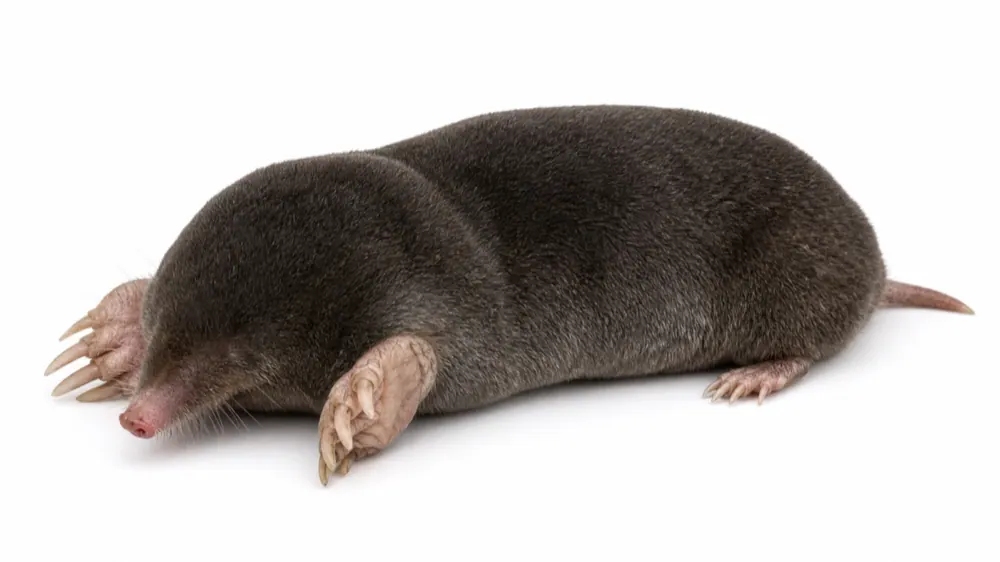 Wildlife · Mar through OctMole guideInsect-eating mammals that create raised tunnels and soil mounds in lawns. They are a turf issue, not an attic or pantry pest.
Small clean burrow openings, fresh soil, seed sources, repeat sightings, and activity along patios, steps, retaining walls, or foundation beds matter most.
It is better to confirm active use and the affected edge first. Filling holes without addressing pressure can lead to quick reopening nearby.
Patios, steps, walls, stones, downspouts, seed, and dense landscaping give chipmunks cover and a useful place to burrow.
Chipmunk work is quoted after inspection because the number of openings, affected hardscape edge, and prevention needs vary by property.