
Sealing & Entry Work
Cincinnati, OH
Close the gaps pests use to get inside. We inspect rooflines, vents, utility penetrations, foundation gaps, and crawlspace openings, then seal them with durable materials built for real homes.
Free Sealing Inspection
Entry-point inspection, photos, and a written repair estimate.
A tighter home starts with a real inspection.
Sealing and entry work is the physical side of pest prevention. Instead of only treating activity after pests appear, Envexa identifies the openings that let mice, occasional invaders, and exterior pest pressure reach the inside of your home.
Foundation & Utilities
Pipe penetrations, cable lines, AC lines, sill plate gaps, basement windows, and foundation openings.
Roofline & Vents
Soffit gaps, fascia damage, gable vents, ridge vents, roof returns, chimney openings, and attic access points.
Garage & Crawlspace
Door sweeps, threshold gaps, crawlspace vents, access doors, dryer vents, and exhaust hoods.
Pressure Points
Deck voids, porch gaps, low trim, damaged screens, utility chases, and repeated entry points from past activity.
Small openings become repeat pest routes.
A dime-sized gap can be enough for mice. Larger openings around rooflines, vents, utility lines, and garage edges can create repeat pest routes. We look at the home as a connected exterior shell, not a random list of holes.
Professional sealing without the hardware-store patchwork.
Foam and caulk alone do not hold up against chewing, weather, or repeat exterior pest pressure. We match the repair material to the opening.
Inspect
We identify active openings, future-risk gaps, pest evidence, and the conditions that made the opening attractive.
Document
You get a practical scope with photos, recommendations, and what should be sealed now versus monitored later.
Seal
We use metal flashing, hardware cloth, galvanized mesh, copper mesh, steel wool, exterior sealants, and fitted covers where needed.
Protect
Finished work is documented with before-and-after photos, and qualifying sealed entry points are backed by warranty.
Older foundations, wooded lots, and seasonal pressure make sealing worth doing right.
Cincinnati homes deal with freeze-thaw movement, mature trees near rooflines, stone and block foundations, and heavy fall mouse pressure. A good sealing plan helps reduce repeat service calls and supports your regular pest program by taking away the easy routes inside.
Durable materials, matched to the opening.
Foam and caulk alone often do not hold up. We use metal-backed repairs where the opening calls for it.
Sealing questions.
Pricing depends on the number of openings, access difficulty, and materials required. Every home is different, so we inspect first and provide a written estimate before any work begins.
Small cosmetic gaps can sometimes be handled by a homeowner. Repeated pest routes are different. Foam and caulk alone often fail when chewing, weather, or pressure continues, so professional sealing uses galvanized steel, hardware cloth, metal flashing, fitted covers, and sealants matched to the opening.
If mice or rats are active inside, control and sealing should be coordinated so the entry work supports the service plan. If the inspection shows vulnerable gaps without active interior rodent activity, sealing can often move forward as prevention.
Most residential sealing jobs are completed in a single day — typically 3–5 hours depending on the number of entry points and roof access. Larger homes may need a second visit.
Sealing is meant to close the inspected route with the right material. Homes still settle, trim can shift, and new gaps can develop over time, so annual re-inspections are helpful before fall pressure picks up.
Yes. Qualifying sealing work carries a warranty on sealed entry points. If activity returns through a point we sealed, we review it and make the covered repair.
Stop pests from getting back in.
Entry-point inspection, written notes, and durable sealing recommendations.
Local mouse sealing and entry-point pages.
The main sealing page explains the work; these city pages connect it to mouse evidence, service fit, and local entry-point pressure.
Entry-point clues worth checking.
Compare mouse and rat evidence before sealing. Entry work should match the active animal, the opening, and the route being used.
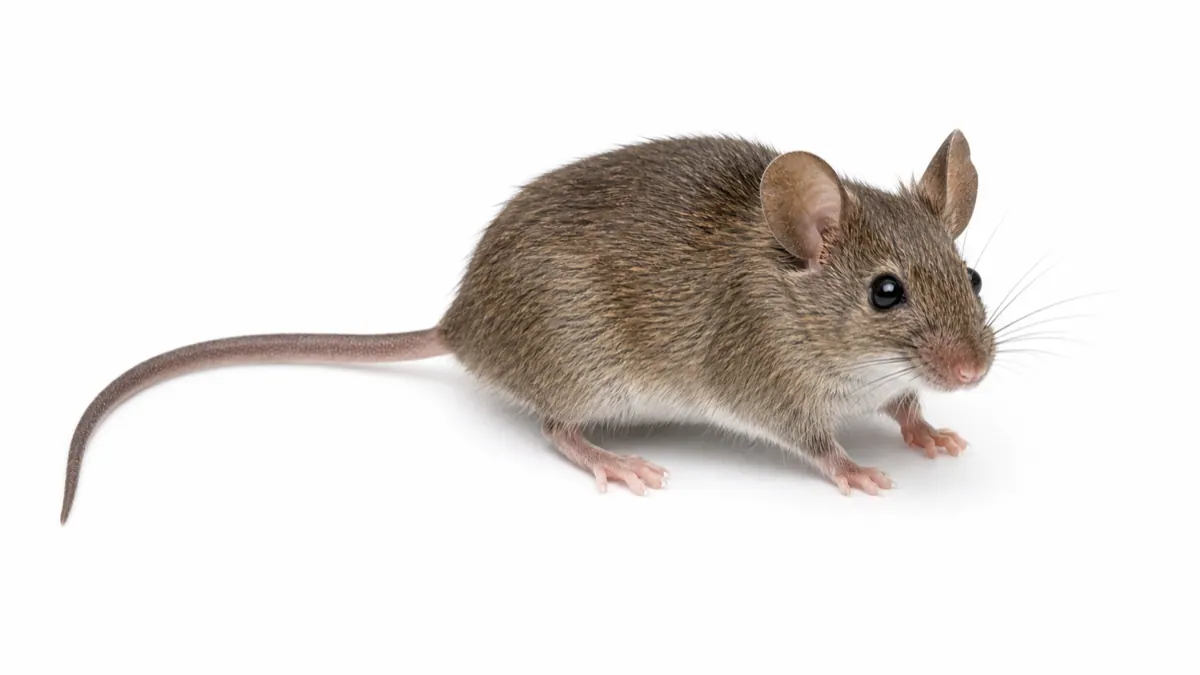 Rodents · Jan through DecHouse Mouse guideSmall mice that fit through dime-sized gaps. Mice are the rodent covered by Envexa365 and Envexa365+ when plan terms apply.
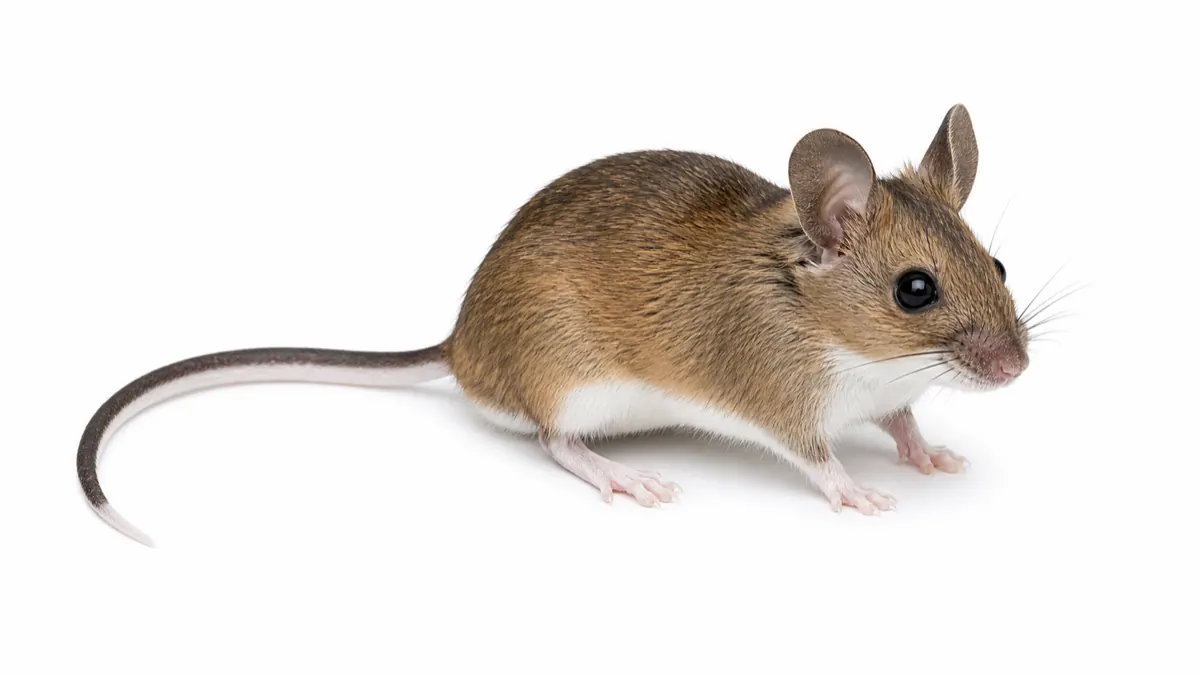 Rodents · Jan through DecDeer Mouse guideWhite-footed field mice common near woods, fields, and outbuildings. They can carry hantavirus risk, so droppings should be handled car...
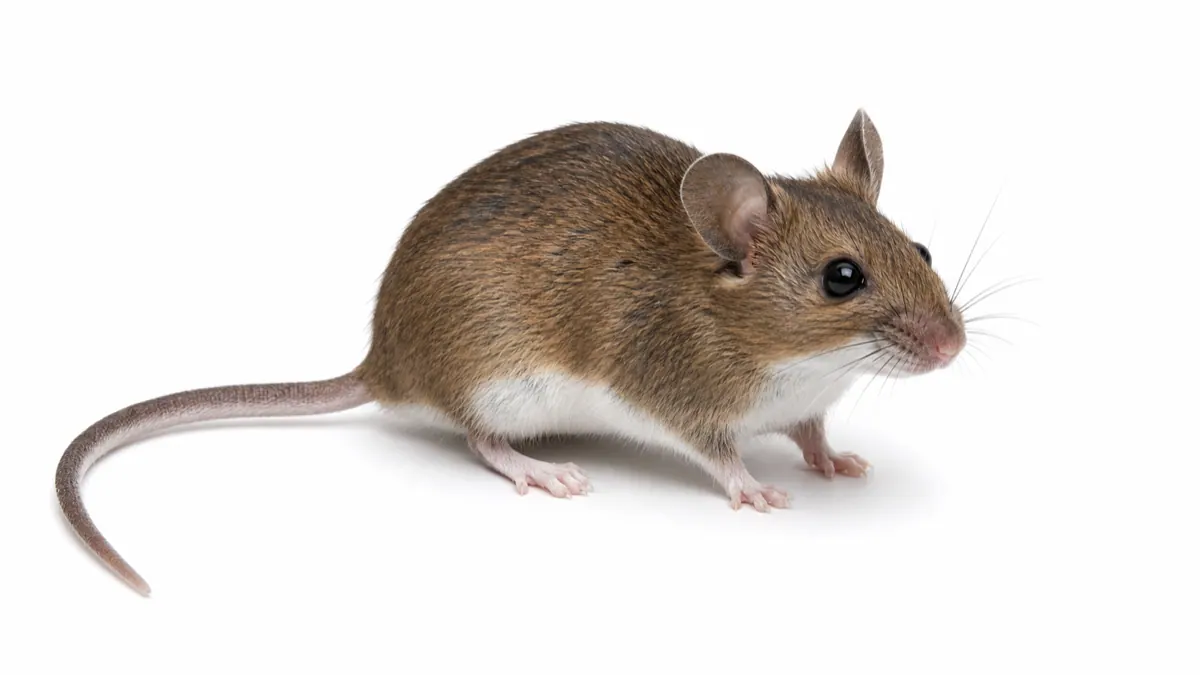 Rodents · Jan through DecWhite-Footed Mouse guideA common woodland mouse around Southwest Ohio properties. It often enters garages, basements, and sheds from wooded or field-edge lots.
 Rodents · Year-roundNorway Rat guideLarge ground-burrowing rats tied to dumpsters, damaged drains, crawl spaces, and foundation gaps. Rats are custom quote only and not in...
 Rodents · Year-roundRoof Rat guideA climbing rat associated with rooflines, vines, trees, attics, and upper-level entry points. Rats are not included in Envexa365 or Env...