Entry pressure
Dock doors, utility lines, rooflines, doors, windows, and exterior gaps.

Pest, mosquito, exclusion, and documentation support for Greater Cincinnati businesses.
Property review, service recommendation, and a clear next step.
Commercial pest control works better when the plan reflects how the property actually runs.
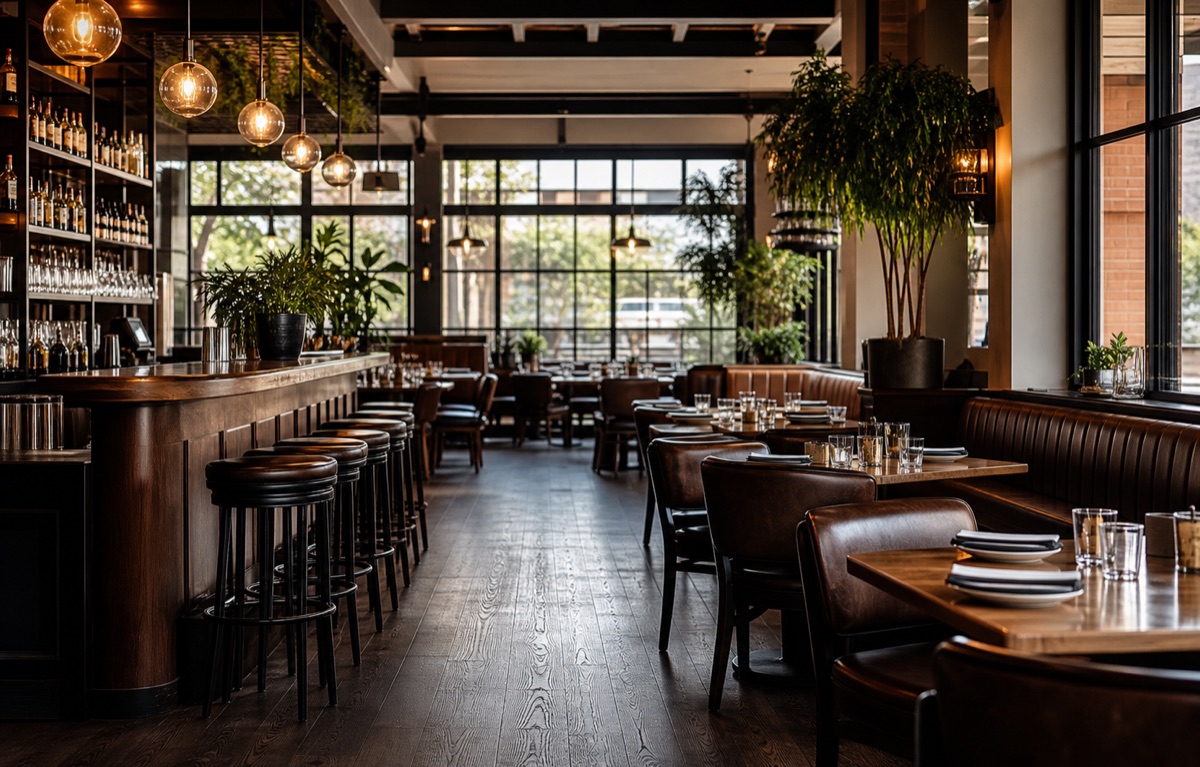
Kitchens, bars, drains, dumpsters, and inspection records.
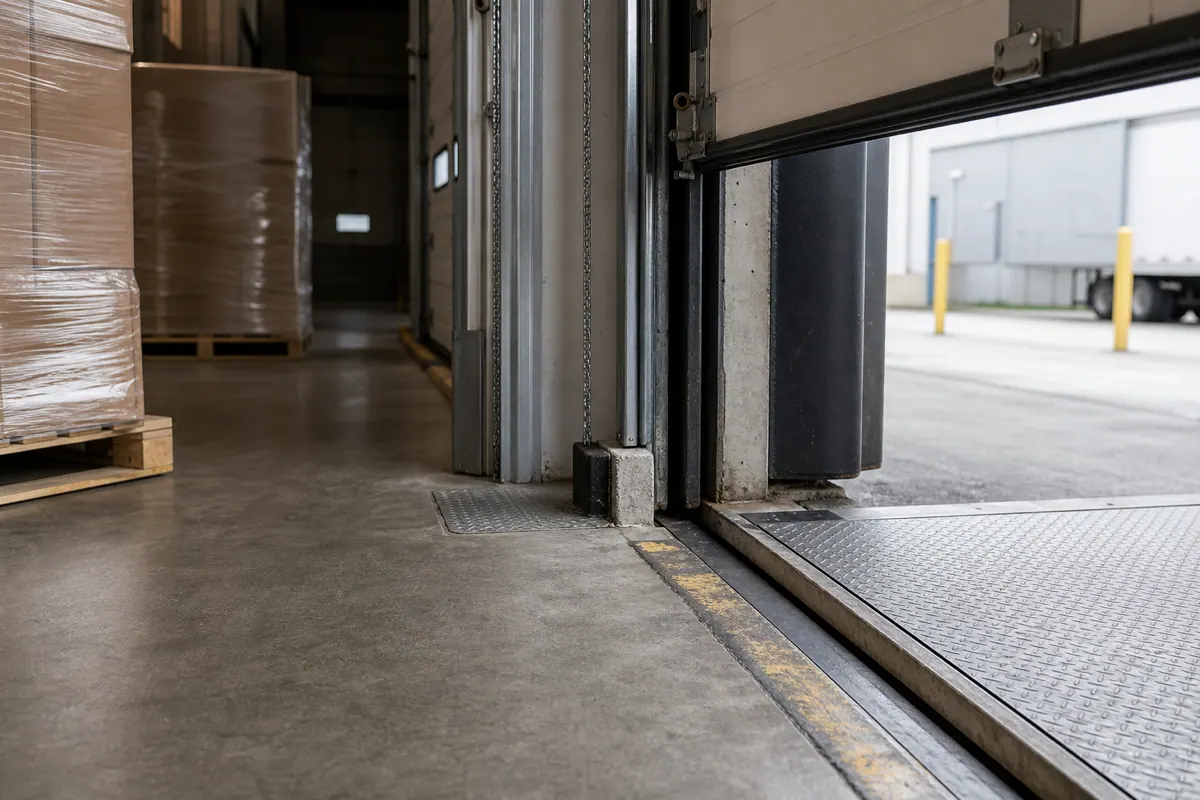
Dock doors, inventory zones, monitoring, and exterior pressure.
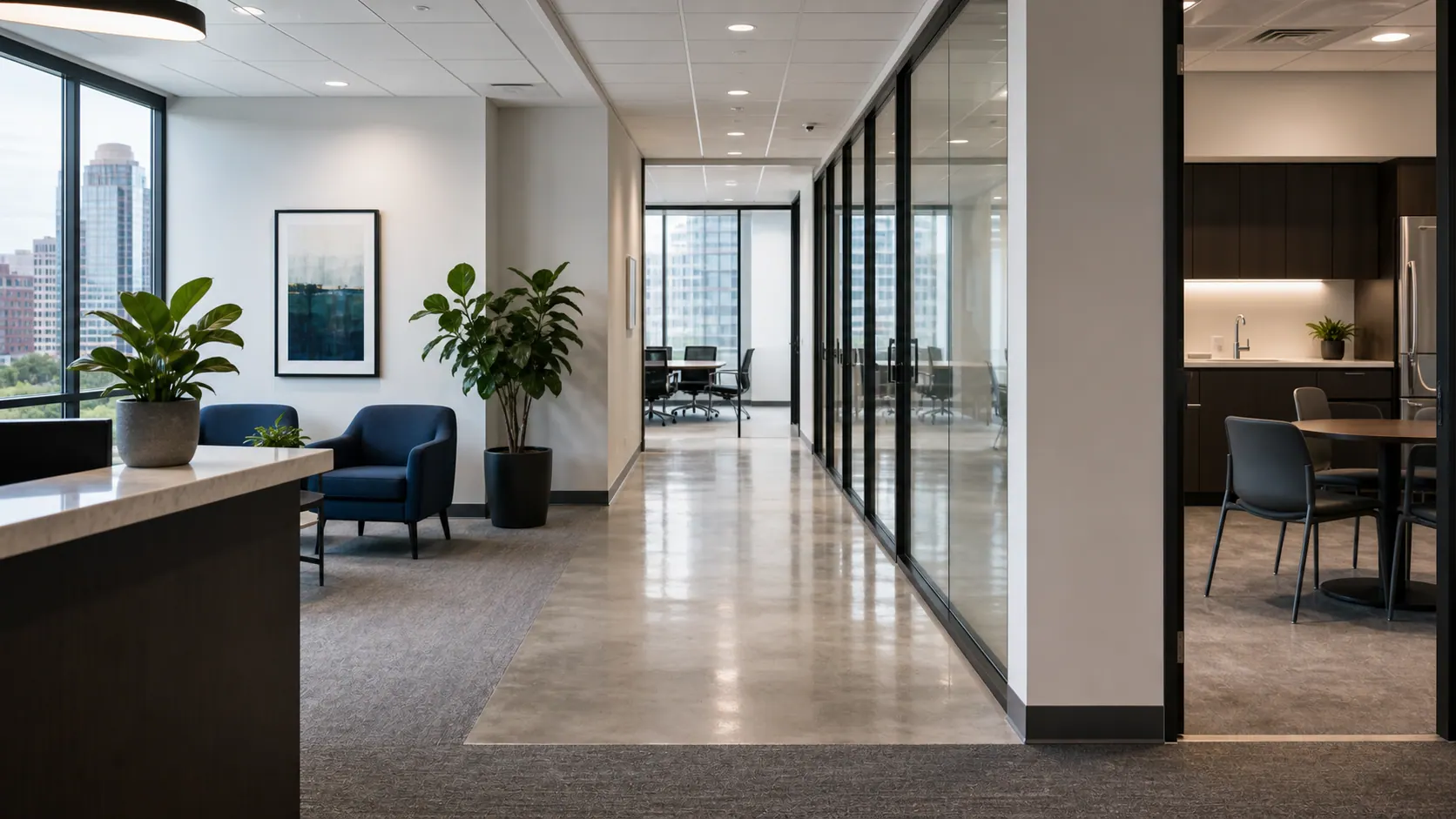
Tenant-friendly service for suites, break rooms, and shared spaces.
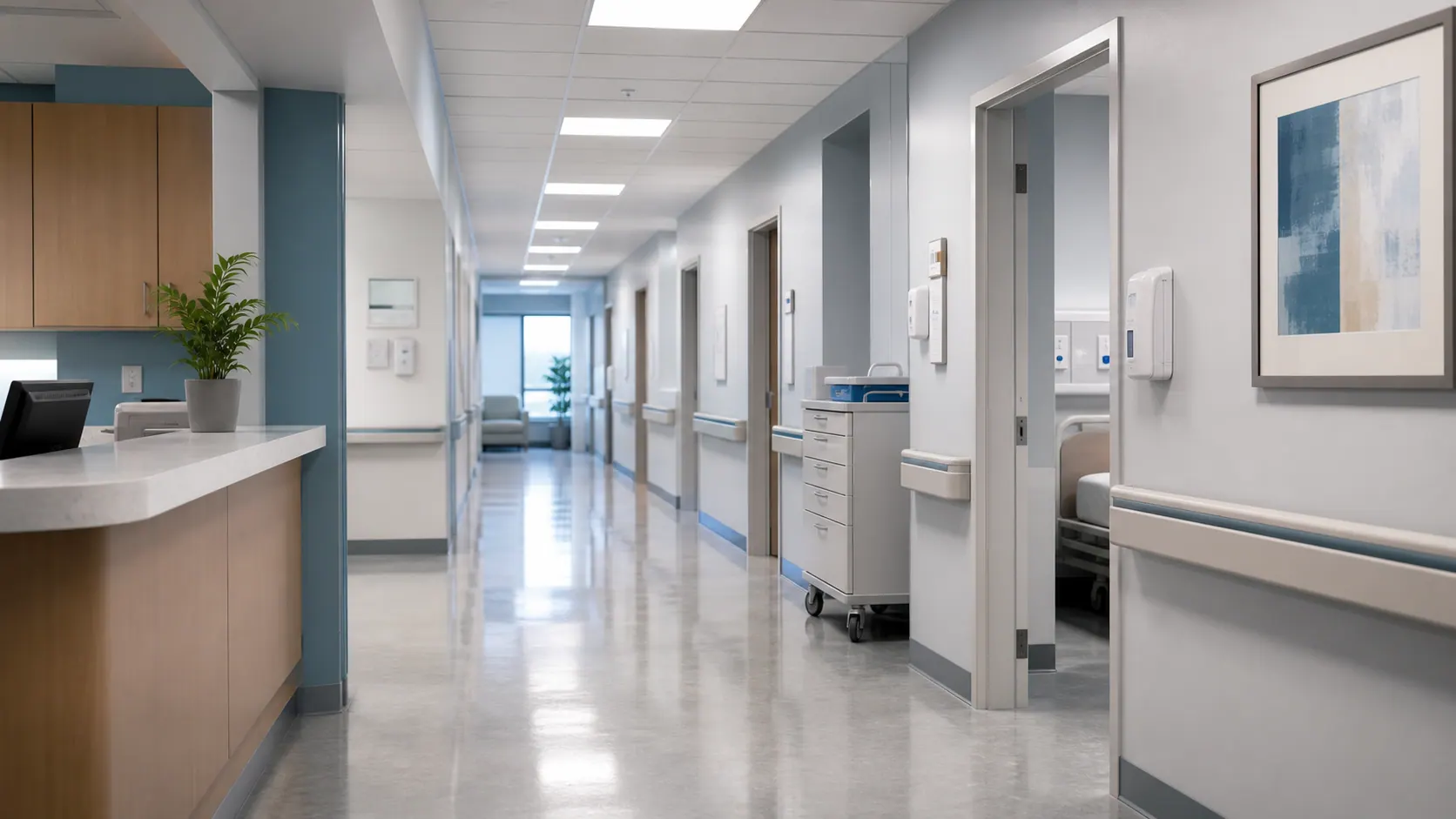
Careful service for sensitive rooms, records, and resident areas.
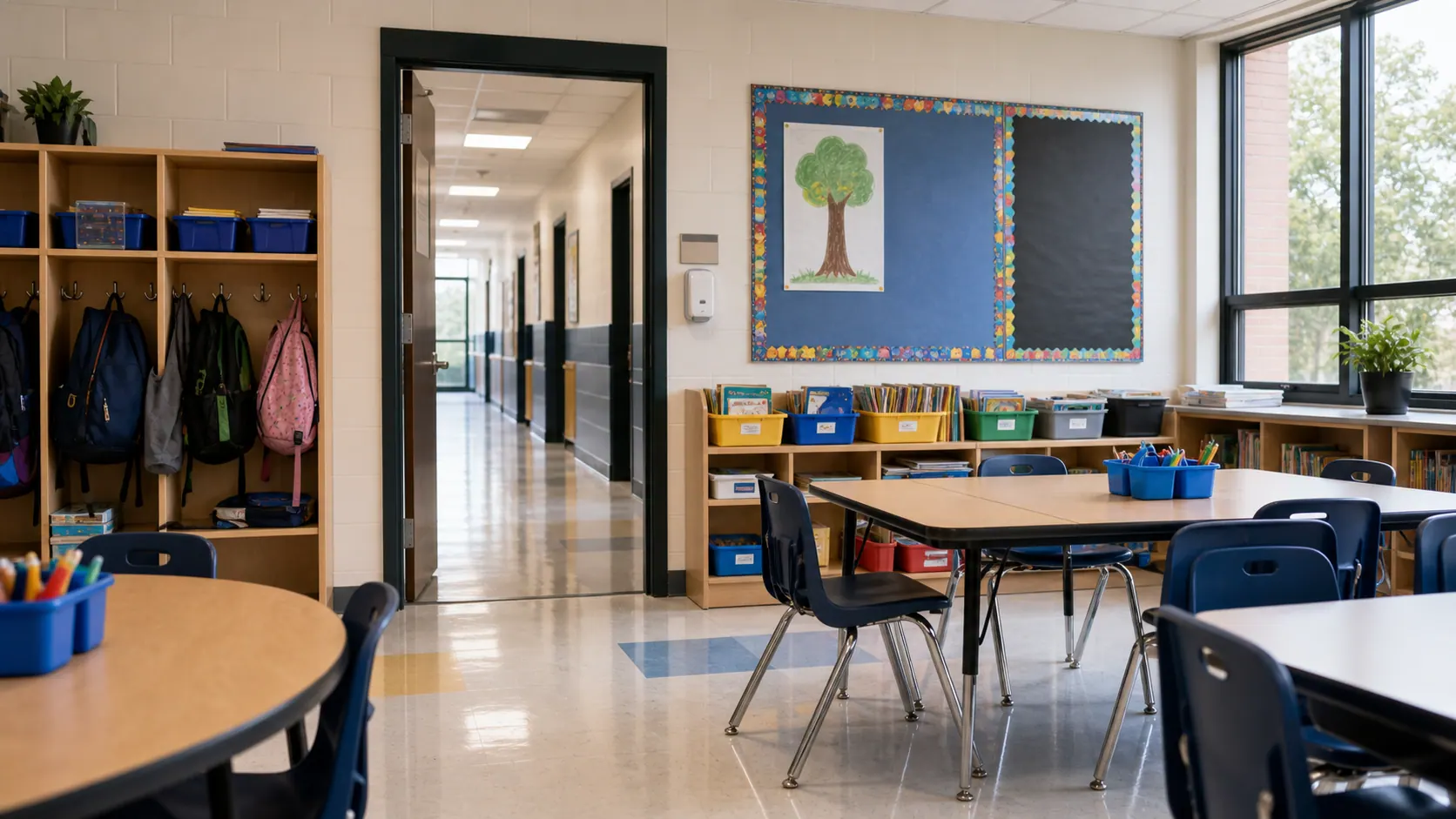
Classrooms, cafeterias, play areas, and low-disruption timing.
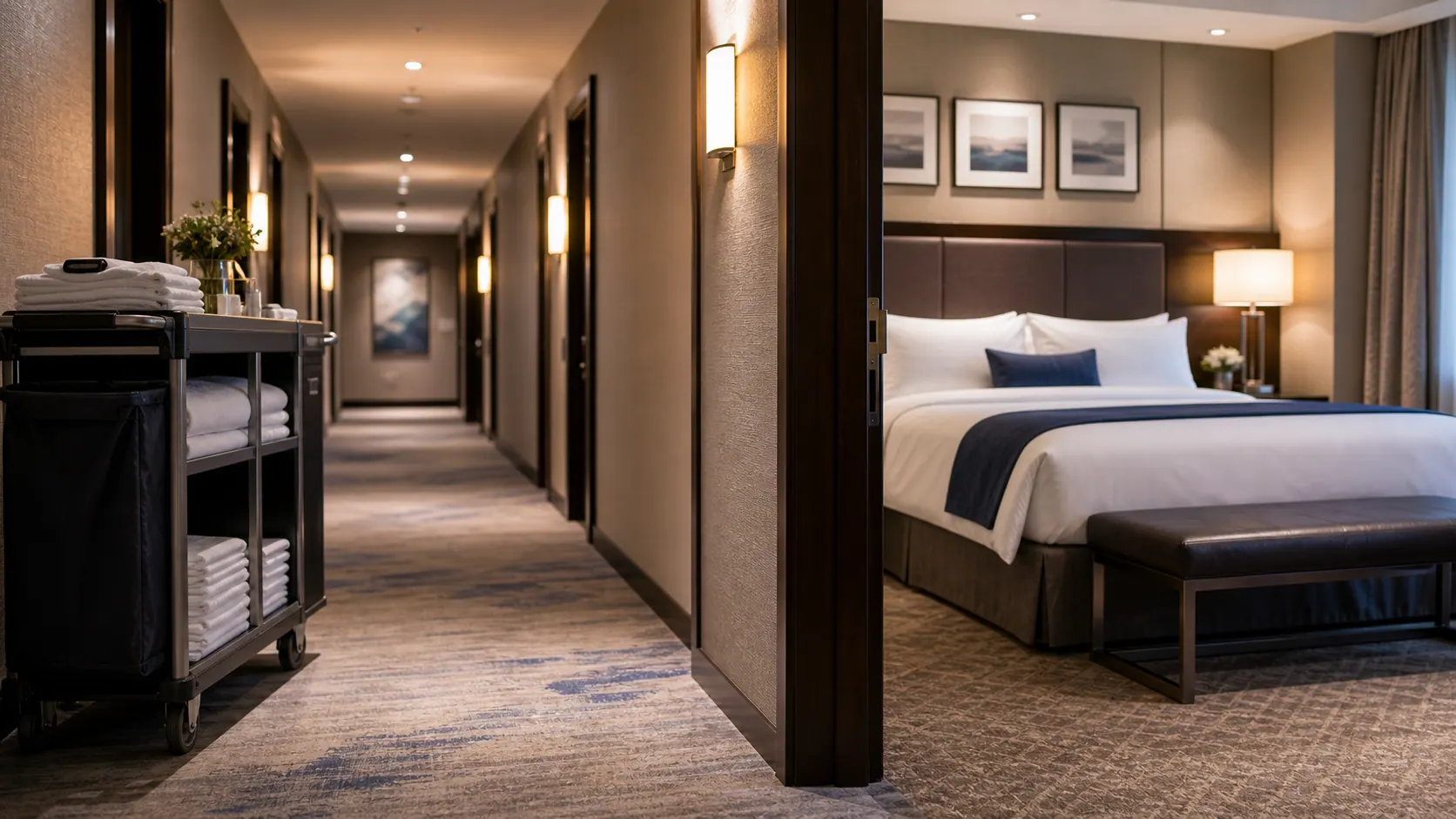
Guest rooms, lobbies, kitchens, housekeeping, and amenities.
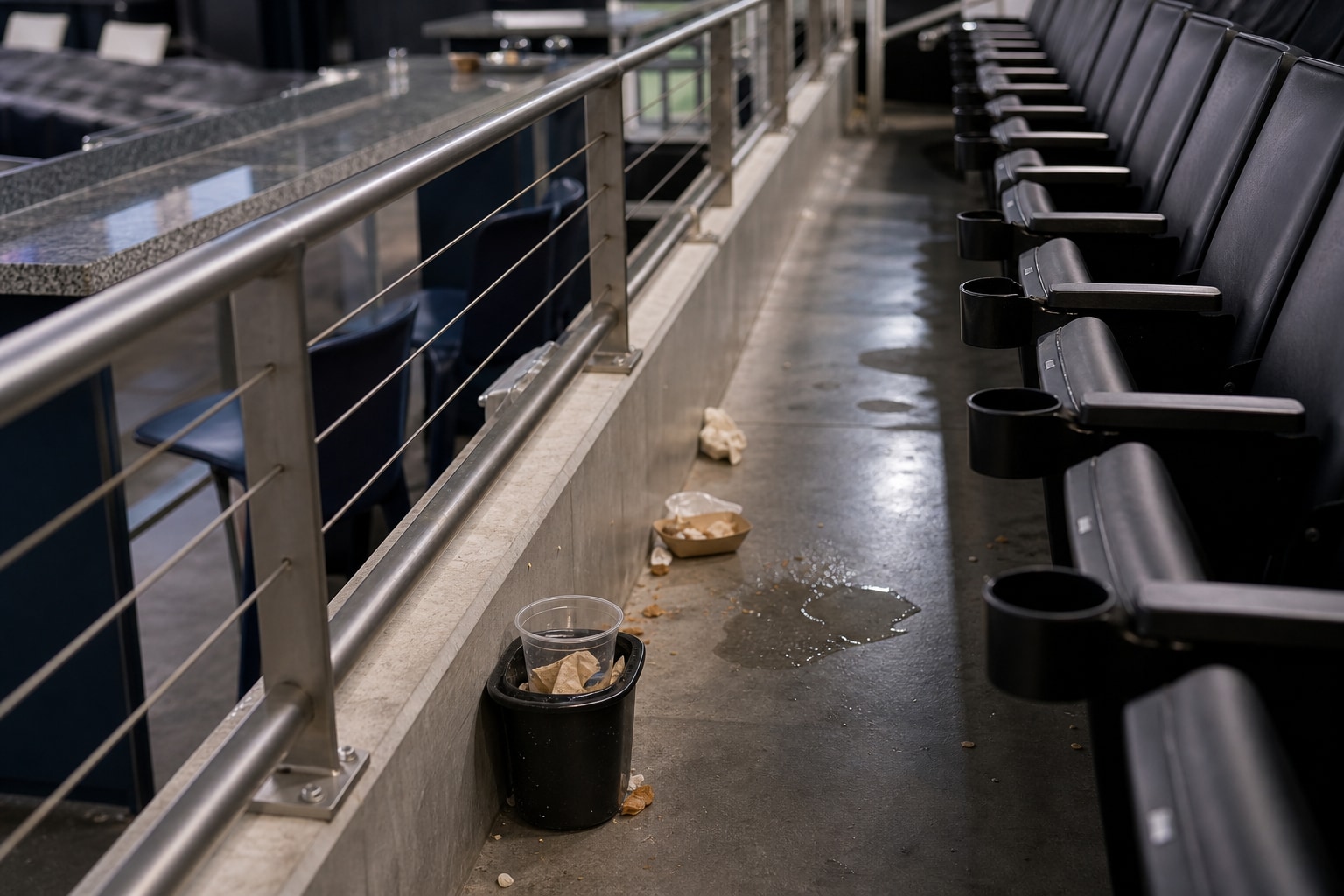
Concessions, seating bowls, concourses, waste flow, and event timing.
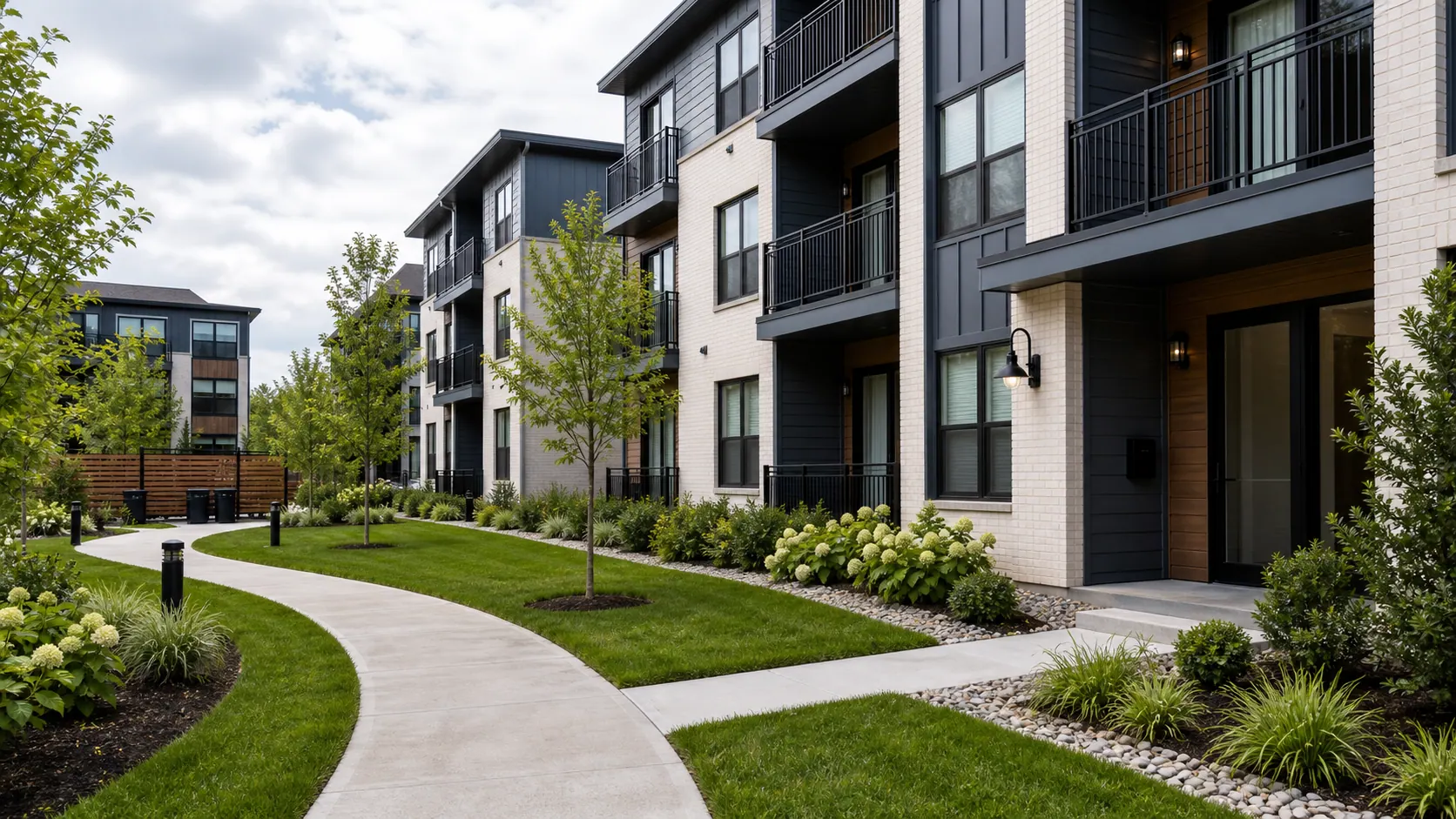
Resident complaints, turns, shared paths, and portfolio notes.
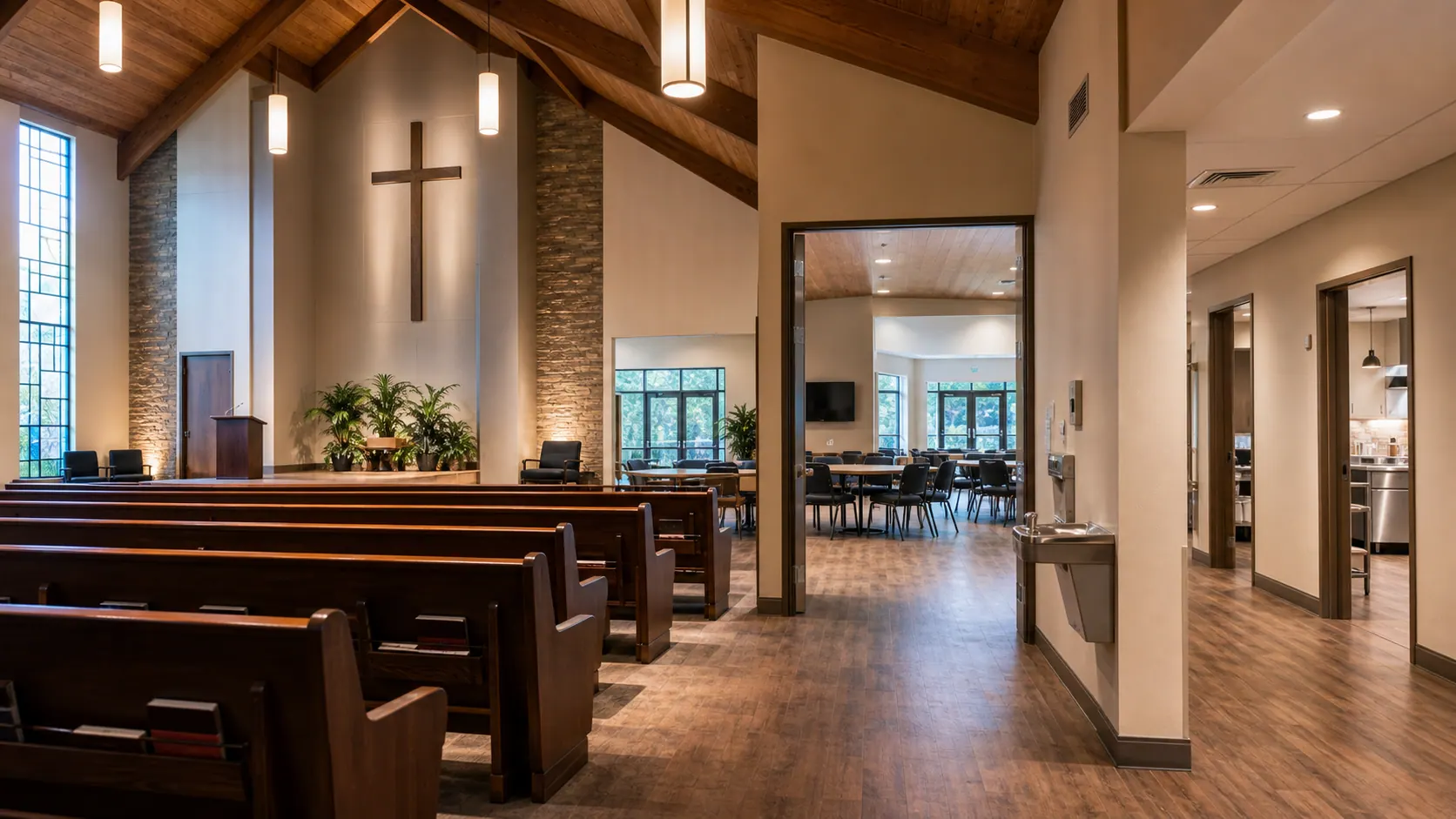
Worship spaces, kitchens, basements, classrooms, and events.
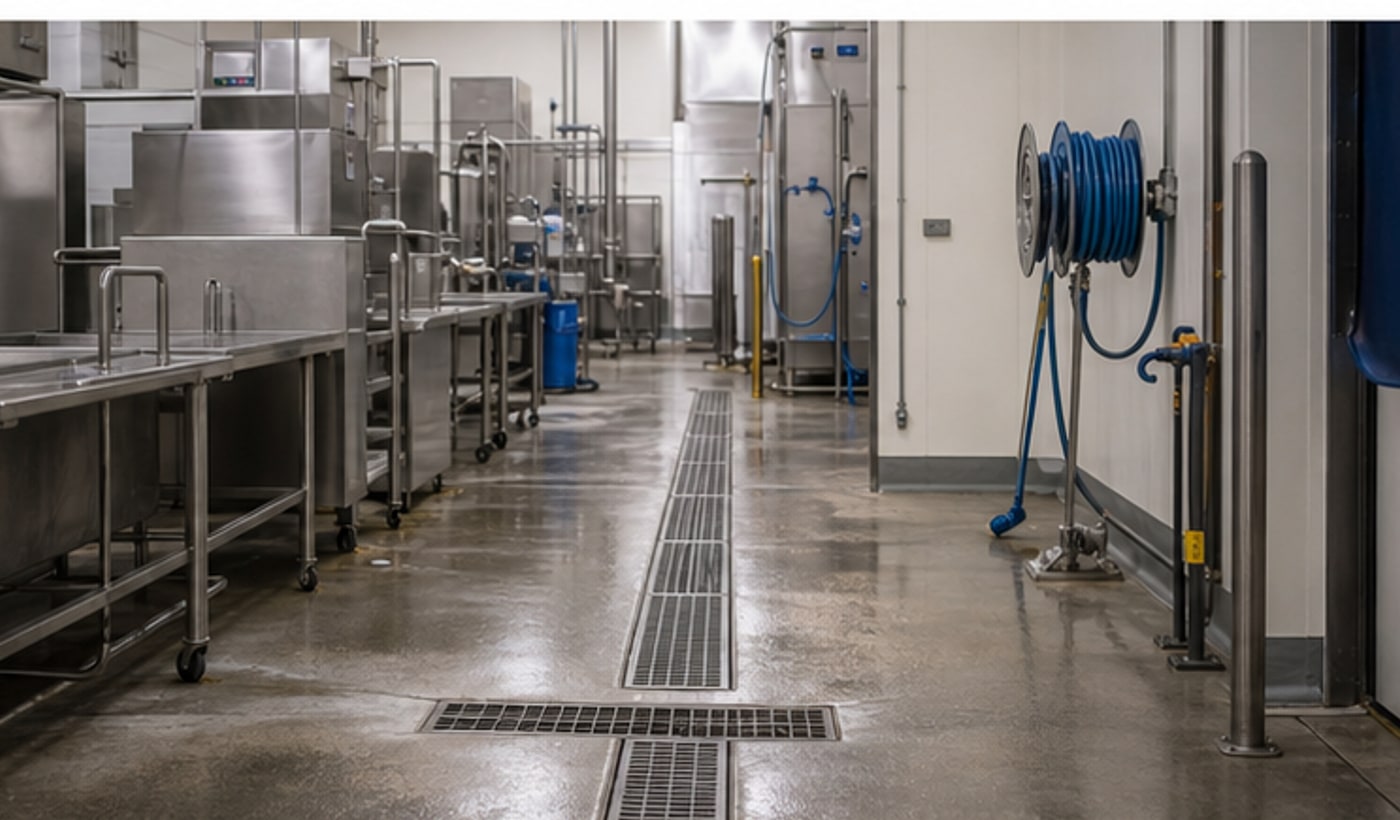
Ingredients, packaging, drains, docks, and audit-ready documentation.

Production, docks, storage, utility gaps, and industrial exterior pressure.
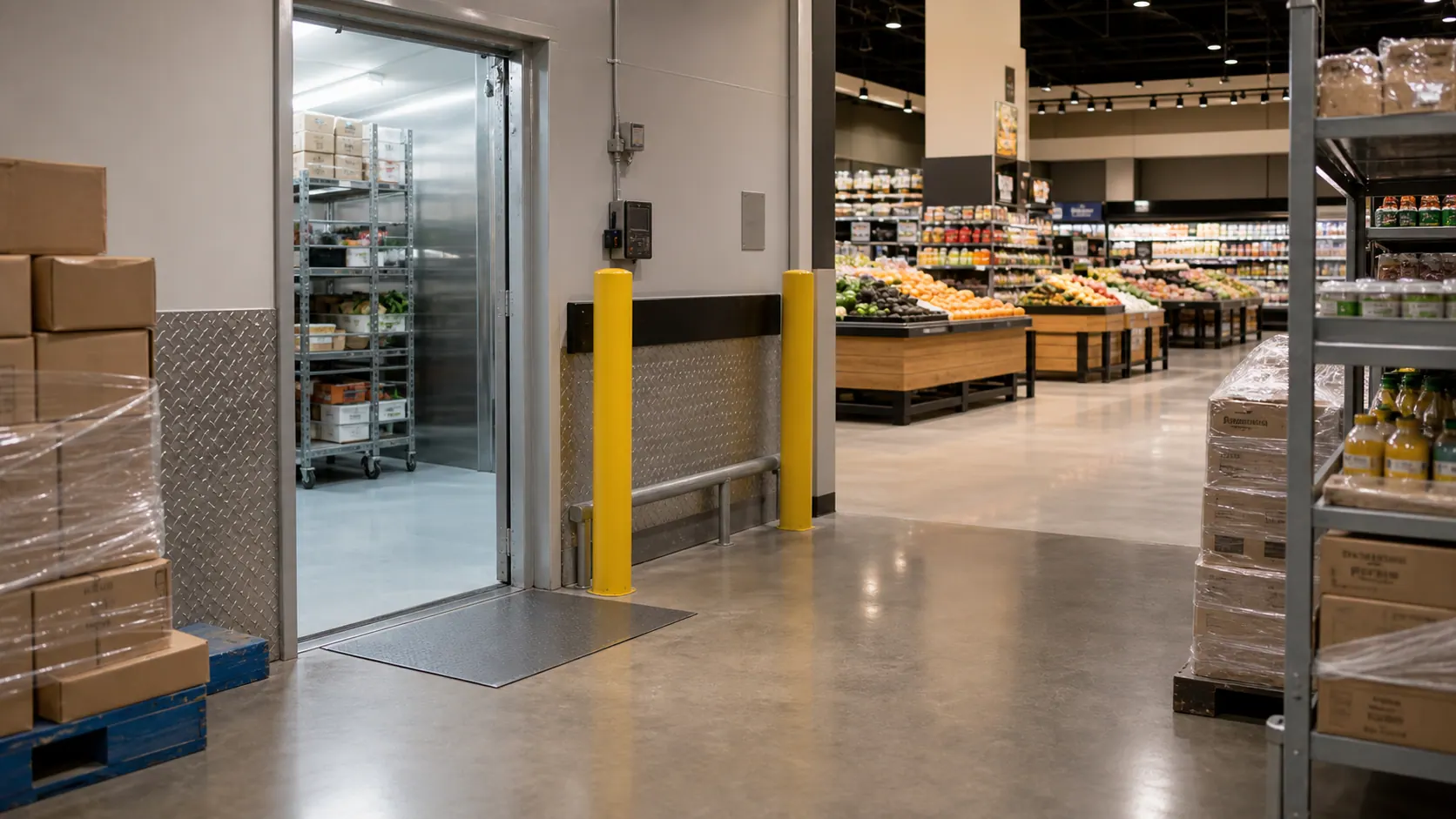
Sales floors, stockrooms, receiving, food areas, and shared tenant pressure.
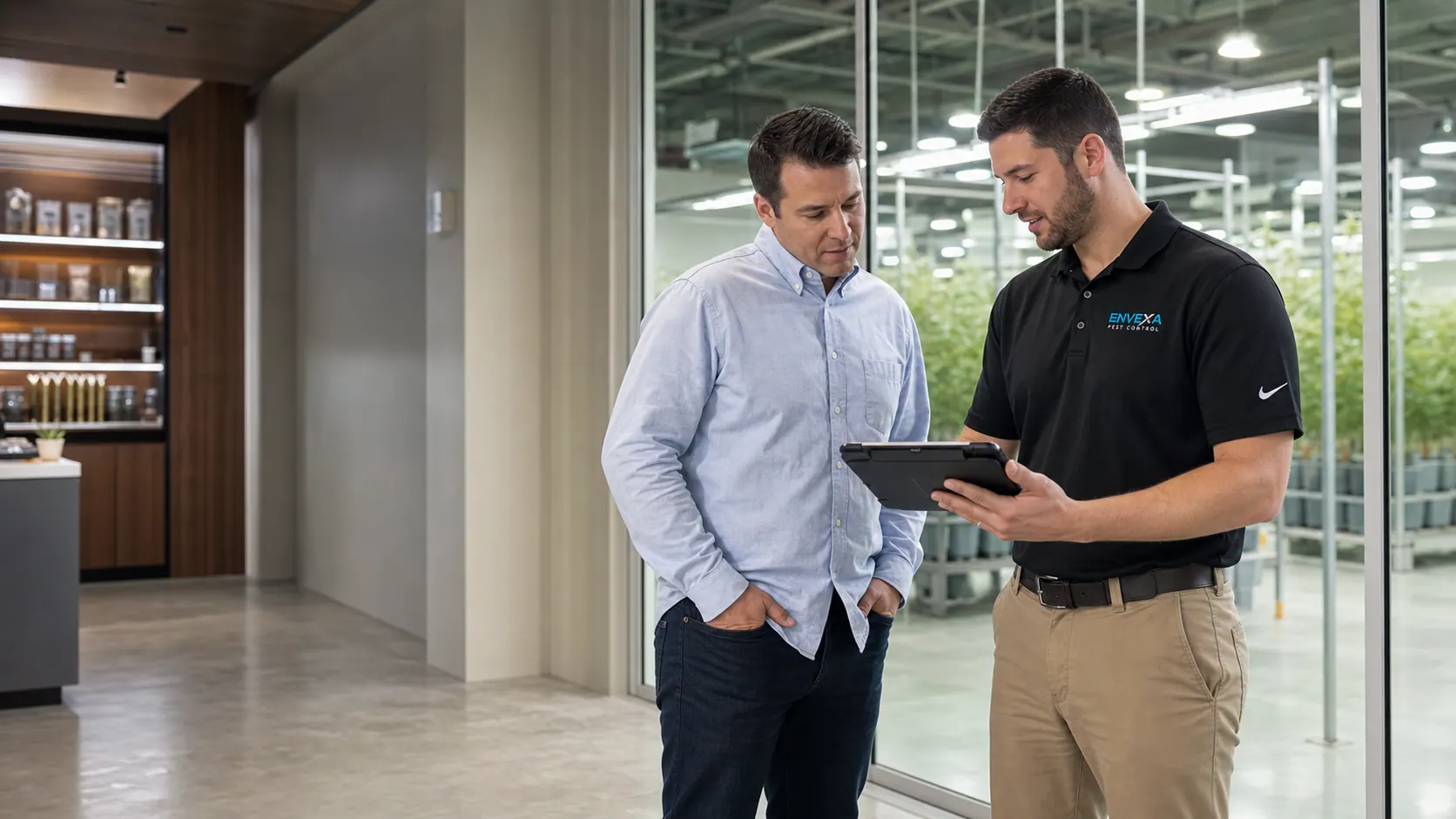
Dispensaries, cultivation support, storage, waste, and discreet service notes.
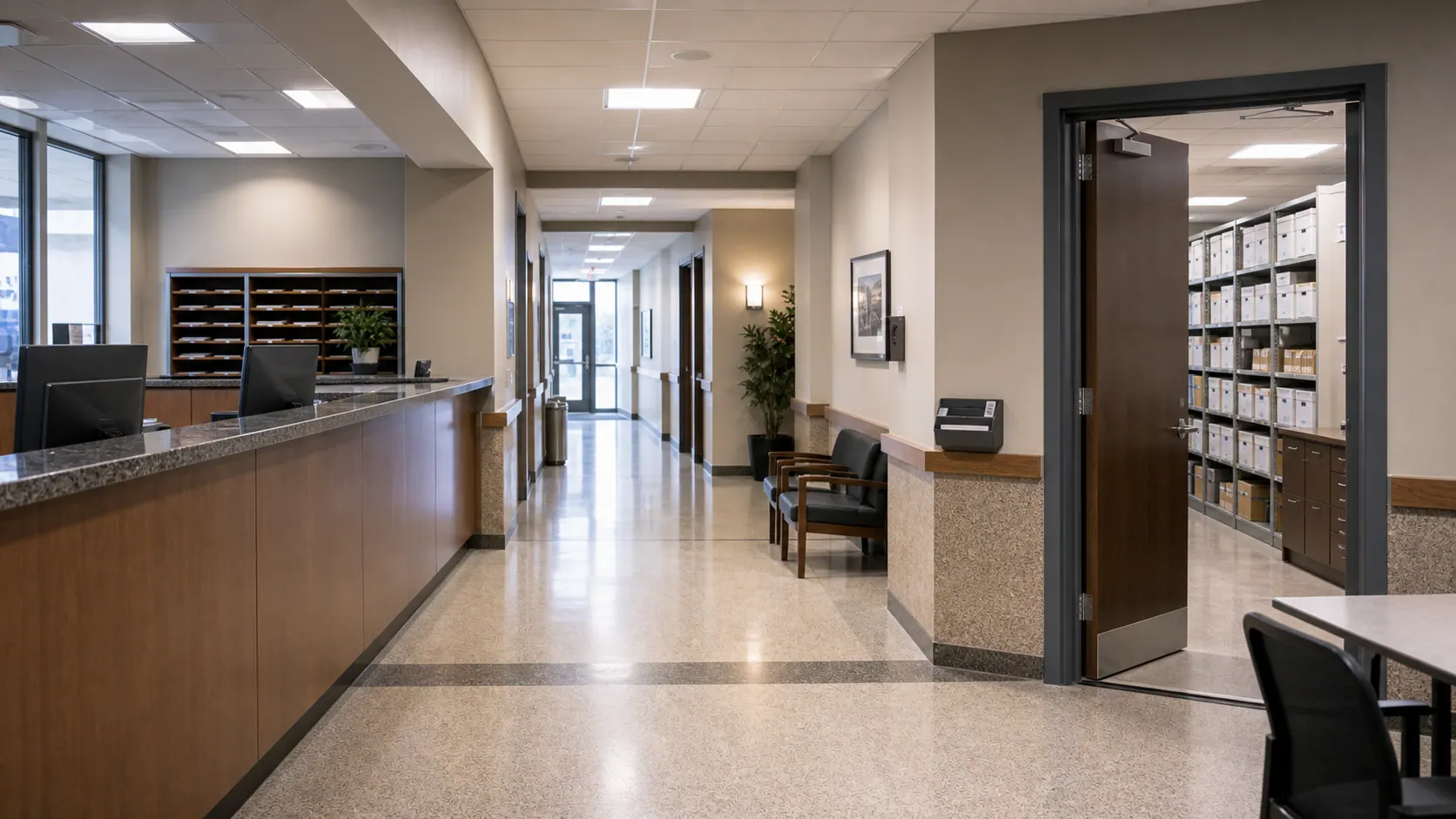
Municipal offices, public works, community buildings, and facility records.
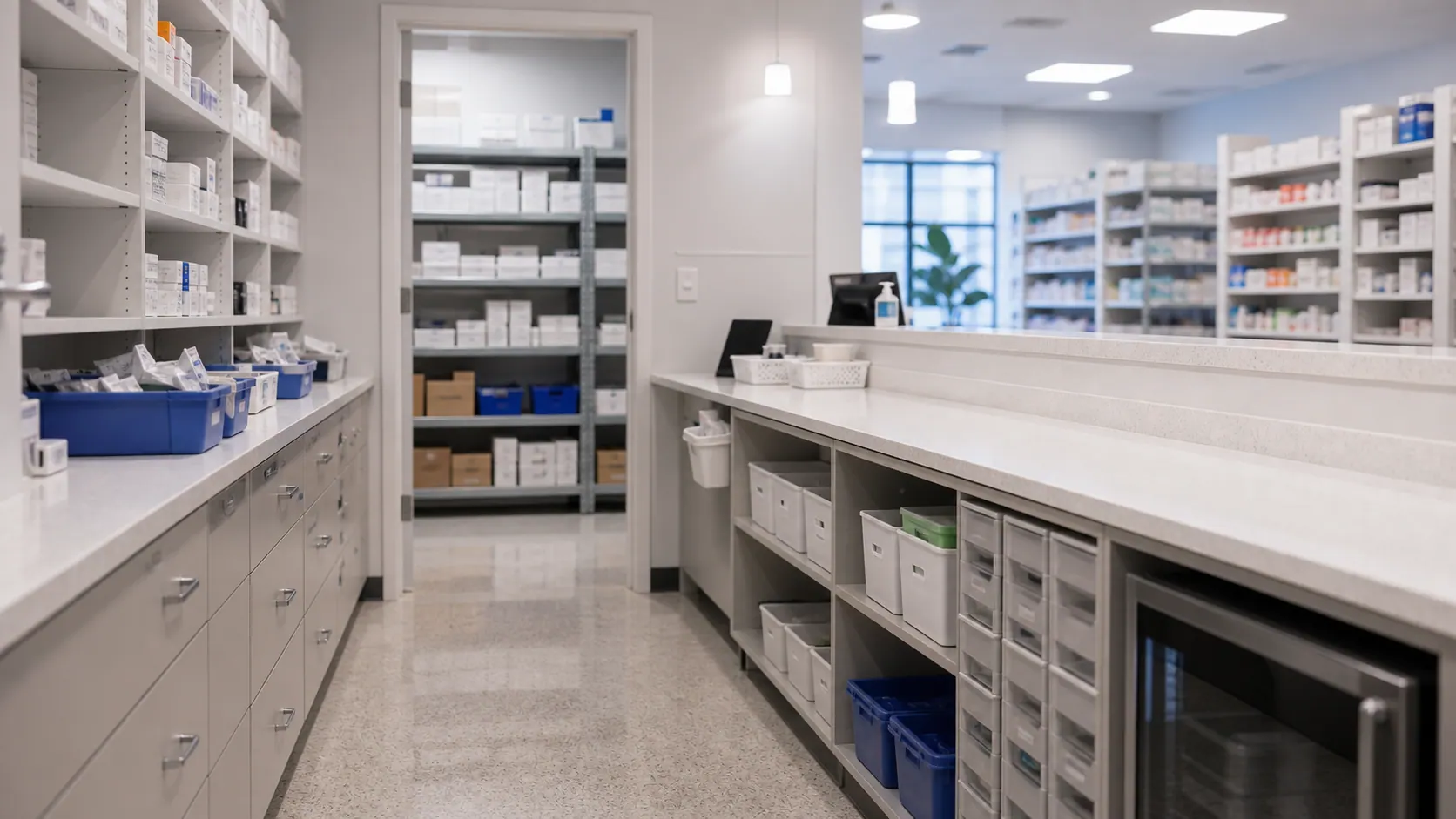
Sensitive storage, receiving, shared walls, inventory, and customer-facing areas.
Routine prevention, specialty treatments, and pest programs for Greater Cincinnati properties that need service to fit the building.
Recurring service, monitoring, and documentation for active facilities.
Outdoor comfort programs for patios, venues, HOAs, and amenities.
Removal and exclusion for buildings with wildlife entry pressure.
Entry-point documentation, dock door sealing, utility gaps, and exterior access notes.
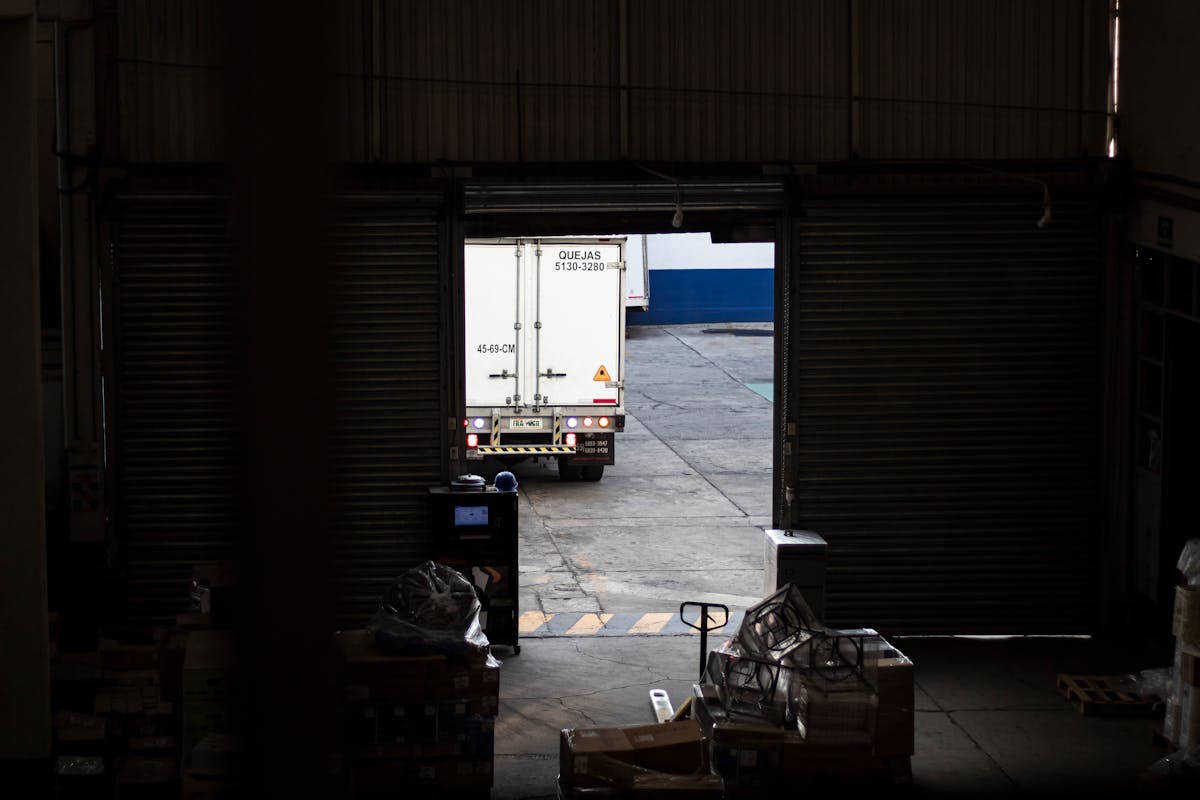
We inspect the pressure points, explain what is active, document what changed, and leave notes a manager can use for staff follow-up, maintenance, or vendor files.
Every commercial property has different pressure. Envexa looks at how the building operates before recommending service frequency, monitoring, and documentation.
Dock doors, utility lines, rooflines, doors, windows, and exterior gaps.
Kitchens, drains, storage, break rooms, records areas, and shared spaces.
Device placement, activity trends, pest sightings, and service history.
Notes your manager, vendor file, or inspection folder can understand.
Start with the facility type, then get an inspection-minded visit and simple follow-through your team can use.
We review exterior pressure, interior hotspots, and how the property is used day to day.
We recommend the right frequency, monitoring setup, treatment areas, and documentation level.
Treatments are planned around staff, guests, residents, tenants, and business hours.
Each visit creates clearer records and helps the plan adapt as pest pressure changes.
A cleaner way to evaluate records, facility fit, scheduling, and follow-through.
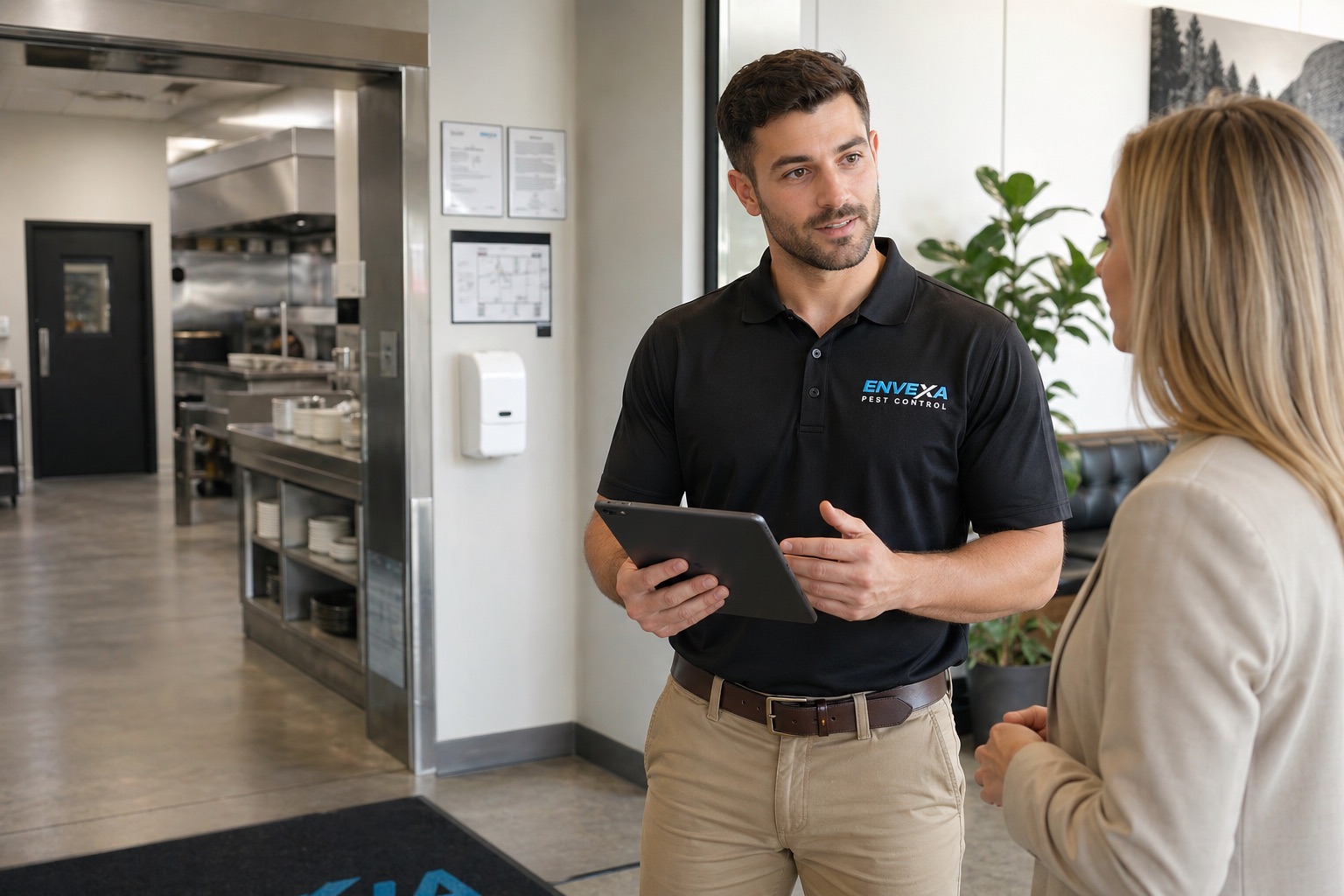
Managers need clean notes, timely response, and a plan that fits the property.
Visit notes, findings, treatments, and recommendations.
Notes may be thin or hard for managers to use.
Service plan matched to the industry and building use.
Same route style across very different properties.
Service windows planned around operations.
Service timing can create unnecessary disruption.
Corrective items and pressure points are explained.
Issues may repeat without clear conditions being addressed.
The best commercial plans focus on where activity starts, not only where someone saw a pest.
Tell us the property type, pest concern, and timing needs. We will point you toward the right service path.