Where we inspect
Decks, sheds, slab edges, steps, patios, gardens, foundation beds, and fresh soil mounds.

Groundhog calls are really burrow-location calls. Envexa looks at where the opening sits, whether it is active, what it may be undermining, and whether gardens or landscape beds are keeping the animal tied to the property.
Tell us where the burrow is, what structure is nearby, and whether you see fresh soil or plant damage.
A groundhog crossing the yard is usually less important than a burrow under a deck, shed, slab, step, or foundation edge. The active opening and surrounding soil tell the story.

Decks, sheds, slab edges, steps, patios, gardens, foundation beds, and fresh soil mounds.
Large openings, worn entrances, fresh excavation, feeding damage, and repeat daytime movement.
Confirm active burrows, evaluate structural risk, remove pressure, and recommend prevention around vulnerable edges.
Envexa looks for the access, shelter, food pressure, and timing clues that explain why groundhogs keep showing up around the home.
The concern rises when burrows sit under decks, sheds, slabs, patios, steps, or foundation beds.
New soil, worn entrances, and recently opened holes help confirm active use.
Gardens, clover, turf edges, and landscape beds can keep groundhogs tied to the same area.
The service plan should account for what the burrow may be undermining, not just the animal.
Envexa can inspect the evidence, explain the pressure points, and recommend a removal or exclusion path that fits the structure.
Compare animal signs, entry clues, seasonality, and structure pressure before deciding what needs to happen next.
 Wildlife · Mar through OctGroundhog guideLarge burrowing wildlife that can undermine soil near sheds, patios, decks, and gardens. Burrow location determines urgency.
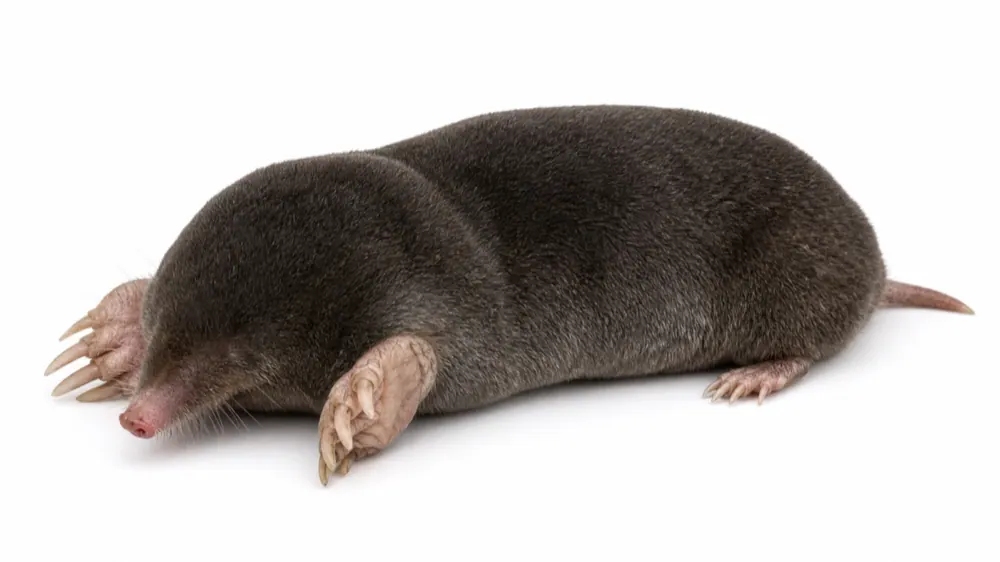 Wildlife · Mar through OctMole guideInsect-eating mammals that create raised tunnels and soil mounds in lawns. They are a turf issue, not an attic or pantry pest.
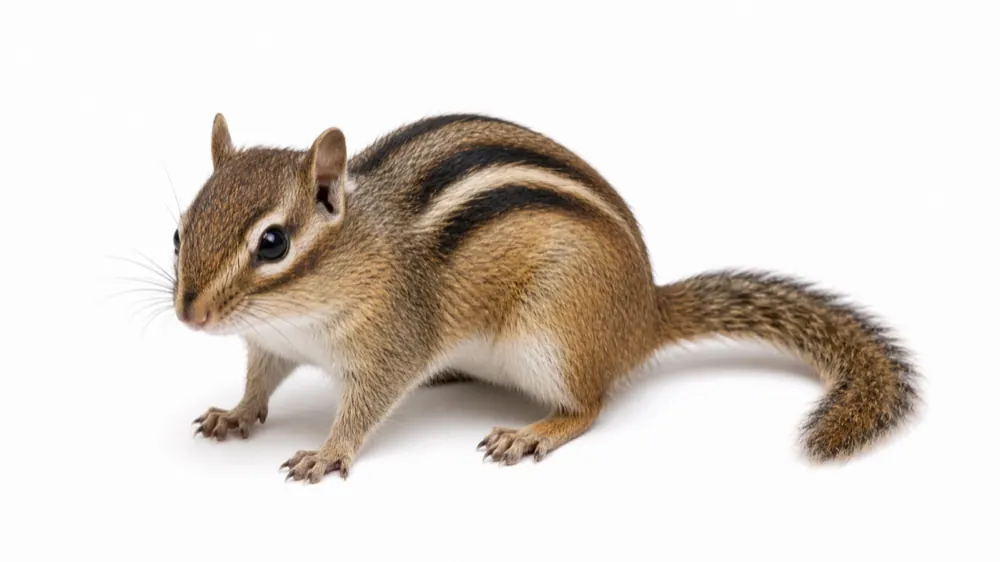 Wildlife · Mar through OctChipmunk guideSmall striped rodents that burrow near patios, steps, beds, and walls. Multiple small openings and seed pressure are common clues.
Large burrow openings, fresh soil, worn entrances, daytime movement, garden damage, and an opening near a deck, shed, slab, or step matter most.
Not before active use is understood. Filling an active burrow too early can make the animal reopen soil or create a new opening nearby.
A burrow in open yard is different from one under a shed, deck, patio, step, or foundation bed where soil movement can affect the edge.
Groundhog work is quoted after inspection because burrow location, activity, access, and prevention needs can change the scope.