
Squirrel Removal
Commercial Properties
Squirrels can chew fascia, enter attics, damage wires, and keep returning to the same roofline gaps. Envexa traces active routes and scopes exclusion around the building details that make the activity repeat.
Squirrel Activity Review
Attic noise, chewing, roofline damage, and entry-point review.
Squirrels turn small roofline weaknesses into repeat routes.
For commercial buildings, squirrel control often depends on finding chew marks, nest locations, and the exact building detail that lets activity continue.
Fascia & Soffits
Chewed wood, lifted edges, and openings near roof returns.
Attic Activity
Daytime movement, nesting material, insulation disturbance, and odors.
Wire Risk
Chewing around utilities, attic wiring, low-voltage lines, and equipment chases.
Tree Access
Mature tree canopies, overhangs, and building edges that make access easy.
Find the active route before sealing anything.
Squirrels are often active during the day, which helps trace routes. We separate current entry points, vulnerable gaps, and repair recommendations so exclusion work does not trap activity inside.
Squirrel activity in a commercial attic or roofline?
Envexa can inspect the route, document damage, and quote a practical removal and exclusion plan.
Squirrel activity usually starts at the roofline.
Compare chewing, attic noise, nesting material, and tree access so the repair plan matches the entry point.
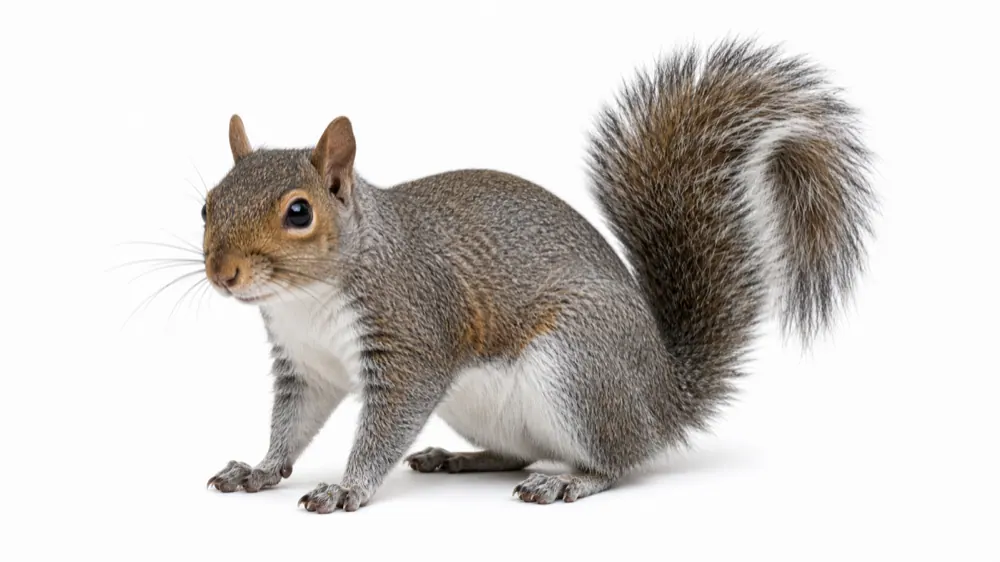 Wildlife · Year-roundGray Squirrel guideDay-active rodents that chew fascia, vents, and trim to reach attic spaces. Scratching during daylight is a strong clue.
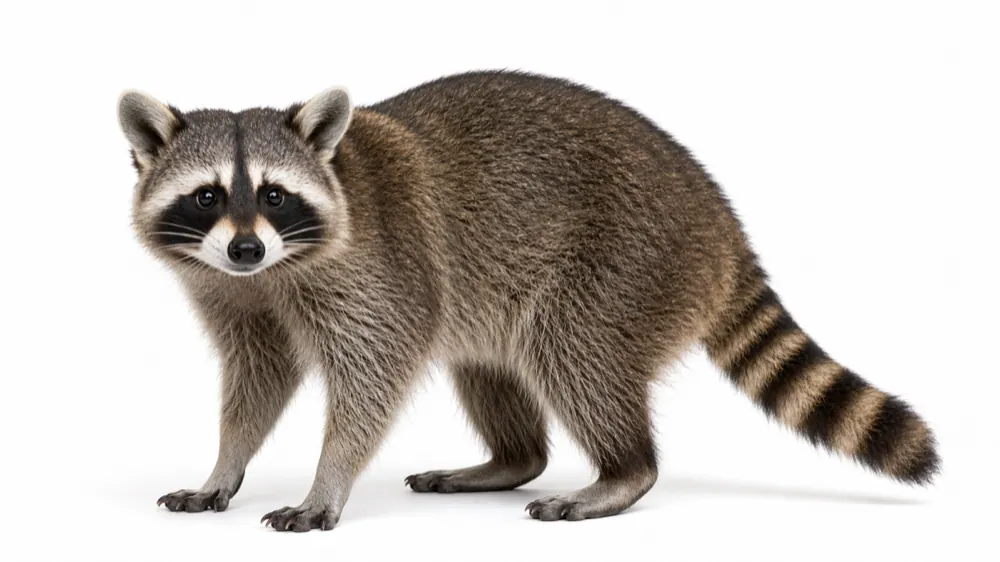 Wildlife · Year-roundRaccoon guideStrong, adaptable wildlife that can damage soffits, vents, shingles, insulation, and attic spaces. Night noises, latrine areas, and tor...
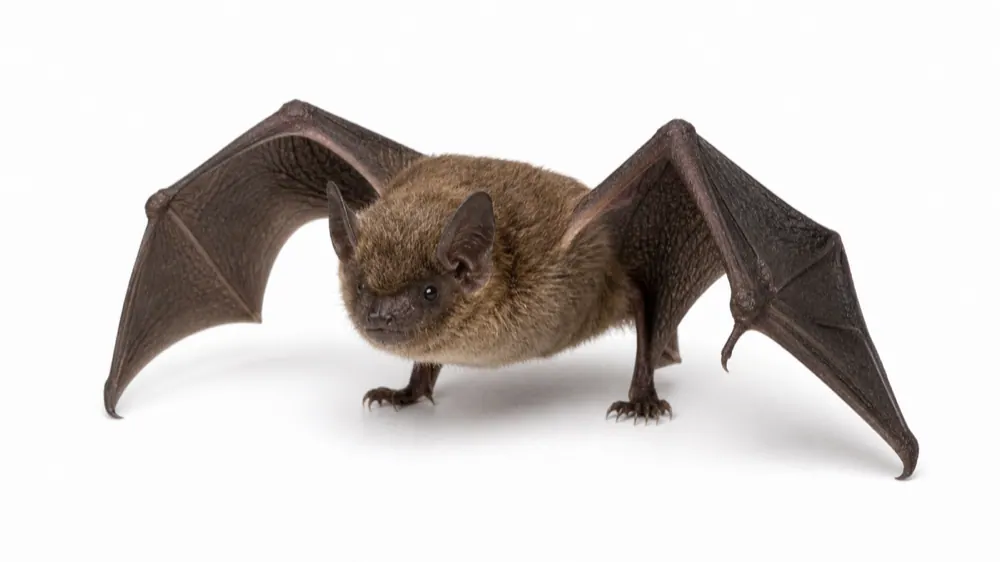 Wildlife · Mar through OctBat guideBats use tiny upper-level gaps and can leave staining, guano, and nighttime flight patterns. Species and timing matter before exclusion.