
Healthcare Facility Pest ControlCincinnati, Ohio
Sensitive-environment pest management for hospitals, clinics, senior living, and medical facilities in Greater Cincinnati.
Commercial Pest Assessment
Tell us the facility type, service need, and timing needs.
Service is mapped around patient areas, resident rooms, clinical spaces, kitchens, and staff areas.
EPA-registered products and methods are selected around access, occupancy, sensitivity, and the specific pest.
Visits can be coordinated around clinical schedules, meal service, resident routines, and facility access needs.
Service notes, product documentation, activity findings, and corrective recommendations stay organized for your team.
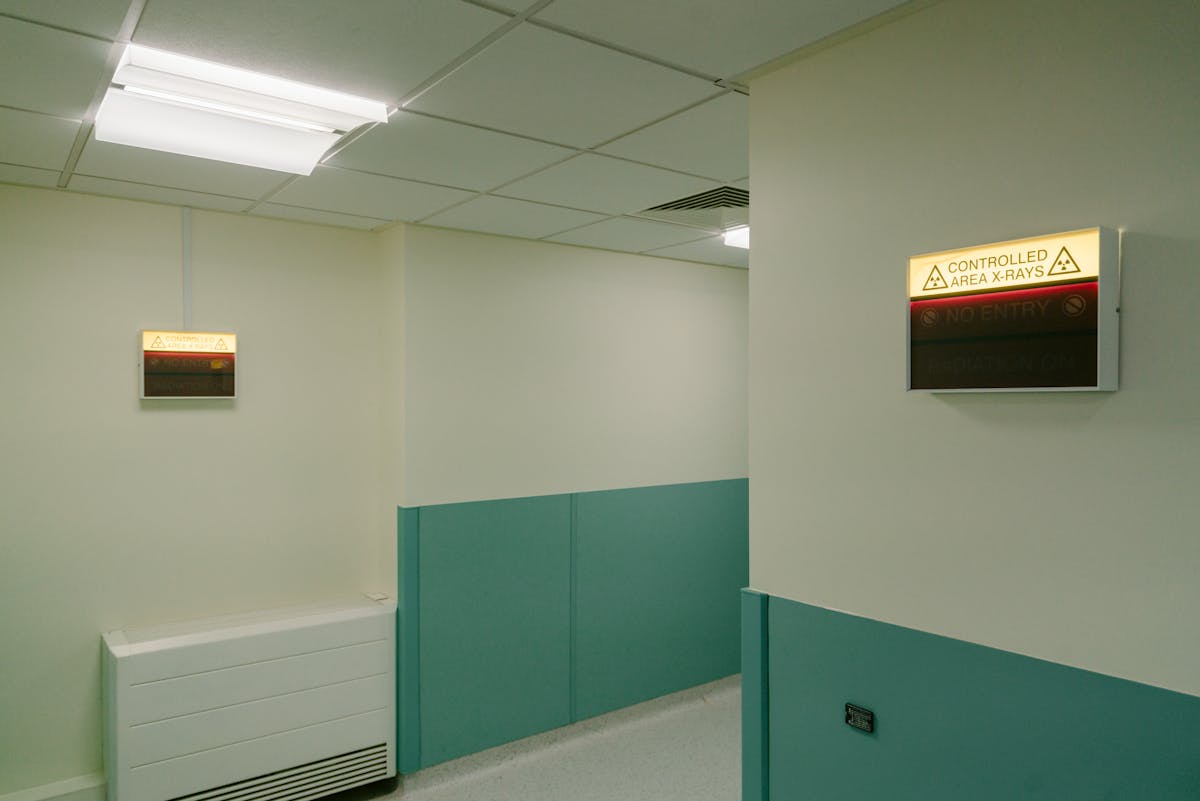
Sensitive facilities need calm, careful communication.
Envexa builds the assessment around patient or resident spaces, food service, staff areas, access needs, and documentation that supports facility confidence.
Resident rooms, clinical spaces, dining, laundry, waste, and support areas.
Service timing, access, product selection, and communication needs.
Findings, service areas, product documentation, and next-step notes.
Healthcare pest control has to be careful, documented, and calm.
Sensitive facilities need a program that respects residents, patients, staff, restricted spaces, food service, laundry, waste flow, and communication needs. The service should feel controlled from the first visit.
Sensitive-site service
Healthcare pest pressure affects trust quickly.
A small pest sighting can feel much larger in a care setting. The program must combine prevention, documentation, and thoughtful communication.
Rooms, lounges, and shared spaces
Bed bugs, ants, mice, and occasional invaders require careful inspection and follow-up.
Kitchens, dining, and storage
Food, moisture, deliveries, and waste areas can drive flies, ants, roaches, and rodents.
Laundry, waste, and service corridors
Behind-the-scenes areas need regular attention because they connect the facility.
Facility-facing documentation
Clear service notes help staff understand what was found and what happens next.
Service that respects patients, residents, staff, and clinical routines.
Healthcare pest control has to be careful, quiet, and documented. The program should help your team understand what was found without creating confusion for occupants.
Resident rooms, patient areas, lounges, and waiting areas are handled with access and sensitivity in mind.
Laundry, kitchens, storage, waste, and service corridors are reviewed because they connect the facility.
Findings are organized into simple service notes so staff know what changed and what needs attention.
A service system built for sensitive spaces.
Envexa plans around access, occupancy, communication, and the specific pest. The result is a program your facility team can explain and manage.
What sensitive-site service should include
We identify access needs, occupancy concerns, and spaces that need careful coordination.
Products and methods are selected around the setting and the specific pest issue.
Service notes are written for facility teams, not just pest technicians.
Resident, patient, kitchen, and staff areas receive cleaner tracking when needed.
Healthcare inspections cover care spaces and operational spaces.
Both matter because pests often start behind the scenes before they are seen by residents or visitors.
Rooms, lounges, and clinical areas
Sensitive spaces are reviewed with careful access and communication.
Dining, kitchens, and storage
Food and moisture areas are monitored for flies, ants, roaches, and rodents.
Laundry, waste, and corridors
Movement paths and service areas are checked for hidden activity.
Doors, landscaping, and utilities
Perimeter pressure is reduced before pests enter the building.
Know the pests that create facility concern.
Schools need calm service, simple notes, and timing that respects the day.
Built around sensitive spaces, records, and low-disruption service.
Healthcare pest control has to protect patient-facing areas without ignoring kitchens, laundry, storage, waste, exterior doors, and service corridors. Envexa separates treatment notes from corrective items so staff know what needs follow-up.
Need healthcare pest control in Cincinnati?
Care-aware scheduling, careful method selection, and documentation for facility teams.
Healthcare pest control FAQ.
We use EPA-registered products and select methods around the setting, access needs, occupant sensitivity, and the specific pest issue.
We can provide inspection, monitoring, targeted liquid treatment when activity is found, and follow-up service to track progress.
Yes. Service can be coordinated with facility management around care schedules, meal times, restricted spaces, and communication needs.
Yes. Service notes and product documentation can be organized for facility records when needed.