
School & Daycare Pest ControlCincinnati, Ohio
Careful IPM planning for schools, daycares, preschools, and educational facilities throughout Greater Cincinnati.
Commercial Pest Assessment
Tell us the facility type, service need, and timing needs.
Programs are planned around classrooms, cafeterias, kitchens, gyms, offices, playground edges, and storage rooms.
Service can be coordinated around dismissal, breaks, weekends, facility access windows, and administrator preferences.
Recommendations are selected around the setting, access, occupant sensitivity, pest type, and the areas that need attention.
Service notes, product details, findings, and recommendations stay organized for facility and administrative files.
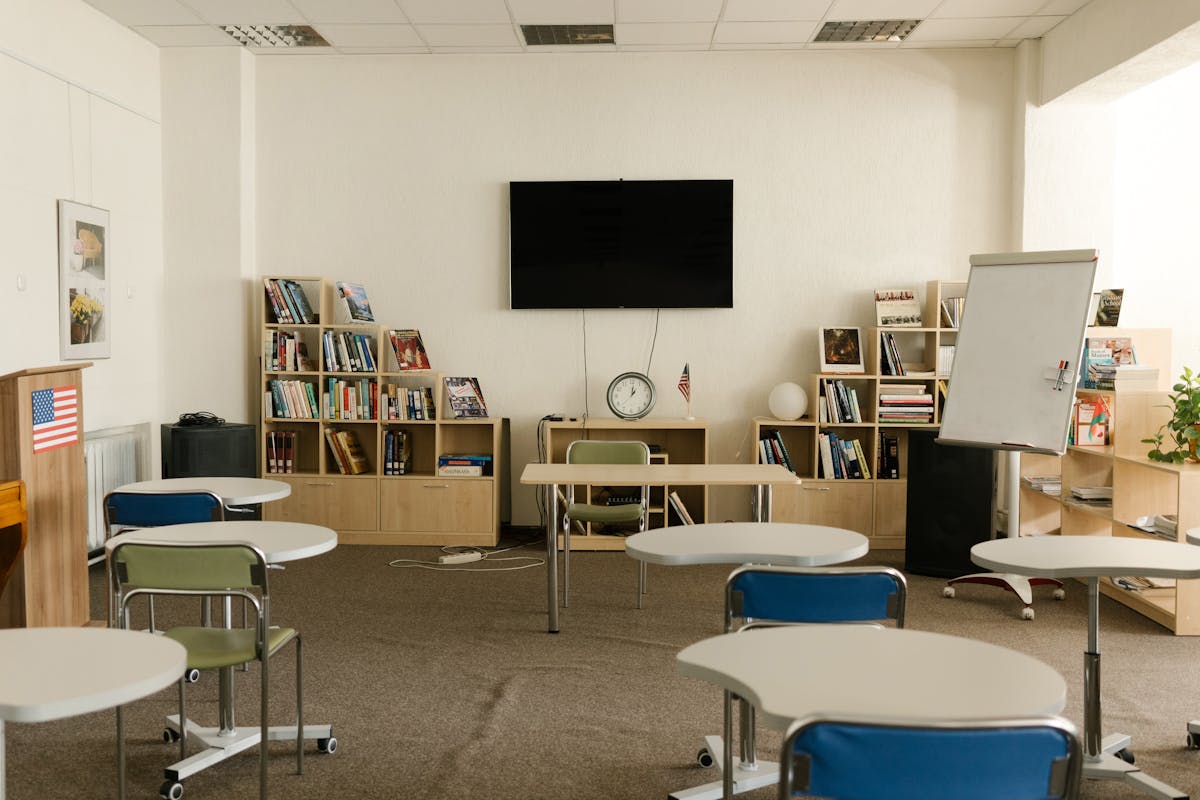
School service should be easy for administrators to understand.
The assessment follows the real school day: classrooms, food service, playground edges, storage, offices, and approved service windows.
Classrooms, cubbies, cafeterias, gyms, offices, and storage rooms.
Playground edges, doors, athletic areas, waste, and exterior entry points.
Service windows, findings, product details, and practical recommendations.
School pest control should be careful, planned, and easy for administrators to explain.
Schools and childcare spaces need service around classrooms, cafeterias, gyms, playgrounds, offices, storage, and student schedules. The right program emphasizes prevention and communication.
Student-aware IPM
School pest pressure follows food, belongings, and exterior play areas.
A school program has to protect the building while respecting student schedules and administrator expectations.
Food service and lunch areas
Food storage, trash, and spills can attract ants, roaches, flies, and rodents.
Backpacks, cubbies, and storage
Pests can arrive through belongings, supplies, snacks, and cluttered storage.
Playgrounds and athletic edges
Stinging insects, ants, ticks, and occasional invaders can build around outdoor spaces.
Service around school schedules
Treatments should fit approved windows and keep documentation simple for administrators.
Pest control that fits the academic calendar.
Schools need clear timing, careful access, and practical notes for administrators. The plan should protect food areas, classrooms, playground edges, and exterior entry points without disrupting the day.
Classrooms, offices, gyms, and shared areas can be reviewed when the building schedule allows.
Food service, snack areas, trash, drains, and storage are checked for pest pressure and prevention needs.
Play areas, doors, athletic edges, and exterior harborage are reviewed seasonally.
A school-aware program with clear communication.
Envexa builds the plan around access, approved timing, sensitive areas, and practical documentation for administrators and facility teams.
What school service should include
We identify food areas, student spaces, exterior pressure, and access needs.
Service can be coordinated around dismissal, weekends, breaks, or other approved times.
Methods are selected around the setting, pest, access, and occupant sensitivity.
Administrators receive clear notes on findings, service areas, and next steps.
School inspections follow the full student day.
The building changes from classroom to cafeteria to playground, and pest prevention needs to follow that rhythm.
Cafeterias, kitchens, and snack areas
Food storage, trash, spills, and moisture are checked for pest pressure.
Classrooms, cubbies, and offices
Storage, belongings, snacks, and wall gaps are reviewed.
Gyms, playgrounds, and fields
Exterior edges, stinging insects, ants, and occasional invaders are considered.
Storage, mechanical, and waste areas
Behind-the-scenes spaces are inspected for hidden activity.
Know the pests that affect school facilities.
Education spaces need a practical plan that balances prevention, timing, and communication.
Built around classrooms, food areas, grounds, and timing.
School pest pressure moves differently during class, cafeteria service, aftercare, sports, and summer breaks. Envexa plans service around students, staff access, kitchens, lockers, storage, playgrounds, and exterior conditions.
Need school pest control in Cincinnati?
School-aware scheduling, careful recommendations, and administrator-ready service notes.
School pest control FAQ.
We use EPA-registered products and select treatment methods around the facility setting, access needs, occupant sensitivity, and the specific pest issue.
Service can be coordinated after dismissal, on weekends, during breaks, or during other facility-approved service windows when appropriate.
Yes. Service records can include findings, product details, areas serviced, and corrective recommendations.
Yes. Programs can include playground edges, athletic field borders, outdoor eating areas, and building exterior pressure points depending on the pest and site conditions.