
Warehouse & Industrial Pest ControlCincinnati, Ohio
Large-facility pest management for warehouses, distribution centers, and industrial properties across Greater Cincinnati.
Commercial Pest Assessment
Tell us the facility type, service need, and timing needs.
Dock doors, overhead doors, rail edges, utility openings, trash areas, and fence lines are mapped into the service plan.
Programs can include interior devices, activity tracking, trend notes, and follow-up recommendations for operations teams.
Service notes, product documentation, device findings, and corrective recommendations stay ready for customer or third-party review.
Visits can be coordinated around shipping, receiving, shift changes, production areas, and facility access requirements.
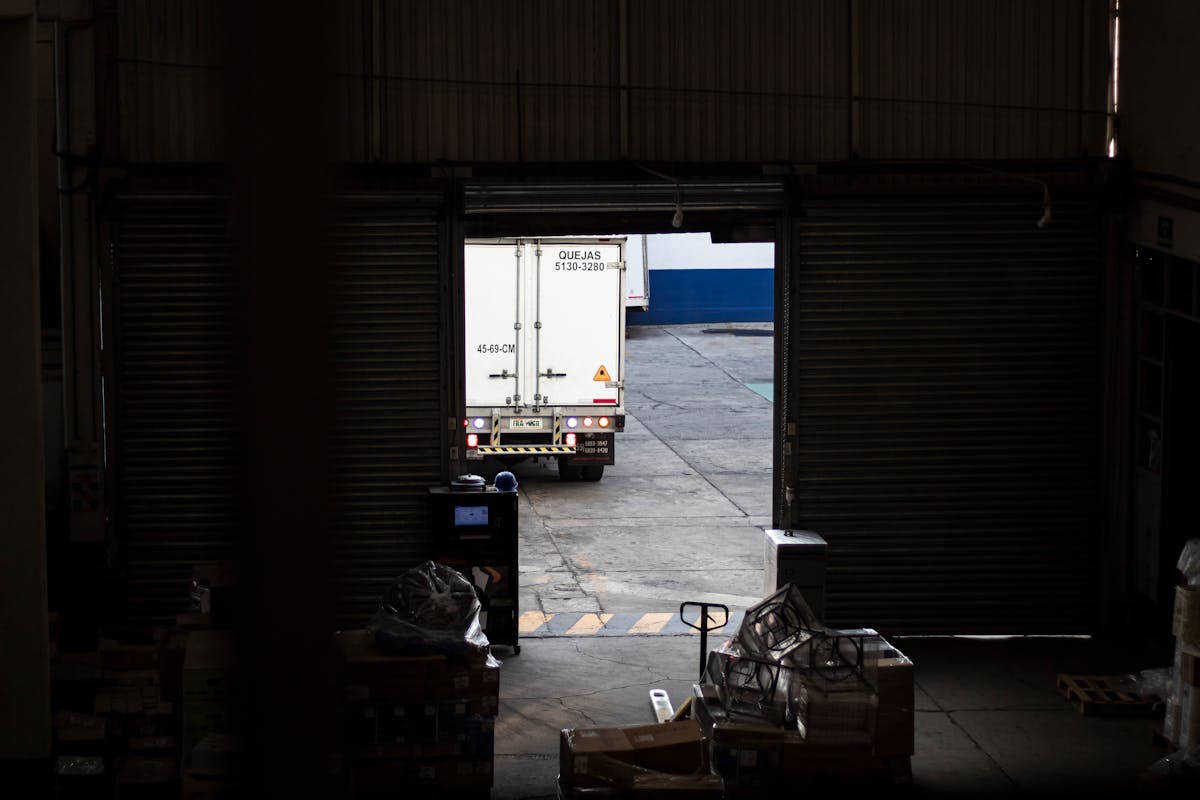
Warehouse service has to match the scale of the facility.
The assessment focuses on pest movement, product risk, dock traffic, monitoring locations, and the operational notes your team needs after each visit.
Dock doors, overhead doors, fence lines, utility openings, trash, and vegetation.
Interior and exterior devices placed around actual facility risk.
Trend notes, corrective recommendations, and service records your team can use.
Warehouse pest control should protect operations, inventory, and customer confidence.
Large facilities need a program that understands dock traffic, pallets, storage, cardboard, exterior pressure, product risk, shift schedules, and documentation. The goal is to keep pest control organized at facility scale.
Large-facility prevention
Warehouse pressure starts at the perimeter and moves inward.
Open doors, product movement, packaging, and exterior conditions can create a constant path for pests.
Shipping and receiving edges
Rodents, flies, and occasional invaders can enter through frequent door activity and gaps.
Pallets, racks, and cardboard
Stored goods and packaging can hide pest evidence until activity spreads.
Fence lines, trash, and vegetation
Rodent pressure often begins along exterior harborage and moves toward the building.
Facility accountability
Operations teams need trend notes, device checks, corrective actions, and records they can find later.
Docks, doors, inventory, and shift changes decide the program.
Warehouse pest control has to follow how product, people, doors, and exterior pressure move through the facility. The best plan makes activity easier to see before it becomes an operations problem.
Door activity, pallets, returns, and staging areas are reviewed where pests are most likely to enter.
Devices, product aisles, cardboard storage, and quieter corners are checked for trend patterns.
Fence lines, dumpsters, vegetation, overhead doors, and utility openings are built into the service route.
A facility-scale pest program with practical reporting.
Envexa organizes the plan around access points, monitoring zones, pest trends, and the facility team that needs clear follow-through.
What facility service should include
We review dock doors, overhead doors, utility openings, fence lines, and exterior pressure.
Devices and treatment areas are matched to traffic, risk, and facility layout.
Service notes help your team see repeat pressure and needed corrections.
Visits can be planned around shipping, receiving, production, and shift changes.
Warehouse inspections focus on movement, storage, and exterior pressure.
The plan should make sense to the people running the floor.
Dock, overhead, and personnel doors
Gaps, seals, traffic patterns, and nearby harborage are reviewed.
Racks, pallets, and storage zones
Activity evidence, product risk, and hidden harborage are inspected.
Perimeter and trash areas
Rodent and fly pressure is reviewed before it reaches interior zones.
Device and finding notes
Monitoring records and corrective recommendations are kept clean and useful.
Know the pests that affect warehouse operations.
Large buildings can hide small problems until they become operational issues.
Built around docks, storage, and exterior pressure.
Warehouse pest issues usually start where freight, open doors, stored goods, waste areas, and exterior gaps create opportunity. Envexa maps the facility around the places pests actually use so service notes are clear for operations teams.
Need warehouse pest control in Cincinnati?
Dock-door prevention, monitoring records, and service notes built for operations teams.
Warehouse pest control FAQ.
Yes. Service can be coordinated around shift changes, receiving windows, production needs, and facility access rules.
Yes. Notes can include activity, device checks, treatment areas, product documentation, and corrective recommendations.
We can review bird pressure and recommend deterrent or exclusion options based on the structure and activity.
Yes. Multi-site commercial programs can be organized with consistent communication and cleaner reporting.