
Property Management Pest ControlCincinnati, Ohio
Multi-property pest programs for resident complaints, unit turnover, portfolio reporting, and recurring service across Greater Cincinnati.
Commercial Pest Assessment
Tell us the facility type, service need, and timing needs.
Service can be organized by property, building, unit, common area, or issue type.
Clear notes help your team understand what was treated, what was found, and what needs attention.
Programs account for shared walls, plumbing chases, trash rooms, storage areas, and resident turnover.
Routine visits reduce emergency-only pest control and make portfolio management feel less scattered.
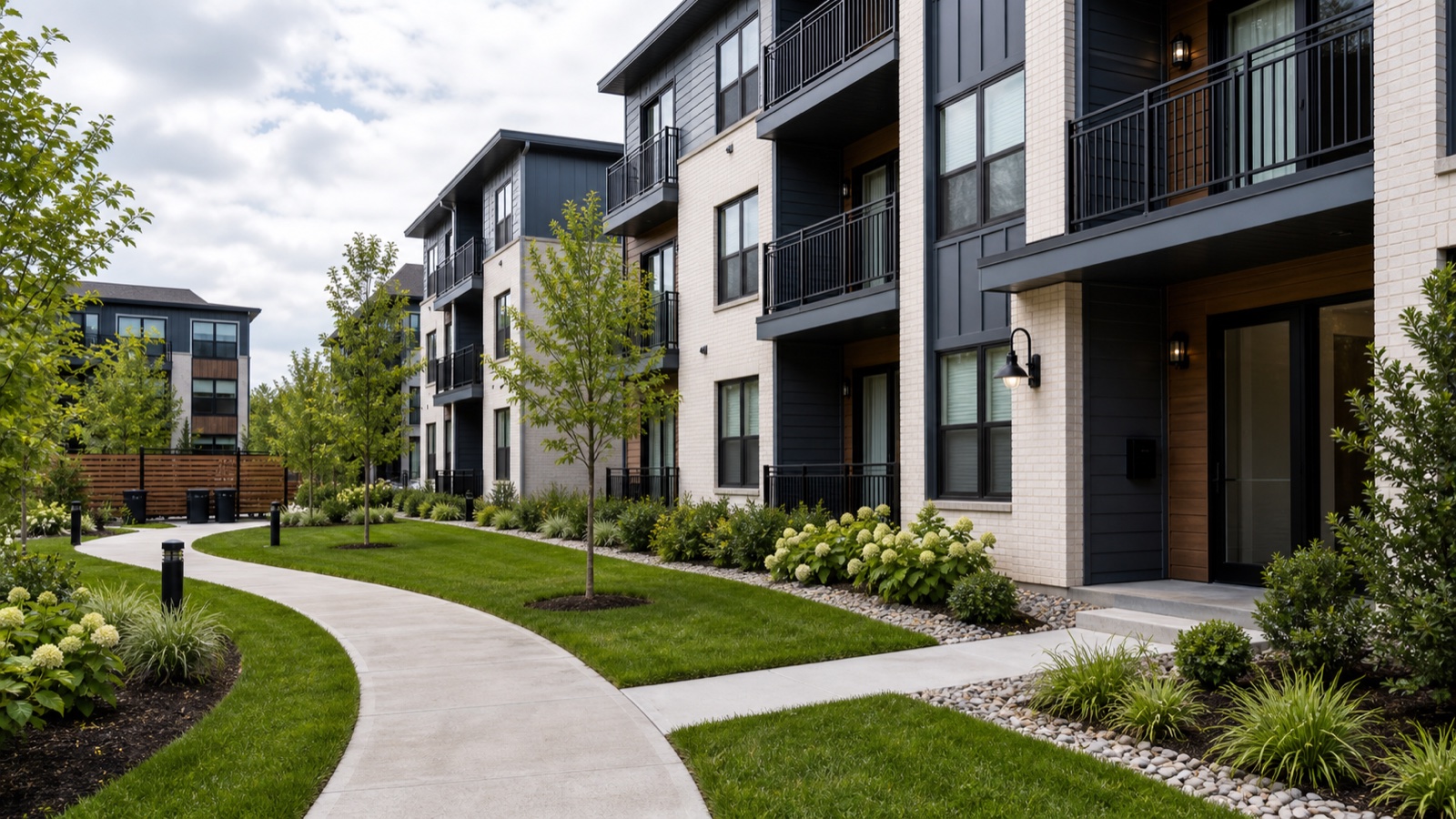
Property teams need pest control that reduces moving parts.
Envexa organizes the assessment around properties, buildings, units, common areas, resident complaints, turnover, and recurring pressure.
Buildings, common areas, units, amenities, exterior pressure, and issue history.
Access needs, prep notes, treatment completion, and callback tracking.
Shared pathways, adjacent unit pressure, and recurring property-level conditions.
Property management pest control should reduce complaints, callbacks, and unit-to-unit confusion.
Multi-unit pest work gets messy when every complaint is handled as a one-off. A stronger program organizes service around properties, buildings, units, shared pathways, turnover, and reporting.
Portfolio control
Property pest pressure spreads when patterns are not tracked.
The right program helps your team see whether an issue is isolated or moving through shared spaces.
Resident complaints and access
Roaches, bed bugs, mice, and ants need clear prep, scheduling, service notes, and follow-up.
Walls, pipes, and chases
Multi-unit pests can move through shared infrastructure, making isolated treatment less effective.
Trash rooms, garages, and doors
Rodent and invader pressure often starts around dumpsters, garages, landscaping, and entry points.
Move-in and move-out windows
Vacant units are ideal moments to inspect, document, and correct pest conditions.
A cleaner way to handle complaints, turnover, and recurring buildings.
Property management pest work should separate one-off reports from property-wide patterns. The program needs to make unit access, common areas, and follow-up easier to manage.
Resident reports are tied to the unit, building, pest, prep needs, and access notes.
Units, hallways, trash rooms, garages, laundry, and exterior edges are checked based on the pattern.
Recurring activity is easier to spot when service notes separate isolated issues from shared pressure.
A cleaner pest workflow for property teams.
Envexa builds the service around how your team receives complaints, schedules access, communicates with residents, and tracks follow-up.
What property teams should see
We identify properties, buildings, common areas, recurring issues, and access requirements.
Programs can cover exterior pressure, shared spaces, reported units, and seasonal pests.
Your team gets service completion, prep needs, and next-step recommendations.
Roach, bed bug, or rodent activity can be tracked beyond one unit when the pattern calls for it.
Property inspections cover units, shared spaces, and exterior pressure.
That gives management a clearer view than complaint-by-complaint service.
Reported apartments and turnover units
Activity, prep needs, access notes, and follow-up are documented.
Hallways, laundry, storage, and chases
Common movement paths are reviewed for spread and hidden pressure.
Dumpsters, garages, doors, and landscaping
Entry and harborage conditions are identified before pests reach units.
Pools, clubhouses, and common rooms
Shared resident spaces are protected for comfort and reputation.
Know the pests that create resident complaints.
Understanding the pest helps property teams respond faster and communicate better.
Built around units, common areas, turnover, and reporting.
Property pest work gets easier when complaints, access, shared pathways, trash rooms, garages, and exterior pressure are tracked as one program. Envexa keeps notes organized by what the property team actually manages.
Need property management pest control?
Portfolio reporting, resident complaint tracking, and recurring service by property or unit.
Property management pest control FAQ.
Yes. Multi-property accounts can be organized with consistent communication, centralized billing, and consolidated reporting.
Service can include access coordination, treatment notes, prep recommendations, and follow-up details for the management team.
When requested, we can document pest conditions and service records that help property teams track unit status.
We look for shared pathways, adjacent pressure, recurring complaints, and conditions that allow roaches, bed bugs, or mice to move between spaces.