Where we inspect
Gable vents, ridge gaps, fascia edges, shutters, chimney gaps, attic edges, and guano collection points.

Bat work needs patience because timing, roost status, and exit points matter. Envexa looks for guano, staining, dusk exit activity, upper gaps, and seasonal restrictions before recommending an exclusion path.
Tell us about bats indoors, attic squeaking, guano, staining, or dusk exit activity.
Bats use narrow upper gaps around vents, fascia, chimneys, shutters, and roof edges. The right plan depends on whether the roost is active, where animals are exiting, and whether seasonal restrictions affect exclusion.
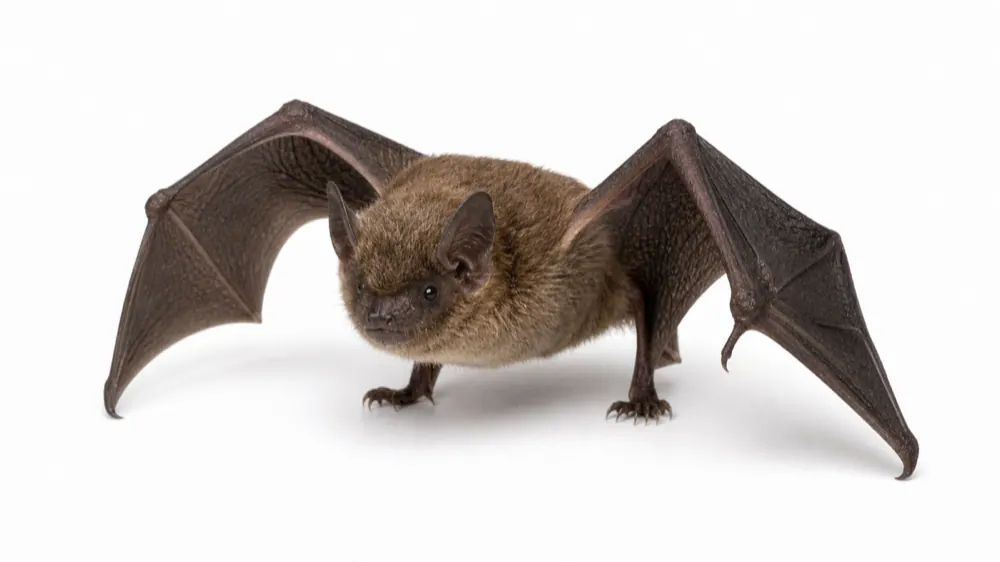
Gable vents, ridge gaps, fascia edges, shutters, chimney gaps, attic edges, and guano collection points.
Evening exit counts, guano piles, dark staining, squeaking, odor, and repeated indoor appearances.
Confirm exit points, plan exclusion timing, protect legal and safety requirements, and recommend cleanup if guano is present.
Envexa looks for the access, shelter, food pressure, and timing clues that explain why bats keep showing up around the home.
Bats can use narrow gaps around fascia, vents, chimneys, shutters, ridge lines, and trim details.
The most useful clue is often where bats leave at dusk, not where one bat is found indoors.
Warm, quiet upper voids can support roosting when airflow, shelter, and access line up.
Bat exclusion needs correct timing so the work does not trap animals or conflict with seasonal restrictions.
Envexa can inspect the evidence, explain the pressure points, and recommend a removal or exclusion path that fits the structure.
Use these wildlife guides to compare roosting clues, droppings, timing, and legal exclusion considerations.
 Wildlife · Mar through OctBat guideBats use tiny upper-level gaps and can leave staining, guano, and nighttime flight patterns. Species and timing matter before exclusion.
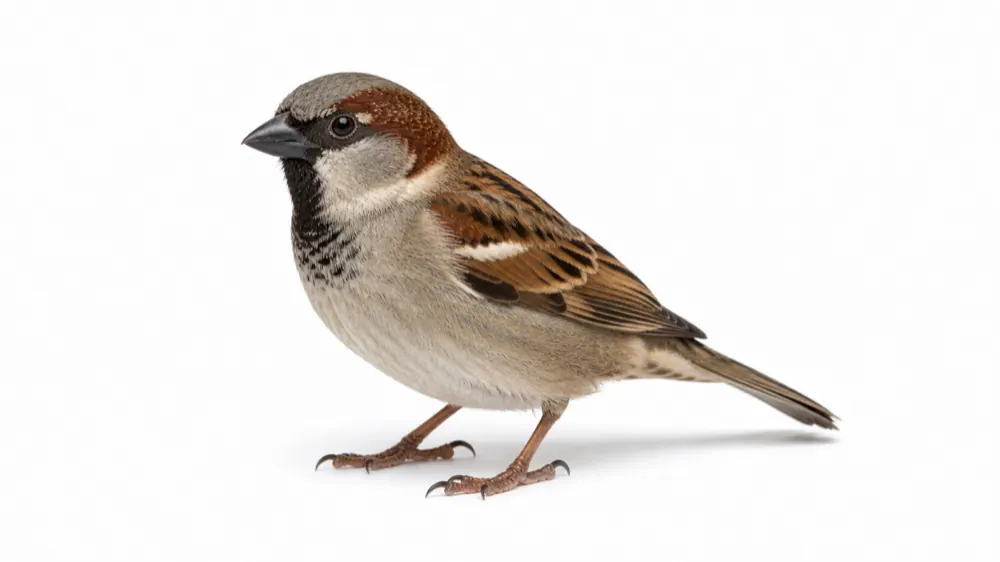 Wildlife · Mar through OctNesting Bird guideBirds nesting in vents or commercial ledges can create droppings, debris, odor, airflow issues, and insect pressure. Active nest status...
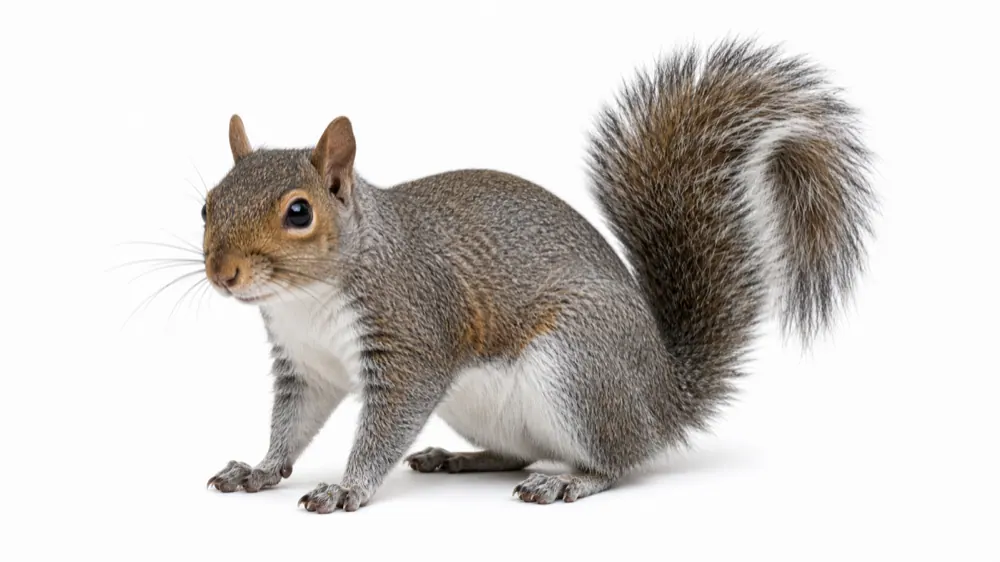 Wildlife · Year-roundGray Squirrel guideDay-active rodents that chew fascia, vents, and trim to reach attic spaces. Scratching during daylight is a strong clue.
Guano, dark staining, dusk exit activity, squeaking, odor, and repeat indoor appearances are the clues that help identify an active roost.
No. Bat work needs the right timing and confirmation of exit points so animals are not trapped inside and legal or seasonal restrictions are respected.
Small upper gaps, warm quiet voids, vents, chimneys, shutters, and fascia edges can create roosting conditions.
Bat work is quoted after inspection because exclusion timing, height, number of gaps, guano cleanup needs, and access all affect the scope.