
Groundhog Control
Commercial Properties
Groundhog burrows can affect walkways, sheds, slab edges, retaining areas, and landscaped grounds. Envexa documents the active burrow system and the site risk so the quote is based on placement, activity, and access instead of guesswork.
Groundhog Burrow Review
Burrows, soil movement, landscape damage, and access notes.
Burrow placement matters more than the sighting itself.
On commercial grounds, a burrow beside a slab, shed, walkway, wall, or utility area can create a different level of concern than one in an open field edge.
Burrow Locations
Openings near slabs, walks, sheds, decks, foundations, and retaining edges.
Landscape Damage
Fresh soil, worn entrances, garden feeding, turf disturbance, and bed damage.
Structural Edges
Areas where digging may undermine steps, pads, patios, or service paths.
Follow-Up Scope
Removal path, site restoration notes, and prevention recommendations.
Make the burrow pattern clear before work begins.
We note active entrances, soil movement, nearby structures, access limits, and any safety or grounds-maintenance concerns for the property team.
Groundhog burrows on commercial grounds?
Envexa can inspect the burrow system and quote a control plan that respects the site conditions.
Wildlife profiles connected to this service.
Compare animal signs, entry clues, seasonality, and structure pressure before deciding what needs to happen next.
 Wildlife · Mar through OctGroundhog guideLarge burrowing wildlife that can undermine soil near sheds, patios, decks, and gardens. Burrow location determines urgency.
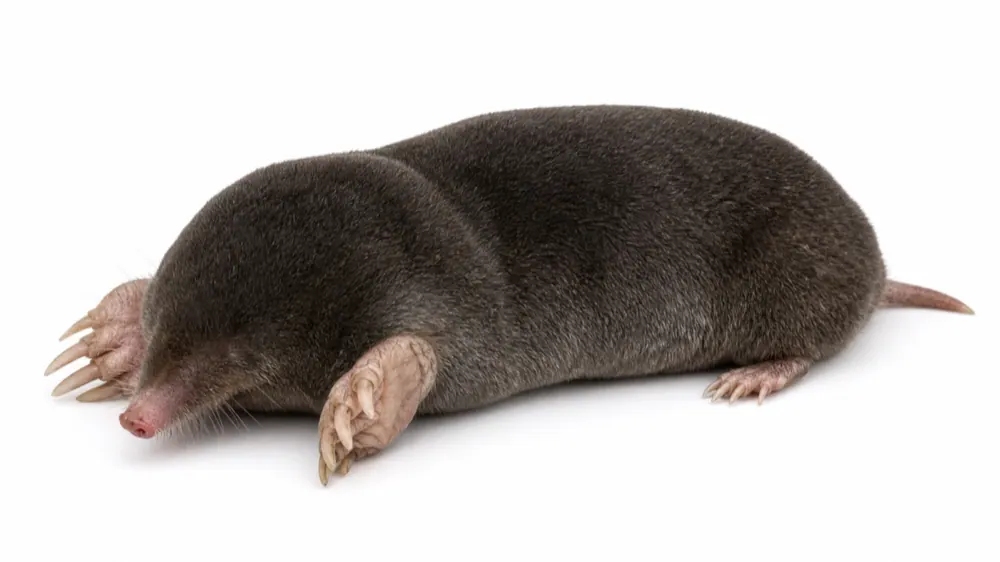 Wildlife · Mar through OctMole guideInsect-eating mammals that create raised tunnels and soil mounds in lawns. They are a turf issue, not an attic or pantry pest.
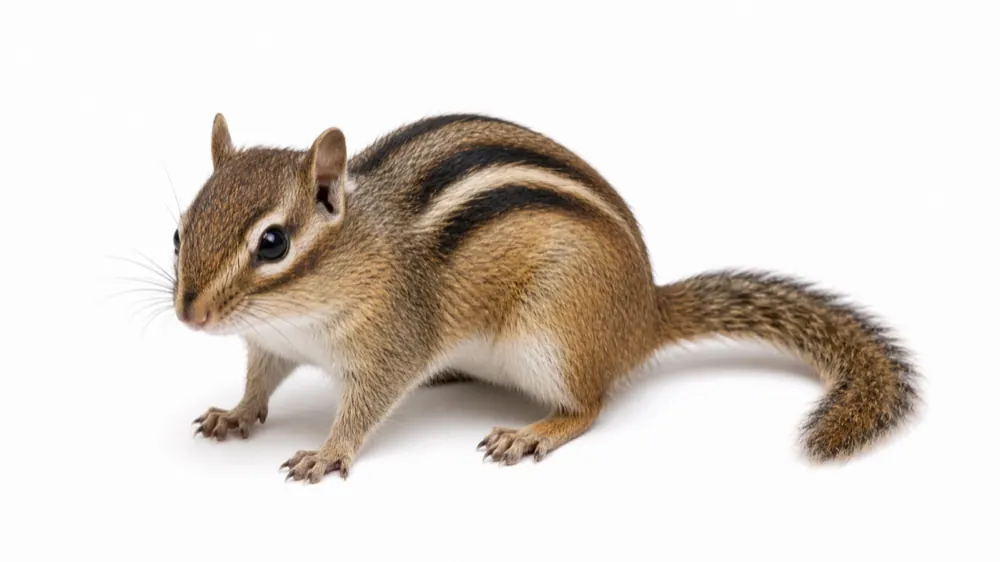 Wildlife · Mar through OctChipmunk guideSmall striped rodents that burrow near patios, steps, beds, and walls. Multiple small openings and seed pressure are common clues.