Where we inspect
Fascia boards, soffits, vents, roof returns, attic edges, tree access, and utility chases.

Squirrels turn small roofline weaknesses into repeat routes, especially where trees, utility lines, and chewable trim give them a path. Envexa traces the daytime noise, fresh gnawing, nest material, and access point before recommending the next step.
Tell us about daytime scratching, roofline chewing, attic noise, or visible entry points.
Gray squirrels are daytime roofline chewers. Fresh gnawing, attic movement, insulation disturbance, and repeated travel from nearby trees usually matter more than a single sighting in the yard.
Fascia boards, soffits, vents, roof returns, attic edges, tree access, and utility chases.
Daytime scratching, fresh chew marks, nest material, debris near openings, and repeated travel along the same edge.
Confirm the active route, remove the animal pressure, and recommend exclusion after activity is no longer inside.
Envexa looks for the access, shelter, food pressure, and timing clues that explain why squirrels keep showing up around the home.
Fascia, soffits, vents, and roof returns can be widened by chewing once squirrels find a weak spot.
Branches, utility lines, and roof edges create repeat travel routes into the same attic or soffit pocket.
Insulation, paper, leaves, and quiet attic corners can support nesting once the route is active.
Squirrels are habit-driven, so the same opening often stays attractive until the access is repaired.
Envexa can inspect the evidence, explain the pressure points, and recommend a removal or exclusion path that fits the structure.
Compare chewing, attic noise, nesting material, and tree access so the repair plan matches the entry point.
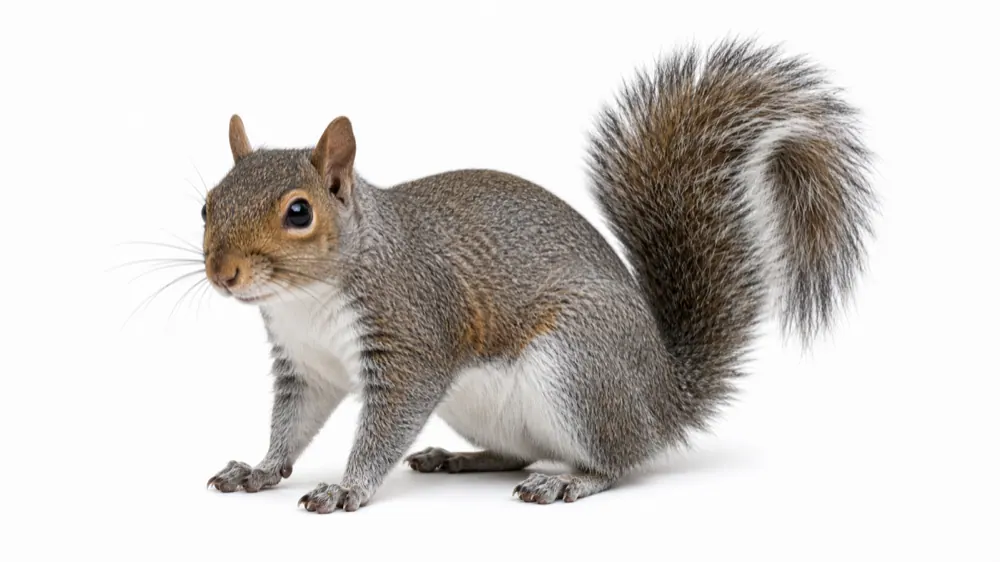
 Wildlife · Year-roundGray Squirrel guideDay-active rodents that chew fascia, vents, and trim to reach attic spaces. Scratching during daylight is a strong clue.
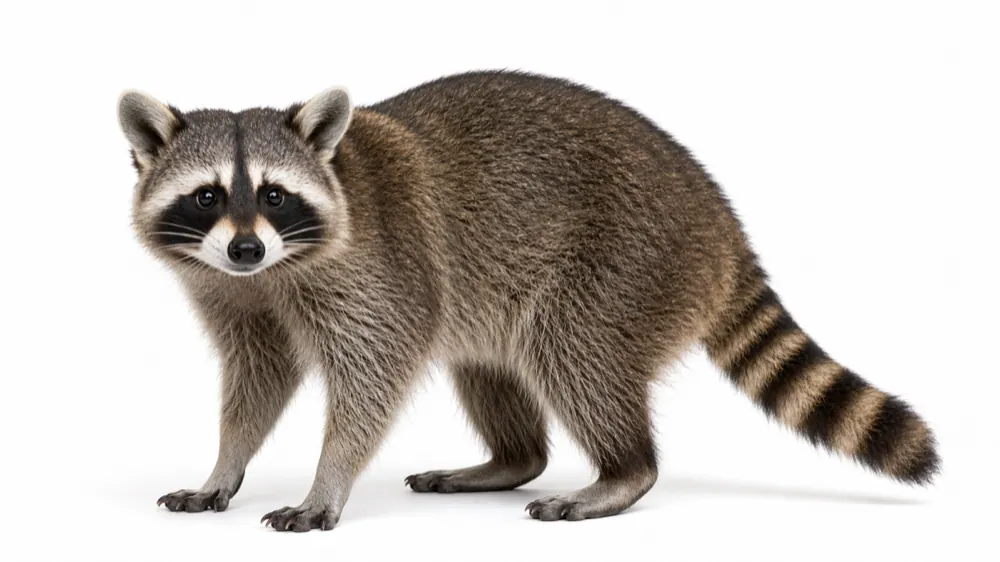 Wildlife · Year-roundRaccoon guideStrong, adaptable wildlife that can damage soffits, vents, shingles, insulation, and attic spaces. Night noises, latrine areas, and tor...
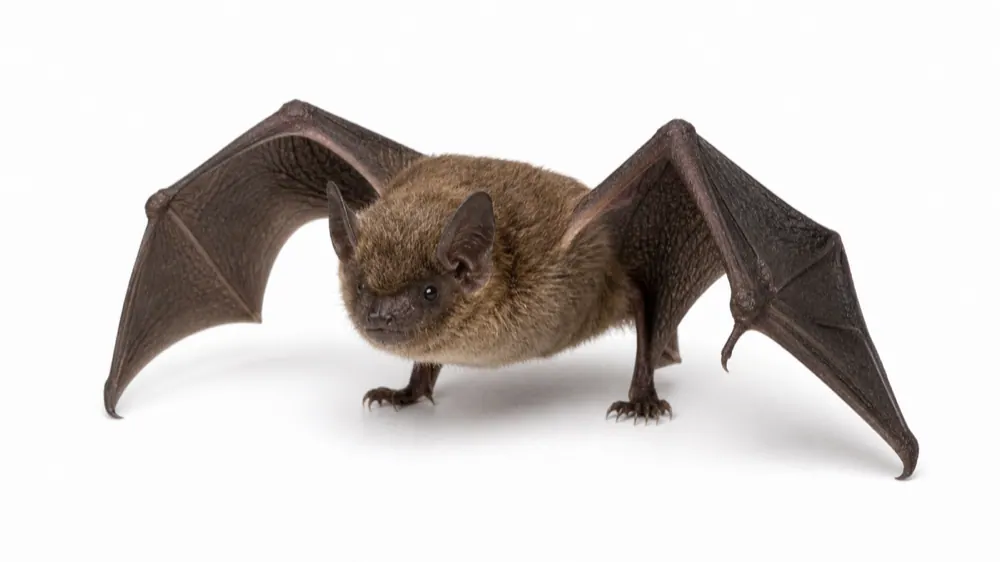 Wildlife · Mar through OctBat guideBats use tiny upper-level gaps and can leave staining, guano, and nighttime flight patterns. Species and timing matter before exclusion.
Daytime scratching, fresh chew marks, nest material, debris below an opening, and repeat travel from trees or roof edges are the most useful clues.
It is better to confirm whether squirrels are still inside first. Repairing too early can trap activity in the attic or push chewing to another weak edge.
Squirrels are habit-driven and chewable trim, nearby branches, utility lines, and attic shelter can keep the same route attractive.
Squirrel work is quoted after inspection because access, number of openings, activity status, and exclusion needs change from home to home.