Where we slow down
Crawl space doors, deck and shed edges, garage corners, trash areas, pet-food spots, brush piles, and low openings.

Opossums are usually following shelter, food, or an easy nighttime route. Envexa checks crawl spaces, decks, garage gaps, sheds, trash areas, pet food, and repeat camera sightings before recommending removal or prevention.
Tell us where you are seeing activity: under a deck, near a crawl space, in the garage, around trash, or on a nighttime camera.
A single yard sighting may not need much. Repeated activity under a deck, near a crawl space door, inside a garage, or around pet food tells a different story. We look for the route first so the recommendation fits the home.
Crawl space doors, deck and shed edges, garage corners, trash areas, pet-food spots, brush piles, and low openings.
Repeat nighttime timing, camera clips, droppings, tracks, nesting material, odor, and whether the animal is actually using the space.
Confirm the route, resolve active pressure when needed, then reduce the shelter or food conditions that brought it in.
Envexa looks for the access, shelter, food pressure, and timing clues that explain why opossums keep showing up around the home.
Deck edges, crawlspace doors, sheds, and garages are the places we check before calling it a bigger wildlife problem.
Pet food, trash, compost, bird seed, fallen fruit, and insect activity can keep opossums passing through at night.
Loose crawlspace panels, open garage gaps, damaged lattice, and low wall openings can turn a visit into shelter use.
Camera clips, tracks, droppings, odor, and repeated timing help separate a one-time visit from active use.
Envexa can inspect the evidence, explain the pressure points, and recommend a removal or exclusion path that fits the structure.
Compare animal signs, entry clues, seasonality, and structure pressure before deciding what needs to happen next.
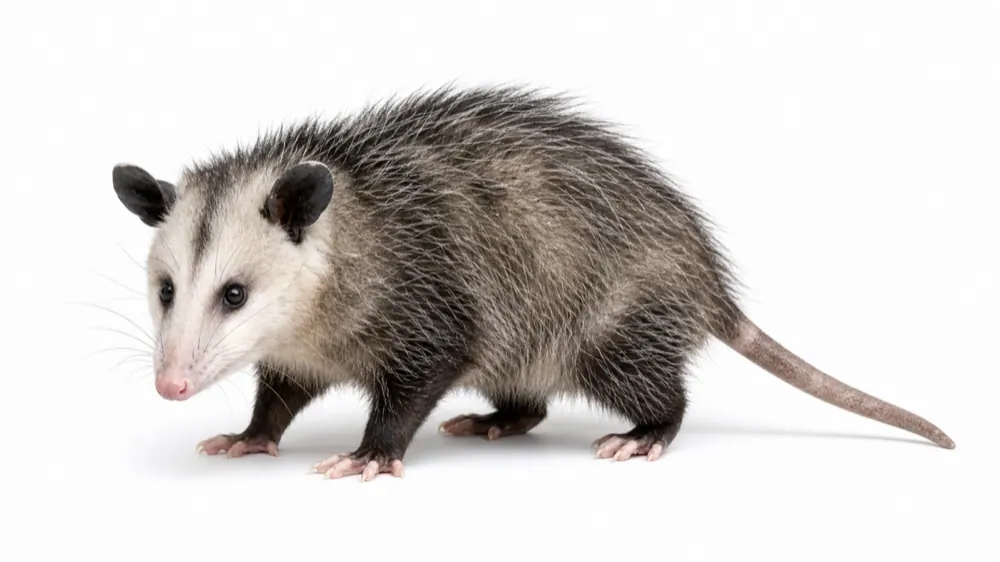
 Wildlife · Year-roundOpossum guideSlow nighttime animals that use low openings, pet food, trash, garages, and temporary shelter. Entry and food pressure shape the plan.
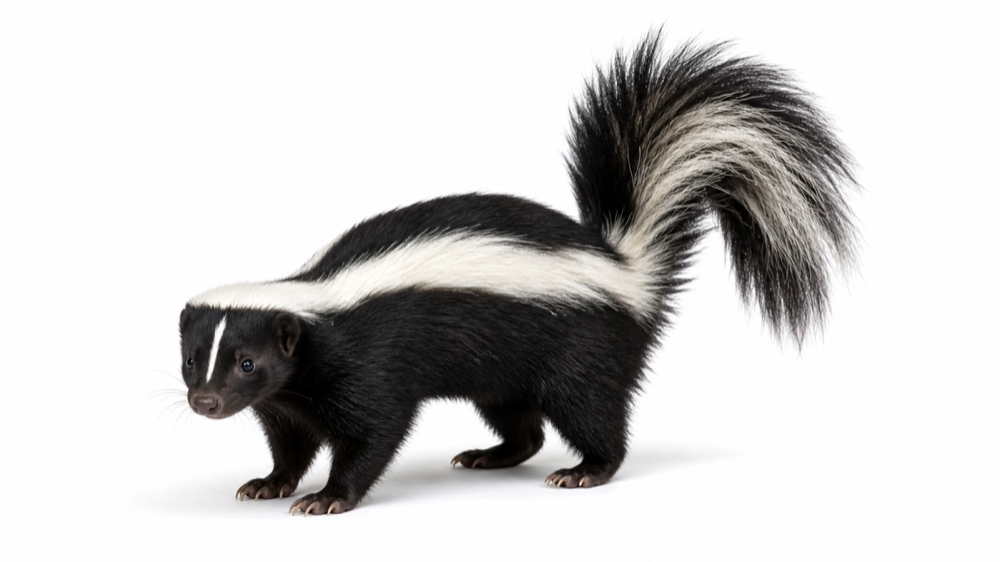 Wildlife · Year-roundSkunk guideNocturnal wildlife tied to odor, digging, turf damage, and low den openings. Fresh soil and repeated nighttime movement are key clues.
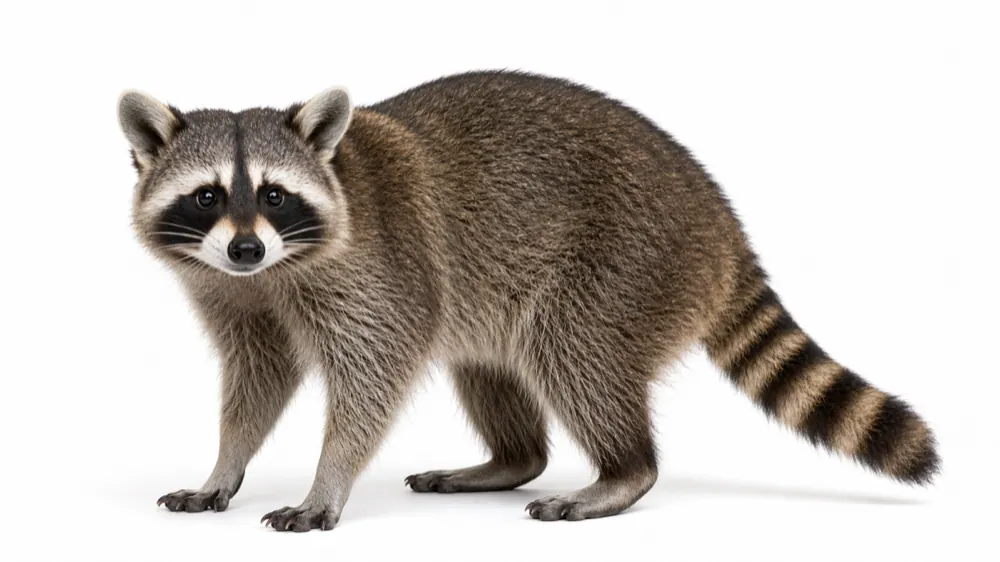 Wildlife · Year-roundRaccoon guideStrong, adaptable wildlife that can damage soffits, vents, shingles, insulation, and attic spaces. Night noises, latrine areas, and tor...
Usually no. A single yard sighting is often a passing animal. Repeated activity under a deck, near a crawl space, in a garage, or around pet food is the pattern that deserves a closer look.
Yes. Homeowners often search for possum removal, but the animal in Cincinnati is the Virginia opossum. Envexa uses the same inspection-first approach either way.
Shelter, trash, pet food, compost, fallen fruit, brush, and easy low openings are the usual reasons. Service should address the reason for the repeat route, not just the sighting.
Opossum work is quoted after inspection because the scope depends on access, active use, cleanup needs, and whether prevention or exclusion makes sense.