
Restaurant Pest Control for Cincinnati Food ServiceCincinnati, Ohio
A documented pest management program for food safety, guest experience, and the real pressure points in Cincinnati restaurant operations.
Commercial Pest Assessment
Tell us the facility type, service need, and timing needs.
Service starts with prep areas, storage, drains, bars, waste areas, and guest-facing spaces.
Clear service notes, activity findings, treatment areas, and follow-up recommendations after visits.
Visits can be scheduled around opening, closing, deliveries, and manager availability.
Serving restaurant corridors across Cincinnati, Hamilton County, Butler, Warren, and Clermont counties.
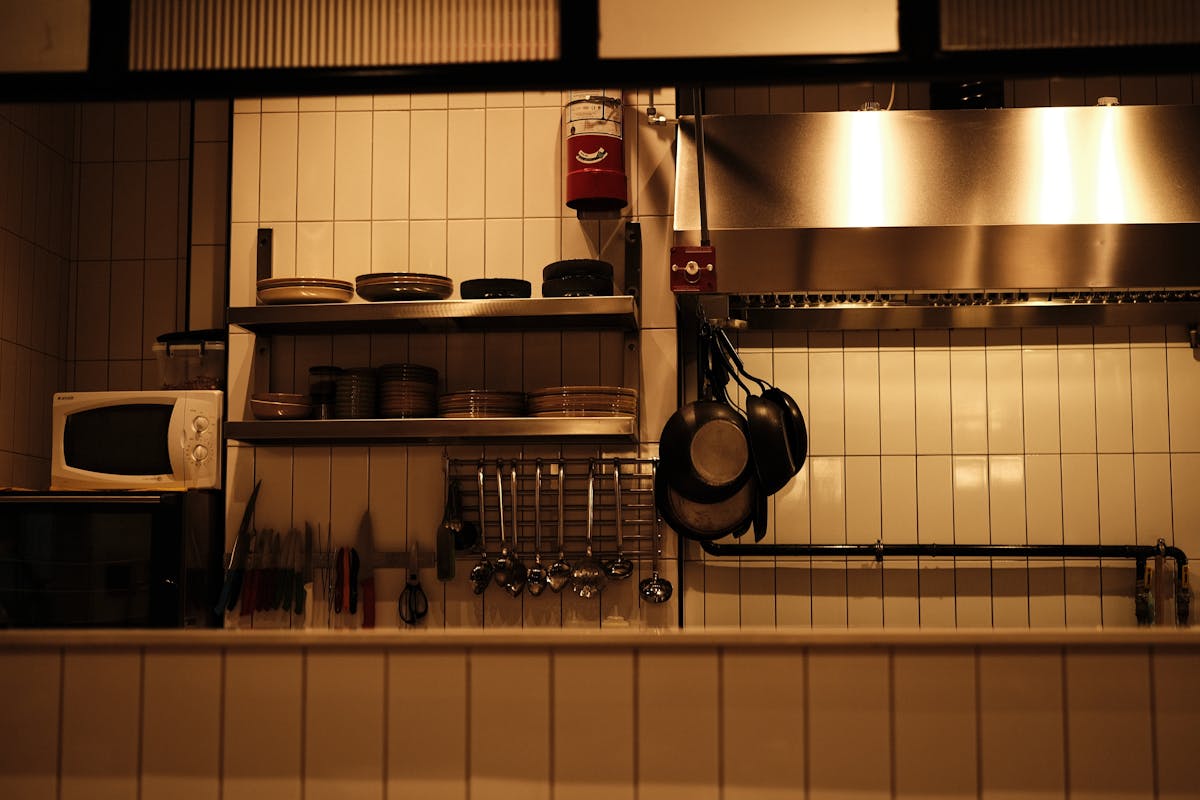
A restaurant assessment should feel like a serious operational review.
Before recommending service, Envexa looks at the parts of the building that affect food safety, inspection readiness, staff routines, and guest confidence.
Prep areas, cook line, dish area, drains, storage, and bar spaces.
Back doors, dumpster pads, patio edges, utility gaps, and neighboring tenant pressure.
Plain findings your team can use for sanitation, moisture, repairs, and follow-up.
The right restaurant program should answer three questions before service starts.
Where is pest pressure starting, what conditions are helping it continue, and what does your team need to correct between visits? Envexa builds the plan around kitchen flow, sanitation, moisture, waste, entry points, and the documentation managers actually need.
Food service operations
Four areas usually determine whether pest pressure keeps coming back.
The goal is to solve the source, not just react to the pest that made it into view.
Boxes, crates, and supplier traffic
German roaches and stored-product pests can enter through deliveries, shared storage, used equipment, and cardboard buildup.
Drains, dish areas, and bar lines
Drain flies, fruit flies, and roaches often build around moisture and organic material before they become visible in dining areas.
Dumpsters, back doors, and patios
Rodents and flies are pulled toward waste areas, open doors, patio edges, and neighboring food-service activity.
Dining rooms and front-of-house
Guest-facing areas need prevention that stays low-profile while keeping small activity from becoming a customer issue.
Service should follow the moments when pests usually get ahead of a kitchen.
The best restaurant program does more than treat visible activity. It follows the restaurant's daily rhythm: deliveries, prep, dish, closing, trash runs, patio service, and manager follow-up.
Review incoming risk before cardboard and stored goods become hiding areas.
Target heat, moisture, and food residue zones where roach and fly pressure starts.
Reduce overnight rodent and fly pressure around the areas that reopen every morning.
Commercial service should be discreet, documented, and easy for managers to act on.
The visit should fit your operating schedule, focus on the highest-risk areas, and leave behind clear notes instead of vague service language.
What the service should include
Visits are coordinated around manager availability, prep, service, deliveries, or closing routines when possible.
Applications and monitoring are matched to the pest, the label, and the food-service environment.
Your team sees what was found in kitchens, bars, storage, dining, exterior, waste, and entry areas.
Recommendations focus on sanitation, moisture, exclusion, delivery handling, or follow-up service when needed.
Know the pests that create restaurant risk.
Each profile connects back to kitchen sanitation, delivery flow, drains, waste, dining areas, or exterior pressure.
Built around kitchens, deliveries, waste, and guest areas.
Restaurant pest pressure usually follows food, moisture, door traffic, trash, and neighboring tenant activity. Envexa maps the plan around the places pests use before they reach the dining room.
Need restaurant pest control in Cincinnati?
Request a documented commercial assessment for your kitchen, bar, dining room, storage area, and exterior pressure points.
Restaurant pest control FAQ.
Monthly service is the standard starting point for most restaurants. High-volume kitchens, older buildings, multi-tenant properties, or active roach, rodent, or fly pressure may need a tighter plan until activity is under control.
Yes. Service can be coordinated around opening, closing, deliveries, off-days, or manager-approved windows whenever possible.
German cockroaches, rodents, drain flies, fruit flies, house flies, ants, stored-product pests, and occasional invaders are common food-service concerns.
Yes. Notes can include pest activity, areas serviced, treatment notes, monitoring findings, and recommendations for sanitation, moisture, exclusion, or follow-up.