Where we inspect
Raised tunnels, soil mounds, turf edges, landscape beds, moist soil zones, and active feeding runs.

Moles are a lawn-pattern problem, not a structure-entry problem. Envexa separates raised tunnels and soil mounds from vole, chipmunk, and groundhog activity so the control path matches what is actually moving underground.
Tell us where tunnels or mounds are showing up and whether activity is spreading across turf or beds.
Moles feed underground and often follow soil moisture, turf density, and food availability. Raised ridges and volcano-like mounds point in a different direction than surface runways or large burrows.
Raised tunnels, soil mounds, turf edges, landscape beds, moist soil zones, and active feeding runs.
Soft raised ridges, fresh mounds, collapsing tunnel sections, and spread that follows soil conditions.
Confirm mole activity, locate active tunnel systems, and recommend targeted control instead of treating the whole yard blindly.
Envexa looks for the access, shelter, food pressure, and timing clues that explain why moles keep showing up around the home.
Moist soil, turf density, and underground food sources can make certain lawn zones more active.
Raised ridges and fresh mounds show where active feeding runs are developing.
Mole work starts by separating mole tunnels from vole runways, chipmunk holes, or groundhog burrows.
The goal is to locate active tunnel systems instead of treating the entire yard blindly.
Envexa can inspect the evidence, explain the pressure points, and recommend a removal or exclusion path that fits the structure.
Compare animal signs, entry clues, seasonality, and structure pressure before deciding what needs to happen next.
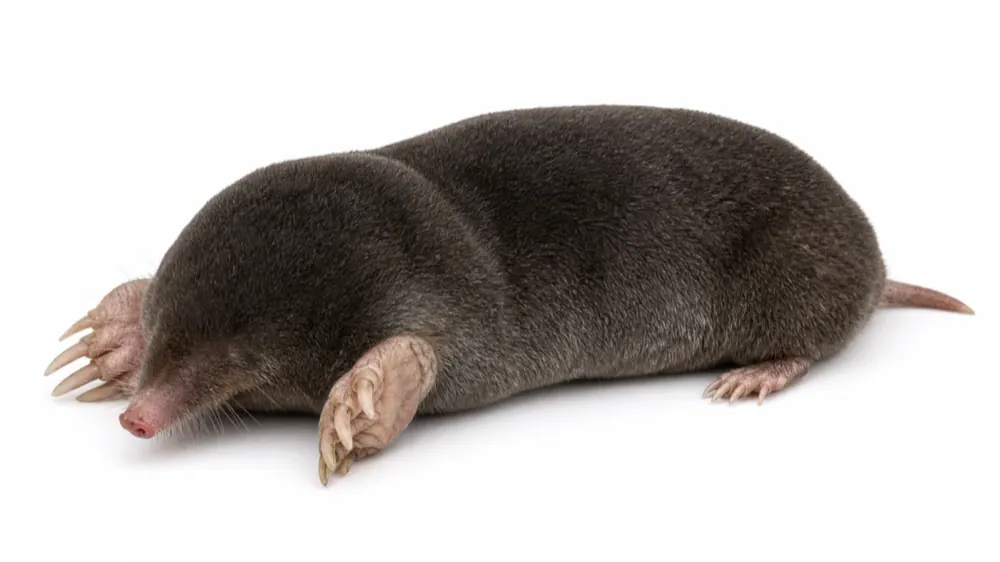
 Wildlife · Mar through OctMole guideInsect-eating mammals that create raised tunnels and soil mounds in lawns. They are a turf issue, not an attic or pantry pest.
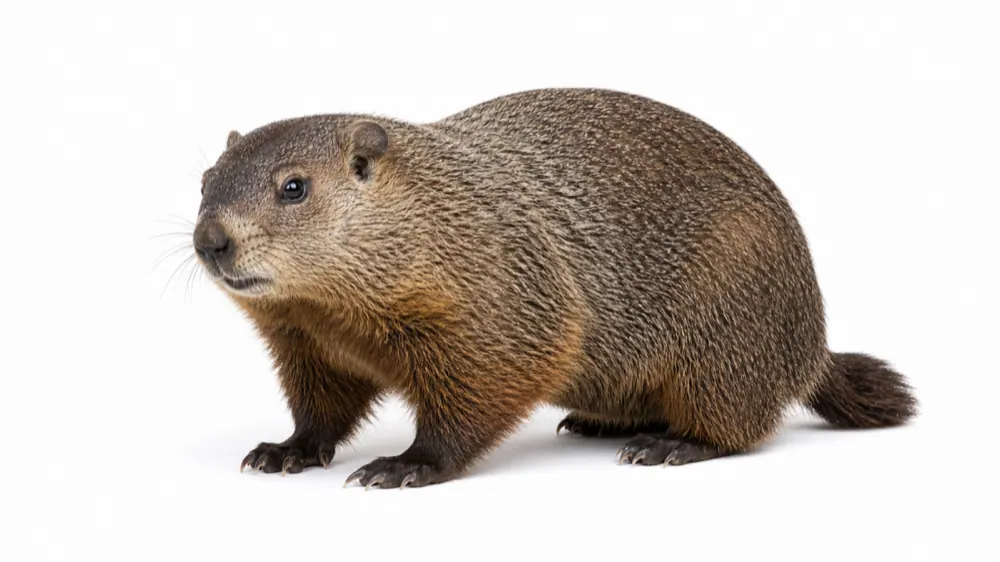 Wildlife · Mar through OctGroundhog guideLarge burrowing wildlife that can undermine soil near sheds, patios, decks, and gardens. Burrow location determines urgency.
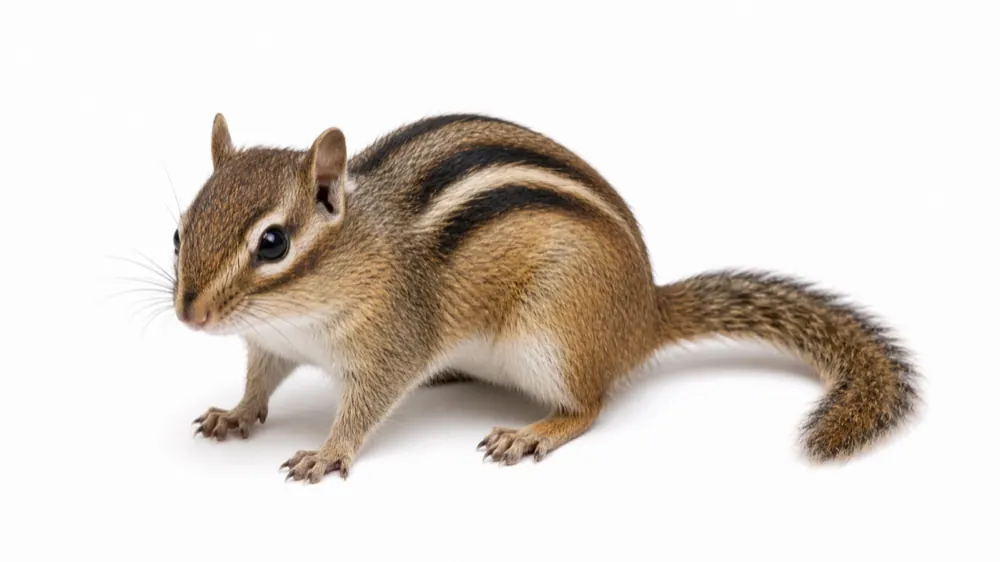 Wildlife · Mar through OctChipmunk guideSmall striped rodents that burrow near patios, steps, beds, and walls. Multiple small openings and seed pressure are common clues.
Raised ridges, soft active runs, fresh soil mounds, and tunnel spread across turf point toward moles. Surface runways, small clean holes, or large burrows can point to other animals.
No. Mole work is about underground lawn activity, not interior entry. The inspection focuses on tunnel patterns and active soil movement.
Moist soil, turf density, underground food, shade, and landscape edges can make certain lawn zones more active.
Mole control is quoted after reviewing the lawn pattern, active tunnel systems, and the size of the area involved.