
Confirm the species from timing, tracks, droppings, sound, damage, and location.
Wildlife Control
Wildlife Control
Cincinnati, OH
A calmer way to handle animals around the home. Envexa identifies the species, confirms the active route, and connects removal with practical exclusion so the same opening does not stay available.
Species Identification
Entry-Point Review
Exclusion Planning
Wildlife Activity Review
Tell us what you are seeing, hearing, or finding around the structure.
Your info is secure.
Common Cincinnati Wildlife
Start with the animal, then fix the access.
Use the macro cards to compare what may be moving around the home. Each guide opens the matching wildlife service page.
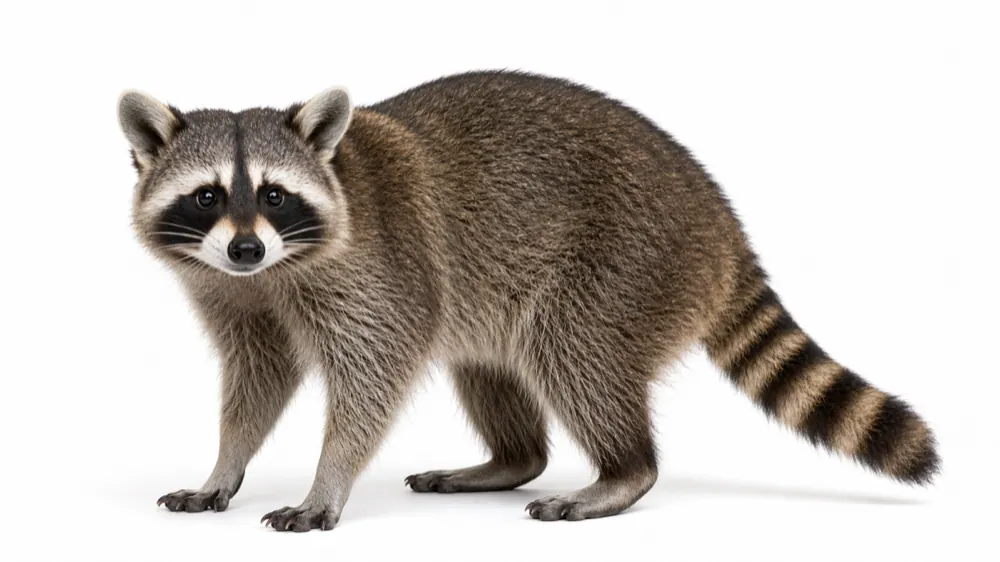 Roofline and atticRaccoonsProcyon lotor
Heavy night noise, torn soffits, chimneys, trash pressure, and latrine areas.
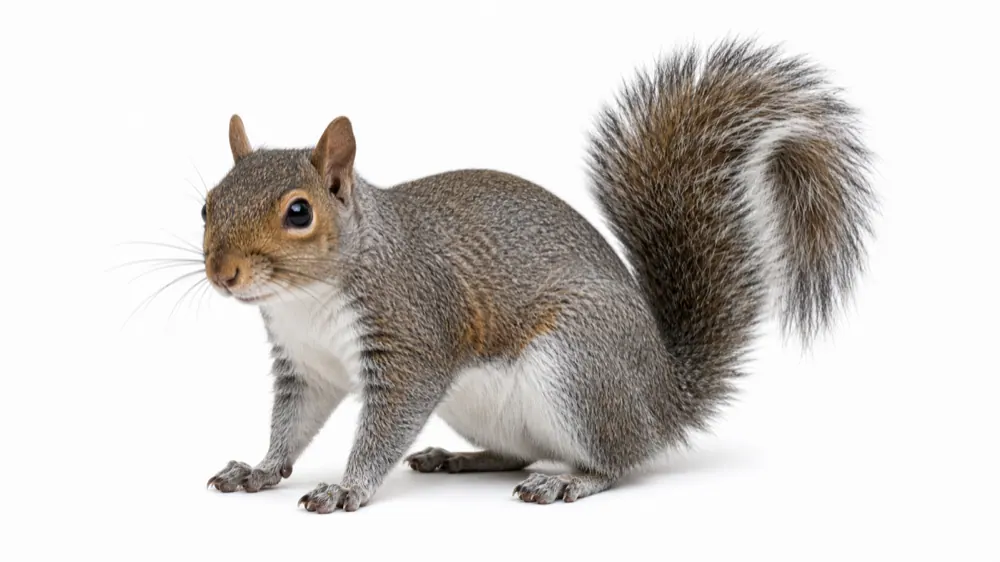 Fascia and atticGray SquirrelsSciurus carolinensis
Daytime scratching, fresh chewing, nest material, and repeat roofline travel.
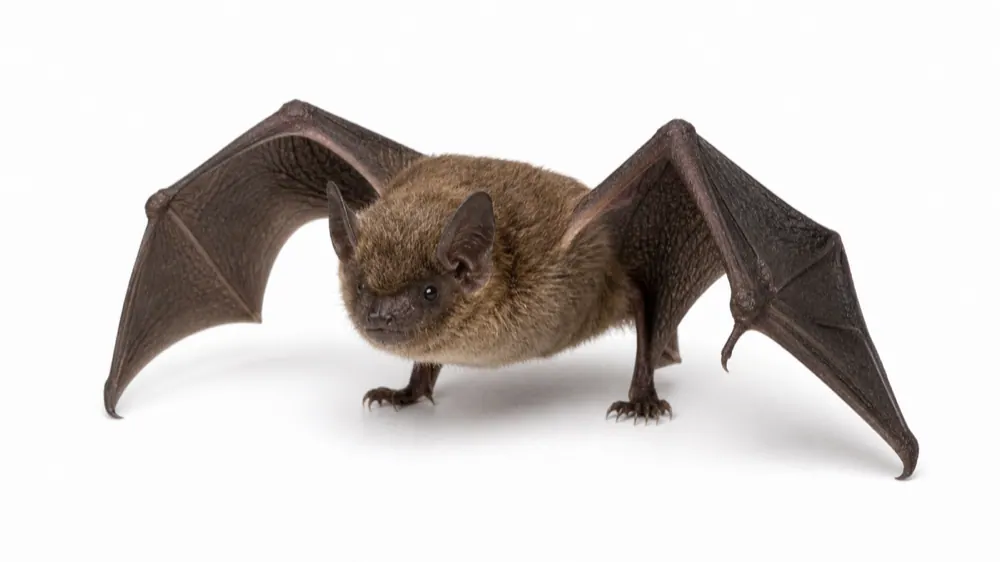 Vents and upper gapsBatsChiroptera
Dusk exit activity, guano, staining, squeaking, and narrow roost openings.
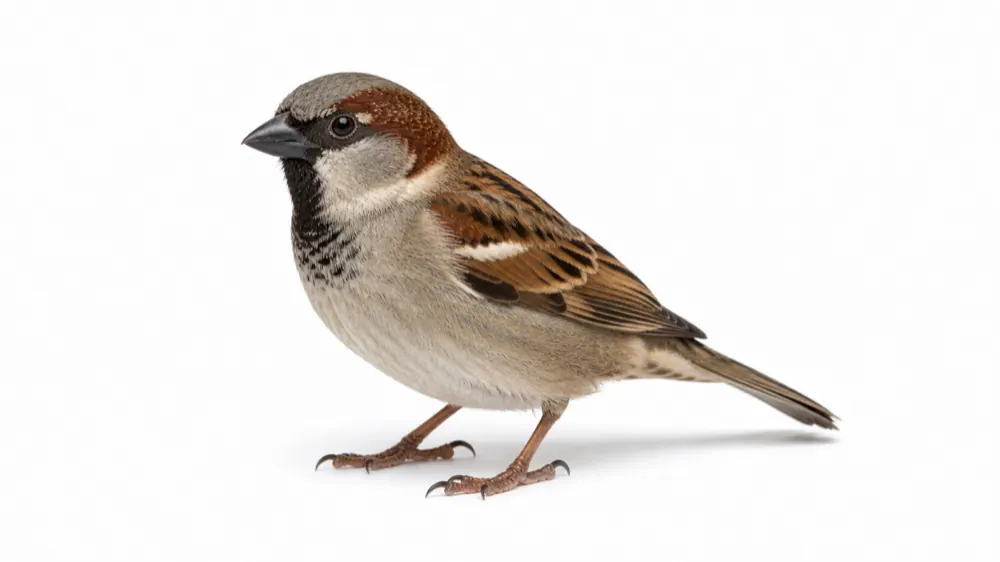 Vents and ledgesNesting BirdsAves
Nest material, droppings, blocked vents, ledge pressure, and repeat traffic.
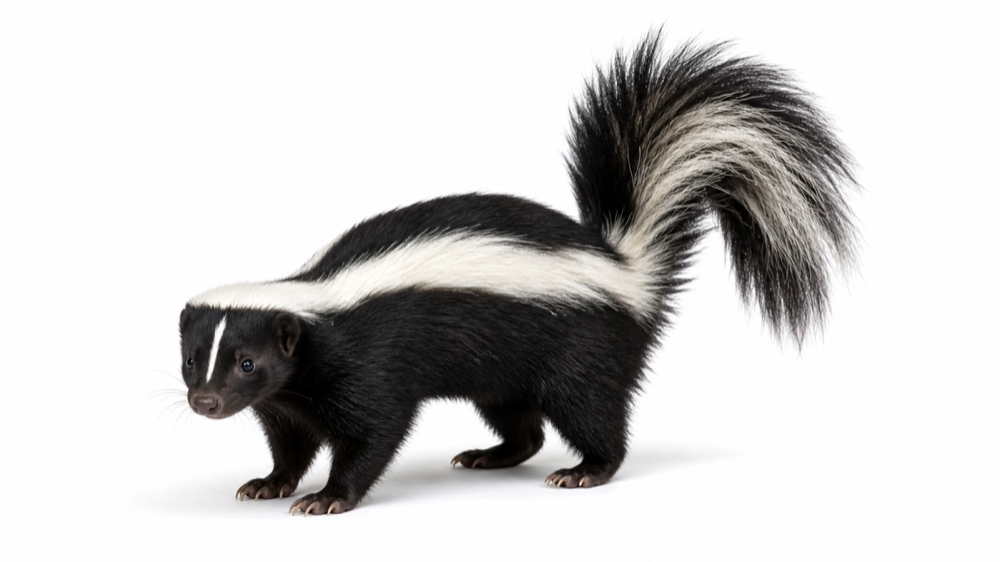 Decks and shedsSkunksMephitis mephitis
Odor, digging, turf damage, low den openings, and nighttime movement.
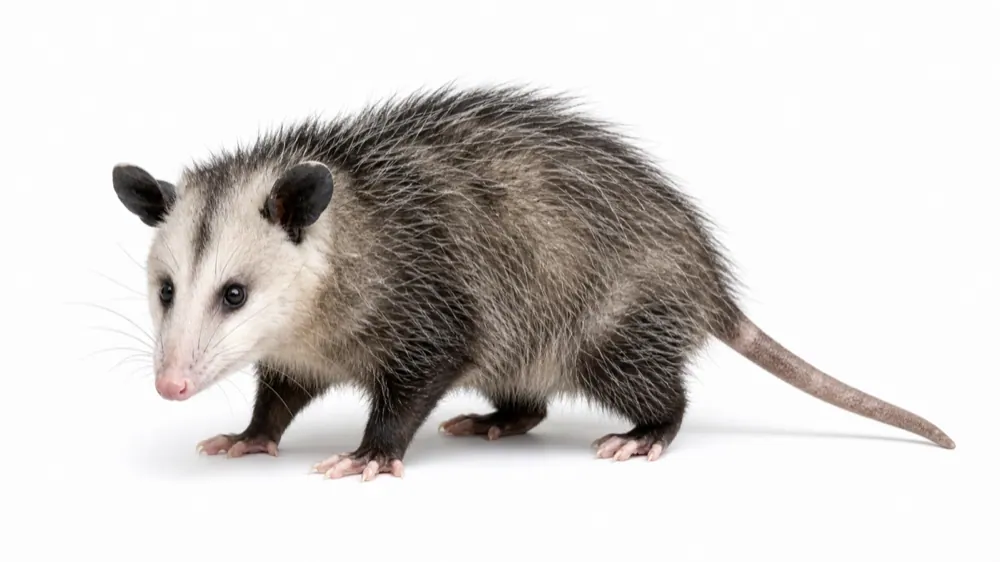 Low shelterOpossumsDidelphis virginiana
Crawl spaces, garages, decks, pet food, trash areas, and slow nighttime visits.
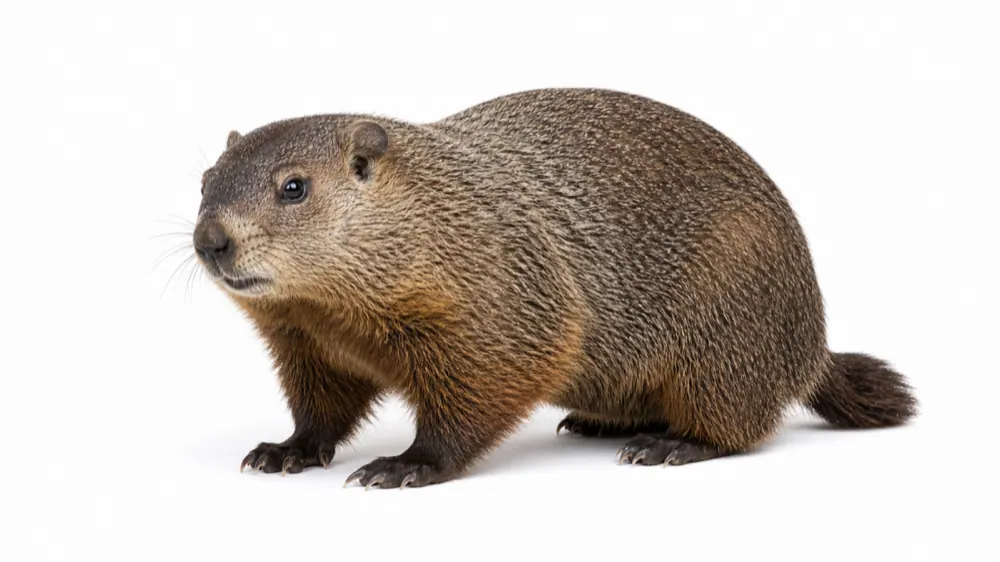 Burrows and soilGroundhogsMarmota monax
Large openings, fresh soil, worn entrances, garden damage, and slab-edge burrows.
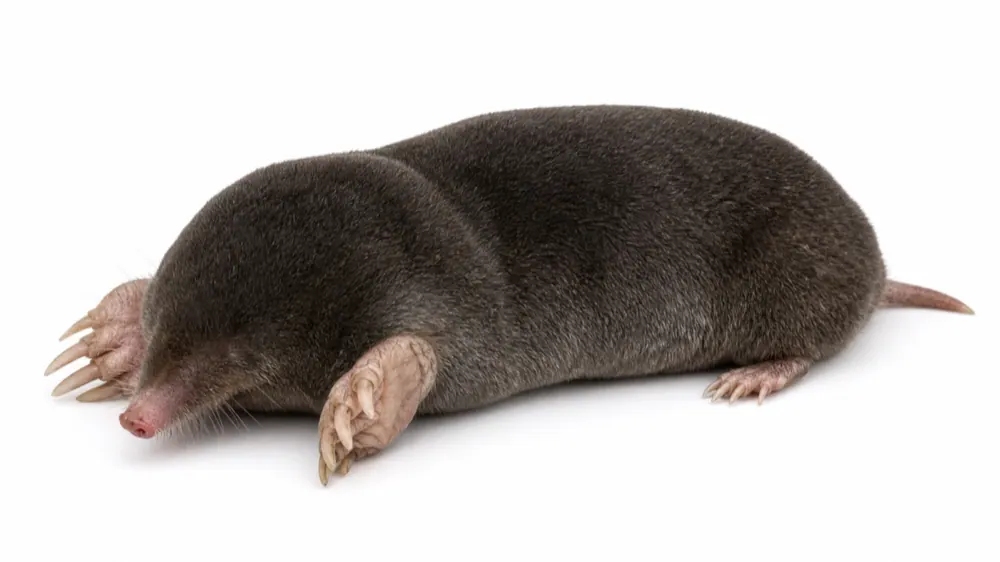 Lawn tunnelsMolesTalpidae
Raised ridges, soil mounds, soft tunnels, and turf damage tied to soil activity.
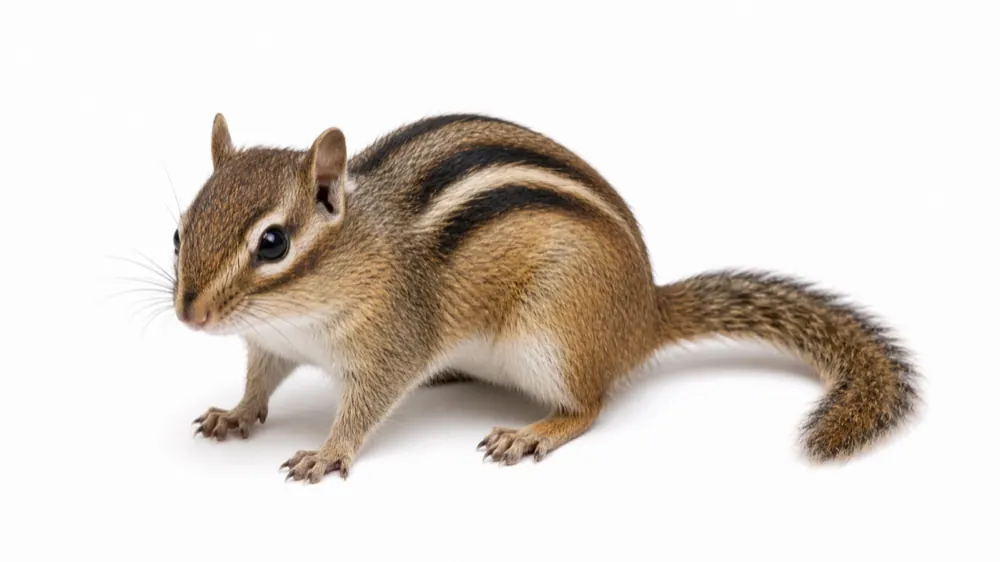 Hardscape edgesChipmunksTamias striatus
Small clean burrows around patios, retaining walls, steps, and foundation beds.
Inspection Method
Wildlife work is really evidence, access, removal, and prevention.
Seeing an animal is only one clue. The real solution comes from reading entry height, timing, droppings, damage, shelter, food pressure, and whether the opening is currently active.
Find the active entry, den, burrow, vent, roofline gap, or shelter route.
Recommend removal, exclusion, cleanup, or deterrent work based on the evidence.
Close the opportunity that made the structure attractive in the first place.
Attics, vents, soffits, fascia, chimneys.
Raccoons, squirrels, bats, and birds often start high, where small construction gaps become protected shelter.
Decks, sheds, porches, crawl spaces.
Skunks and opossums usually point to a low opening, a food source, or a protected den site.
Lawns, beds, patios, steps, foundations.
Groundhogs, moles, and chipmunks are about soil patterns, burrow placement, and what the digging is undermining.
Not sure what animal it is yet?
Envexa can inspect the evidence, identify the pressure, and help you choose the right animal-specific service path.