Where we inspect
Chimneys, soffits, gable vents, roof returns, decks, crawl edges, trash zones, and attic access points.

Raccoons usually become a home problem when they find a protected route into an attic, chimney, soffit, deck void, or reliable food source. Envexa confirms the active opening and the surrounding damage before recommending removal, cleanup, or exclusion.
Tell us about attic noise, chimney activity, roofline damage, latrine areas, or nighttime sightings.
The strongest raccoon clues are heavy nighttime noise, torn soffit or vent material, chimney entry, latrine areas, and repeated access to food or shelter. The service should confirm current activity before any opening is closed.
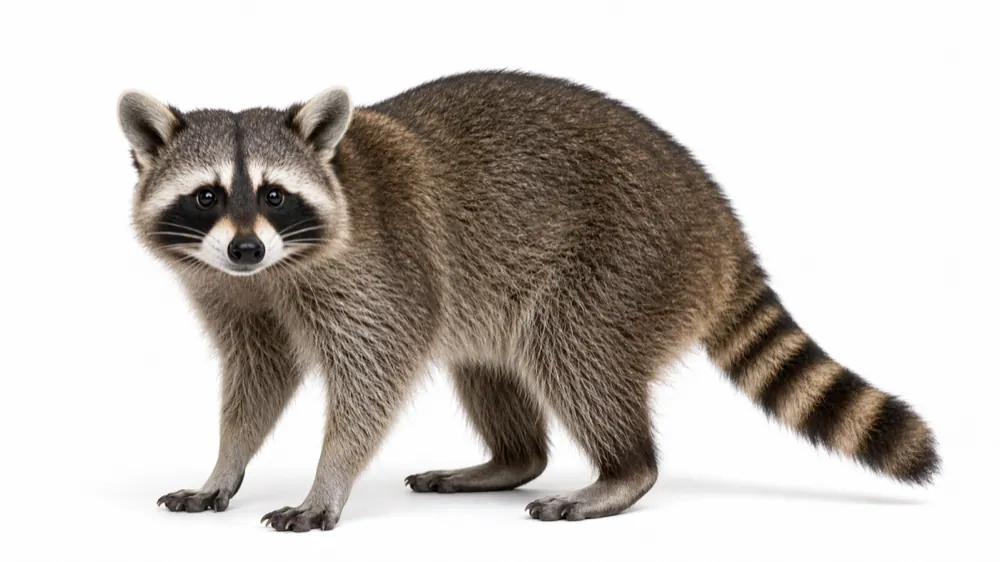
Chimneys, soffits, gable vents, roof returns, decks, crawl edges, trash zones, and attic access points.
Torn material, entry staining, strong odor, large droppings, nesting material, and heavy thumping after dark.
Confirm activity, remove pressure, document damage, then recommend exclusion and cleanup where needed.
Envexa looks for the access, shelter, food pressure, and timing clues that explain why raccoons keep showing up around the home.
Chimneys, soffits, gable vents, roof returns, and attic openings can become protected den routes.
Unsecured trash, pet food, fallen fruit, bird seed, and outdoor water can keep raccoons returning.
Attics, chimneys, and deck voids become more attractive when animals need warmth, shelter, or a quiet nesting site.
Latrine areas, nesting material, odor, and contaminated insulation can matter as much as the animal itself.
Envexa can inspect the evidence, explain the pressure points, and recommend a removal or exclusion path that fits the structure.
Look at rooflines, soffits, chimneys, droppings, attic noise, and access timing before deciding on removal or exclusion.
 Wildlife · Year-roundRaccoon guideStrong, adaptable wildlife that can damage soffits, vents, shingles, insulation, and attic spaces. Night noises, latrine areas, and tor...
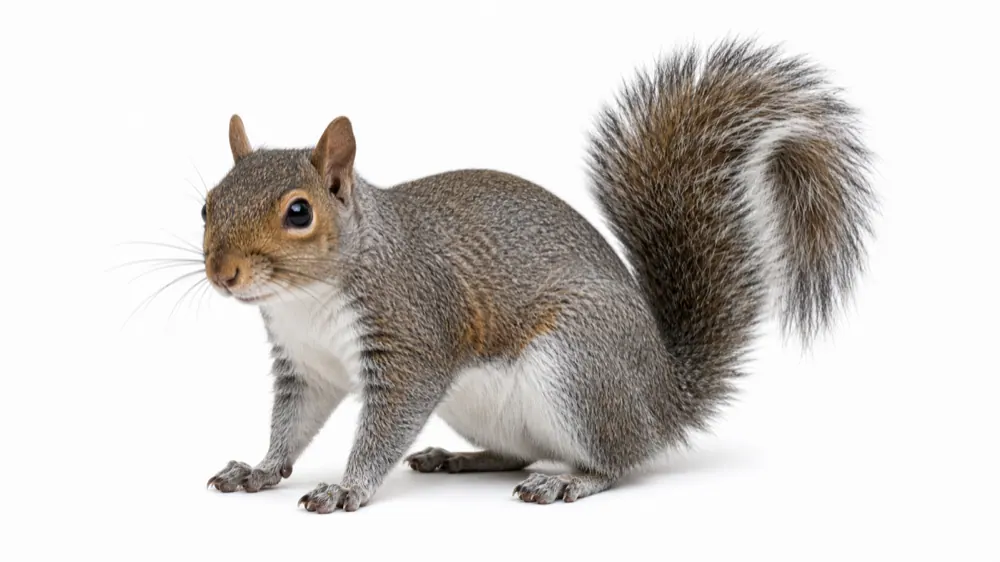 Wildlife · Year-roundGray Squirrel guideDay-active rodents that chew fascia, vents, and trim to reach attic spaces. Scratching during daylight is a strong clue.
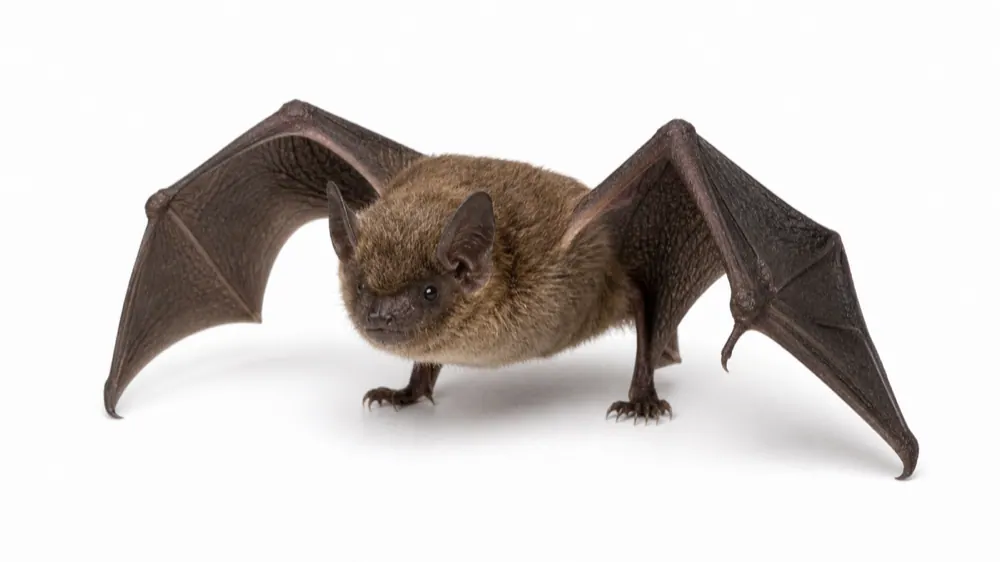 Wildlife · Mar through OctBat guideBats use tiny upper-level gaps and can leave staining, guano, and nighttime flight patterns. Species and timing matter before exclusion.
Heavy nighttime attic noise, chimney activity, torn soffit material, large droppings, odor, latrine areas, and repeat trash pressure are stronger clues than a single yard sighting.
Not until activity is confirmed. Closing the wrong opening can trap a raccoon inside, separate young from an adult, or push activity into another part of the structure.
Protected shelter, trash, pet food, bird seed, water, and an opening that still works can all keep raccoons tied to the property.
Raccoon work is quoted after inspection because the scope can include removal, height or access needs, cleanup notes, and exclusion or repair recommendations.