
Opossum Removal
Commercial Properties
Opossums are usually following shelter, trash, pet food, or another easy food source. Envexa reviews crawlspace edges, garages, dumpsters, storage areas, and low openings so the recommendation matches what is actually drawing activity to the site.
Opossum Activity Review
Low openings, food pressure, sightings, and shelter areas.
Opossum issues are usually shelter and food-source problems.
Commercial work stays practical: confirm what is active, remove the immediate concern, then reduce the conditions that make the area easy to use.
Crawl & Utility Areas
Low openings, utility chases, garage gaps, crawlspace edges, and service rooms.
Trash & Food Pressure
Dumpsters, exterior storage, pet food, fallen fruit, and shared waste areas.
Tenant Sightings
Repeated nighttime sightings, droppings, or movement near doors and patios.
Exclusion Notes
Simple closure and sanitation steps when the site conditions call for it.
Separate a one-off sighting from an active shelter route.
We look for repeated patterns: where the animal is entering, what it is feeding on, and whether any low openings are creating a sheltered space on the property.
Opossum activity around a business or managed property?
We will review the site, document the conditions, and quote the right next step.
Wildlife profiles connected to this service.
Compare animal signs, entry clues, seasonality, and structure pressure before deciding what needs to happen next.
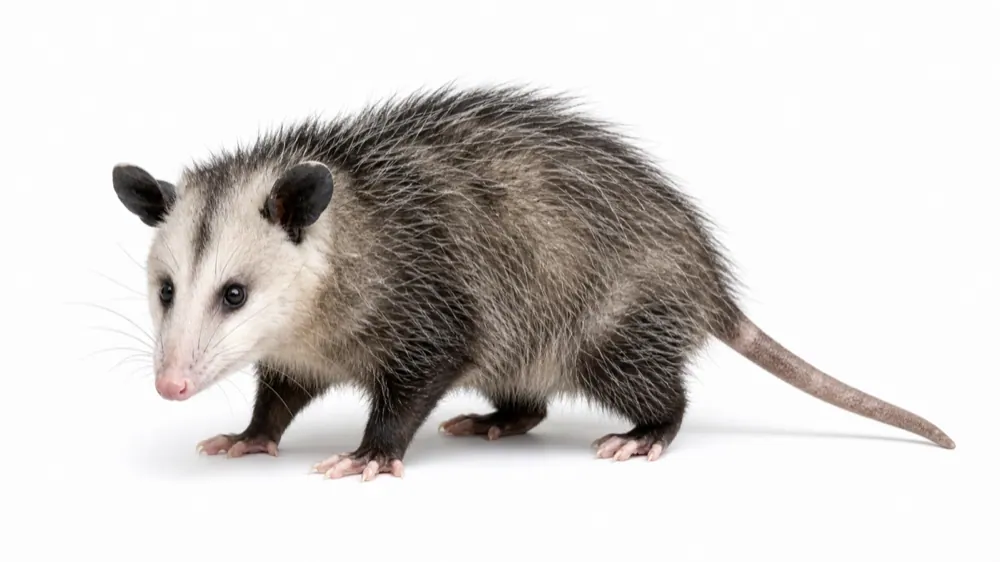 Wildlife · Year-roundOpossum guideSlow nighttime animals that use low openings, pet food, trash, garages, and temporary shelter. Entry and food pressure shape the plan.
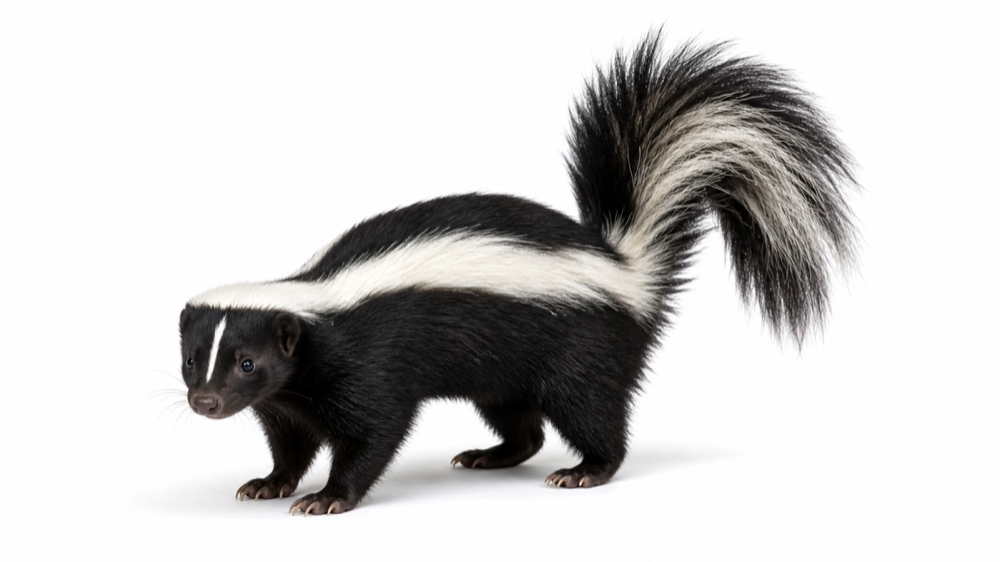 Wildlife · Year-roundSkunk guideNocturnal wildlife tied to odor, digging, turf damage, and low den openings. Fresh soil and repeated nighttime movement are key clues.
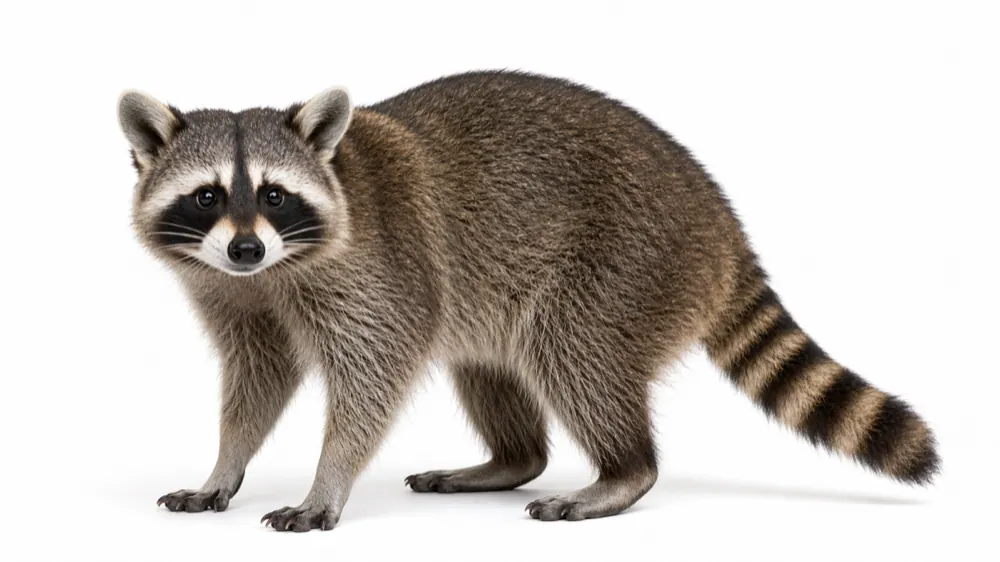 Wildlife · Year-roundRaccoon guideStrong, adaptable wildlife that can damage soffits, vents, shingles, insulation, and attic spaces. Night noises, latrine areas, and tor...